
Have you ever thought that a simple drawing could kick off a groundbreaking aircraft design? In aerospace, engineers use drawings like treasure maps to guide every part of a plane or spacecraft.
These blueprints turn bold ideas into clear, step-by-step plans so that every piece fits just right. Sometimes they start with a rough sketch, and other times they use computer programs to create precise models (CAD stands for computer-aided design).
In this article, we explore how these drawings not only bring accuracy but also open up fresh new possibilities in aerospace design.
Aerospace engineering drawings: Inspiring Precision and Innovation
Aerospace engineering drawings are like clear, detailed maps for building parts of planes and spacecraft. They show every little piece of the design in a way that’s easy to follow. These drawings come in many styles, think simple 2D diagrams, marked-up blueprints, and even technical sketches that explain how everything fits together.
Many schools and online sites offer aerospace blueprint PDF files so that both engineers and students can look over the designs at their own pace. If you’re curious about this field, you might want to explore “What is Aerospace Engineering” for a deeper look at these documents.
In design meetings and during manufacturing, aviation technical drawing PDF files are a big help. They show the smallest details and even note any changes needed during a project. Lately, aerospace CAD drawings PDF files have become a favorite for many because they work smoothly with modern design software. These different file types make it easier to keep designs accurate and consistent, no matter what stage the project is in.
| File Type | Format | Typical Use |
|---|---|---|
| Blueprint distribution | Printing and markup | |
| DWG | 2D CAD drawing | Editing in AutoCAD |
| DXF | CAD interoperability | Cross-platform exchange |
| STEP | 3D model export | CAM and analysis |
All these resources help designers create innovative and precise designs time after time.
Free Aerospace Drawing Resources and Archives
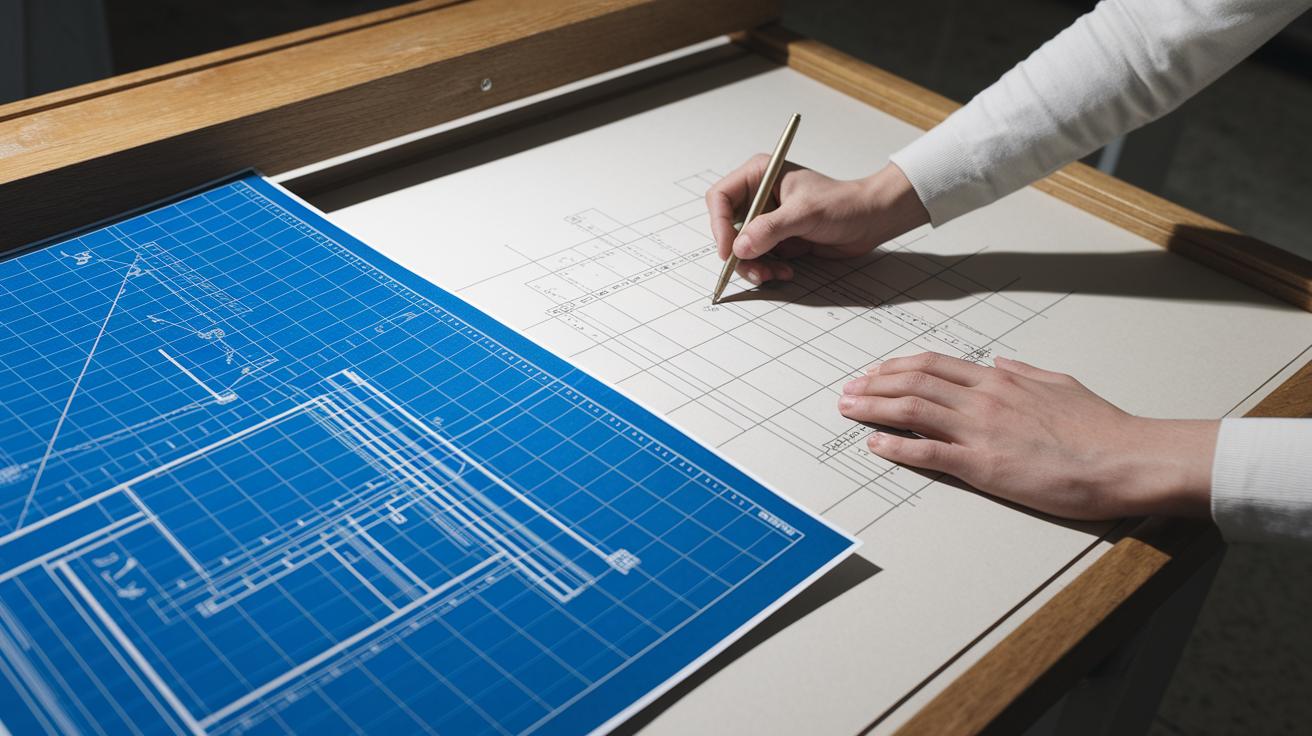
Have you ever wondered how people in World War II crafted their aircraft designs? Free digital archives let you dive into a world of scanned mechanical drawings. These collections show early draftsmen using simple tools like triangles and French curves to plan out flying machines. It’s like stepping back in time to see the roots of aerospace engineering.
Today, many websites offer clear, high-resolution aerospace schematics for anyone interested. You might notice a vintage blueprint side-by-side with a modern digital copy, which makes it easy to see the big shift from hand-drawing to using computers. It really puts the evolution of design into perspective.
Museums and digital archives work hand in hand to preserve the art and science of aircraft design. They spark the imagination of current designers, engineers, and enthusiasts, giving them a glimpse into the past while nudging them towards future innovations. These free resources offer a unique window into history and inspire learning and creativity in modern aerospace projects.
Downloadable Aerospace Blueprint PDF and CAD Drawings
Today, the digital workspace gives engineers access to PDF blueprints and CAD files they can work on directly. These files run with modern design software that lets teams work together in real time, with smart computer help to boost accuracy. Have you ever thought about how engineers once spent days fixing hand-drawn blueprints? Now, design updates show up on your screen in just seconds.
PDF files aren’t just static images anymore , they act as lively guides that you can easily mark up during online design meetings. DWG files provide two-dimensional drawings that you can edit in programs like AutoCAD (a popular design tool). DXF files let you share your designs smoothly between different software systems, and STEP files let you export detailed three-dimensional models used for making parts and checking performance.
New digital tools are changing how engineers work. Modern CAD platforms use cloud-based collaboration (storing files online so everyone can work together) so that design updates happen at the same time, keeping everything organized and teamwork smooth.
| File Type | Format | Typical Use |
|---|---|---|
| Blueprint for sharing | Printing and marking up designs | |
| DWG | 2D CAD drawing | Editing in AutoCAD |
| DXF | CAD interoperability | Smooth exchange between software |
| STEP | 3D model export | Manufacturing and performance checks |
Aerospace Drawing Standards, Symbols, and Layouts
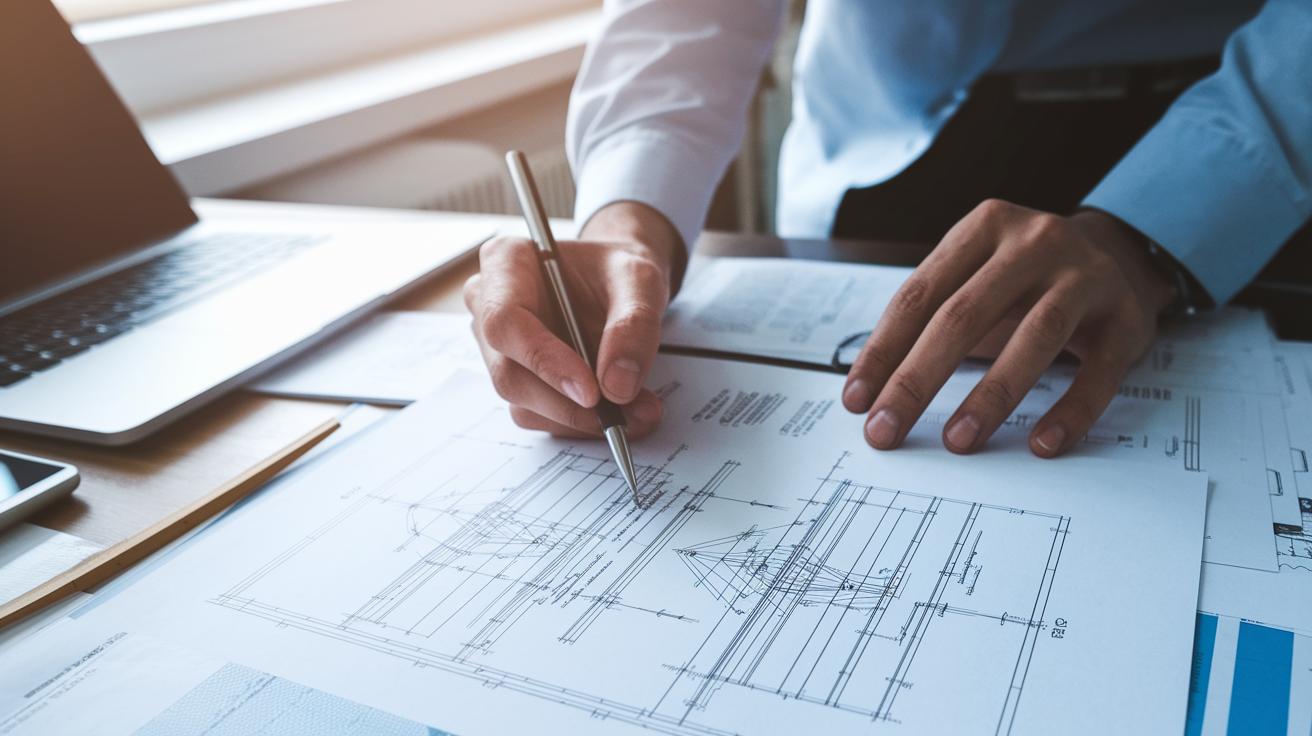
When it comes to technical drawings for aircraft and spacecraft, strict rules are a must. The AS 9100 guidelines build on ISO 9001 by adding extra checks for safety, reliability, and exact measurements (GD&T stands for Geometric Dimensioning and Tolerancing, which is a standard way to show how parts should fit together). Every drawing needs to be fully documented, include a clear history of changes, and have official signatures to prove the design is approved. For instance, you might see a note like "Revision 3: Updated weld symbols after quality check" to show the process has been carefully tracked.
Engineers rely on a set of common symbols to represent things like welds, fasteners, and electrical connectors. Think of these symbols as a kind of universal language that makes it easy for everyone to understand the key details quickly. Imagine looking at a diagram where a small circle means a weld and a triangle shows a fastener. This straightforward approach helps avoid mistakes down the road.
Drafting mistakes can include using symbols that are out of date, not recording changes, or missing those essential approval signatures. These aren’t just small oversights; they can actually lead to safety risks during manufacturing. That’s why teams often review drawings regularly to catch and fix errors early. Clear layout guides that separate dimensions, tolerances, and annotations are also crucial. Keeping everything organized like this means that aerospace drawings stay reliable and set the stage for precise and innovative work.
Advanced Aerospace Drawing Techniques and Best Practices
This section dives into the world of aerospace drawing by comparing age-old hand-drawn methods with today’s digital techniques. It brings together expert insights and real-life examples to show how design has evolved.
Comparing Legacy Manual Techniques and Digital Workflows
In the past, artists of aerospace design carefully traced curves using tools like triangles and French curves. One craftsman once said, "I spent hours perfecting each curve with my French curve. It was an art form in itself." Today, designers use CAD/CAM systems (computer-aided design and manufacturing), which adjust dimensions instantly and even create 3D models. As one digital expert put it, "With CAD, every design update is just a click away, ensuring parts align perfectly."
| Attribute | Manual Drafting | Digital Workflow |
|---|---|---|
| Method | Hand-drawn curves using precision tools | Software-driven dimensioning and modeling |
| Precision | Relies on the draftsman’s skill | Instant re-calculation for consistent accuracy |
| Revision Process | Changes made manually on paper | Automated updates using integrated systems |
Case Studies and Expert Perspectives
At one aerospace facility, engineers mix manual checks with digital models to ensure every design detail meets strict standards. An aerospace design specialist shared, "Our PLM system coordinates every update, but our seasoned eye from years of manual drafting is still essential." This blend of traditional craft and modern automation keeps the artistry alive while boosting efficiency.
Have you ever wondered how digital tweaks mirror the subtle adjustments that used to be made on paper? This ongoing exchange between old-school methods and new technology gives us incredible insights into achieving spot-on precision in aerospace engineering drawings.
Managing Aerospace Engineering Drawings in Design Workflows

Keeping your aerospace design files neat and updated is a must for smooth projects. One easy trick is to use clear revision control. This means that every change gets a note with the date and what was updated. For example, you might write, "Revision logged on March 5: updated fastener layout." That small note tells everyone exactly what happened and when.
It’s also important to keep track of where every drawing comes from. Imagine a digital library where each drawing has tags like version number, designer, and last review date. These tags make it simple for engineers to find the freshest designs quickly, without the hassle of sorting through paper files. Regular review sessions, daily or weekly, act like safety checks and help catch errors before they grow. One engineer even said checking each update feels like a safety check that makes sure everything follows the AS 9100 standards.
Staying sharp with your drawing skills is another key part of the process. Many teams take advantage of training programs, like those in Aerospace Engineering Courses (https://buzzyandclever.com?p=1842). These courses break down the basics of technical drawing, editing, archiving, and auditing. That way, every drawing meets the high standards needed for top-level aerospace projects.
Final Words
In the action, the post walked through the main sources for aerospace engineering drawings. It covered various blueprints, free online archives, and downloadable files in both PDF and CAD formats. We saw how technical standards and manual drafting have evolved into modern digital processes. The information helps make sense of complex procedures and shows that science remains clear and accessible. Keep your spirit high and continue exploring the world of aerospace engineering drawings.
FAQ
Q: Are free aerospace engineering drawings available as PDFs and blueprints?
A: Free aerospace engineering drawings are available as downloadable PDFs and blueprints. These resources let you access technical details for study and design without cost.
Q: What do aerospace engineering drawing symbols represent?
A: Aerospace engineering drawing symbols represent key details like welds, fasteners, and connectors. They provide a clear, standardized way to communicate technical information on designs.
Q: How can I read engineering drawing PDFs in my first year?
A: Reading engineering drawing PDFs in your first year starts with familiarizing yourself with line types, symbols, and scales. Clear annotations and practice help make these technical documents accessible.
Q: Is aerospace engineering a difficult field?
A: Aerospace engineering is challenging as it requires strong math and science skills. Many find it rigorous, but systematic study and practice build the necessary expertise over time.
Q: What is the highest-paid role for an aerospace engineer?
A: The highest-paid roles in aerospace engineering vary, often linked to managerial or specialized technical positions. Salary levels depend on experience, location, and specific expertise areas.
Q: What are three types of engineering drawings in aerospace?
A: Three types of aerospace engineering drawings include blueprint distributions (PDF), 2D CAD drawings (DWG/DXF), and 3D model exports (STEP). Each serves a unique purpose in design and fabrication.
Q: Do aerospace engineers create their own drawings?
A: Aerospace engineers often contribute to drawing creation, especially in early design concepts. However, modern projects typically involve specialized drafters and CAD tools to ensure precision and compliance.
Q: How do technical drawing, engineering drawing, computer-aided design, drawing, design, and architecture relate in aerospace?
A: These terms interconnect by forming the process that transforms concepts into detailed plans. They cover the full cycle from initial sketches to precise, computer-generated models used in aerospace projects.