
Have you ever wondered how our military jets fly so precisely? The secret is in aerospace propulsion, a system that challenges how we care for modern jet engines. Expert technicians make sure each engine works perfectly, much like a well-tuned instrument.
Think of an engine as a heartbeat. It must keep a steady rhythm even when every beat matters. In this post, we'll explore how these skilled teams maintain our aircraft and keep our skies active.
Integration of Aerospace Propulsion Systems in the Air Force
Aerospace Propulsion specialists in the Air Force (AFSC 2A6X1) play a key role in making sure that engine technology fits naturally with flight operations. They fix and care for aircraft engines while using engine test stands and turbine balancing equipment (tools that help check engine vibrations) to ensure everything works properly. This work is vital because it means every engine performs as expected, letting fighter jets and transport planes fly at their best.
They work hand in hand with other maintenance teams to check that every propulsion system follows the design plan. By teaming up, they can catch even tiny issues early on, keeping both safety and performance in top shape.
Did you know the steady hum of an engine test stand can reveal small shifts in turbine balance before they become serious problems? It goes to show that even the smallest detail can have a big effect on how an engine runs.
Engineers rely on both diagnostic data and hands-on know-how to tackle design challenges in propulsion systems. They constantly update their techniques and use specialized tools to keep up with the latest advances in defense propulsion technology. If you're curious about how it all works, you can learn more about aerospace engineering and dive into these dynamic integration processes.
Evolution of Air Force Propulsion Technologies

Air Force propulsion has come a long way since the 1940s. Back then, basic turbojet engines powered the first military jets, showing us new speeds and combat ideas even though they weren’t very fuel-efficient or stable. Picture a fighter jet with a roaring engine that barely ran a few hours if it wasn’t carefully watched, that was early turbojet life.
Over time, military engineers improved these designs to create engines that run smoother and last longer. New materials and smarter fuel-burning methods (how fuel and air mix to create power) paved the way for the modern turbofan engines we see today. These engines use several fans and clever cooling features to balance strong thrust with better efficiency. They work hard to lower noise and heat while still delivering a solid performance. Sometimes, each new engine feels like a little marvel of engineering.
Today, reliable propulsion is a big deal for missions. As jets fly faster and higher, they need engines that can handle really tough conditions. Thanks to better fuel-burning techniques and thorough testing, modern engines are far more predictable. Pilots can count on them because they are built with lots of safeguards.
This ongoing progress shows the lessons learned over many years. We've come a long way from clunky turbojets to sleek turbofan systems that keep up with modern military needs.
aerospace propulsion air force: Soaring Beyond Limits
Modern jet engines power military aircraft with impressive precision and strength, keeping them ready for any mission. Engine experts work with cutting-edge test equipment to check how little parts like turbofans perform, tracking details such as thrust, shaking, and heat. Fun fact: just a tiny change during afterburner tuning can make a big difference in engine speed!
These specialists run careful tests under tough conditions to see how afterburners and variable-cycle designs handle sudden pressure. They keep a close eye on new ways to burn fuel (which is the quick burning of fuel that makes thrust) to ensure every part works perfectly together. There’s also rocket-assisted propulsion, which gives a quick extra push at takeoff to help heavy jets get airborne.
Every test and adjustment plays a part in the ongoing innovation of aircraft engines. Engineers now use digital sensors and live data to fine-tune engine performance, checking how they handle extreme heat and pressure while staying safe. This smart and high-tech approach builds engines that can keep steady power during tricky maneuvers, giving pilots a real advantage during combat and training.
In simple terms, modern military jet engines combine smart design elements like precise fuel delivery with adaptive cycle technology. Every part, from how fuel is injected to how turbine blades are made, is built to boost performance. By always pushing the limits of what’s possible, today’s teams make sure each engine is powerful and efficient, helping every aircraft perform its best exactly when it needs to.
Training and Role of Air Force Aerospace Propulsion Technicians

Air Force propulsion technicians are the pros who keep aircraft engines running smoothly, even under tough conditions. They start by meeting a set minimum ASVAB score (a test that shows your job skills) and strict strength criteria so they're ready for the job. This way, every technician can handle the physical demands both indoors and outdoors where quick thinking and a steady hand really matter.
Technical training plays a big role in their journey. They spend several weeks at Sheppard AFB learning all about the detailed systems that power modern aircraft. The training covers everything from engine certification rules to careful engine system life checks. Many even earn CCAF credits (college credits from the Community College of the Air Force) along the way, boosting both their skills and understanding of military aeronautical engineering. Imagine using digital tools on engine simulations, like piecing together a puzzle where every part counts!
Every day, these technicians dive into hands-on tasks like inspecting engines, troubleshooting issues, and making crucial repairs to keep engine performance steady. Key aspects of their day include:
- Meeting the ASVAB minimum score
- Working under strict physical conditions
- Completing scheduled weeks of technical training
- Earning academic credits through the CCAF program
- Taking on assignments in both CONUS and overseas bases
The career path looks bright too. As technicians gain experience and earn advanced certifications, opportunities for promotion and specialization open up, paving the way for a long and rewarding career in military propulsion.
Innovations and Research in Defense Propulsion Technology
The Air Force is trying out new ideas that might change how military planes fly. They’re testing jet engines that help aircraft travel faster than the speed of sound and exploring fuel mixtures that burn cleaner while still giving strong performance even in tough conditions.
They’re also checking out new methods for burning fuel. Imagine a process that mixes fuel and air so neatly that it cuts down on harmful gases but still delivers a burst of power. Ideas like this could completely change our engine designs. Plus, adaptive cycle engines, which adjust their work based on the flight phase, are drawing a lot of attention.
There’s plenty of exciting research happening with new engine materials too. Scientists are experimenting with special metal alloys that are both strong and light so engines can run hotter and last longer. By simulating extreme conditions, researchers can see how every engine part behaves. These breakthroughs might soon lead to aircraft that are not only more efficient but also safer and tougher on the battlefield.
Every new discovery brings fresh challenges, yet each one also sparks a breakthrough that could boost aircraft performance in modern combat.
Designing and Simulating Air Force Propulsion Systems

AFSC 2A6X1 maintainers use engine test stands with built-in diagnostic software to mimic real-world loads on propulsion systems. They use special simulation software to build digital models of engine parts under various stresses. These tools run thermal dynamics tests (how heat moves through the engine) so techs can see how temperature shifts might affect control systems. For instance, think about a test where a tiny change in engine warmth uncovers a hidden flaw in a turbine blade. Little details like that are crucial for keeping an engine reliable.
Another key step is analyzing each engine component. Experts study the simulation results to ensure every part, from fuel injectors to compressor blades, is strong enough to deal with extreme conditions. They also check the entire propulsion system against strict safety rules. Plus, they test control algorithms to see if the software can automatically adjust for different loads during flight. It’s like fine-tuning a well-crafted clock, where every gear and spring clicks perfectly into place.
Together, these simulations and tests give a full picture of engine performance over its lifetime. This digital approach not only improves safety but also makes maintenance schedules easier to manage, ensuring military propulsion systems are always ready for any mission.
Maintenance, Troubleshooting, and Performance Evaluation of Aircraft Engines
Here we explore special diagnostic methods and precise troubleshooting steps that go beyond everyday maintenance. Experts have a set of unique procedures to check for changes in vibration, temperature (heat levels), and thrust (the power that moves the engine). For instance, they might say, "Our diagnostic system catches even the tiniest performance change, much like hearing a pin drop in a busy room." These extra steps, paired with turbine balancing tools and specific repair kits, add deeper technical insights that are not part of ordinary pre- and post-flight checks.
| Procedure | Tools | Frequency |
|---|---|---|
| Pre-flight inspection | Engine test stands, visual checks | Before each flight |
| Post-flight inspection | Turbine balancing equipment | After each flight |
| Engine diagnostics | Proprietary diagnostic protocols | Upon anomaly detection |
| Engine repairs | Repair kits, specialized tools | As required |
Career Paths and Opportunities in Air Force Propulsion Engineering
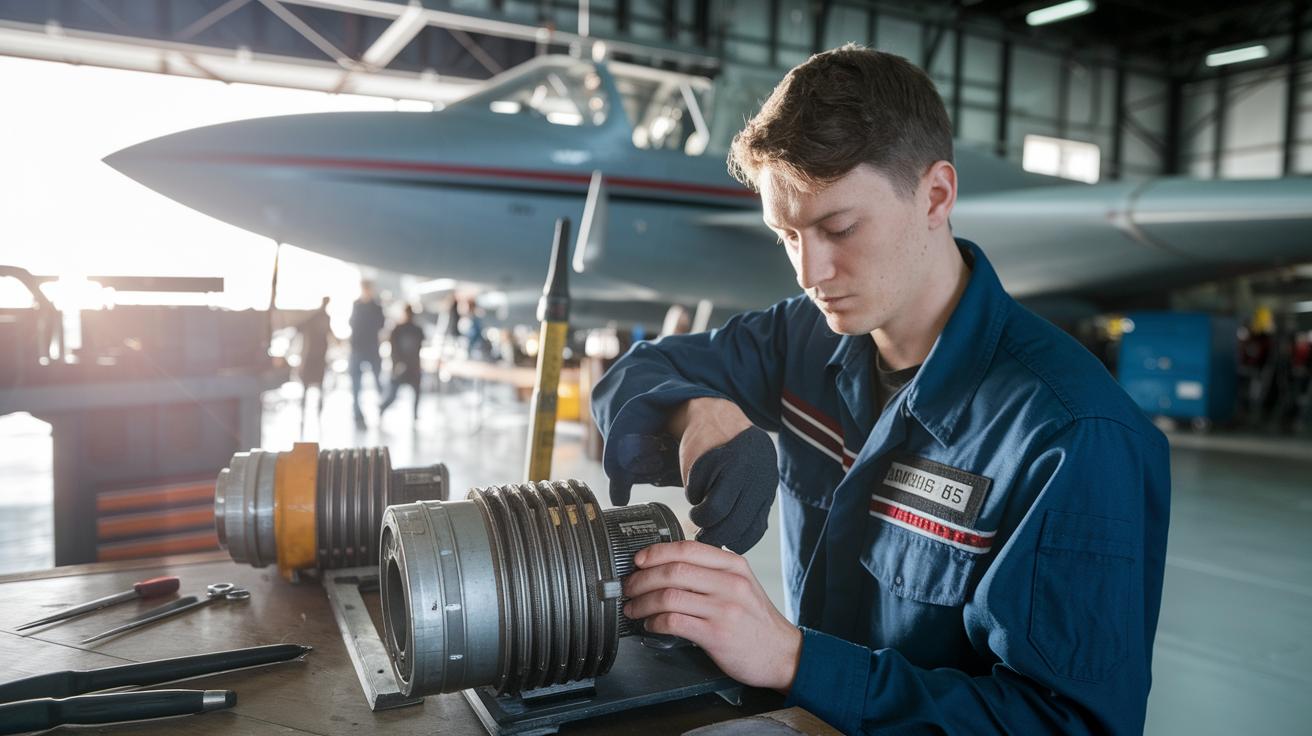
Air Force propulsion careers offer a cool mix of technical know-how and real hands-on work with modern engine systems. You might start with a technical apprenticeship or join a specialized internship that lets you work directly with advanced propulsion setups. Imagine beginning as an intern and gradually using tools like promotion calculators to map out your next move, all while earning college credits (the CCAF degree credits).
Many propulsion experts find that every new duty builds their skills and prepares them for leadership. You could start with a maintenance job and soon find yourself teaming up with defense contractors on important projects. With clear steps to follow and salary scales that rise with each technical certification, every promotion brings both experience and a steady boost in income.
If you’re curious about engines and technology, there are several ways to jump in:
- Military propulsion internship programs that offer focused technical training.
- Apprenticeship paths that help you earn practical skills and deepen your academic knowledge.
- Partnerships with defense industry players that blend military experience with civilian innovation.
These routes let you work with top-notch engine systems while you keep learning along the way. Every new assignment, extra responsibility, and chance to work with industry experts builds a strong resume, paving a clear path toward a rewarding career in Air Force propulsion engineering.
Final Words
In the action, we looked at how engine integration, performance checks, and advanced design work together to keep Air Force jets at peak performance. We followed the evolution of aerospace propulsion and learned about training, maintenance, and simulation processes used in the field.
This overview highlights the role of aerospace propulsion air force teams in advancing technology and preserving safety. It's an encouraging reminder that every breakthrough drives innovation in our everyday skies.
FAQ
Frequently Asked Questions
What does aerospace propulsion do in the Air Force?
Aerospace propulsion in the Air Force ensures aircraft engines perform well by maintaining, testing, and repairing them. Specialists use tools like engine test stands to check engine balance and overall reliability.
How much do aerospace propulsion specialists get paid in the Air Force?
Aerospace propulsion specialists earn competitive salaries that include base pay and performance bonuses, with amounts varying by rank, experience, and location.
How long is the aerospace propulsion tech school in the Air Force?
Aerospace propulsion tech school is a rigorous training program that typically lasts several weeks. It covers engine diagnostics, repairs, and simulations to build key technical skills.
What roles do aerospace propulsion apprentices play in the Air Force?
Aerospace propulsion apprentices learn essential maintenance and repair skills by working alongside seasoned specialists. They gain hands-on experience in diagnostics, troubleshooting, and engine testing.
Where do aerospace propulsion specialists typically serve in the Air Force?
Aerospace propulsion specialists serve at multiple Air Force bases across the continental United States and overseas, gaining diverse experience in various operational settings.
What insights does Reddit offer about aerospace propulsion in the Air Force?
Reddit discussions about aerospace propulsion share personal work experiences, training tips, and information on career paths, offering a community perspective on the technical challenges faced by specialists.
Are bonuses available for aerospace propulsion specialists in the Air Force?
Aerospace propulsion specialists can earn additional bonuses based on service performance and technical expertise, which serve as incentives for their critical role in aircraft maintenance.
What makes aerospace propulsion one of the elite roles in the Air Force?
Aerospace propulsion is viewed as elite because it demands advanced technical skills, rigorous training, and a deep commitment to ensuring that aircraft engines meet high performance standards.