
Have you ever wondered if computers can solve puzzles that have baffled scientists for years? Today, artificial intelligence (smart computer technology that learns and solves problems) is taking on big challenges. It can predict the shapes of life’s tiniest building blocks and even spot wildfires in just a few minutes.
This breakthrough tool helps researchers find answers fast, changing the way labs work and speeding up projects that used to take months. It’s really amazing to see how quickly things are happening.
In this post, we’ll explore how clever technology makes science faster and more precise and helps us look at old questions in whole new ways.
How AI Is Transforming Scientific Discovery
Artificial intelligence is changing how we explore science. Instead of waiting for months or even years, researchers now get answers in minutes. For instance, AlphaFold 2 predicted 200 million protein structures by 2022 (protein structures are the shapes that make up the building blocks of life). It used to take much longer, but this breakthrough is now a part of everyday lab work around the globe.
AI is now part of many scientific areas. It helps predict severe weather, maps tiny molecular interactions, and tackles tricky math puzzles. Imagine a tool that can forecast floods, catch wildfires in just 20 minutes, and even solve complex problems that once felt impossible.
- Protein folding: AlphaFold 2 predicts protein shapes in record time.
- Flood forecasting: Advanced models give a reliable 7-day warning across many countries.
- Wildfire detection: Systems like FireSat spot even small fires in just 20 minutes.
- Weather forecasting: Tools such as GraphCast offer 10-day weather predictions.
- Mathematical reasoning: Technologies like AlphaGeometry and AlphaProof solved 83% of tough math problems found in international contests.
- Quantum chemistry: Research from UC Berkeley and Columbia uses quantum computer simulations to understand tiny particles (quantum mechanics is the study of the smallest things in nature).
- Materials discovery: The GNoME system uncovered 380,000 stable materials, paving the way for new inventions.
- Nuclear fusion: Efforts by groups like DeepMind and EPFL used smart algorithms to stabilize plasma, a key step in fusing atoms for energy.
These advances show that AI is driving science to new heights. With these smart tools, labs become faster and more precise, opening doors to exciting discoveries every day.
Protein Structure Prediction Breakthroughs with AI
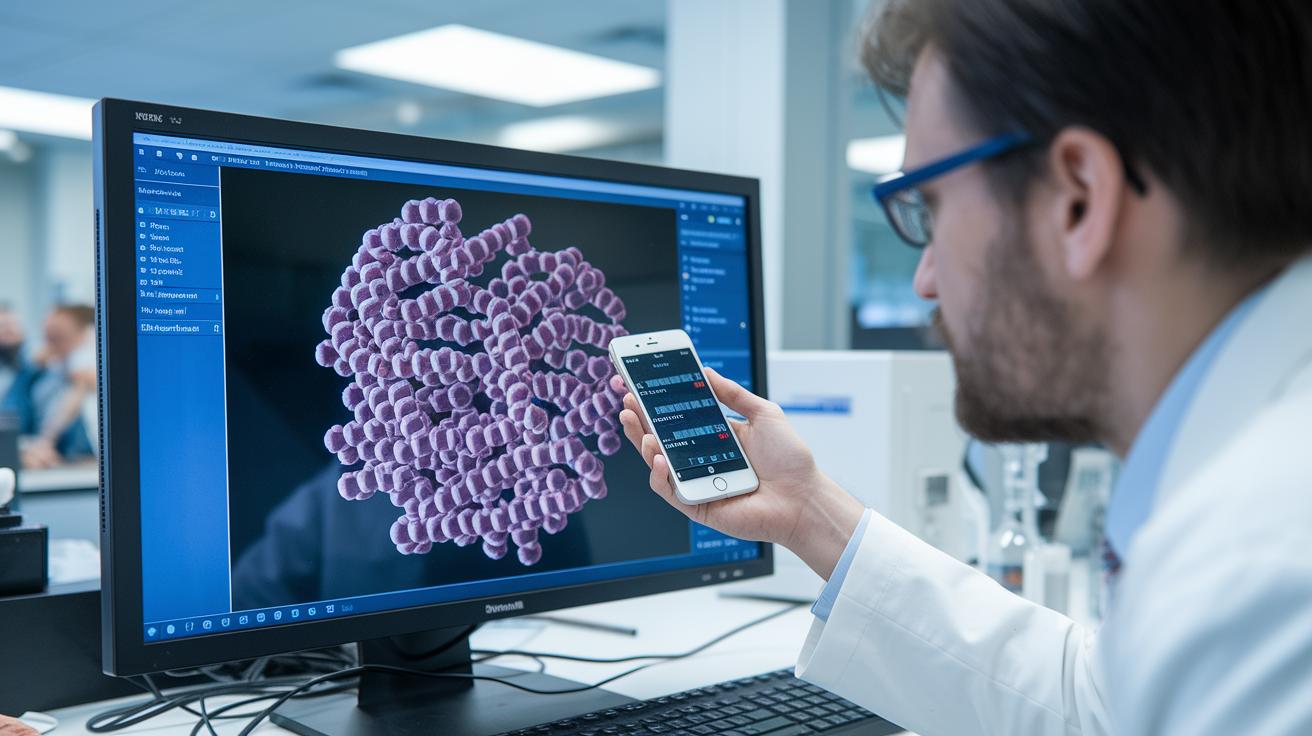
Knowing a protein’s 3D shape is super important in biology and medicine. It shows us how proteins work, how they react with drugs, and how they can cause illnesses. When scientists understand a protein's shape, they can design better medicines and learn more about how our cells work. For example, the way a protein folds can tell if a drug will work well or if a germ might be able to fight off treatment. Quick and clear predictions in this area are a big win for research.
DeepMind made a huge leap with AlphaFold 2, turning years of work into just minutes. This cool machine learning tool (which helps computers learn patterns) predicted 200 million protein structures by 2022. By learning from vast amounts of data, it can figure out a protein’s shape quickly and accurately. This breakthrough turns a slow, hard process into a fast system that can keep up with the fast-paced needs in medicine and biology.
These breakthroughs are already making a difference. Scientists can now check new drug targets much faster, and they’re even designing special enzymes (proteins that speed up chemical reactions) to help break down stubborn plastics. This faster process speeds up making new treatments and finding eco-friendly solutions. It’s like watching a well-oiled machine in action.
Looking forward, AlphaFold 3 hopes to take things even further. It plans to predict how molecules interact by modeling their teamwork. This kind of progress connects computer science with real-world fixes for health and the environment, and it promises even more amazing discoveries.
AI-Driven Environmental Forecasting and Materials Discovery
Artificial intelligence is changing the game in how we monitor the environment and discover new materials. We now have systems that can warn us about floods up to a week ahead and alert us to wildfires within just 20 minutes, thanks to blending real-time sensor data with smart neural networks. In one coastal trial, the AI combined live river measurements with data from aerial sensors, flagging sudden water level changes before flash floods could occur. Imagine a coastal town receiving an alert when slight sensor shifts hint at an approaching surge.
On the materials side, researchers have taken a fresh approach by using a graph network that simulates chemical bonds. They built extra layers into the system, sort of like deepening a recipe, to mimic what happens in a lab. This tweak recently helped test a new battery cathode, with simulated stability under tough conditions matching early lab experiments.
| Application Area | AI Method | Breakthrough | Impact |
|---|---|---|---|
| Flood Forecasting | Deep Learning Hydrological Model | 7-day lead time | 100 countries, 700 M people |
| Wildfire Detection | Satellite Imagery + ML | 20-min detection | Faster firefighter response |
| Weather Prediction | GraphCast Neural Network | 10-day forecast | Outperforms HRES |
| Materials Discovery | Graph Networks (GNoME) | 380,000 stable materials | Advances energy tech |
Blending detailed sensor data with deep chemical simulations is opening up fresh insights. It's really cool to see how these improved techniques let research labs check AI predictions against real-world tests, making science more accessible and exciting for everyone.
AI-Powered Automated Experimentation in Research Labs
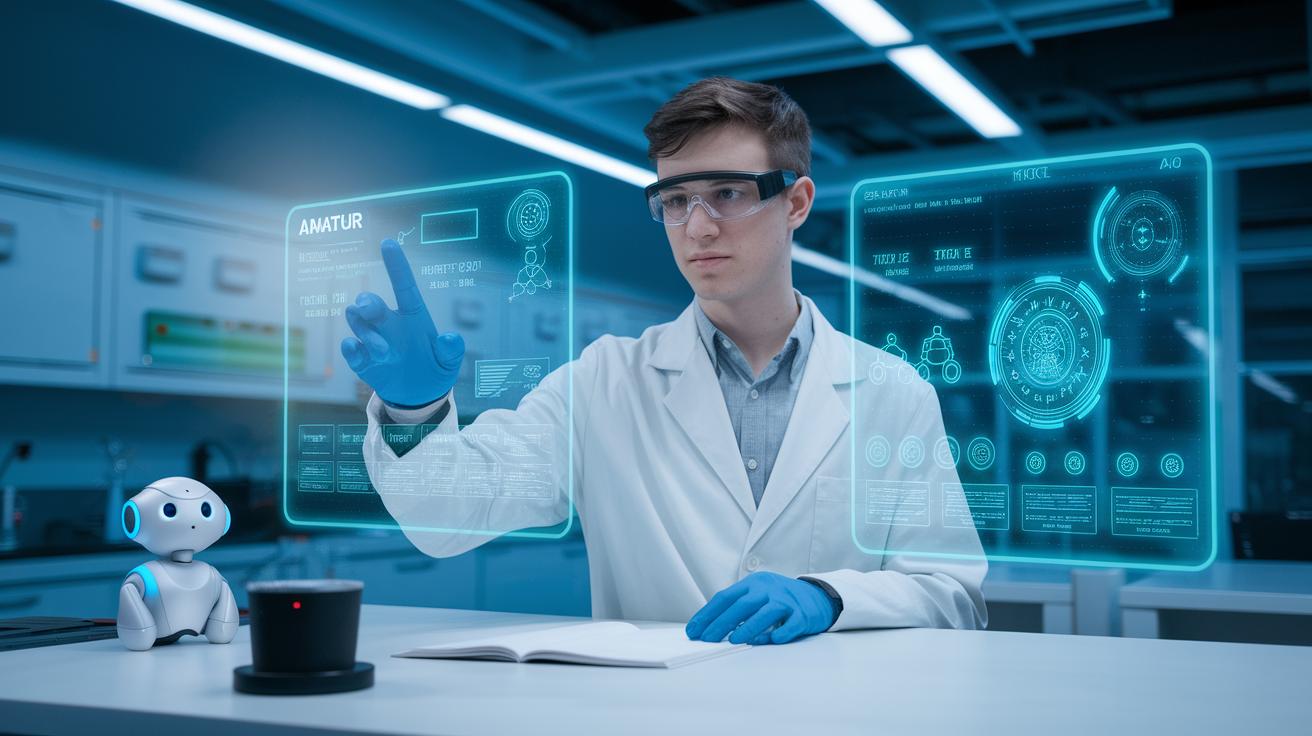
Smart labs are using artificial intelligence to set up experiments and spark fresh ideas. These labs turn everyday instructions into detailed plans using helpful tools like Generation, Reflection, Ranking, Evolution, Proximity, and Meta-review. They even run simulated debates and ranking tournaments to constantly improve each approach. This means researchers can easily run automated workflows that speed up experiments, find new drug uses, and fine-tune lab tests.
AI Co-Scientist Hypothesis Generation
AI co-scientist systems take simple, everyday language and turn it into solid research ideas. They check and recheck their own suggestions to make sure experiments are strong. For instance, one test showed how an AI idea quickly repurposed a molecule called KIRA6 to reduce KG-1 cell survival, opening up a fresh way to think about treatment in just minutes.
Robotic Trial Systems & High-Throughput Screening
Robotic trial systems, paired with high-throughput screening, help process thousands of compounds every week. These clever systems rely on machine learning (computers learning from data) to handle repetitive tasks so that researchers can focus on making sense of the results. By speeding up screening and organizing large-scale tests, they make it much easier to spot potential breakthroughs.
Augmented Laboratory Testing & Virtual Trials
Digital twin experiments and computer-based trial simulations add a practical twist to lab work. Augmented laboratory testing uses virtual trials to copy real-life conditions, giving scientists a safe space to check treatments like those for liver fibrosis. The results often show notable improvements over standard tests, giving labs a head start with faster and even more reliable findings.
Accelerating Drug Discovery with AI Computational Methods
AI is changing the way we find new medicines. It uses smart computer methods to spot targets in drug research and even find new uses for old compounds. In-silico models (which means running tests on a computer rather than in a lab) can quickly predict how well a molecule will attach to its target. This speedy process can cut the search time for potential drugs by about 50 percent, so scientists can focus on the most promising options before diving into expensive lab tests. Learn more about this AI-powered drug discovery revolution in medicine
Automated high-throughput platforms are a big part of this change. They can screen tens of thousands of compounds each week, figuring out which ones might work best. With powerful machine learning tools backing them up, these systems quickly analyze vast chemical libraries. Predictive modeling (using math to guess outcomes) helps chemists tweak molecular structures, which means fewer setbacks in the later stages of development.
Real-world examples show just how impactful AI has become in pharmaceutical research. One exciting case involved an AI co-scientist that repurposed a drug called KIRA6 to tackle acute myeloid leukemia. It even uncovered clues about how antimicrobial-resistance genes might be spreading. Such breakthroughs not only speed up the research process but also make predictions about drug performance much more reliable. By weaving together large amounts of biological data with top-notch computer techniques, researchers are rapidly moving from ideas to life-saving therapies.
Advanced AI Computational Strategies: Quantum Synergy & Next-Gen Algorithms
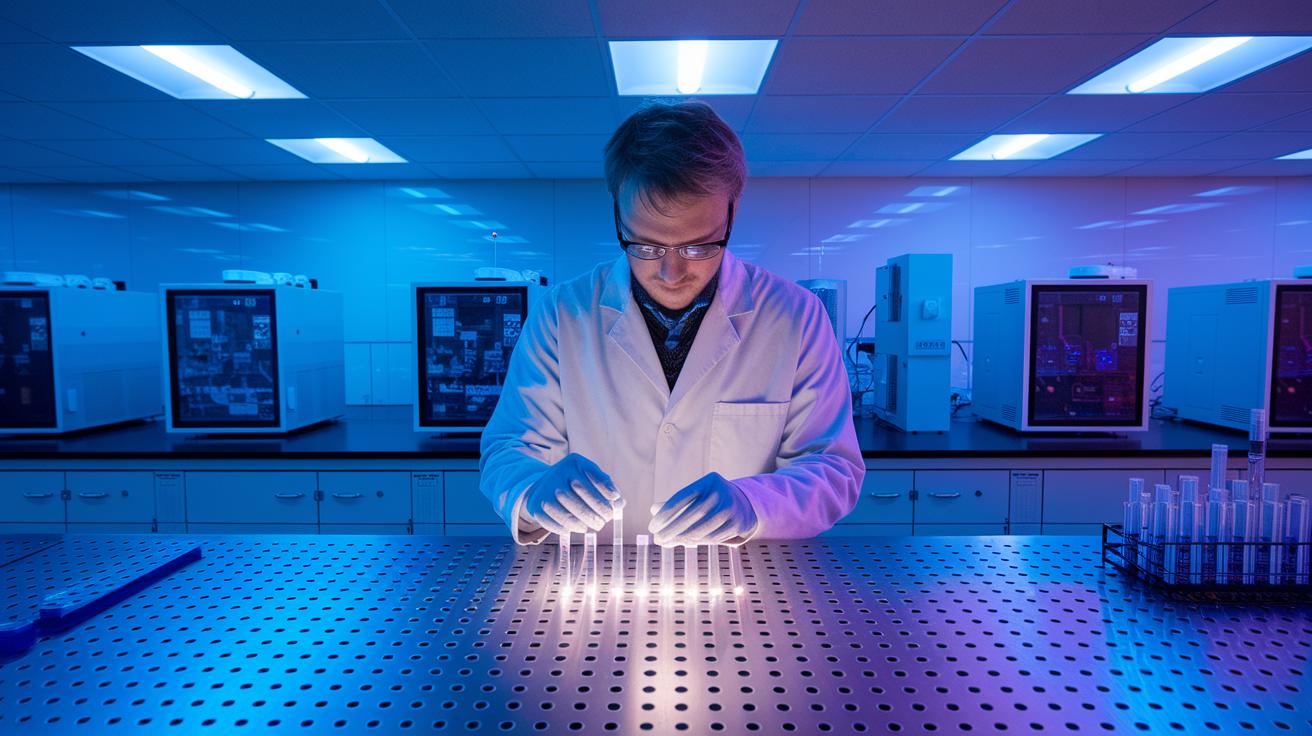
Recent advances have changed how we simulate chemical reactions and develop new materials. Back in 2022, teams from UC Berkeley and Columbia joined forces to run the biggest quantum computer chemistry simulations ever. They managed to get results that were as reliable as older models, even without heavy error checking. Now, quantum-AI hybrid systems (which mix the unique strengths of quantum computing and artificial intelligence) can predict how chemical reactions occur with impressive accuracy. This blend of technologies is not only pushing the boundaries of how we study chemical behaviors but is also unlocking new ways to create smart materials and improve energy tech.
At the same time, next-gen algorithms and deep-learning methods are rethinking how we test theories and solve problems in science. For example, transformer-based graph neural networks (a type of deep learning tool that handles data structured like a network) used in projects like AlphaGeometry can fine-tune simulation processes and boost math skills. These improvements mean scientists can finish both theoretical studies and lab tests quicker than ever, finding clear solutions in less time. With these smart algorithms, research that once took forever is now possible, sparking breakthroughs in how we understand and build the very stuff that makes our world.
Ethical Challenges & Future Directions for AI in Scientific Discovery
AI in labs still faces big challenges. For instance, they sometimes struggle with checking facts and doing full literature reviews (careful reading of all the related work). This can make it hard to repeat results when a computer discovers something new. Even with exciting breakthroughs, like better predictions for protein shapes, we need tougher checks and stronger guidelines to be sure the findings are solid.
Some programs, like the Trusted Tester Program, let approved research groups try out AI as a co-scientist. And by using open-source tools (free, shared software), we’re building a space where computer discoveries can be looked over and improved. This kind of careful checking helps make science open and reliable, a goal that many believe can change how research is done.
Looking ahead, the mix of AI, quantum computing (super powerful computers), and human know-how is really promising. When we combine smart computer predictions with hands-on lab work, we can fill in the gaps that exist right now. Plus, with innovations like the upcoming AlphaFold 3 and smarter AI helpers working across different subjects, it feels like a closer, more useful partnership between computer science and lab research is just around the corner.
Final Words
In the action, artificial intelligence drives remarkable advancements across proteins, weather forecasting, lab automation, drug pipelines, and quantum simulations. Each breakthrough shows AI’s vital role in reshaping science so our daily lives can benefit from faster, smarter research.
data-driven discoveries fueling science breakthroughs
This blend of computational power and human insight brings hope and progress. It reminds us that artificial intelligence in scientific discovery: breakthrough applications continue to fuel innovation and spark optimism for a brighter future in science.
FAQ
What does “Scientific discovery in the age of artificial intelligence pdf” refer to?
The term “Scientific discovery in the age of artificial intelligence pdf” refers to a document that explores how AI tools accelerate and transform research across multiple scientific fields.
How does artificial intelligence in science and technology work?
The idea behind artificial intelligence in science and technology is that smart computer systems process large data sets, automate research tasks, and refine experiments to speed up scientific progress.
How is AI speeding up scientific discoveries?
The role of AI in speeding up scientific discoveries includes rapidly analyzing complex data, automating experiments, and providing predictive models that help researchers reach conclusions much faster than traditional methods.
What are some examples of AI in science?
The examples of AI in science include AlphaFold predicting protein structures, advanced weather and flood forecasting models, and systems that detect wildfires quickly, all of which demonstrate AI’s powerful role in research.
How do artificial intelligence, scientific discovery, and product innovation work together?
The connection between artificial intelligence, scientific discovery, and product innovation is that AI-driven research informs faster testing, development, and market introduction of innovative products by streamlining data analysis and experimentation.
What is the AI scientist and its move towards fully automated open-ended scientific discovery?
The AI scientist concept means developing systems that effortlessly generate hypotheses and design experiments, moving research into a mode where computers carry out tasks traditionally performed by human scientists.
What does “towards an AI co-scientist” imply?
The term “towards an AI co-scientist” implies that AI systems are evolving to support and work alongside human researchers by refining experimental approaches and improving data analysis in an interactive way.
How is artificial intelligence used in scientific research?
The use of artificial intelligence in scientific research involves deploying smart algorithms to analyze data, assist in experiment design, run simulations, and even automate lab procedures, all aimed at enhancing research efficiency.
What scientific breakthroughs has AI made?
The breakthroughs made by AI include rapid protein structure prediction, improved environmental forecasts, efficient material discoveries, advanced quantum chemistry simulations, and innovative approaches to mathematical problem-solving.
How does AI help with scientific discovery?
The help provided by AI in scientific discovery comes from its ability to quickly interpret massive datasets, generate effective experimental strategies, and simulate outcomes, thereby accelerating research and reducing trial times.
Which AI stock is good to buy?
The idea that which AI stock is good to buy means finding investments in companies heavily involved in AI research and technology; it is wise to conduct personal research and possibly consult a financial advisor for tailored advice.
What is the 30% rule in AI?
The notion behind the 30% rule in AI is that some systems show roughly a 30% boost in efficiency after reaching certain performance thresholds, though this guideline can vary depending on the technology and application involved.

