
Ever wondered if our trips to space really improve life on Earth? Early satellites helped us make cleaner water, smarter technology, and even greener energy. These bold steps in space led to everyday tools we now take for granted.
It is amazing how exploring space sparks inventions that make our lives better. In this post, we look at how reaching for the stars has brought us benefits, creating a safer, cleaner, and more connected world.
Benefits of Space Exploration: Propelling Progress
Space exploration has helped us see the universe in new ways and inspired new ideas that touch almost every part of life on Earth. Back in the 1950s, when we launched the first man-made satellite, we set off a path that would make our world safer, greener, and more connected. This early work led to surprising findings, like how fluids mix differently when there is no gravity, which later helped improve everyday manufacturing. And here’s a fun fact: Before becoming a world-renowned scientist, Marie Curie used to carry test tubes of radioactive material in her pockets, she had no idea how dangerous they were, and her story reminds us that even risky paths can lead to great discoveries.
The space program has also given us real, useful technologies. During the Apollo days, scientists developed a system using silver to clean water, a trick that now helps supply safer drinking water on Earth. Today, researchers are even exploring ways to gather solar power from space. Imagine catching endless sunshine to power our homes, that’s one idea that could change how we make electricity.
There are plenty of economic wins, too. As it costs less to launch rockets now, new businesses are emerging, creating jobs and offering better satellite services for weather tracking, farming, and disaster relief. Also, when countries team up on space missions, it’s not just science that gets richer. These partnerships bring cultural exchanges and educational benefits that help push the whole world forward.
Technological Spin-offs and Engineering Breakthroughs from Space Exploration
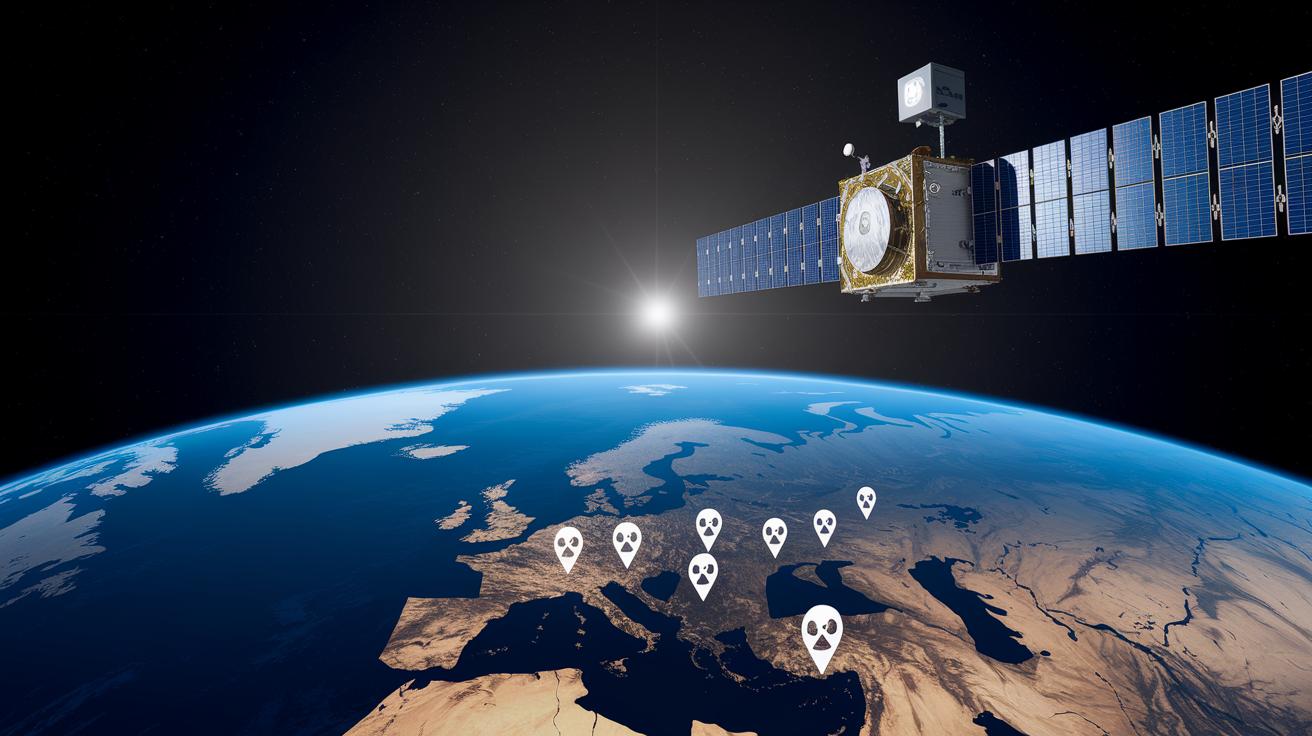
Our everyday tech comes with a bit of a space-age twist. Space missions have led to neat breakthroughs that affect the gadgets and tools we use daily. For example, SpaceX has managed to cut launch costs, which makes it easier and cheaper to send satellites into orbit. Companies like Planet and Maxar have also mastered shrinking technology (making things smaller and simpler) so that we can get sharper images of our planet. These inventions keep our weather apps, communication systems, and maps running smoothly.
One exciting idea coming out of space research is building solar power systems in orbit. These systems harness the sun’s light from above the clouds, offering us a steady, clean flow of energy. Imagine lighting up your community with a power source that seems to catch endless sunshine, it’s a pretty cool thought.
The story of better rocket engines goes way back to early innovators like Konstantin Tsiolkovsky in 1903 and Robert Goddard in 1926, who built the first liquid-fueled rocket. Their early work is a bit like swapping out your regular bike for a motorbike; suddenly, what used to take forever happens in a flash, opening up new possibilities for travel.
Today, advances in docking systems and the clever design of autonomous spacecraft have even influenced how we manage ships and airplanes. It shows just how much our everyday life on Earth is linked to the bold steps taken in space exploration.
Scientific Discoveries and Research Innovations from Space Missions
Space telescopes like James Webb give us amazing images that show how fast the universe is growing. Imagine having a camera so powerful that it can capture the tiniest details of far-off galaxies. It’s like standing at the edge of the cosmos, watching stars being born and galaxies crash into each other. These super-detailed pictures have taken our space knowledge to a whole new level.
Then there’s TESS, another cool mission that studies the air around planets outside our solar system to look for clues about life. Think of it as peeking into the kitchen of a distant world to see if it has the right ingredients for life. Mars rovers and China’s Chang’e lunar probes add exciting twists to our story by uncovering water ice and Helium-3 (a rare gas that might power future energy breakthroughs).
Out in space, labs that float in zero gravity let scientists run experiments that just can’t be done here on Earth. They explore everything from the tiny forces of gravity to how materials behave in unusual ways. These out-of-this-world tests are reshaping our ideas about how things like gravity and magnetism work.
All these space experiments aren’t just about exploring the universe around us; they also help us answer big questions about matter, energy, and the very nature of reality. Isn't it fascinating how space travel turns into a quest for understanding the secrets of the cosmos?
Advancements in Medical and Biotech Research Driven by Space Exploration

Space labs like the ISS and Tiangong Station give scientists a one-of-a-kind place to study how our bodies work. In microgravity (when gravity is very weak), proteins form crystals in a very neat and even way. It’s almost like watching a tiny sculpture build itself right before your eyes. This neat trick helps scientists design new drugs that were too tricky to make on Earth.
Experiments in space are also teaching us more about stem cells and helping us print tissue scaffolds, which are like frameworks for new body parts. By seeing how cells behave when they float, researchers are finding fresh ideas for treatments that repair damaged tissues. Plus, by looking closely at astronaut health, we’ve learned about bone loss, changes in heart function, and the effects of radiation. These important clues are leading to new ways to stop bone problems and protect us from harmful rays.
Testing new gadgets and ways to treat problems in space is laying the groundwork for better medicines here on Earth. It’s exciting to see how exploring space not only helps us understand the stars but also leads to new treatments that can improve everyday life.
Environmental Monitoring and Sustainability Benefits from Space Exploration
Space research tools have given us a whole new way to watch over our planet. Satellites from NASA, China, Japan, and GHGsat keep track of gases like CO₂ and methane (gases that warm our planet) almost in real time. It’s kind of like having a high-definition camera that captures every tiny detail. Think of it as a super clear city map where every puzzle piece shows a bit of our environment.
This space data helps us see changes in our climate and prepare for natural disasters. When pollution suddenly increases or a storm is on the way, early warnings from space can give a heads-up. That means farmers can tweak their watering plans and emergency crews can be better ready for bad weather, all thanks to information sent from above.
Plus, cool technologies made for the International Space Station are now making a big difference on Earth. Innovations like advanced water purification and silver ionization (using silver to kill germs) were first built for long space missions. Today, they help ensure communities get clean water and manage their resources wisely, even when supplies are low.
In truth, space-derived data is an incredibly useful tool. It helps guide decisions in building cities, farming, and disaster response, making our everyday environments safer and more efficient while protecting the natural world.
Economic Growth and Commercialization Fueled by Space Exploration
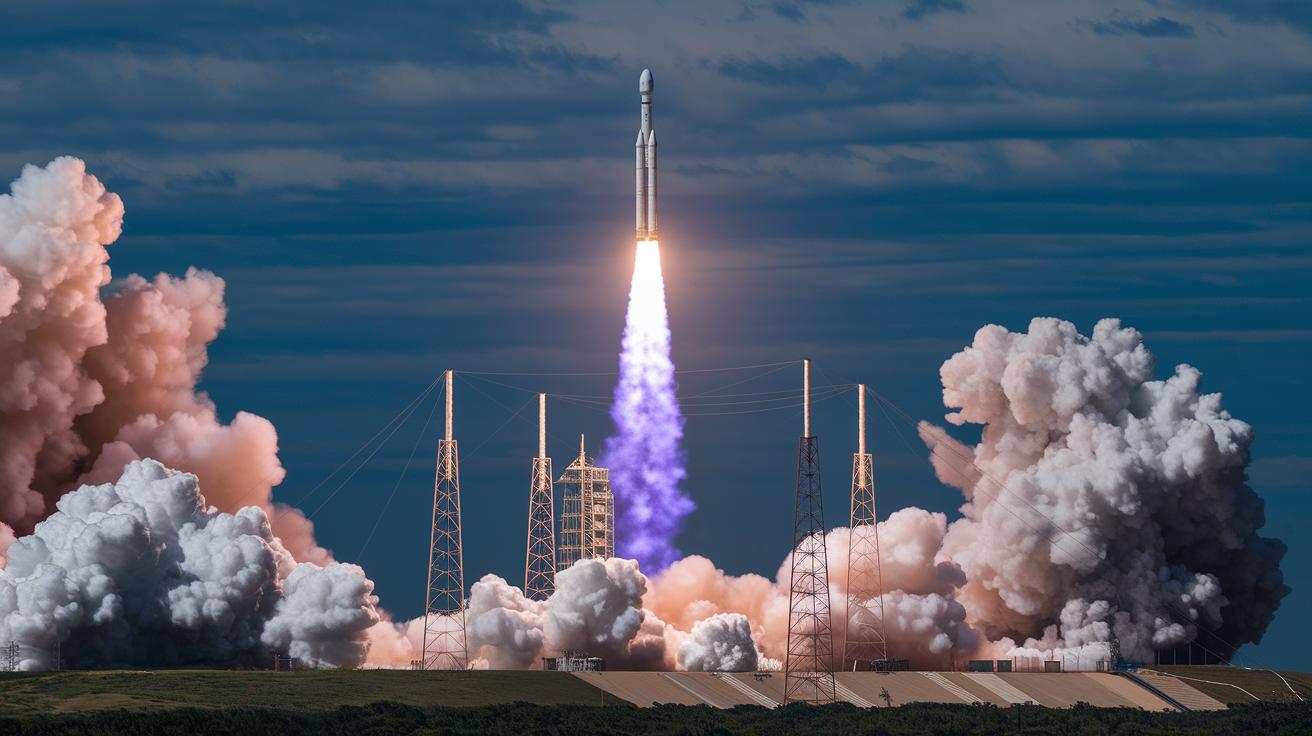
Space exploration is fueling real progress here on Earth. Cheaper rocket launches have given a big boost to the satellite industry, helping companies like SpaceX, Planet, and Maxar open up new markets. With lower costs, it's now easier to put groups of satellites into orbit. These satellite groups help us track the weather better, improve farming techniques, and monitor our environment, all clear signs that space ventures are creating economic growth.
Private money is driving a big change in the space economy. Companies such as Virgin Galactic, Blue Origin, and Axiom Enterprise are turning the dream of space travel into a reality. Imagine buying a ticket to see our planet from hundreds of miles up, a thrilling idea that is changing how we think about travel and adventure. These companies are not only widening tourism but also pushing forward research to make space travel safer, which could lead to new improvements in transportation here on Earth.
At the same time, the use of orbital technology is making its mark in small, specialized markets. Firms like Space Forge and Varda are taking advantage of the low-gravity environment in space to develop new drugs and microchips (tiny computer parts). Making products in space might offer better performance than what we can achieve on Earth, opening up exciting new paths for industry and business.
Together, the growth in satellite technology, inventive space tourism, and advanced space manufacturing show how private investments in space are sparking economic growth and changing entire industries. Every new idea and venture makes up a larger story, a strong space economy that is paving the way for a future with more accessible and diverse markets for everyone.
Educational and Inspirational Impacts of Space Exploration
Space missions have turned boring classroom lessons into real adventures. Ever since Apollo 11 landed on the moon in 1969, more students started choosing physics and engineering, showing that watching space history make itself happened opens up a whole new universe of possibilities. Imagine a young student looking up at a clear, star-packed sky and dreaming of building their own satellites, all because they saw humans step on the moon.
The excitement about space spills over into lots of STEM programs that go way beyond regular school settings. Local science centers, planetariums, and interactive workshops bring the thrill of space right to our fingertips. They let students explore ideas like orbital mechanics (how things move in space) and robotics in a hands-on, fun way. Plus, NASA teams up with schools and online platforms to share cool behind-the-scenes moments and real projects that feel like actual space missions, guiding curious minds toward careers in space and tech.
All this outreach changes how future scientists and engineers see themselves. It turns everyday lessons into an open door to adventure, sparking passion and innovation both in class and in life.
International Cooperation and Diplomatic Benefits of Space Exploration
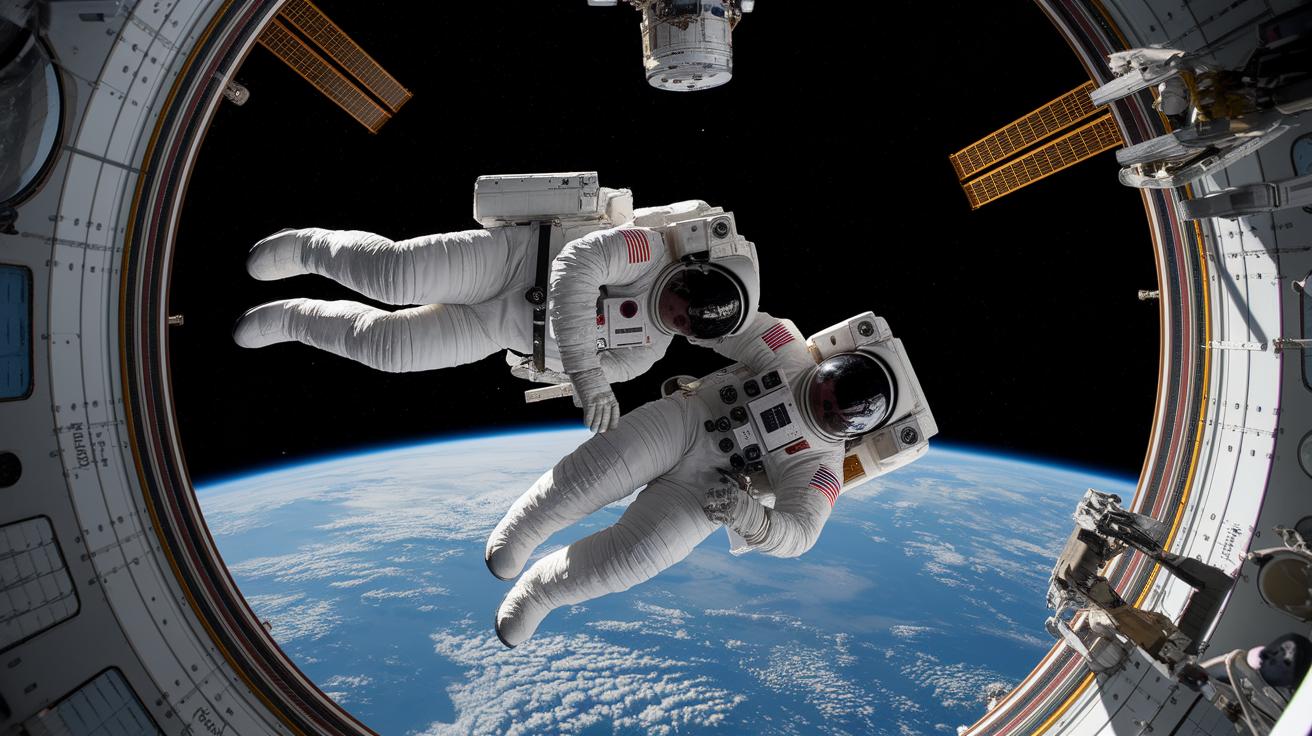
Space exploration has always been a way for countries to come together. Even during challenging times like the Cold War, the United States and the Soviet Union joined forces on space projects, easing political tensions and building trust beyond everyday disputes. The International Space Station is a great example of this teamwork. It brings together experts from around the world to solve scientific problems while strengthening global connections.
Today, collaborations are growing even more exciting. For instance, working with China’s Tiangong Station adds a fresh twist to international space missions. Teams from many countries are now sharing satellite data and research, which helps spark conversations and create joint scientific plans across different lands. This kind of global team effort not only speeds up scientific discoveries but also opens new paths for peace and diplomacy.
When scientists from various nations work side by side on a shared space project, they build bonds that can even influence big policy decisions. It really shows that scientific exploration does more than unlock the mysteries of the universe, it also helps unite people, bringing different cultures together through constant dialogue and collaboration.
Future Prospects: Emerging Frontiers in Space Exploration and Their Benefits
NASA’s Artemis program along with China’s Chang’e missions are getting ready for some truly exciting moon trips. By 2030, they plan to send several probes, bring astronauts onto the moon’s surface, and even create small bases there. Imagine stepping onto the moon and seeing a human outpost, it’s a first step toward exploring even deeper into space.
New propulsion methods like nuclear-thermal (using nuclear heat to generate thrust) and electric propulsion (using electric power to chase the stars) promise to shave travel time to Mars significantly. Think of it like swapping out a slow ride for a high-speed train on a cosmic highway. Shorter travel times mean more time for hands-on experiments and far-out research, which will help us learn a whole lot more about our universe.
Money for these space adventures is also getting a boost. Private companies and fresh public-private partnerships are teaming up to steady the flow of funds for deep space missions. This steady financial backing means more missions can take off, each one paving the way for better gadgets, smarter tech, and international teamwork in science.
These new technologies and funding ideas won’t just lead to technical breakthroughs, they’re also setting the stage for global cooperation. Fresh propulsion methods and smart financing will continue to drive space exploration forward for years to come, inviting us all to be part of this incredible journey.
Final Words
In the action, we explored how space missions spark new tech, scientific breakthroughs, and smarter healthcare. We also saw how orbital observations shape our understanding of the environment and boost economic growth. The conversation touched on how collaboration in space helps unite nations and inspires education around the globe.
Every discovery reinforces the benefits of space exploration, proving our curiosity leads to real progress on Earth. Stay excited, and keep wondering about what’s next in the cosmos!
FAQ
What are some benefits of space exploration?
The benefits of space exploration include driving technology innovation through better satellites, boosting the economy with new markets, and expanding our scientific knowledge about Earth and the universe.
What are the pros and cons of space exploration?
The pros of space exploration are advanced technologies, economic growth, and scientific insights, while the cons involve high expenses, astronaut safety risks, and potential environmental impacts from launches.
How can exploring space benefit us?
Exploring space benefits us by inspiring new tech that improves daily life, refining Earth observation systems, creating skilled jobs, and encouraging global scientific collaboration.
What are the disadvantages of space exploration?
The disadvantages of space exploration include steep costs, inherent risks associated with manned missions, and environmental concerns due to rocket emissions.