
Have you ever thought that nature might help us solve tough engineering challenges? Scientists and engineers are taking cues from animals and plants to create smarter healthcare devices, improved sports gear, and eco-friendly designs. Imagine a prosthetic limb that moves just like a real arm.
In this article, we'll dive into how imitating nature helps spark inventions that work smoothly and reliably. We'll show you how these biomechanical breakthroughs merge the workings of natural systems with modern engineering (the process of designing and building things) to bring solutions that make our daily lives better.
Merging Natural Systems and Engineering: Biomechanics Breakthroughs Overview
Engineers and scientists are learning a lot from nature. They study how animals and plants work to solve problems in healthcare, sports, and eco-friendly designs. They use a method called biomimicry (which means copying nature's own techniques) to create solutions that match how living things move and function. For example, they design prosthetic limbs inspired by the smooth, natural movement of living creatures.
Bioengineering brings together ideas from engineering and biology. It uses tools like MRI, CT, and ultrasound (scans that let doctors see inside your body) along with smart techniques to repair tissues. Researchers are also using stem cells (cells that can turn into many types of cells) to rebuild or replace damaged parts of our bodies. In sports, biomechanics looks at how muscles and tendons work, which leads to equipment designed to prevent injuries and boost performance. One study even took hints from the stretchy nature of animal tendons to build soft robots that mimic how natural systems handle strength and flexibility.
All these ideas come together to create engineering solutions that work really well and help the environment. Some examples include devices that support our natural movements and tissue-engineered implants that improve recovery. Engineers also learn from the clever ways birds, mammals, and sea creatures move, which helps them design systems that use energy wisely and reduce stress on mechanical parts.
By keeping a close eye on nature’s own systems, these breakthroughs show us how the world’s most reliable designs can inspire innovations that make life better for everyone.
Biomechanics in Motion: Gecko Adhesion and Animal Motility Concepts
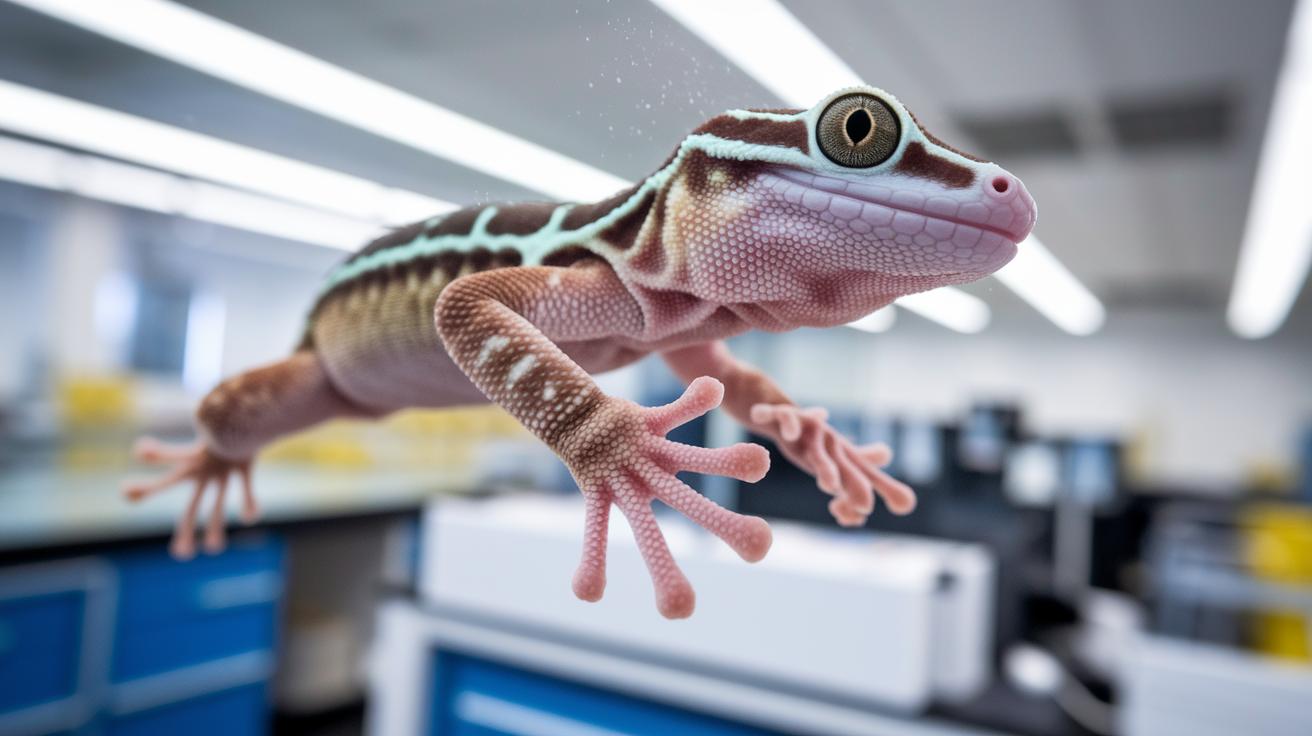
Scientists have spent years studying geckos and their amazing toe structures. They discovered that tiny setae (microscopic hairs) on the gecko’s foot let these little creatures cling to walls and ceilings. This natural trick inspired researchers to design man-made adhesives. Imagine someone scaling a glass wall, all thanks to technology that borrows from thousands of microscopic grips on a gecko’s foot!
These studies have taught engineers about tendon elasticity, the way a tendon stretches and snaps back, and the unique layout of muscles in a gecko’s feet. In truth, these insights have helped spark new designs in soft robotics. Now, robots are built with gripping tools that mimic gecko movement, allowing them to handle delicate jobs with improved balance and precision.
Key breakthroughs include:
- Gecko-inspired adhesives that stick to many different surfaces.
- Soft robotic grippers that copy the natural flexibility found in gecko feet.
- New materials that duplicate the stickiness of gecko adhesion, even supporting loads as heavy as those needed for human use.
Each of these advancements brings us one step closer to creating machines that move with the grace and agility of animals. The magic truly lies in translating nature’s clever designs into innovative tools and robotic solutions.
Biomechanics and Marine Hydrodynamics: Shark Skin and Whale Fin Innovations
Engineers are taking notes from nature to design better blades and propellers. They studied the small bumps on whale fins (called tubercles, which help lift and keep things stable) and used that idea to make wind turbine blades that can catch more wind, even when it’s gusty. It’s a bit like how a bird’s wing adjusts when flying in swirling air. Imagine a wind turbine with bumpy, curved edges that scoop up extra energy from the wind. Really cool, right?
Another breakthrough comes from studying shark skin. Researchers looked at tiny scales on sharks’ skin (known as dermal denticles), and they discovered that a film modeled after these scales can cut drag by up to 8% on boats and underwater robots. Lower drag means that vehicles use less energy to move smoothly through water. One study even pointed out that before these nature-inspired ideas, ships often battled with heavy resistance. It shows just how many ready-to-use solutions we can find by watching animals in their natural environment.
These marine secrets are sparking fresh ideas across many fields. In truth, by mimicking what nature does so well, engineers are building designs that not only work better but also help save energy, both in the air and in the water.
Biomechanics Insights for Architectural Nature Emulation: Kingfisher-Inspired High-Speed Engineering
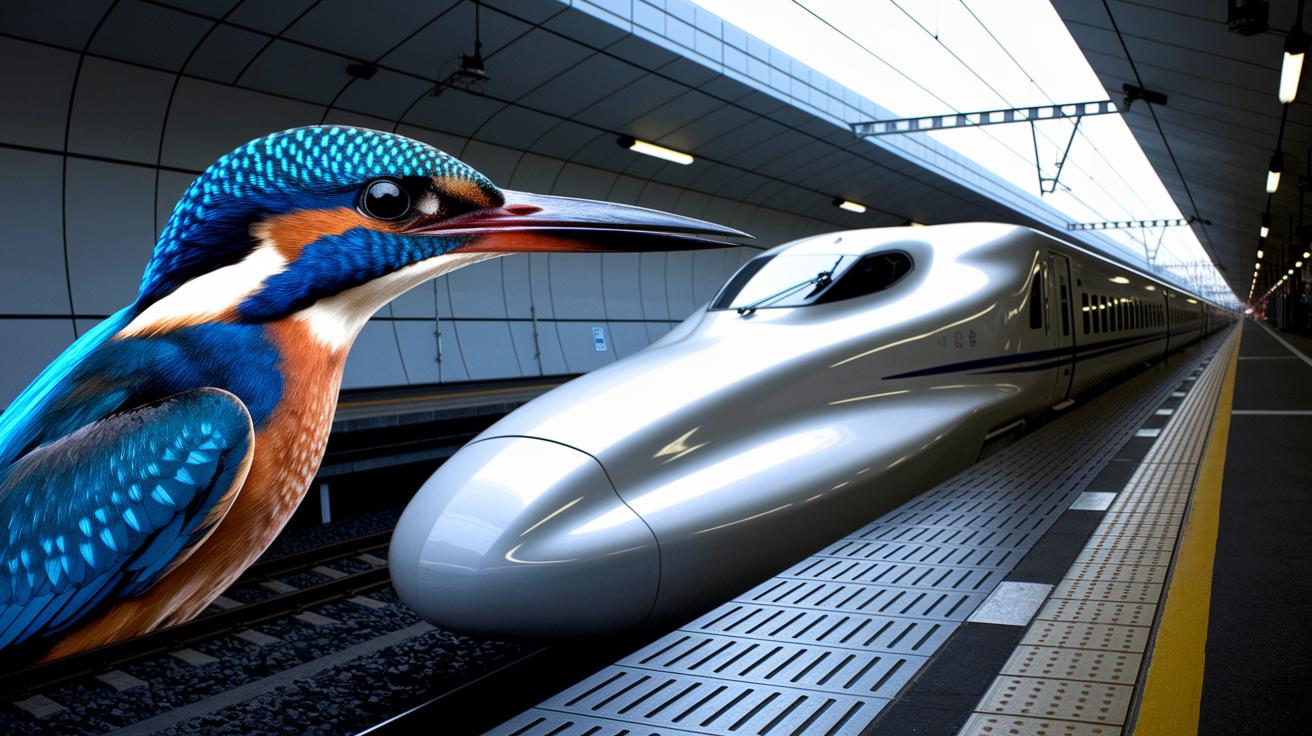
Japanese engineers looked at the kingfisher’s beak for a cool idea to improve the nose of the Shinkansen train. Imagine a bird that dives into water without creating a big splash, that clever beak shape now helps trains slip quietly and smoothly through tunnels. The smooth, pointy shape of the kingfisher’s beak cuts through the air and water, lessening resistance. Thanks to this design, trains can now travel over 300 km/h, save around 15% of energy, and even lower tunnel noise by about 10 decibels.
The team spent a lot of time measuring, using computer models, and testing in wind tunnels (rooms where engineers blow air to mimic outdoor conditions) to copy the beak’s graceful curve. By doing so, they made the train’s body slice through the air more cleanly, reduced vibrations, and cut back on energy loss. In short, nature’s own design helped create an engineering marvel that not only speeds you along but also makes for a smoother and quieter ride. Isn’t it amazing how nature can spark such innovative ideas?
Engineering Superhydrophobic and Water-Harvesting Surfaces: Lotus Effect and Namib Beetle Strategies
Engineers are now taking a page from nature’s playbook to handle water and oil problems. The lotus flower, for instance, has tiny waxy bumps (small structures you can barely see) that help it push water and oil right off its surface. It’s amazing how the flower stays pristine even when splashed with muddy water, it almost cleans itself!
On the flip side, the Namib Desert beetle shows a different kind of cleverness. Its shell is designed with spots that are friendly to water in one place and unfriendly in another. This pattern lets the beetle capture moisture from fog in the dry desert without any moving parts. It works like a tiny collector, gathering water just by being there.
| Breakthrough | Description |
|---|---|
| Lotus Coatings | Surfaces designed to repel water and oil, keeping buildings and vehicles cleaner. |
| Water Harvesting Systems | Designs inspired by the beetle’s shell that capture moisture from the air in dry regions. |
These nature-inspired designs offer simple, low-maintenance ways to solve everyday challenges with water and oil. Isn't it cool how nature holds the answers to some of our toughest problems?
Engineering Advanced Materials: Spider Silk Strength to Velcro Hook Innovations
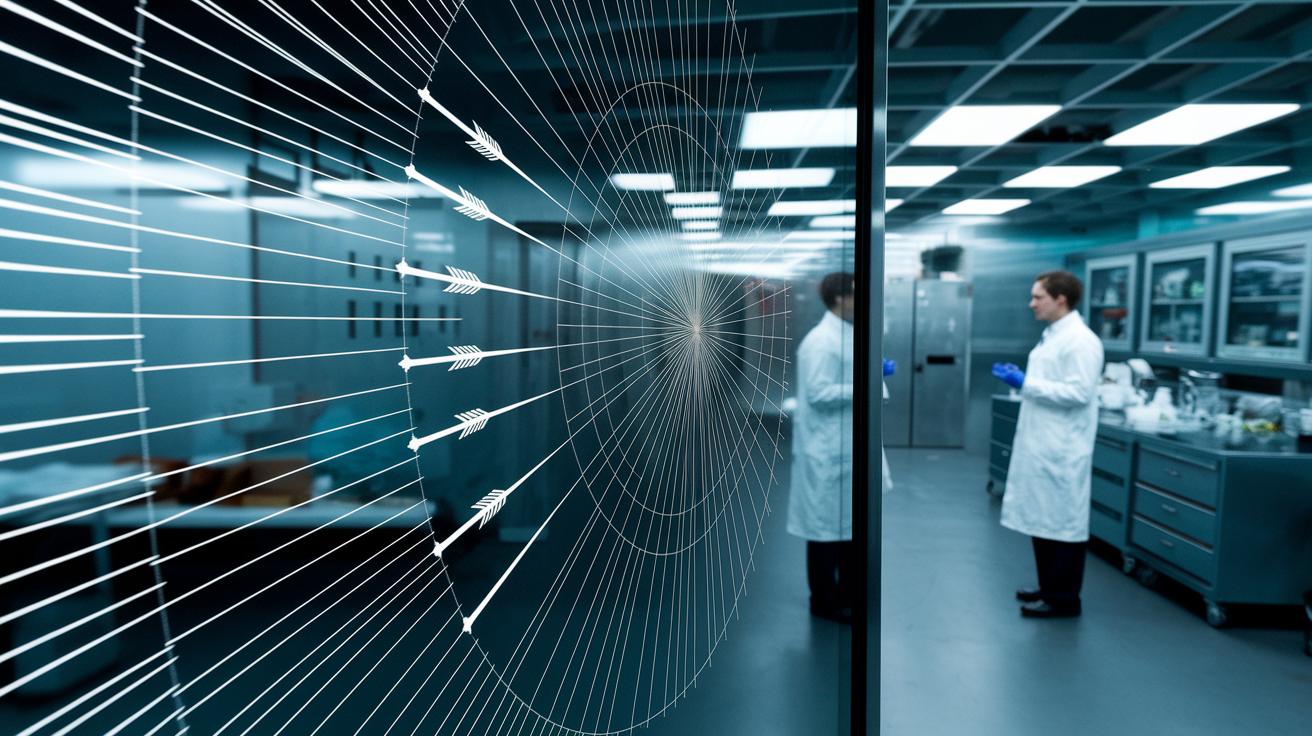
Spider silk has really caught the eye of engineers because it’s incredibly strong and tough. This natural fiber is famous for how well it can soften a hit (it spreads out impact energy), which has led scientists to imagine glass coatings that absorb shocks better.
Imagine a window that handles bumps just as gracefully as a spider’s web holds its shape. Researchers have noticed that spider silk can stretch a lot before it breaks. This discovery has inspired new ways to mix materials so that they are both durable and flexible.
Similarly, tiny burr hooks have shown us nature’s own method for sticking things together. Scientists studied the small polymer hooks and loops on these burrs and saw how they work like a natural fastener. One researcher even thought, "What if we could copy this clever grip?" That idea grew into Velcro, a simple fastening system used in everyday clothes and even in the aerospace field.
When ideas from spider silk and burr-inspired Velcro come together, engineers create new composite materials that are light, strong, and ready to handle impacts. These innovations are opening the door for safer and more efficient products in many different industries.
Engineering Energy Harvesting Strategies: Lessons from Butterfly Wings
Scientists have learned something really cool from the delicate wings of the rose butterfly. The tiny scales on these wings work like mini prisms, capturing and bouncing light from every angle, kind of like a natural solar concentrator. It’s amazing to think that something as small as a butterfly wing can inspire technology!
By mimicking the butterfly’s design, engineers have come up with solar panels that have a textured surface to trap more light. In simple tests, these panels boosted energy efficiency by more than 12% when the light was soft or scattered. Think about how sunlight filters gently through a canopy of leaves; even on cloudy days or in indirect light, these panels do the job.
This breakthrough not only means more energy from the sun but also brings a smarter, nature-inspired way to design solar panels. With nature as their guide, scientists are rethinking how we capture energy, turning everyday sunshine into a more dependable power source for our future gadgets and homes. Isn't it cool how a tiny butterfly can spark such big ideas for cleaner energy?
Bioengineering and Biomechanics Integration: Life-Inspired Prosthetic Advances
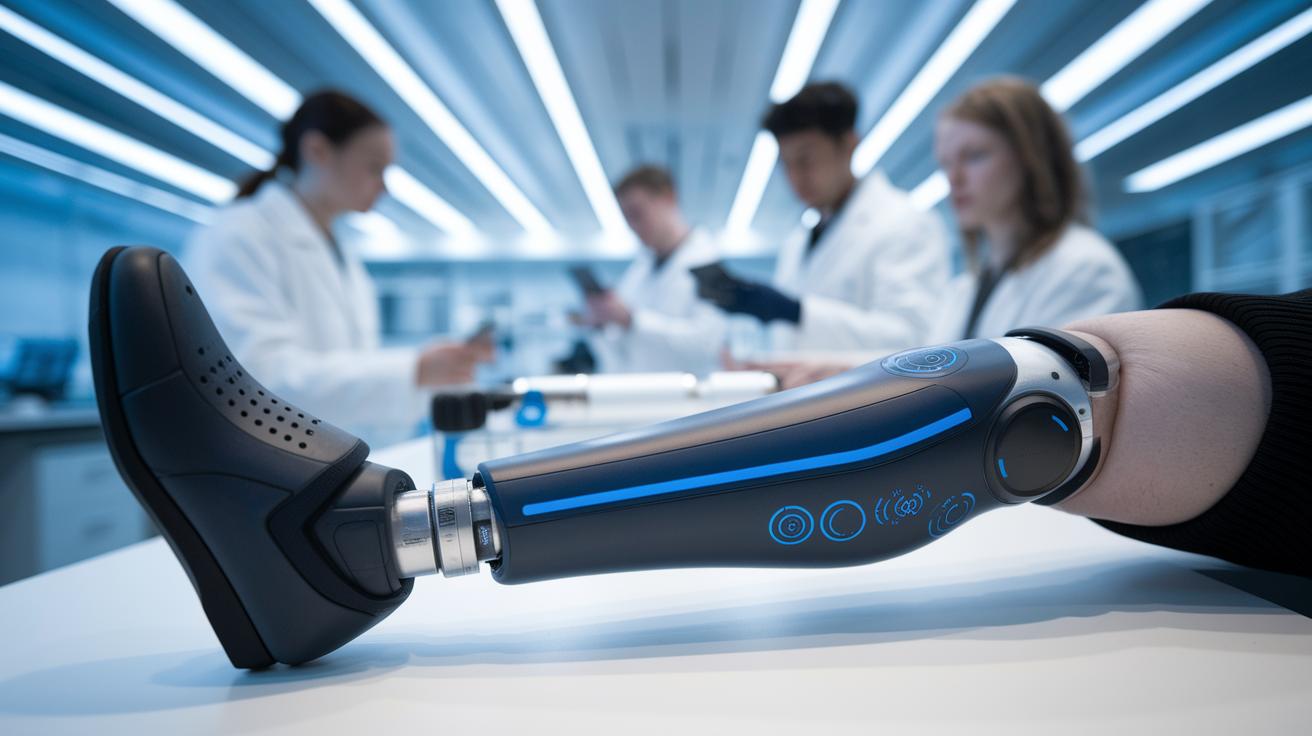
Recent progress in prosthetic design shows how nature’s clever tricks can help us build smarter, more lifelike devices. Engineers have mixed bioengineering with biomechanics to create limbs that mimic brain signals (the messages your brain sends to control movement) and use smart control systems. These devices move more naturally and even improve how evenly you walk by 20%. Imagine a leg that senses every tiny motion and matches it perfectly, just like a real one.
Scientists are also exploring tissue engineering and regenerative medicine (techniques that help regrow body parts) to make implants feel like they belong to you. By using muscle fibers grown from stem cells (tiny cells that can turn into muscle), they’re designing prosthetics that integrate with your body’s own tissues. Believe it or not, some new limbs move so smoothly that wearers say they feel as natural as biological arms and legs. This work isn’t just about performance, it’s also about making movement comfortable and intuitive.
Dr. Cassandra Donatelli at Chapman University shows us how this all comes together. Her work on adaptive prosthetic interfaces even earned an IEEE Best Paper Award on June 15, 2023. She measures simple things like walking symmetry and brain signal responses to push new boundaries. And, of course, all these projects follow strict safety, ethical, and regulatory rules to ensure high quality before they reach patients.
Key case studies include:
| Case Study | Description |
|---|---|
| Neural-Feedback Prosthetics | Limbs that use circuits to sense and respond to brain signals. |
| Stem-Cell Implants | Devices made with muscle fibers grown from stem cells, integrating with natural tissues. |
These innovations show an exciting path where nature’s design meets advanced technology, giving people improved mobility and a more natural experience in everyday life.
Final Words
In the action, we saw nature fueling innovation. From gecko-inspired adhesives and kingfisher-shaped trains to superhydrophobic surfaces and energy-harvesting solar panels, the blend of biology and engineering sparks practical solutions. Researchers use natural strategies to improve prosthetics and marine designs that boost everyday life. These biomechanics breakthroughs: engineering insights from natural systems remind us that science continuously finds smart, life-inspired ways to meet our needs. The future shines bright as we build on these discoveries, paving the way for more breakthroughs in our daily lives.
FAQ
Q: What is bionics?
A: The term bionics describes using nature’s processes to shape technology. It involves applying biological insights to create devices and systems that mimic life’s functions in practical ways.
Q: What is biomimicry and how is it used in engineering?
A: The concept of biomimicry means imitating nature’s designs. Engineers apply these ideas to create improved materials and systems, such as sliding adhesives and water-repellent surfaces, by copying nature’s effective strategies.
Q: What are biomimetic design strategies for biomedical applications?
A: Biomimetic design strategies mimic natural structures to resolve medical issues. They guide the development of tissue engineering approaches and prosthetic devices that replicate the natural movement and function of the human body.
Q: What is a current advancement in biomechanics?
A: A current advancement in biomechanics is the development of prosthetic limbs with responsive controls. These devices use neural-pattern emulation to produce natural movement, offering users enhanced mobility and performance.
Q: What is biomechanics in biomedical engineering?
A: Biomechanics in biomedical engineering examines how living bodies move and function. It combines biology with engineering principles to craft better healthcare devices and treatment methods that improve patient outcomes.
Q: What are the real life applications of biomechanics?
A: Real-life applications of biomechanics include advanced prosthetics, sports equipment designed to reduce injuries, and architectural innovations inspired by natural structures, all contributing to improved efficiency and comfort.

