
Have you ever dreamed of zooming off into space? Blue Origin is gearing up for its next short trip above Earth, where you can float in weightlessness (that amazing feeling of no gravity) and see our planet like never before.
In this post, I'll walk you through the NS-38 mission, explain how to book your spot, and share what makes this flight unique compared to other space trips.
Get ready to learn that your ticket to space might be closer than you ever imagined, and join me in exploring this exciting adventure.
Comprehensive Blue Origin Space Flight Offerings and Booking Process
Blue Origin is inviting you to experience the next level of space tourism with its New Shepard suborbital flights. NS-38 is set for Thursday, January 22, 2026, at 9:30 a.m. EST from Launch Site One in West Texas, a big, exciting step for the company.
This mission marks Blue Origin’s 17th human spaceflight, carrying six space tourists. A last-minute crew swap even showed off the team’s quick and flexible approach. Imagine gazing at the Earth’s gentle curve and feeling the magic of weightlessness. It’s truly a once-in-a-lifetime thrill in today’s space race.
To start your adventure, just follow these simple steps:
- Start with an inquiry and see if you qualify.
- Secure your spot with the reservation deposit.
- Complete the mandatory pre-flight training.
- Make the final payment and sign your contract.
- Arrive on mission day ready for an extraordinary journey.
Tickets come in different tiers that mirror the unique experience and value offered. Your deposit acts as an early commitment fee, and the refund policy is clearly laid out in case your plans change. Payment deadlines are shared right from the start, and the contract breaks down all costs, from the base ticket price to any extra features for an enhanced flight.
Thanks to this clear pricing, flexible crew arrangements, and strong safety measures, you can look forward to an unforgettable space adventure while having a complete understanding of your investment.
Upcoming Blue Origin Space Flight Missions: Schedules and Sites
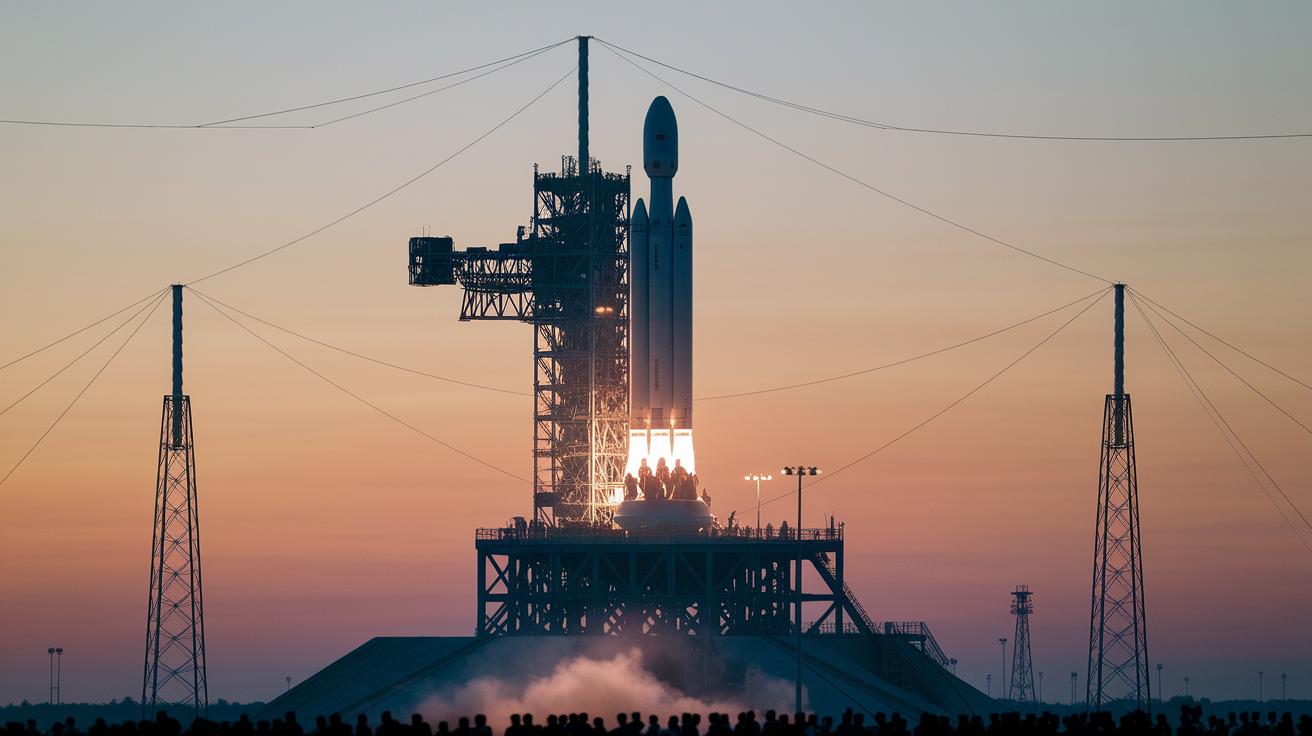
Blue Origin’s NS-38 mission is ready to soar on January 22, 2026 at 9:30 a.m. EST from Launch Site One in West Texas. This mission is a big deal because it will give six new space tourists a quick trip into space. They picked the time and place to take advantage of the best weather and to keep everything safe. Imagine being there as the ship lifts off for the very first human space ride of the year!
Later in 2026, Blue Origin will keep the excitement rolling with more New Shepard flights. These upcoming trips mean more people can enjoy the thrill of space travel, and they help build the company’s growing space tourism adventures. Think of it like a series of fun space trips all year long, each one offering a new way to see our beautiful planet from above.
Looking even further ahead, things get really interesting. Blue Origin is planning to fly more often over time, with new dates to be announced as the year goes on. They’re setting up a routine that shows their commitment to constant innovation and steady scheduling. This way, everyone who loves space can follow along and know when the next big trip is coming.
Blue Origin Space Flight New Glenn Rocket and BlueBird Payload
Blue Origin is all set to launch the New Glenn booster again in late February. They’re reusing many of the rocket’s key parts to test new engineering ideas and make flights cheaper and more efficient. It’s like taking a well-loved tool and giving it a fresh upgrade. This careful mix of innovation and strict safety checks shows just how serious Blue Origin is about taking space travel to new levels.
Along with the booster, the mission will carry the BlueBird satellite. This little marvel is meant to beam faster and steadier Internet around the world. It’s a big part of Blue Origin’s tech lineup, showing off improvements in how rockets push off into space and how signals travel back to Earth. Imagine getting a super-strong connection even in far-off places, it's a real peek into how space technology might change everyday life.
blue origin space flight: Soar to New Heights
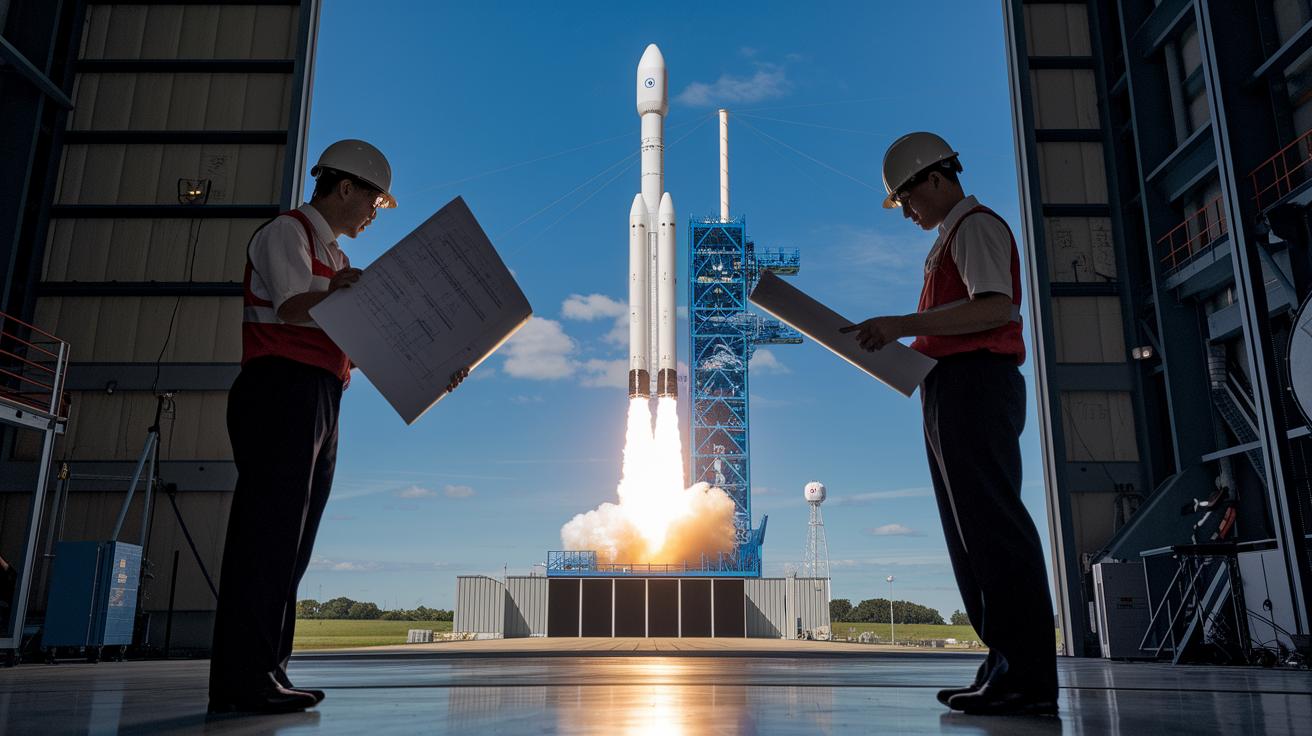
Blue Origin’s rockets are really changing the game in space travel. The New Glenn rocket shows off its clever design by reusing a solid first stage after each flight. It even has upgraded engine parts that make everything run smoother. Meanwhile, the New Shepard has seen some cool upgrades too, like a tougher heat shield and improved onboard electronics (these are the gadgets that help steer the vehicle). All these changes come from careful research and hard work, giving us a neat glimpse into modern space engineering. Engineers are always tweaking and refining things to make launches safer, more efficient, and affordable.
Reusability is a big part of Blue Origin’s plan. They reuse key parts of the rocket to cut down costs, and their quick turnaround at Launch Site One means more flights in less time. Every update, like those seen in the NS-38 capsule, shows that safety improvements come from a series of small, smart changes rather than just one big fix. It’s clear that Blue Origin is on top of technical challenges and is working hard to make space travel even better.
| Innovation | Description | Benefit |
|---|---|---|
| Booster Reflight | New Glenn reusable first stage | Lower launch cost |
| Capsule Upgrades | NS-38 improved heat shield and avionics | Increased crew safety |
| Rapid Turnaround | Streamlined processing at Launch Site One | Higher flight cadence |
Safety Protocols and Training for Blue Origin Space Flight Crews
Blue Origin really cares about keeping everyone safe on its New Shepard flights. Every trip has clear, step-by-step safety checks, including detailed emergency lists and built-in backup systems that spot little issues before they become big problems. They put these safety systems through tough tests to make sure both crew members and passengers are secure. For example, before leaving the ground, each system gets a full check to ensure it works perfectly, even when surprises pop up. The NS-38 crew swap showed just how flexible and careful the team can be in tricky situations. It's a process that really works.
Blue Origin also runs an in-depth training program so that everyone on board understands the safety rules. Their pre-flight sessions include practice in emergency scenarios, hands-on checks of the equipment, and clear explanations of all the onboard safety steps. Sometimes, you'll even see a live demo, like an instructor showing just how to buckle a safety harness the right way. These lessons walk you through what to do step-by-step if something goes wrong. This thorough training builds confidence and makes everyone feel like part of a close-knit team, sharing in the wonder and excitement of space travel.
Economic Aspects of Blue Origin Space Flight: Pricing and Costs
Blue Origin is making waves in private space travel, and it covers costs in many areas like research, development, and even the raw materials used to build rockets. They spend a lot on creating smoother flight systems and making the New Shepard as reliable as possible. All these expenses add up and help set the price of a ticket. Think of it like paying for a futuristic amusement park ride, adding extra features and safety checks makes the ride even more amazing but can also bump up the cost. In this way, every dollar they invest impacts how affordable and attractive these trips are for future space adventurers.
The effects of these costs reach far beyond just the ticket price. Blue Origin’s investments are helping boost the entire space tourism market. When launch costs drop, more companies will have a chance to offer suborbital flights, making space travel more common and interesting for a lot more people. As this market grows, we’re likely to see more money flowing into the technology and infrastructure needed to explore space, turning it into a real destination for both adventure and science.
Blue Origin Space Flight in the Competitive Commercial Spaceflight Market
Blue Origin gives you a quick look into space that is different from SpaceX's longer missions. While SpaceX offers multi-day trips and full orbit excursions, Blue Origin delivers a short but exhilarating journey. With New Shepard, you experience weightlessness and catch a view of Earth’s curve for a few precious minutes. It’s like choosing a fast, thrilling roller coaster over a slow, scenic cruise.
Blue Origin’s flight approach also stands apart from Virgin Galactic’s style. They focus on a smooth, reliable ride, demonstrated by a swift crew change on the NS-38 flight. Their design emphasizes passenger safety and operational efficiency. Meanwhile, Virgin Galactic offers flights that pack a unique sensory experience with varied profiles. This clear difference lets travelers pick the adventure that best suits them – a streamlined, safe trip or one with extra sensory excitement.
Market trends show that more travelers really value safety, proven success, and good value for money. Blue Origin’s steady track record, innovative safety features, and competitive pricing are making a strong mark in the busy commercial spaceflight market. It turns out that smart, flexible choices are key for winning over future space tourists.
Media Coverage and Public Reception of Blue Origin Space Flight Ventures

Media outlets made NS-38 the star of a packed global launch schedule. Reporters filled screens with exciting feature stories and video clips that captured the flight's most breathtaking moments. They showed how this mission is a big step for Blue Origin in pushing forward human space travel. One story even pointed out that NS-38 mixed top-notch technology with the excitement of exploring space, sparking the imagination of millions. It was clear that the careful planning behind this historic mission brought the thrill of space right into viewers' living rooms.
Social media lit up with enthusiasm, as people shared live reactions, snapshots, and spirited conversations about the new safety measures (extra systems that keep everything safe) and the bold ideas behind the flight. Experts and fans alike cheered Blue Origin for blending trustworthiness with a fresh, inspiring vision of space travel. Their words sparked a sense of hope and made everyone curious about what the future might hold in the world of commercial space ventures.
Final Words
In the action, this blog post ran through Blue Origin's crewed flight offerings, outlined a clear booking process, and previewed upcoming space missions. It broke down ticket strategies, technical upgrades, and reliable safety protocols that help shape an exciting future in commercial space travel.
The post also discussed economic factors and media impressions, giving readers a full picture of what to expect from each phase. Our look into blue origin space flight leaves us optimistic about the bright future of space exploration.
FAQ
How much does it cost to fly in space with Blue Origin?
The Blue Origin space flight cost includes an initial deposit and a final payment that varies by ticket type and mission details, making pricing unique for each space tourist.
What is a Blue Origin space flight?
A Blue Origin space flight is a suborbital journey that carries space tourists and trained professionals beyond Earth’s atmosphere using the New Shepard capsule.
Does Jeff Bezos still own Blue Origin?
Jeff Bezos remains closely linked to Blue Origin, having founded the company and continuing to invest in its operations, although other investors now share in its ownership.
How far into space will Blue Origin go?
Blue Origin flights reach about 100 kilometers above Earth, taking passengers to the edge of space where they enjoy a brief experience of weightlessness.
What does the Blue Origin space flight backlash refer to?
The backlash refers to public and media critiques regarding ticket pricing, safety protocols, and operational decisions made during the Blue Origin space flights.
What is the story behind Blue Origin space flight and Katy Perry?
The mention of Katy Perry in connection to a Blue Origin space flight has stirred curiosity, though there’s no official plan confirming her participation in any mission.
How are female crew members represented in Blue Origin space flights?
Blue Origin includes female crew members among diverse participants, ensuring that space tourism missions feature qualified and well-trained individuals across genders.
When is the next Blue Origin space flight date?
The next Blue Origin space flight, specifically the NS-38 mission, is scheduled for January 22, 2026, launching from Launch Site One in West Texas.
What does the Blue Origin space flight door opening procedure involve?
The door opening procedure is a critical safety measure that ensures crew boarding and cabin isolation procedures are carefully followed during the mission.
How high does a Blue Origin space flight go?
A Blue Origin space flight typically reaches an altitude of over 100 kilometers, crossing the internationally recognized boundary for space.
Who selects the crew for a Blue Origin space flight?
The crew is chosen from a mix of space tourists and experienced professionals who must complete mandatory pre-flight training and meet strict safety criteria.
What are some technological highlights like New Glenn, Blue Moon, and BE-4 in relation to Blue Origin?
Blue Origin’s portfolio also features new projects, including the New Glenn rocket with advanced designs, the BE-4 engine for improved performance, and Blue Moon for lunar exploration ambitions.
How does Blue Origin relate to other ventures like Tiangong, Boeing Starliner, and the James Webb Space Telescope?
While Blue Origin focuses on suborbital space tourism and advanced rocket technologies, projects like Tiangong, Boeing Starliner, and the James Webb Space Telescope serve different roles in broader space exploration and commercial efforts.