Have you ever wondered if a computer could warn doctors before something goes really wrong? New AI systems are now spotting the early signs of sepsis (a dangerous infection that affects over 1.7 million Americans every year). Imagine it like a smoke alarm that sounds off before a fire gets out of control. These smart tools go through patient data, giving doctors extra time to act. With faster detection, life-saving treatments can start sooner. This blog post takes a closer look at how these groundbreaking AI systems are helping in the fight against sepsis.
Achieving Rapid Identification with breakthrough AI systems for early sepsis detection
Sepsis is a serious condition that affects 1.7 million U.S. adults every year and sadly takes over 250,000 lives. It can hit fast, causing inflammation, blood clots, and organ failure before you know it. Think of it as a smoke alarm that alerts you before a fire spreads – those early warnings help doctors act quickly to save lives. That's why experts are excited about smarter screening tools that spot sepsis much earlier than older methods.
Breakthrough AI systems have stepped up to change the game. These smart tools can detect sepsis hours before traditional methods, reducing the risk of death by 20%. For instance, Mednition’s model (which uses Sepsis-3 criteria, a set of guidelines for identifying sepsis) has shown a strong performance with an AUC of about 0.92 in emergency departments. Another system, the Targeted Real-Time Early Warning System, brings together a patient’s history, current symptoms, and lab results to predict septic events and suggest timely treatment steps.
Spotting sepsis quickly means patients can get care sooner and have a better shot at recovery. Data-driven approaches allow critical care teams to jump in fast, starting antibiotic treatments almost as soon as a risk is detected. With these cutting-edge models, hospitals are better equipped to reduce severe complications and help patients get back on their feet.
Core methodologies in breakthrough AI systems for early sepsis detection
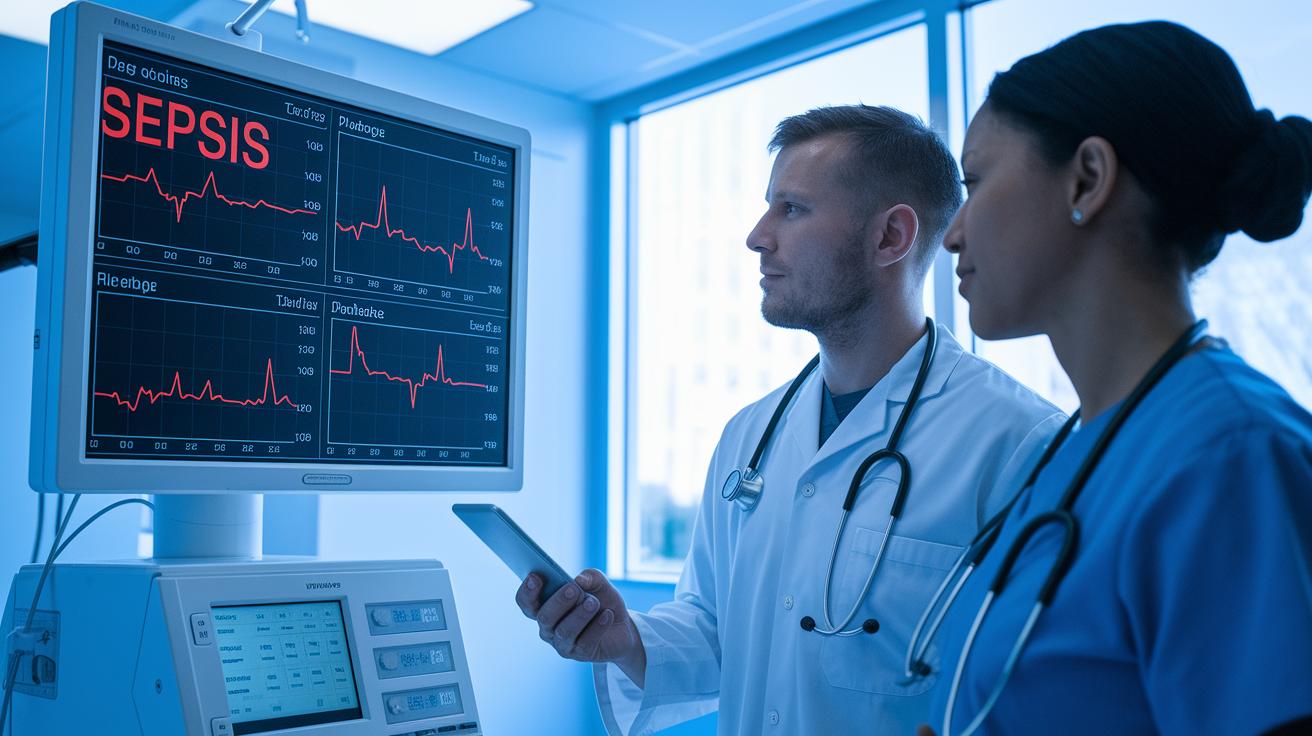
These innovative tools use deep learning (very advanced computer techniques) to help pick up on signs of sepsis early on. They work by looking at a mix of clinical info, like a patient’s heart rate, blood pressure, and temperature, along with lab test results and history from electronic health records. They even track tiny changes in blood test markers (biomarkers) that might hint at the start of sepsis before things get serious.
For example, one system called the Targeted Real-Time Early Warning System uses neural networks (computer programs modeled after the human brain) to sift through data collected over time. It’s a bit like a skilled detective noticing small clues that signal when it might be time to start antibiotics. These systems are designed to pick up subtle shifts that might otherwise go unnoticed, giving doctors a heads-up when fast action is needed.
Other advanced models use smart methods from precision medicine to capture the unique details of each patient’s health. Take Mednition’s KATE Sepsis model, which has shown very strong performance with an AUC (a simple way to measure how well a system can tell good from bad outcomes) of over 0.90. Along with this, there’s a system called KATE Triage Clinical Data Engine that watches hospital-wide records and offers timely advice. These breakthroughs use fresh infection prediction techniques and predictive analytics (methods that use current data to forecast future problems) to give clinical teams fast, tailored recommendations.
| System Name | Inputs | Performance Metric | Key Benefit |
|---|---|---|---|
| Mednition KATE Sepsis | Vital signs, lab data, EHR history, biomarker trends | AUC >0.90 | Accurate early detection |
| Targeted Real-Time Early Warning System | Patient history, current symptoms, lab results | High diagnostic performance | Timely antibiotic recommendation |
| KATE Triage Clinical Data Engine | Hospital-wide EHR data | Robust surveillance | Comprehensive monitoring |
Clinical validation and case studies of breakthrough AI systems for early sepsis detection
New AI systems are being tested in real hospital settings to see how they can help doctors catch sepsis early. Hospitals that use these tools are noticing good results. For instance, Mednition’s tool scored an AUC of 0.92 in busy emergency departments. In simple terms, that means it’s really good at telling which patients might be at risk for sepsis. And over at Johns Hopkins, systems connected with major electronic health record networks have been linked to a 20% drop in patient deaths. This shows how important it is to use smart tech that keeps an eye on patient data all the time.
Researchers are also uncovering ways to improve these systems through detailed clinical trials. One eye-opening study from the University of Michigan found that some AI tools don’t work better than flipping a coin when they rely only on data taken before treatment starts. This tells us that adding more complete patient data and better monitoring can help doctors catch signs of sepsis even sooner.
Key takeaways from real-world use include:
- Mednition’s high AUC score and smooth rollout in emergency departments
- Johns Hopkins’ system and its strong link to better patient outcomes
- University of Michigan findings that highlight limits when using only pre-treatment data
These real-life examples remind us that ongoing testing and using all available patient data are crucial in improving early sepsis detection and care.
Integrating breakthrough AI systems for early sepsis detection into hospital workflows
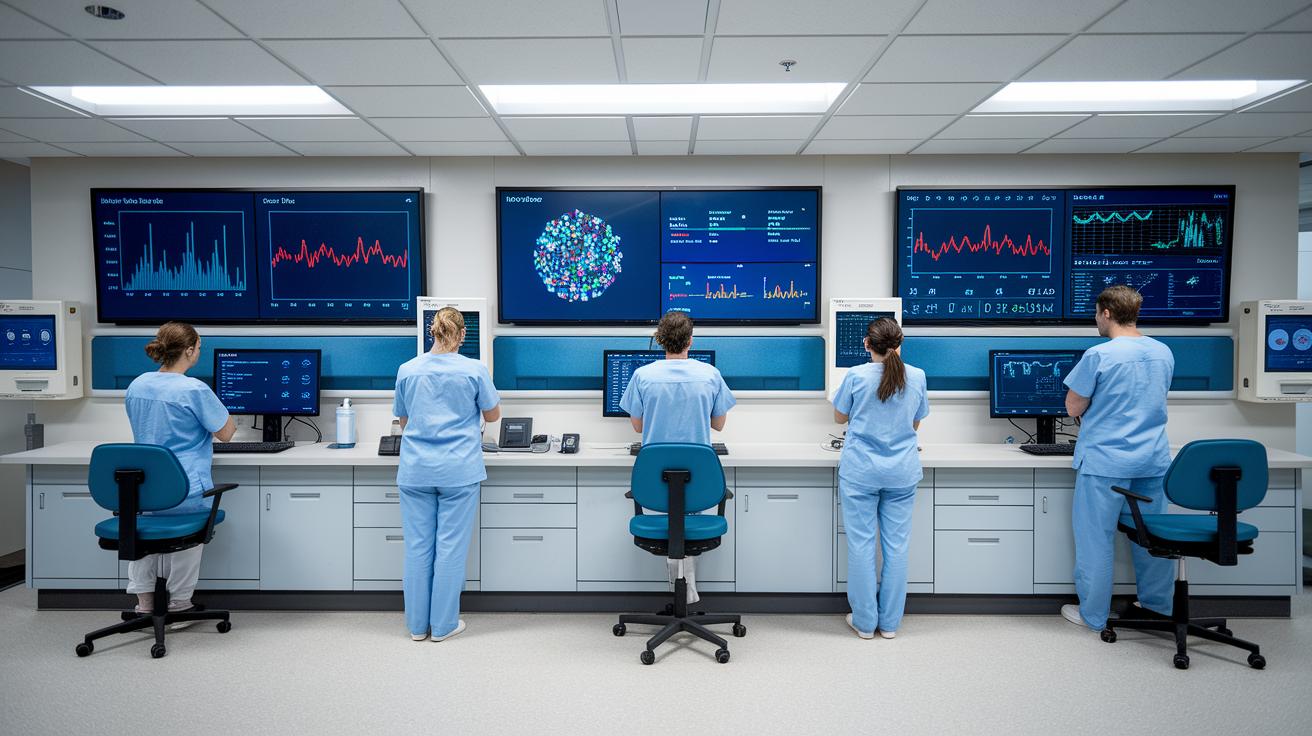
Hospitals need a solid tech setup and clear steps for using smart AI tools. The hospital's digital systems must work well with their main electronic health record systems so that data slides smoothly into AI dashboards. This means having the right computing power, whether the system is based on-site or in the cloud (online storage that lets you access data over the internet), to get patient records into real-time analysis.
On the clinical side, teams need to be ready to jump into action when alerts pop up at nursing stations or on critical-care devices. It’s all about hands-on training that helps everyone learn the system quickly and follow the right steps every time. When the technical setup and hospital procedures work hand in hand, it makes starting treatments like quick antibiotic doses much easier.
- Data Connection – Build safe, fast links between hospital records and AI tools.
- Dashboard Configuration – Set up clear clinical dashboards that show live data and alerts.
- Alert Threshold Setup – Decide on specific rules that trigger alerts for early action.
- Staff Education – Run practical training sessions so that everyone feels comfortable using the system.
- Ongoing Performance Review – Check on the system regularly and adjust it as needed.
Addressing validation challenges in breakthrough AI systems for early sepsis detection
Recent tests show that some artificial intelligence (AI) tools, which use only data collected before treatment, end up making risk predictions that feel as random as a coin toss. This happens partly because these tools don’t clearly explain how they come up with their answers, and they lean too much on old-fashioned medical ideas. As a result, they can miss important clues hidden within patient data.
To improve these systems, we need to pull in more types of clinical data and build clear, step-by-step methods for showing how risk is calculated. Think of it like a doctor who explains every part of their reasoning, much like following a recipe. With this clearer explanation, clinicians will better understand why an AI tool makes a certain call. In turn, this can build trust and help catch early signs of sepsis (a serious reaction to infection) more reliably.
Future directions for breakthrough AI systems for early sepsis detection

Exciting new ways to use AI for spotting sepsis are set to change how we care for very sick patients. Researchers are trying out sensors in intensive care units that watch patients all the time. These sensors collect live details like heart rate and other vital signs in real time (as events happen). This steady flow of data helps doctors notice changes immediately and decide how to act.
At the same time, new cloud-based tools (tools that work online) are being designed to analyze these data right away. This means doctors and nurses can get quick insights to help them make decisions faster.
Scientists are also building smart computer models that adjust themselves as they get new patient data. This helps keep their predictions accurate, even when patient groups or their conditions change over time. They’re fine-tuning systems that use genetics (information from our DNA) to sort patients by risk, so treatments can be tailored specifically for them. Plus, researchers are exploring ways for computers to discover new biological signals (biomarkers) that point to sepsis, which could reduce the overload of alerts that sometimes wear clinicians out.
Key priority research paths include:
- sensor integration
- adaptive model retraining
- biomarker-driven prognostics
- AI-enabled remote patient oversight
Final Words
In the action, hospitals are using breakthrough AI systems for early sepsis detection to catch warning signs faster. Our discussion highlighted how deep learning tools analyze patient data and lab results, lowering death rates with precise alerts. We looked at real-life validations, hospital integrations, and fresh upgrades that spark hope for improved care. Every step forward affirms that science can change lives, pushing us toward safer, more informed care. It's exciting to see these advances making a tangible impact on everyday patient outcomes.
FAQ
How do AI and machine learning predict sepsis?
AI and machine learning predict sepsis by quickly analyzing patient data, lab results, electronic health records, and symptoms to forecast sepsis onset and guide early treatment decisions.
How do speedier sepsis detection systems improve patient care?
Speedier sepsis detection systems alert clinical teams in real time, enabling faster diagnosis and treatment that can reduce complications and improve survival rates.
What role does the FDA approved biomarker test play in sepsis detection?
The FDA approved biomarker test measures specific blood markers to help identify sepsis early, supporting accurate diagnosis and guiding urgent treatment decisions.
What is a targeted real-time early warning system in sepsis care?
A targeted real-time early warning system uses deep learning to combine patient history and lab data, providing rapid alerts that prompt timely clinical intervention for sepsis.
How is Johns Hopkins using AI in sepsis detection?
Johns Hopkins employs AI systems that integrate patient data with established criteria to predict sepsis onset, enhancing diagnostic precision and potentially reducing patient mortality.