
What if we could change our genes to stop cancer right in its tracks? Researchers are exploring gene therapy to target dangerous cells with impressive precision. In early lab tests, innovative tools like CRISPR-based editing (a method that cuts and fixes DNA) and engineered viruses (viruses that are re-made to help treat disease) have shown they might slow down or even stop tumors.
Patients using these techniques often enjoy longer periods without their symptoms getting worse. In this blog post, we'll share how these fresh ideas are turning into real treatments that directly attack cancer while keeping healthy cells safe. Join us as we shine a light on these exciting methods that could change the way we treat cancer.
Leading Breakthrough Gene Therapy Approaches for Cancer Treatment
Scientists are finding new ways to fight cancer by using gene therapy techniques that target harmful cells with great precision. Recently, teams at the Francis Crick Institute and Vividion Therapeutics found that certain compounds can block RAS-MAPK interactions (a chain of signals cells use) to stop tumors from growing in early lab tests.
This progress shows how ideas once only dreamed about are now becoming real treatments. At events like ASGCT 2025 in New Orleans, where over 5,000 experts gathered, these exciting gene-therapy methods were front and center.
Researchers are also testing other strategies that directly attack tumor cells by using fresh, anti-cancer ideas. These new techniques are paving the way for medical care that is tailored to each patient, which means treatments can be aimed right at the cancer while leaving healthy cells alone.
Some of these promising approaches include:
- CRISPR-based tumor editing (using a powerful gene tool to make specific changes)
- Oncolytic virotherapy (using modified viruses to destroy cancer cells)
- CAR-T cell gene enhancements (boosting patients' immune cells to fight cancer)
- Lipid-nanoparticle RNA interference (delivering tiny particles that carry special RNA signals)
- Ex vivo cellular reprogramming (changing cells outside the body before putting them back)
Early clinical studies show that patients treated with these methods often enjoy longer periods without their cancer worsening. This benefit comes partly from the ability to fix or bypass the genetic mistakes that cause tumors. Plus, improved precision in targeting has meant fewer unwanted side effects, making treatments both gentler and more effective. Combining advanced gene editing with smart drug delivery is setting the stage for the next generation of cancer care.
CRISPR-driven Remedies: Precision Editing in Cancer Gene Therapy

CRISPR platforms give scientists a new way to fix genetic mistakes in cancer cells. Researchers have been fine-tuning this gene editing tool (a method to change parts of our DNA) to fix mutations with great care. It all began with early cancer trials in 2012, and now improved versions of the Cas9 enzyme (a protein that cuts DNA) have greatly reduced unwanted changes, making the process much safer. In 2023, T cells modified with CRISPR outside the body (ex vivo, meaning they were changed in a lab before going back into the patient) were tested in Phase I trials. This was a big step forward in improving the RNA guides (molecules that direct CRISPR to the correct spot) and fine-tuning tools that target genes that drive cancer.
| Editing Platform | Target Gene | Off-Target Frequency |
|---|---|---|
| Standard Cas9 | KRAS Mutation | >10% |
| High-fidelity Cas9 | BRAF Mutation | <1% |
| CRISPR T Cells | PD-1 Gene | Minimal |
| Guide RNA-Optimized Cas9 | EGFRvIII Mutation | <1% |
Recent tests show that these advanced CRISPR systems not only fix the harmful mutations in cancer but also cut back on mistakes that might cause extra problems. The high-fidelity versions of Cas9 have been especially good at lowering unwanted changes, which helps reduce the risks of gene therapy. Early trial results have been promising, showing better effectiveness while keeping side effects low. Balancing careful precision with patient safety is key, and it is an exciting step toward using CRISPR as a regular part of cancer treatment.
Oncolytic Virotherapy Breakthroughs in Cancer Gene Therapy
Engineered viruses are being made to hit cancer cells while leaving healthy ones alone. They work in two ways: they directly attack tumor cells and also spark the immune system into action. These viruses even carry proteins called cytokines (tiny cell-to-cell signals) to help boost our natural defenses. Imagine a virus that sneaks into a tumor and then sounds the alarm, calling immune cells to the rescue. That’s a big step forward in using gene therapy against cancer.
New designs in these viral tools have made them safer and sharper in targeting tumors. Scientists have tweaked these viruses so they cause fewer side effects and do a better job delivering healing genes. These improvements in oncolytic virotherapy are becoming a key strategy against blood cancers, working by breaking down a tumor’s support system from the inside out.
Early trials, especially for blood cancers, show that these engineered viruses can really break apart tumors. In fact, sessions at the 30th Annual International Congress on Hematologic Malignancies (held Feb 26–28, 2026) shared a lot of promising news. Overall, these breakthroughs set a new standard in gene therapy for cancer, offering fresh hope as we learn how to better fight this disease.
Nanoparticle-facilitated Delivery Solutions for Cancer Gene Therapy

Scientists are now exploring non-viral ways to deliver gene therapies using tiny particles. Lipid nanoparticles and exosome carriers (small, natural bubbles that transport materials in cells) are at the forefront of this work. They are designed to move safely through the body and drop off their healing load right where it's needed, helping to avoid unwanted immune reactions.
At a recent meeting, ASGCT 2025, early studies in rodents showed that these carriers did much better than the older viral methods. In fact, lipid nanoparticles and exosome carriers were able to reach tumor cells twice as well while keeping a safe balance. Early tests suggest that these tiny delivery systems can not only transport their cargo efficiently but also cause fewer harmful immune responses.
Looking ahead, these non-viral delivery methods could change how we treat cancer with gene therapy. They promise more precise targeting and fewer side effects, making treatments safer and more predictable for patients. This improved delivery might lead to better treatment responses, potentially helping patients live longer while reducing complications.
Clinical Evaluation and Survival Metrics in Cancer Gene Therapy Approaches
Recent Phase II studies, as seen in the FDA 2025 updates, looked at gene therapy for cancer patients. The tests aimed to help patients live longer without the cancer growing and to shrink the tumor size. Researchers planned the study carefully so they could see how each patient responded during check-ups after treatment. This method allowed doctors to clearly connect the gene treatment with the patient results and make sure the study truly measured what the therapy was meant to do.
The trial results were promising. On average, patients experienced a boost in the time they stayed clear of cancer growth, from 6 months to 12 months. Safety was also very important in these studies. For instance, about 20% of the patients developed Grade 3 cytokine release syndrome (a strong immune system reaction). This insight helped scientists understand the side effects better. Researchers are always looking to balance better survival times with keeping the treatments safe, so they continue to adjust their plans to lessen serious side effects while boosting the benefits.
Monitoring biomarkers (specific signs in the blood or tissues that indicate how well a treatment works) was a key part of the studies. By checking these early signals, doctors could see if the treatment was hitting the target and make changes to the dosage or timing if needed. This step-by-step approach shows that the gene therapy is aimed precisely at cancer cells and sets the stage for using it reliably in everyday medical care.
Challenges and Regulatory Pathways in Breakthrough Cancer Gene Therapy
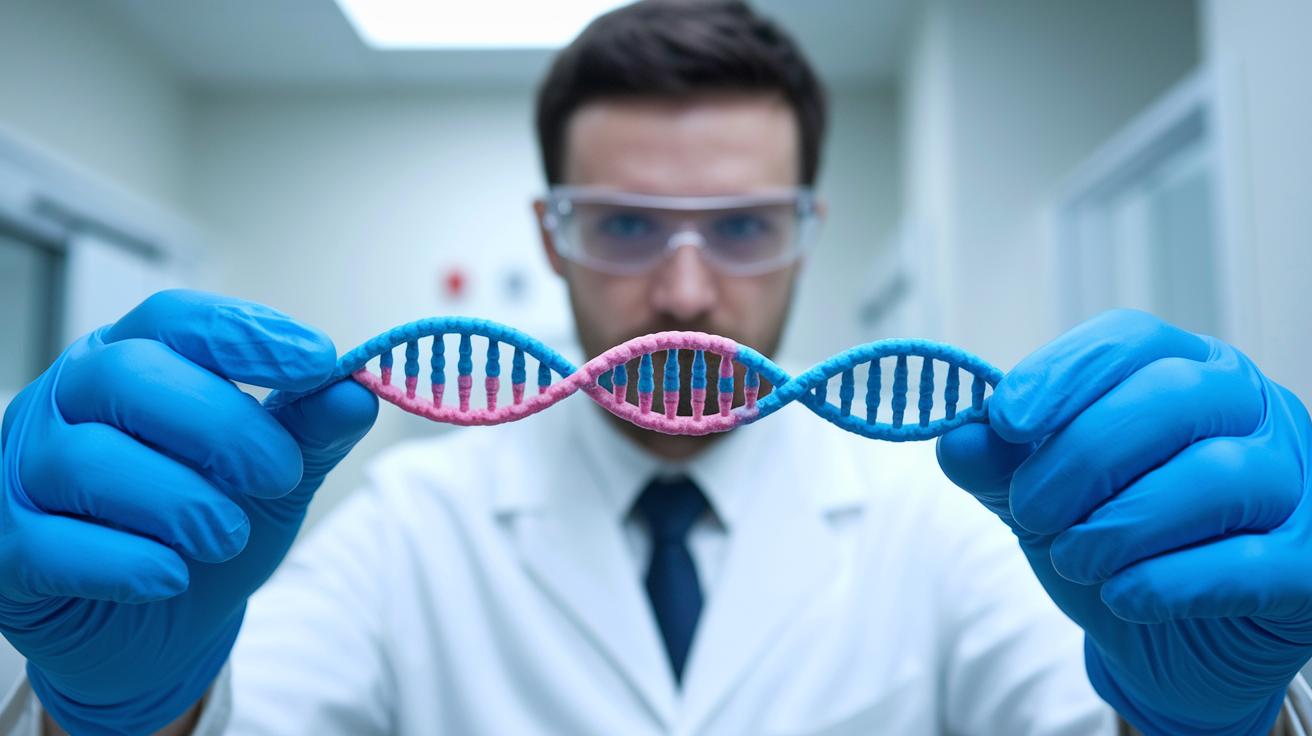
Gene therapy for cancer holds a lot of promise, but there are some serious hurdles to clear. Researchers face problems like off-target edits (unplanned changes in the DNA), the body reacting to foreign proteins (immunogenicity), and high manufacturing costs. Scientists are busy trying to fix these issues by improving gene editing tools, which they hope will limit unintended changes. Still, making these improvements work on a large scale remains a challenge.
In March 2025, an FDA advisory committee introduced faster review options to help these new treatments move to the approval stage more quickly. They carefully examine any risks and make sure that every method used meets high quality standards. Experts look at detailed lab data (called preclinical data) and use robust methods to ensure that a treatment can safely move from experiments in the lab to tests in people.
There are also important ethical questions in this field. For instance, debates about germline editing (changing genes in reproductive cells that might be passed down) continue to spark discussions among doctors, policy makers, and the public. At the same time, experts are working on ways to lower costs and set up rules that protect patient rights while still pushing for fast innovation. Ultimately, these conversations show the need to balance rapid scientific progress with careful and responsible oversight.
Final Words
In the action, we covered the latest methods shaping modern cancer care, from CRISPR-tuned edits to oncolytic virotherapy and nanoparticle carriers. We also looked at clinical data showing improved survival and discussed ethical and regulatory angles. It’s exciting to see how breakthrough gene therapy approaches for cancer treatment are turning complex ideas into promising tools for everyday healthcare. There’s plenty of optimism as these breakthroughs pave the way for safer, more targeted patient care. Science continues to inspire us all with smart solutions for tough challenges.
FAQ
Q: What are the types of gene therapy for cancer?
A: The types of gene therapy for cancer include CRISPR-based tumor editing, oncolytic virotherapy (using modified viruses), CAR-T cell enhancements, lipid-nanoparticle RNA interference, and ex vivo cellular reprogramming.
Q: What are the types and successes of gene therapy cancer treatment?
A: Gene therapy for cancer uses methods like CRISPR editing, oncolytic viruses, and CAR-T cell modifications. These approaches have shown promising clinical results with improved tumor targeting and patient survival outcomes.
Q: What is the cost of gene therapy for cancer?
A: The cost of gene therapy for cancer can vary widely. Expenses depend on the treatment method, research development, and clinical trial parameters, with modern advancements working to reduce these expenses over time.
Q: What are the side effects of gene therapy for cancer?
A: Gene therapy for cancer may cause side effects such as immune reactions or temporary flu-like symptoms. Improvements in precision and safety have helped reduce these risks in recent clinical trials.
Q: What does the Cancer Gene Therapy impact factor indicate?
A: The Cancer Gene Therapy impact factor shows how often articles in the journal are cited. It serves as a measure of the journal’s influence and relevance in the field of gene therapy research.
Q: What is CRISPR cancer treatment?
A: CRISPR cancer treatment uses the CRISPR-Cas9 system to precisely edit genes in cancer cells. This method targets mutations to suppress tumors while minimizing off-target editing effects.
Q: Does the Cancer Gene Therapy journal exist?
A: Yes, the Cancer Gene Therapy journal publishes peer-reviewed research on gene-based cancer treatments, offering up-to-date findings and insights that guide scientists and clinicians in this evolving field.