Have you ever wondered if cancer treatment could be both gentle and powerful? New methods are using energy like heat, electric pulses (brief bursts of energy you can feel), and special chemicals to target harmful cells without cutting through your body. This means a much lighter touch on healthy tissue and less discomfort overall.
Imagine a treatment that might let you leave the hospital after just a day or two. Today’s blog takes you through how these innovative techniques work. They use warmth, electric waves, and chemicals to shrink tumors in a way that feels faster and kinder. Isn’t it amazing how science is finding new, easier ways to fight cancer?
Pioneering Overview of Breakthrough Minimally Invasive Tumor Ablation Techniques
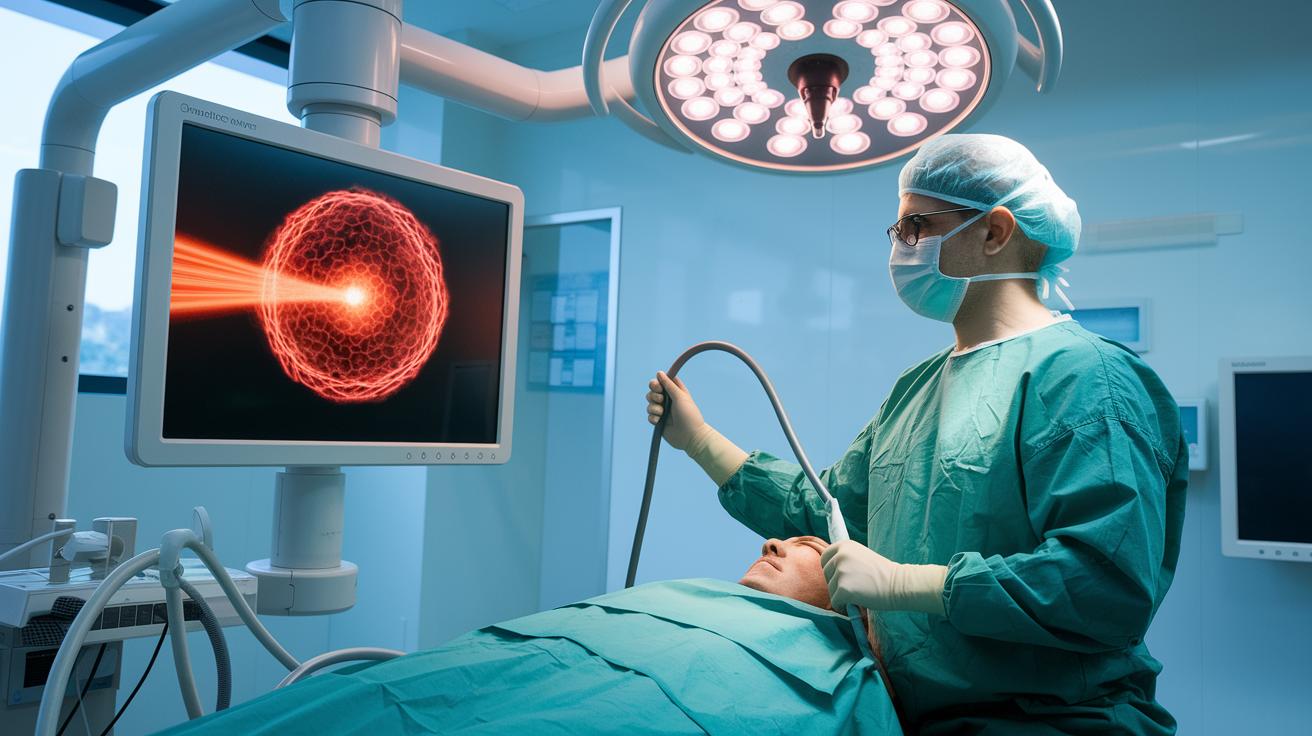
Minimally invasive tumor ablation doesn’t cut out large sections of tissue. Instead, it uses energy to kill cancer cells. These procedures may use heat, electrical pulses, or special chemicals to target tumors. For example, when heat is used, it “cooks” the tumor in a controlled way while keeping the healthy tissue safe. It’s a fresh take on surgery that avoids big incisions.
These new methods are changing modern cancer care. With more people facing cancer, doctors are eager for treatments that work well and are easier on patients. Many patients can go home in just 24 to 48 hours, and over 85% only notice a few side effects. Imagine a treatment that helps you recover fast and feels a lot less invasive, that’s what makes these procedures so appealing.
There are a few different ways to use energy against tumors. Thermal methods like radiofrequency or microwave ablation warm up and kill the tumor cells quickly. Electrical techniques, such as irreversible electroporation (using controlled electric pulses), target the cancer cells without heating them up. And sometimes, doctors inject chemicals that zero in on the tumor. Each of these methods has its own benefits, depending on where the tumor is, how big it is, and the overall health of the patient.
Thermal Energy Foundations in Breakthrough Minimally Invasive Tumor Ablation Techniques

Radiofrequency ablation (RFA) uses high-frequency electrical currents to warm up and attack tumors. It heats cancer cells in a very careful way while sparing the nearby healthy cells. Think of it like a targeted microwave that only cooks the bad bits of your meal, leaving the nutritious parts alone.
Microwave ablation (MWA) works in a similar way but uses electromagnetic waves (a kind of energy like light or radio waves) to warm tissues quickly and evenly. This method is great when time is short because it heats the tumor all over, making it an effective choice for small lesions, usually under 2 cm. Imagine it as a speedy oven that spreads heat uniformly, ensuring the tumor gets the right treatment without harming its surroundings.
Cryoablation, by contrast, freezes tumors using liquid nitrogen or argon gas. This process drops tissue temperatures down to –140 °C, building an ice-ball around the tumor that doctors can easily spot on scans. This clear icy boundary helps them treat tumors near delicate areas like major blood vessels or ducts with much care. Picture a mini winterfront that solidly encases the tumor, protecting the healthy areas nearby.
Each of these energy-based methods, whether it is heat or extreme cold, shows how we can focus treatment tightly on the tumor. This means less damage to healthy tissue and quicker recovery for patients.
Non-Thermal and Hybrid Breakthrough Ablation Strategies in Tumor Ablation
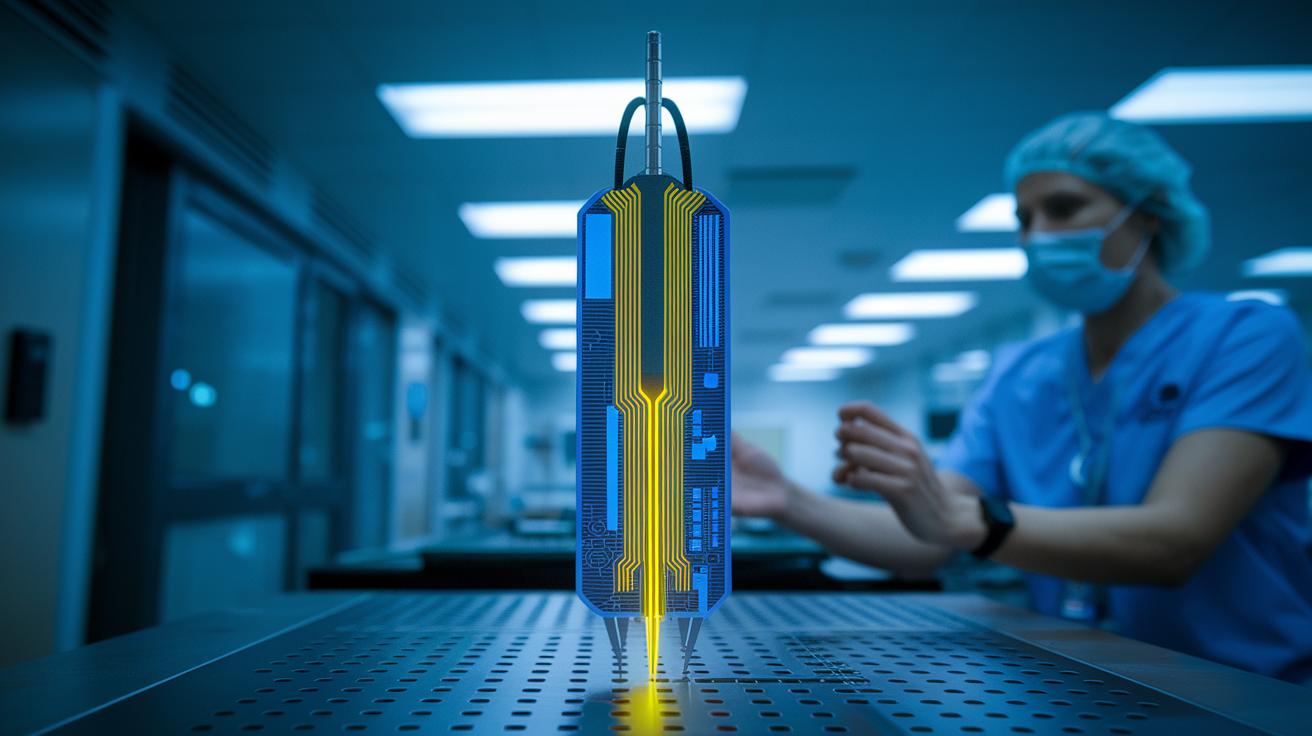
Irreversible electroporation (IRE) is a smart technique that sends very short electrical pulses through a tool called the NanoKnife system. These pulses create tiny holes in cell walls, leading the cancer cells to die without using heat. This method is especially helpful when tumors are close to important structures. You might imagine it as a precise lightning bolt that targets only the cancer cells while leaving healthy tissue safe.
Electrochemotherapy (ECT) boosts cancer treatment by using pulsed electrical fields. These pulses open up cell membranes just long enough to let chemotherapy drugs slip inside, almost like giving the medicine a VIP pass into the tumor cells. This approach is particularly useful when regular drug delivery isn’t effective at reaching the target.
Transarterial chemoembolization (TACE) is another clever method. With TACE, a catheter is guided straight to the blood vessels that feed the tumor. There, a mix of chemotherapy drugs and blocking agents is delivered, which can raise the drug level at the tumor to up to 15 times higher than a standard injection – all while keeping side effects low. Think of it as an express lane that delivers a concentrated dose of treatment right where it’s needed.
Key features of these approaches include:
- Non-thermal cell destruction with IRE.
- Better drug uptake with ECT.
- Highly concentrated local drug delivery with TACE.
Together, these strategies work to minimize damage to surrounding tissues, safeguard sensitive areas, and offer patients treatment options that can lead to quicker recovery times.
Clinical Applications and Outcomes of Breakthrough Minimally Invasive Tumor Ablation Techniques

Ablation procedures work best for small tumors up to 2 cm. These techniques are part of modern, non-surgical ways to treat cancer. In simple terms, they offer innovative methods to remove tumors without large incisions. They are used on many organs like the liver, kidney, lung, prostate, bone, and breast. For example, in the liver, methods such as radiofrequency (using heat to kill cells), microwave ablation, and cryoablation (freezing the tumor) can hit liver cancer (hepatocellular carcinoma) with great precision. Similar ideas are used for kidney and lung tumors while protecting nearby healthy tissues.
Most patients can go home within 24 to 48 hours. Local tumor control is above 85%, meaning these procedures usually keep the cancer in check. They help lessen pain and have very few side effects. Because patients don’t need long hospital stays or lengthy recovery times, doctors and patients find these treatments very appealing compared to regular surgery. Doctors choose a method based on where the tumor is, its size, and the patient’s overall health. Many patients say it feels more like a small tweak than a major surgery, quick and efficient.
| Organ | Technique(s) | Size Criteria | Recovery Time | Minimal Side Effects Rate |
|---|---|---|---|---|
| Liver | RFA, MWA, Cryo | ≤2 cm | 24–48 h | 85%+ |
| Kidney | RFA, Cryo | ≤2 cm | 24–48 h | 85%+ |
| Lung | MWA, Cryo | ≤2 cm | 24–48 h | 85%+ |
| Prostate | IRE, Cryo | ≤2 cm | 24–48 h | 85%+ |
| Bone | RFA, MWA | ≤2 cm | 24–48 h | 85%+ |
| Breast | RFA, Cryo | ≤2 cm | 24–48 h | 85%+ |
Future Innovations in Image-Guided and Data-Driven Tumor Ablation Techniques

Imagine a future where tumor treatment combines smart technology like artificial intelligence, 3D imaging, and clever data tools to adjust plans on the fly. It’s kind of like having a weather app that lets you know just when to grab your umbrella, only here, it helps doctors fine-tune treatment in real time.
Think of it this way: AI can predict the area that needs treatment, much like forecasting rain, so doctors know exactly how to adjust the energy used during the procedure. For instance, a surgeon might share an interesting bit: "A machine learning model accurately predicted the optimal needle path 90% of the time in early trials, ensuring maximum tumor coverage." Pretty amazing, right?
Then there’s hybrid imaging. This technology combines CT scans (a detailed type of X-ray), MRI scans (magnetic imaging), and ultrasounds into one smooth flow of images that lets doctors see the tumor from every angle. It’s a bit like putting together the pieces of a puzzle, where every piece shows a clear picture of what’s happening inside the body.
Key points include:
- Smart algorithms that help plan treatments by guessing just how much energy is needed.
- Real-time directions using detailed 3D images.
- Improved precision in placing needles, thanks to the blend of CT, MRI, and ultrasound images.
All of these advances work together to pave the way for better cancer care. They promise treatments that are super accurate, minimize damage to healthy tissues, and help patients heal faster. In short, these smart, guided methods turn complex choices into simple, step-by-step solutions that could really change how we tackle tumor ablation.
Criteria for Selecting Breakthrough Minimally Invasive Tumor Ablation Approaches

When doctors decide on the best method to remove a tumor, it's a lot like choosing the right tool for a job. They look at details like the tumor's size (usually under 2 cm) and where it sits in relation to important blood vessels or ducts. For example, if the tumor is very close to delicate structures, they might choose a non-thermal option such as IRE or ECT. This method avoids using heat, so it protects nearby tissues. It's a bit like trying to fix a clock the careful way, without disturbing the tiny gears inside.
Some of the main things they consider are tumor size, location, the type of organ involved, and the overall health of the patient. Small tumors (less than 2 cm) need very precise treatment. If a tumor is next to important vessels or ducts, non-thermal methods can be the best choice. They also think about which organ is affected and how healthy the patient is before deciding if a thermal method (like RFA, MWA, or Cryo) is safe and effective. Finally, doctors choose the treatment that helps the patient recover quickly with fewer side effects.
Imagine a case where a patient has a tumor in a very sensitive part of the liver. In that situation, a non-thermal strategy might be the perfect pick. A doctor might compare using IRE to gently guiding a ship through a narrow channel, carefully removing the tumor without disturbing the surrounding tissue.
Final Words
In the action, we explored how modern energy methods can target cancer cells with precision. The post walked through thermal, non-thermal, and hybrid strategies, all aiming to reduce recovery time and improve patient care. Along with advanced imaging and AI-guided planning, these innovations offer hopeful signs for the future of cancer therapy. Breakthrough minimally invasive tumor ablation techniques are changing the way we treat malignancies, sparking further research and fueling positive advancements in oncology.
FAQ
What is the new procedure instead of ablation?
The new procedure refers to minimally invasive tumor ablation techniques that use energy forms like thermal, electrical, or chemical energy to destroy cancer cells without removing tissue, leading to shorter recovery times.
What is the breakthrough cancer treatment that melts tumors?
The breakthrough cancer treatment using melting techniques involves thermal ablation methods such as microwave or radiofrequency ablation, which heat tumor cells to rapidly and uniformly destroy them while preserving nearby healthy tissue.
Which ablation procedure is best?
The best ablation procedure depends on tumor size, location, and patient health, with non-thermal options preferred near critical structures and thermal methods proving effective for accessible lesions with clear margins.
Can cancer come back after ablation?
The possibility of cancer returning after ablation exists, but these treatments typically achieve local tumor control rates over 85%, making careful follow-up essential for detecting any signs of recurrence.