
Ever wondered how combining ideas from different worlds can lead to amazing breakthroughs? Imagine an engineer teaming up with a biologist, each adding their own unique view to solve puzzles once thought impossible. When experts share what they know, new solutions start to take shape. This blend of skills isn’t just cool, it’s changing our everyday lives in real ways. In this post, we'll chat about how collaboration across science fields can open up exciting new possibilities.
Interdisciplinary Science at the Forefront of Breakthrough Research
Mixing different scientific areas can ignite breakthroughs that change the way we tackle big problems. For the past fifty years, scientists have been joining forces, blending ideas that used to live in separate corners. Imagine food experts working with medical researchers to create cutting-edge implants, that’s the magic of merging talents.
In 2025, a new Fellows program welcomed 32 early-career researchers into projects that span from precise drug delivery systems to innovative Mars rover prototypes. One researcher shared, “I used to work alone until collaborating with experts opened my eyes to a bigger picture.” Before diving into interdisciplinary work, many thought their efforts were limited to one field. Yet, combining different perspectives has led to truly innovative solutions.
When experts team up, they build strong networks that make it easier to solve complex problems. By sharing diverse methods and views, they uncover answers that might be missed within one single field.
Modern initiatives like these show that blurring the lines between scientific fields can lead to breakthroughs with real-world impact. This mix of skills and perspectives not only addresses current challenges but also sets the stage for future advances that benefit us all.
Innovative Methodologies Powering Breakthrough Research Through Interdisciplinary Science
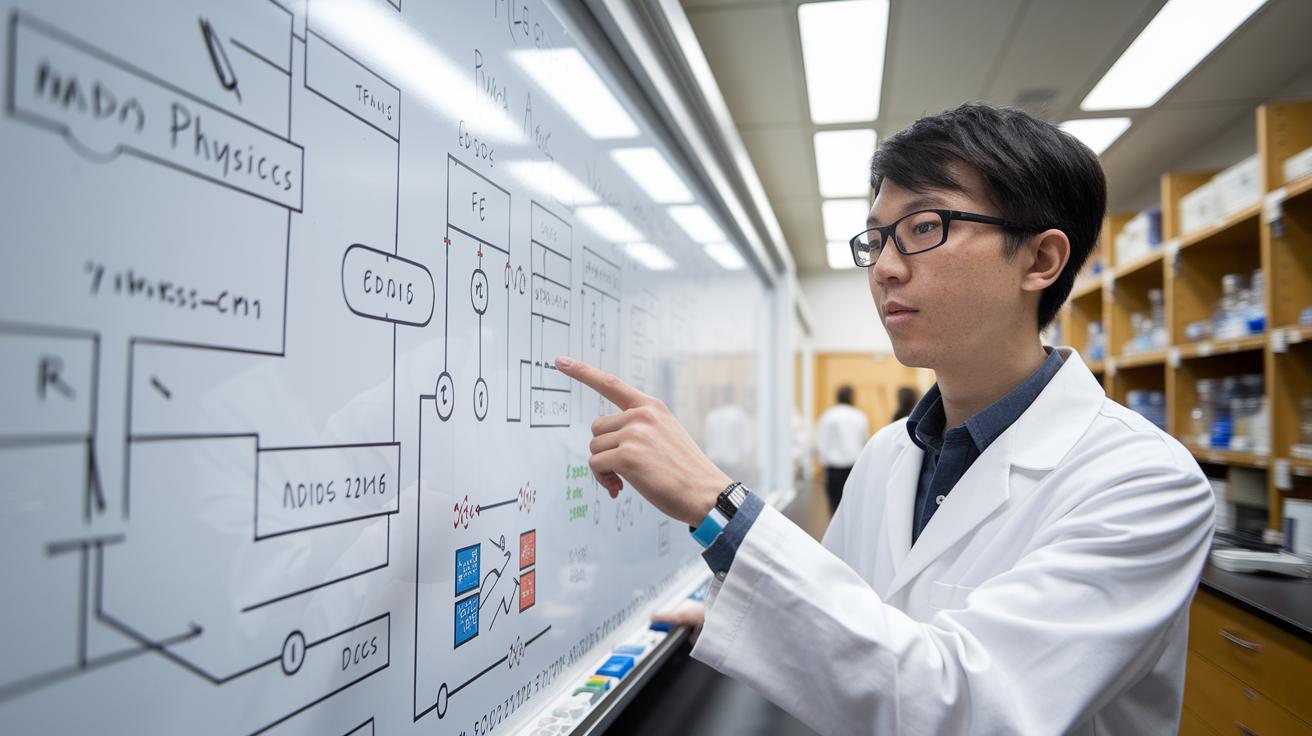
A researcher’s path from a master’s program to a PhD shows just how powerful mixing different scientific methods can be. They worked closely with three supervisors and twelve collaborators, each person adding their unique insight to push the project forward. One scientist even said, “Before entering PhD research, I never imagined that blending physics and biology could crack problems that each field alone couldn't solve.” This surprising fact really makes you stop and think, doesn’t it?
This experience highlights how teaming up with experts from various backgrounds is a key ingredient for breakthrough research. When you bring together different ways of thinking, it opens up possibilities that solo efforts simply can’t match. It’s like assembling the perfect recipe, you need a bit of everything to unlock those innovative solutions.
Building Interdisciplinary Science Initiatives for Transformative Discoveries
Organized programs and networking platforms create spaces where experts from various scientific fields can easily work together. For example, the Fellow Directory showcases profiles and real-life success stories of the 2025 Schmidt Science Fellows. One researcher said, "I never thought that sharing my work on leadership modules could open so many opportunities for collaboration." This method brings together enthusiastic early-career scientists and shows how teamwork in science can break down old obstacles.
Leadership modules and simple application guidelines help both researchers and those who nominate them form diverse project teams. Think of these guidelines like a compass that leads emerging scholars on how to combine different specialties into one strong research group. Scientists not only learn new methods but also become part of an active system that spreads breakthrough ideas across many fields.
Solid leadership and intentional networking are at the heart of these projects. With clear support and open community conversations, research groups can trade ideas, set new goals, and build on shared plans. It’s a bit like mixing ingredients in your favorite recipe to come up with something entirely new, turning uncertainty into exciting opportunities that can shape everyday life and future innovations.
Strategies for Integrating Academic Disciplines in Breakthrough Research

When research teams and universities mix different subjects, it can feel a bit messy at first. Team members might think, "This isn’t my turf," but a clear and friendly support plan can help everyone share ideas and solve problems together. As one seasoned researcher put it, "Stepping beyond my discipline unlocked fresh insights that my solo work never approached." By encouraging open conversations among mentors, teachers, and colleagues, institutions can bridge gaps that might slow progress.
When handling projects that combine different fields, it’s key to keep deep specialist knowledge while also thinking broadly. Regular chats with mentors build trust and smooth the way for progress even when goals seem out of sync. Often, a well-planned strategy, backed by strong institutional support, can turn tricky collaborations into exciting breakthroughs that really push science forward.
Simple, practical steps can help research teams navigate the challenges of integration while making sure every discipline’s contribution shines. Groups that follow these ideas usually become more united, innovative, and ready to cross the old boundaries.
- Build organized support within each department.
- Arrange regular mentor and team meet-ups across disciplines.
- Develop shared funding ideas for projects that blend different fields.
- Use a unified platform for easy data sharing.
- Offer workshops on various research methods.
Case Studies Showcasing Breakthrough Research Through Interdisciplinary Science
Interdisciplinary science is like opening a surprise box where unexpected discoveries are waiting. One project mixed geochemistry (the study of rocks and minerals), neurology (the study of the brain) and clinical chemistry (testing body fluids) to track down a metal ALS biomarker. One researcher even said, "I never imagined that mixing rock analysis with brain research could reveal a potential biomarker."
| Project | Disciplines Involved | Key Outcome |
|---|---|---|
| Metal ALS Biomarker | Geochemistry, Neurology, Clinical Chemistry | Identification of a candidate ALS biomarker |
| Precision Drug Delivery | Materials Science, Pharmacology, Biomedical Engineering | Development of targeted drug carriers |
| Mars Rover Prototypes | Aerospace Engineering, Planetary Science, Robotics | Autonomous prototypes tested for Martian terrain |
These real-life projects show how bringing together different areas of expertise can lead to breakthroughs. When scientists from varied fields collaborate, they open up new ways to understand and solve complex challenges.
Overcoming Barriers in Breakthrough Research Through Interdisciplinary Science
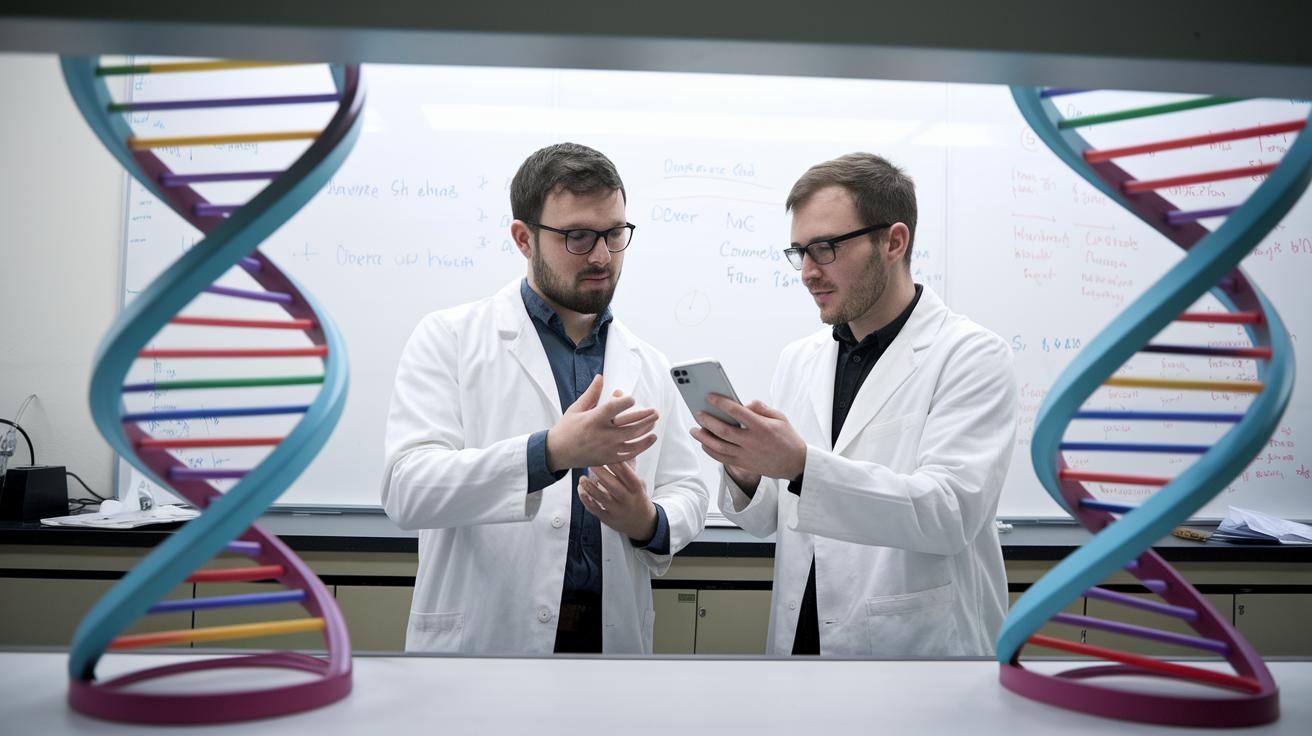
New research fields often rely on different methods, and that can sometimes lead to disagreements which slow down progress. For example, in one genomics project (the study of an organism’s full set of DNA), a biologist and a data scientist argued over the meaning of the data. They eventually resolved their differences through short, focused meetings where everyone could share and listen. Before these sessions, the team was nearly ready to give up, but clear conversations helped them find a better way to work.
Digital tools are also making it easier to settle these disputes. Many teams now use real-time virtual lab simulations and interactive dashboards to share data and ideas as they happen. In one climate modeling project, researchers came together to watch live data streams, which turned heated disagreements into a series of manageable steps. An interactive dashboard, for instance, gave everyone a clear view of the data, helping align different perspectives quickly.
New fields also bring unique challenges that need fresh solutions. Peer-led training sessions on new collaborative tools help team members clear up misunderstandings that aren’t common in more traditional areas. In one project, pairing new researchers with experienced colleagues during digital tool training cut down on miscommunication and smoothed the research process.
| Tool | Description |
|---|---|
| Digital Dashboard | Real-time data sharing and live discussion |
| Virtual Lab Simulator | Interactive lab experience that helps align research methods |
Emerging Trends and Future Directions in Breakthrough Research Through Interdisciplinary Science
New ways of mixing ideas are making a buzz among scientists in fields like life sciences and engineering. Experts are blending clues from different subjects to unlock breakthroughs in areas like healing tissues naturally (regenerative medicine) and designing systems to better handle climate challenges. One scientist once said, "I used to think each science had its own boundaries, but modern tools revealed the real strength in sharing ideas." That really shows how coming together can change everything.
Today, online spaces are speeding up the exchange of ideas. Websites such as Cell Mentor let experts swap tips and methods, which helps form networks of diverse perspectives. Just picture a scene where a materials expert and a biologist chat about creative new ways to combine techniques, it’s a hands-on example of science coming together.
Scientists are also reimagining how research happens by using lessons from over fifty years of progress. They’re moving away from old, fixed methods to flexible, integrated setups that can adjust to new challenges. This blend of shared knowledge and creative strategies isn’t just making discoveries faster, it’s opening up a whole new world of possibilities. By merging modern digital tools with classic mentorship, the collaborative spirit today is lighting the path to tomorrow’s breakthroughs.
Final Words
In the action, we saw how merging fields sparks fresh ideas. The post highlighted the shift from siloed research to teams sharing diverse methods, from improving food security to designing Mars rover prototypes.
The discussion covered innovative approaches and set out clear strategies that support collaborative work. This article ultimately shows that breakthrough research through interdisciplinary science pushes us forward, sparking curiosity and encouraging new ways to tackle everyday challenges.
FAQ
Q: What does breakthrough research through interdisciplinary science topics mean?
A: Breakthrough research through interdisciplinary science topics means merging ideas from fields like biology, physics, and engineering to tackle challenges and spark new innovations.
Q: What does breakthrough research through interdisciplinary science examples include?
A: Breakthrough research examples include combining geochemistry with clinical chemistry to explore ALS biomarkers and fusing materials science with biomedical engineering for precision drug-delivery systems.
Q: How can I find breakthrough research through interdisciplinary science PDF resources?
A: Finding breakthrough research PDFs involves searching academic repositories and research portals that host detailed studies showcasing collaborative projects across diverse scientific fields.
Q: What breakthrough research through interdisciplinary science advances occurred in 2022?
A: In 2022, interdisciplinary research pushed forward work in areas such as precision drug delivery, advanced food security research, and Mars exploration technologies through cross-field collaboration.
Q: What are interdisciplinary science rankings?
A: Interdisciplinary science rankings rate research programs or institutions based on their success in blending different disciplines to foster innovative breakthroughs and collaborative networks.
Q: How do atypical combinations of fields impact scientific discovery?
A: Atypical combinations of fields, such as bridging geochemistry and neurology, boost scientific impact by triggering fresh perspectives and solving tough problems outside traditional research boundaries.
Q: How is applied science connected to breakthrough interdisciplinary research?
A: Applied science translates scientific findings into practical solutions, and when combined with interdisciplinary methods, it leads to innovations like targeted medical treatments and advanced technology prototypes.
Q: What is an example of interdisciplinary research in real life?
A: A real-life example is the Mars rover project, where aerospace engineering, planetary science, and robotics work together to create autonomous systems for exploring space environments.
Q: What is considered the biggest breakthrough in science recently?
A: The biggest recent breakthroughs often arise from integrating several disciplines, leading to advancements such as precision medicine and regenerative approaches that address complex global challenges.
Q: What are the four drivers of interdisciplinary research?
A: The four drivers include attacking shared challenges, pooling resources, receiving strong institutional support, and engaging in consistent collaborative mentoring to drive successful interdisciplinary projects.