
Have you ever wondered if our warming planet is a warning sign or a push to take action? Today, we see how changing weather is turning up storms and floods in ways we can actually measure. In many places, hurricane winds are growing stronger and rains are getting heavier. It might feel like there’s no way out.
But here’s the good news: by understanding these changes, we can make smarter choices for our future. Let’s dive into the science behind climate change and natural disasters, and explore how we can prepare for what lies ahead.
How Climate Change Drives the Frequency and Severity of Natural Disasters
Our warming planet is changing weather in ways we can see. Warmer oceans boost storm power. For every 1°C rise in ocean temperature, hurricane winds can get about 5% faster. Imagine a storm that used to hit 100 mph now pushing 105 mph, this extra speed can mean much tougher damage. Warmer water also adds about 7% more moisture to the air, which can lead to roughly 10–15% more heavy rain. Think of short, quick downpours turning into long-lasting, soaking rains that increase flood risks.
Scientists have noticed that since 1980, major hurricanes in the Atlantic have doubled. Now, these fierce storms hit about three times more often than they did a hundred years ago. And it’s not just hurricanes. Take the wildfires in Australia in 2020, for example. They burned 10 million hectares, took at least 28 lives, and destroyed the homes of over one billion native animals. These events show that climate change is stirring up trouble in many parts of our weather system.
Sea levels have already crept up more than half a foot since 1900 and are expected to rise another 1–2.5 feet by the end of this century. This rising water means storm surges will be even stronger and flood patterns will change, forcing communities to adjust quickly. If you’re curious about how these changes work, check out what is climate change at https://buzzyandclever.com?p=180.
Even small temperature increases can have big effects on our storms and the challenges we face on land.
Climate Change and Hurricane Intensification
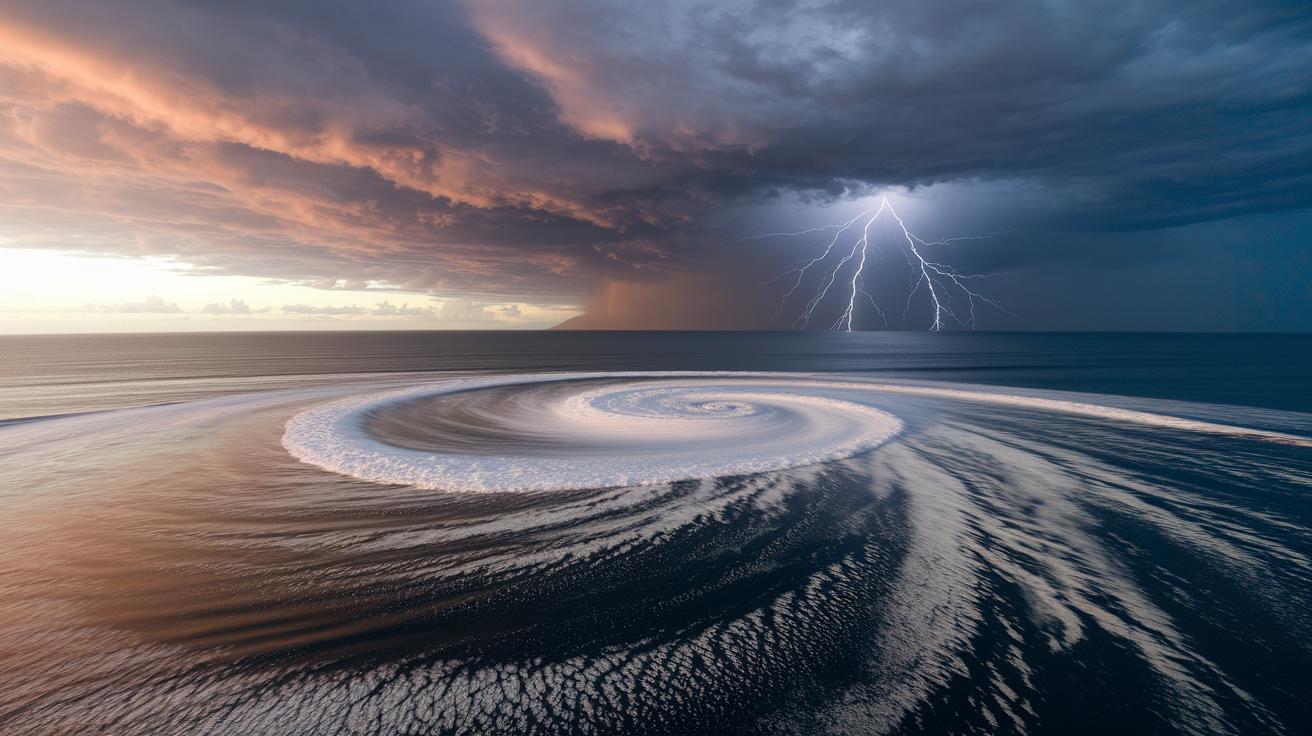
Ocean warming is making hurricanes much stronger, and we can see it in the numbers. Since 1980, the biggest hurricanes in the Atlantic have doubled in number, meaning not only are these storms showing up more often, but they’re also getting stronger much faster. A rapid intensification event is when wind speeds jump at least 40 mph in just one day. Imagine a storm that goes from a gentle breeze to a fierce gale almost overnight. For example, Hurricane Helene once had winds of 140 mph, but that speed might have been 50 to 100 percent higher because the ocean was just 1°C warmer.
The warmer ocean also makes the air wetter, which leads to heavier rains. Some experts think that by 2030, hurricanes could dump 10 to 15 percent more rainfall, which means even more flooding. Rising sea levels let storm surges push further inland. This adds extra danger for coastal communities. Since 1980, hurricanes have caused more than $1.5 trillion in damage, about $23 billion per storm. These changes remind us that our changing climate is reshaping the power and impact of these intense natural events.
Wildfire Risks and Rising Temperatures Under Climate Change
Wildfires are getting bigger and burning longer as our planet warms. Think about the 2020 bushfires in Australia. After the hottest year on record, over 10 million hectares burned, causing at least 28 deaths and costing the lives of more than one billion native animals. During those fires, entire landscapes were reshaped by flames, leaving a trail of loss that many communities still feel today.
In the western United States, wildfire seasons now stretch about 37 days longer than they did in 1984. This extra time means nature has less chance to bounce back, and it makes keeping an eye on these fires even more important. Tools like wildfire risk mapping (a way to mark danger zones on maps) and forest fire outbreak monitoring (tracking when and where fires start) are helpful, but the challenges keep growing.
Rising temperatures and lower humidity extend dry seasons and trigger more heat waves. These conditions make the air quality worse. Many residents have noticed that when heat waves hit, the air often fills with smoke, making it hard to breathe, even when the sky seems clear.
In western North America, the yearly area burned has more than doubled since 1980. These changes not only show a shift in our weather patterns but also underscore how wildfires are becoming more intense and lasting longer due to higher global temperatures. It’s a powerful reminder of how climate change makes us more vulnerable to dangerous fire hazards.
Shifting Precipitation Patterns: Droughts and Floods Linked to Climate Change
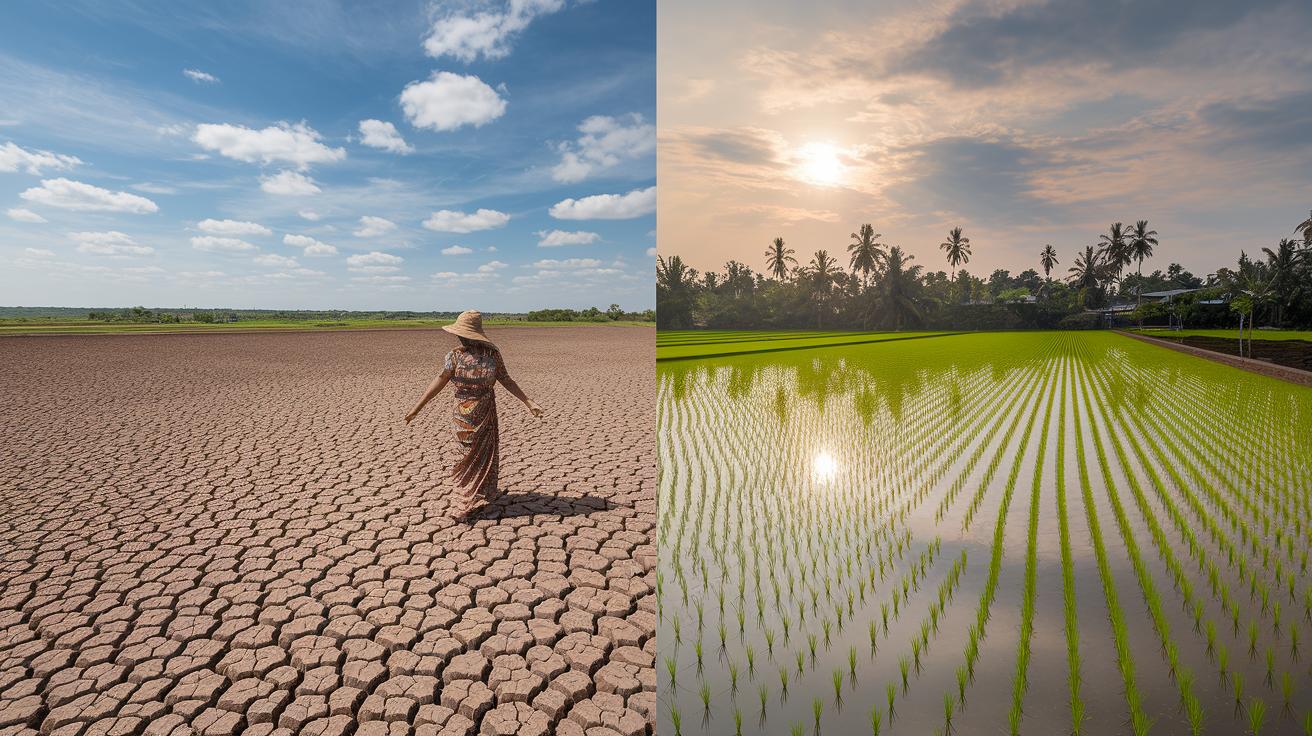
Rising temperatures are changing the way rain falls around the world. Climate change is pushing some areas into harsh droughts, while others face heavy floods. In a place like the Horn of Africa, where the sea warms quickly, droughts have doubled and are now straining water supplies and hurting farms. I mean, think about it, back in 2011, 2017, and 2019, 15 million people battled long dry spells, yet only about 35% got help on time.
But then there are parts of South Asia. Heavy monsoon rains have led to severe flooding across India, Nepal, and Bangladesh, leaving 12 million people displaced. The changes aren’t just about dry or wet weather; they’re also shifting how rivers flood. For example, in Central America’s Dry Corridor, the dry season has grown from three months to over six. This means 3.5 million farmers are at risk, and around 2.5 million people might face food shortages. Coastal areas are feeling this too, sea levels have risen by half a foot since 1900, setting up stronger storm surges, with experts expecting an extra 1 to 2.5 feet later this century.
| Region/Event | Climate Driver | Impact | Population Affected |
|---|---|---|---|
| Horn of Africa Drought | Sea surface warming | Long dry periods | 15 million |
| South Asia Floods | Heavy monsoon rains | Widespread flooding | 12 million |
| Central America Dry Corridor | El Niño intensification | Extended drought | 3.5 million |
| Coastal Flooding | Rising sea levels | Enhanced storm surge risk | Coastal communities |
These examples show why we need a closer look at how droughts develop and floods occur. By studying why rivers overflow and how rainfall patterns change, communities can plan better. This means more effective water saving plans and emergency responses, which are essential for helping everyone facing these extreme challenges.
Socioeconomic and Health Consequences of Climate-Driven Disasters
Climate-driven disasters leave a big mark on both our money and our health. Hurricanes, for example, have caused about $1.5 trillion in damage since 1980, roughly $23 billion per storm. It’s not just buildings that get hurt; communities and everyday lives take a major hit too. Sometimes, the indirect effects on health lead to as many as 11,000 deaths per hurricane, and many people struggle with lasting mental health problems afterward.
Take Cyclone Idai in 2019 as a clear example. In Mozambique, Zimbabwe, and Malawi, over 1,000 lives were lost and millions of people ended up without basic needs, like food and shelter. Similarly, severe floods in South Asia forced 12 million individuals to leave their homes, and prolonged droughts in the Dry Corridor left 2.5 million people without steady access to food. Each of these events drains local resources and sets back economic progress.
Marginalized communities often face the harshest impacts. In the United States, nearly 70% of families in public housing are nonwhite, and many live near areas with high pollution. This increased vulnerability makes it tougher for them to bounce back after disasters, with limited support and resources. The heavy toll on both finances and health doesn’t just affect individuals, it pulls at the entire social fabric, showing us just how urgent it is to build better support systems and strengthen our resilience to climate change.
These challenges ripple through our economies and families, straining public health systems and highlighting the need for quick and effective support for everyone.
Vulnerability and Resilience in the Face of Climate-Change-Induced Hazards
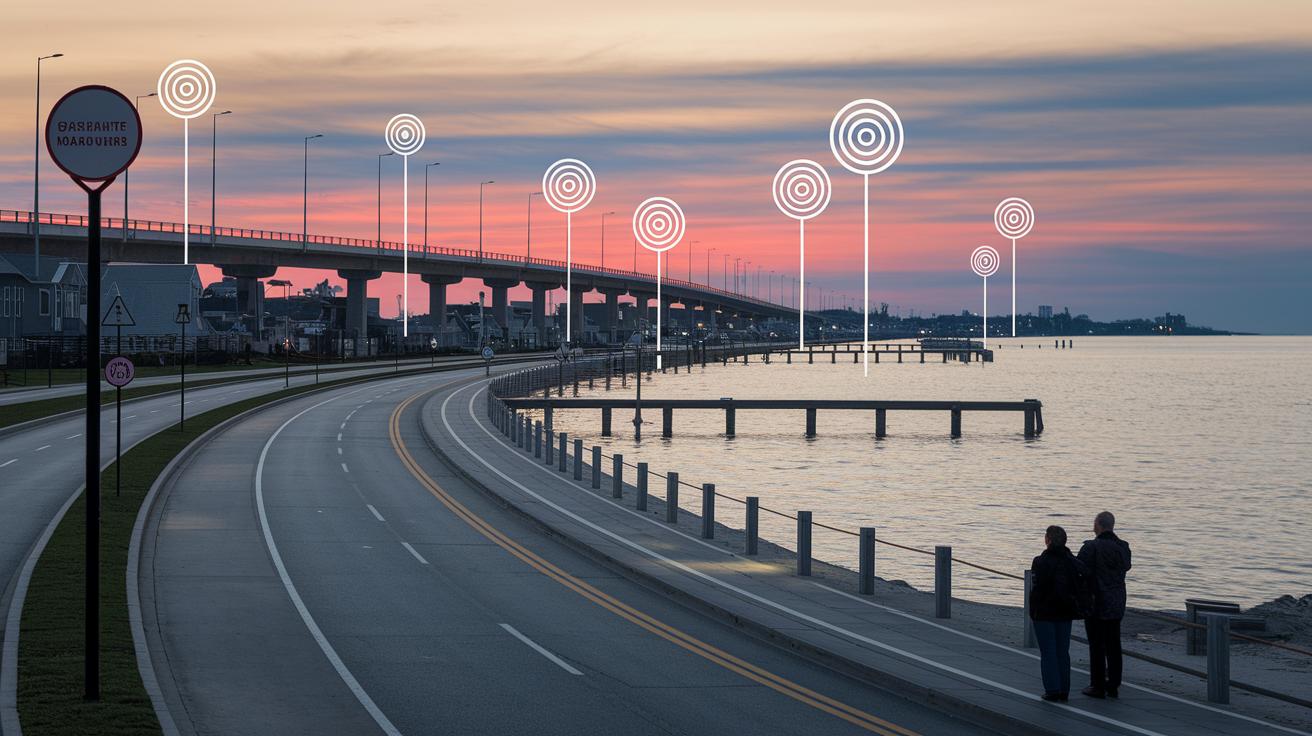
People around the world are working hard to protect themselves from the growing dangers of climate change. One tool they rely on is an early warning system (a way to alert people before a disaster strikes). Research shows these systems can lower disaster deaths by about 40%. Imagine a coastal town using smart sirens and phone alerts to keep residents safe. It’s modern science directly saving lives.
Building strong infrastructure is just as important. Elevated roadways and flood barriers not only help reduce property damage but also give communities a safety net during extreme events. Many cities now use satellite monitoring (taking pictures from space) and remote sensing (collecting data from afar) to map hazards. This means local teams can act quickly when new threats appear.
Cities are also adapting to the urban heat island effect, which makes centers of towns much hotter than nearby areas. Simple solutions like green roofs (roofs covered in plants) and cool pavements are being added to lower temperatures during heat waves. At the same time, planners are checking how quickly systems can recover from disruptions and how long their improvements will last.
Consider this surprising example: In one city, flood barriers and better early warning systems cut flood-related problems by nearly half. These combined strategies are building stronger systems to help communities adjust and thrive even as climate change brings new challenges.
Mitigation and Adaptation Strategies for Climate Change and Natural Disasters
Our fight against climate change starts with cutting carbon emissions and strengthening our defenses. We need renewable energy like solar and wind to lower emissions by about 25% before 2030, helping keep global warming under 1.5 °C. It’s a bit like swapping a car for a bicycle on a short trip, simple changes that add up. Plus, using advanced weather tools and early warning systems helps communities get ready for storms faster.
Farming is also getting a smart upgrade. Many farmers are switching to crops that can handle drought and are collecting rainwater to keep their fields thriving when rain is scarce. Even simple measures, like storing rain in barrels for crop irrigation, can make a big difference during dry spells.
Coastal areas are staying safer by building sea walls and restoring wetlands. Picture a community that pairs a strong seawall with healthy, natural wetlands, together, they work to keep dangerous storm surges at bay. And when local groups plan for disasters with clear evacuation routes and coordinated efforts, everyone has a better chance of staying safe.
Government policies, guided by agreements like the Paris Agreement, are putting money into projects that help our communities adapt and become more resilient. Reliable funding lets cities upgrade their warning systems, saving lives by giving people a head start before disasters hit. Quick alerts really do reduce chaos and help everyone deal with challenges more effectively.
Final Words
In the action, we saw how rising temperatures and changing weather patterns shake up our world. The post highlighted how warming oceans, extended dry seasons, and heavier rainfall push natural events to new extremes. The risks come with serious social and economic impacts, yet smarter building methods and better early alerts offer hope. It shows that when we work together, we can turn challenges into opportunities, helping communities thrive in the face of climate change and natural disasters.
FAQ
Where can I find reputable educational resources like PDFs, essays, and projects on climate change and natural disasters?
Educational sites and digital libraries offer PDFs, essays, and projects on how a warming climate drives extreme events. These curated resources help explain the science for both students and curious readers.
What is the relationship between climate change and natural disasters, and how do they differ?
The relationship shows that rising temperatures can fuel extreme events, while natural disasters are the sudden events like storms and fires. They differ because climate change is a long-term shift and disasters are momentary hazards.
How does climate change impact natural disasters?
Warmer oceans and increased water vapor lead to stronger storms and heavier rainfall. This change boosts the intensity and frequency of natural disasters such as hurricanes and wildfires.
Which natural disaster is most affected by climate change?
Hurricanes are notably impacted, as warmer seas raise wind speeds and rainfall, intensifying these storms and making them more damaging to impacted communities.
What natural disasters have occurred due to global warming?
Global warming has increased severe events like hurricanes, wildfires, and prolonged droughts that trigger flooding and landslides. Warmer conditions fuel these extreme occurrences across different regions.
Does climate change make tornadoes worse?
The connection between climate change and tornado intensity is still under study, but shifts in weather patterns may influence the conditions that produce tornadoes, potentially altering their strength and frequency.