
Ever thought the warming of our planet might just be a temporary glitch? Look around, the shrinking ice in the Arctic and the rising ocean levels show that big changes are happening faster than we expected. Our everyday actions, like driving cars and using energy, warm the air, water, and land, which sets off changes we just can’t ignore.
In this post, we share clear and simple examples that show how our world is changing. These examples remind us that our actions matter and that we all play a role in keeping Earth healthy. Stick with us as we explore how these real-life changes can inspire us to rethink our role on this ever-changing planet.
Worldwide Concrete Instances of Climate Change Effects
Recent research shows our planet is changing fast because of emissions we create. The average global temperature has risen by about 1.1°C since before industrial times. Reports from organizations like the IPCC tell us that our own actions are warming the air, oceans, and land. In fact, our oceans have taken on nearly 90% of the extra heat from greenhouse gases between 1971 and 2010, and in 2020 they absorbed an incredible 20 sextillion joules of energy!
Over the past 30 years, Arctic sea ice has gotten much smaller, and glaciers are melting faster than ever. This quick loss of ice puts our water supplies and soil in danger. Sea levels are creeping up at about 3.3 millimeters each year because of warming water and melting ice. Even coral reefs are in trouble, bleaching events, which make reefs lose their bright colors, have doubled in recent decades.
• Global temperature increase: The planet is warming up more and more each year.
• Arctic sea ice decline: Ice cover in the Arctic is disappearing at record lows.
• Glacier recession rates: Glaciers are melting rapidly, threatening local water sources.
• Sea level rise trends: Rising waters put coastal areas at greater risk.
• Ocean heat uptake escalation: The oceans keep taking in huge amounts of extra heat.
• Coral bleaching outbreaks: Reefs are losing their vibrant colors more often.
• Rising extreme weather occurrences: Stronger storms and heatwaves are disrupting communities.
These clear examples show that our environment is feeling a lot of pressure. With shrinking ice, warmer seas, and shifting weather, both nature and our communities face big challenges. It reminds us why it’s so important to adopt new ways to protect our resources and secure a resilient future.
Climate Change Rising Sea Level Examples and Coastal Impacts

Sea levels are rising because our oceans are warming and ice on land is melting. The global sea level has been going up by about 3.3 mm every year since 1993. When water gets warm, it takes up more space, and melting glaciers and ice sheets add even more water to the ocean. In the Southeast U.S., sea levels have jumped more than 12 inches since 2000. This puts key places like coastal roads and freshwater reserves at risk of flooding.
- Venice’s MOSE mobile barriers trial
- Netherlands Delta Plan upgrades
- Louisiana’s levee reinforcement projects
- Bangladesh coastal embankment expansions
- New York City’s East Side Coastal Resiliency Program
These projects show how communities worldwide are stepping up to protect their homes and lives from floods. Some areas are building strong flood barriers and rethinking how they use their land to keep water at bay. In other places, people are even moving buildings and communities away from risky zones. By strengthening defenses today and planning smart moves for the future, we can help protect both our neighborhoods and the natural coastal areas we all love.
Climate Change Extreme Weather Pattern Examples
Rising temperatures are causing wild weather that really tests our ability to cope. As our planet gets warmer, we’re seeing more frequent and stronger storms and heat waves, and these events are changing lives and hurting economies all over.
- Phoenix, USA (2024): For 31 days straight, temperatures soared over 110°F. This relentless heat pushed the city's buildings and health services almost past their limits.
- California, USA (2023): Wildfires became much worse, choking the air with smoke and forcing many people to leave their homes.
- European Region (2021): Heavy floods raged across several countries, causing damage to property and infrastructure worth over $40 billion.
- Horn of Africa (Recent Years): A long-lasting drought left more than 20 million people without steady food supplies, increasing the hardships they face.
- Southern Hemisphere (Cyclone Idai, 2019): One of the deadliest storms hit, leading to many deaths and interrupting vital services like water and power.
These examples show that rising temperatures aren’t just short spikes, they are part of a bigger chain of problems. Not only do these extreme conditions cause immediate damage, but they also put extra pressure on local resources, mess up how people get around, and make it harder to respond to disasters. In truth, when our communities face repeated hits, planning for long-term strength and support becomes more important than ever.
Climate Change Polar Ice Melt Examples: Arctic and Glacier Retreat Cases
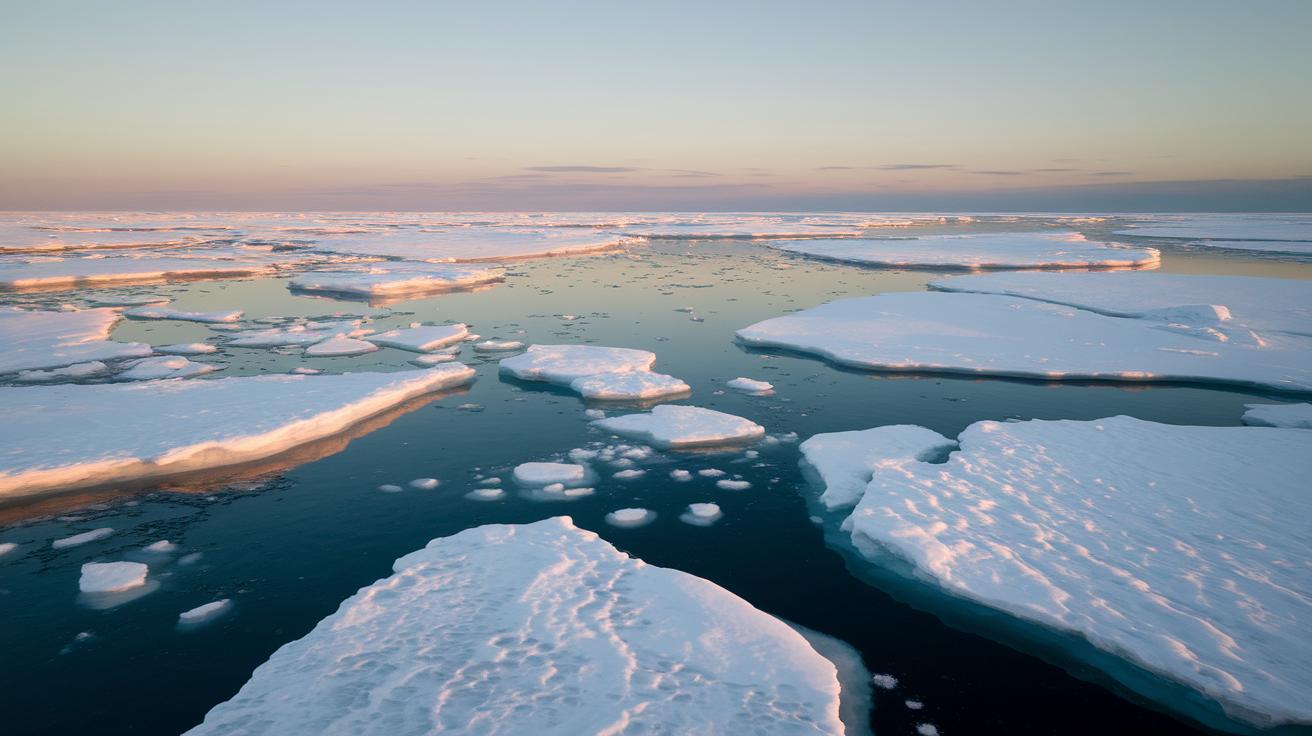
The Arctic sea ice is shrinking fast during summer. In fact, it has dropped by about 13% every ten years, and 2020 saw a record low. This big loss is not just about the changing scenery. It upends the Arctic ecosystem, meaning animals that rely on the ice for shelter and finding food now struggle to survive. Even local communities, who depend on long-lasting ice, feel the impact every day.
Glaciers around the world are also pulling back at a worrying pace. For example, Greenland loses roughly 280 gigatons of ice each year. In some valleys of the Himalayas, glaciers recede by as much as 30 meters every year. And in Antarctica, Thwaites Glacier is thinning by several meters annually. On top of that, many areas are now seeing permafrost (frozen ground) start to thaw. This thaw might release stored carbon into the atmosphere and can even threaten nearby buildings and roads in the cold regions.
Climate Change Marine Heat Content and Ecosystem Disruption Examples
Our oceans have quietly soaked up over 90% of the extra heat from greenhouse gas emissions. Scientists recently found that in 2020, the energy stored in our seas reached record levels, almost like releasing the power of two Hiroshima bombs every second. This huge amount of heat is slowly warming our oceans, changing their basic make-up and setting off changes that touch every creature living in them.
Warm waters are seriously stressing coral reefs around the globe. For example, the Great Barrier Reef went through three big coral bleaching events between 2016 and 2018. During these events, corals lost their bright colors and many of their essential functions. When bleaching happens, it not only weakens the coral itself but also shakes up the entire community of marine life that relies on these reefs for shelter and food.
The rise in water temperatures is shifting the natural balance of ocean life too. Fish are moving to cooler waters, and plankton (tiny organisms that form the base of the food chain) are blooming at different times and places. This has led to a drop in fish yields by about 4-6% in global fisheries. These changes don't just affect marine ecosystems, they also impact local economies and food supplies, reminding us that the health of our oceans is key to the future of every living thing on Earth.
Climate Change Socioeconomic and Public Health Impact Examples

Economic Impact Examples
American households are feeling the pinch from climate change. Many families now pay an extra $326 a year just to keep their homes cool. Overall, climate-related expenses can add up to between $3,000 and $5,000 annually. In areas at risk, home insurance rates are climbing by 33% to 60%, which means everyday living costs are rising even more. These extra expenses force people to divert money from other important needs like groceries or education.
But it’s not just individual families feeling the heat (literally). Climate change is shaking up the whole economy. Food prices are becoming more unpredictable, with climate factors causing about 15–20% of the ups and downs. Meanwhile, work productivity has taken a hit. In 2019, we lost 302.4 billion work hours due to extreme heat compared to 199 billion hours in 2000. This lost time affects what people earn and slows down the overall economy, putting added pressure on communities and businesses.
Health Impact Examples
Changes in the seasons are altering when pollen appears. Now, pollen seasons start about 20 days earlier than in past decades, and pollen levels have jumped by around 21%. This shift seriously affects people with allergies and asthma, making their symptoms last longer and lowering their quality of life. Outdoor workers are hit even harder, they face heat-related illnesses at rates 35 times higher than others, and injuries linked to the heat have increased by 250% since 2000.
Air quality is another concern. Higher temperatures and more wildfires mean the air isn’t as clean as it used to be. This worsens breathing problems and strains our healthcare system. Over time, these challenges also weigh on mental health as communities struggle with ongoing climate instability and frequent emergencies.
Climate Change Adaptation and Mitigation Strategy Examples
Local and Household Adaptation Strategies
Homeowners are making clever choices that both save money and cut down on energy use. Many families have switched to programmable thermostats and better insulation, which can lower cooling bills by 20 to 30 percent. For example, one family installed a cool roof and added a rainwater harvesting system, which dropped their indoor temperatures by 3°F. It’s pretty cool to see how small changes in your home can make a big difference in energy savings.
There are also community projects that turn city spaces greener, which helps keep neighborhoods cooler. Planting more trees and building green spaces not only freshens the air but also brings down local temperatures. These local actions ease the strain on energy systems and boost the overall well-being of the community.
Large-Scale Mitigation Tactics
On a larger scale, cities and regions are turning to renewable energy to help lower emissions. Solar panels, often paired with battery backups, are growing fast in residential areas, up about 25 percent every year. These innovations in low-carbon technology are bridging the gap between the old energy sources and a more sustainable future.
Government programs and private investments are also pushing the green job market forward, which is expected to grow around 8 percent each year through 2030. These new opportunities shift entire economies towards cleaner practices. When everyone from local communities to big cities works together on renewable energy projects, our future looks a lot greener and more secure.
Climate Change Policy Evolution and International Accord Examples
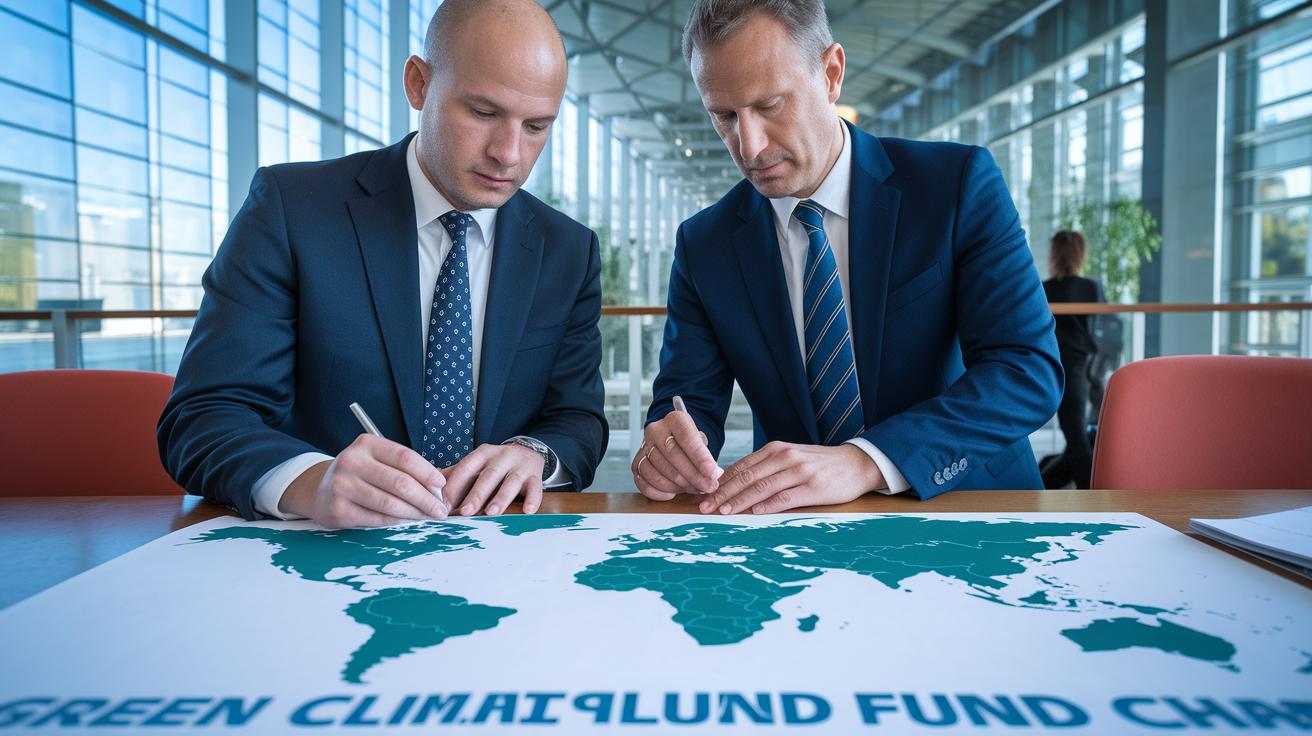
The UN’s IPCC Sixth Assessment Report (2021) really shook things up by showing that our activities are warming the planet. This report kicked off international efforts like the Paris Agreement (2015), where 196 countries promised to keep the temperature rise below 2°C. Countries now have clear goals and are setting up their own plans to cut emissions and work together.
At the same time, new ideas for funding these efforts have been emerging. For example, the green climate fund has gathered over $10 billion to help developing countries with projects that reduce emissions and adapt to changes. Experts warn that without these actions, the cost of doing nothing could hit between 11% and 14% of the global economy by mid-century. Together, these funding efforts and agreements are building a strong plan for a low-carbon future.
Final Words
in the action, our piece highlights worldwide climate change examples, from warming oceans and retreating glaciers to extreme weather and rising sea levels. We reviewed real instances where science meets everyday life, touching on environmental shifts and socioeconomic impacts. Our discussion shows how concrete evidence steers community adaptations and policy updates. Every piece proves that our growing knowledge can spark smart strategies for a greener future. Keep exploring and staying positive about the scientific progress that guides us forward.
FAQ
What are some everyday examples of climate change?
The question shows that everyday examples include warming global temperatures, melting ice, more frequent extreme weather, and shifting seasonal patterns that we can observe in our local environments.
What are the effects and consequences of climate change?
The question indicates that climate change leads to rising heat, sea level increases, extreme weather events, and impacts on health and ecosystems, all of which modify our daily lives and natural settings.
What causes climate change?
The question points out that climate change is mainly driven by human activities that release greenhouse gases from burning fossil fuels and cutting down forests, leading to a buildup of heat in our atmosphere.
How do we solve climate change?
The question suggests that solving climate change involves reducing greenhouse gas emissions with cleaner energy, increasing urban resilience, and adapting policies and lifestyles to safeguard our communities and natural resources.