
Have you ever wondered if climate change is just a made-up idea? Some people say that the planet is simply doing what nature always does, cycling through its changes. But when you look at the solid data, it tells a different story. Scientists are measuring our planet's temperature, and the numbers show that the Earth is warming up much faster than ever before.
In fact, careful measurements, those exact readings taken by experts, reveal a shift in our climate that we can no longer ignore. In this post, we clear up common myths about climate change and explain the real facts that can help guide positive changes for our world.
Isn't it amazing how real evidence can light the way forward? Let's explore the data together and see how a closer look at our planet can inspire us all to take action.
Debunking Climate Change Myths: Scientific Evidence
Science helps clear up the confusion about our changing planet. When we challenge myths with solid data, we see that most experts agree: our world is warming. For instance, in April 2024 NOAA found that global temperatures were 1.32°C above the 20th-century average. That shows that careful measurements and long-term research really matter. Many scientists and institutions support this view, proving that climate change is both real and urgent. If you want to dive a little deeper, there’s a great explanation available on what climate change really is.
NOAA’s recent reports make the picture even clearer. They show that April 2024 was the hottest April ever recorded, and Europe had its second warmest month. In simple terms, our planet is now about 1.2°C warmer than it was before the industrial age. This change isn’t happening slowly like in the old days; it’s unfolding rapidly over just a few decades. Every weather event we experience is just a glimpse of a fast-moving trend, not just a one-off occurrence.
Climate models back up these observations too. Out of 17 models built from 1970 to 2007, 14 matched what we see in real life. That tells us these models are reliable tools for predicting the future. On top of that, the UN Environmental Programme warns us that to keep warming below 1.5°C, we need to cut greenhouse gas emissions by 42% by 2030. All this data reminds us that taking action based on strong science is more important than ever.
Climate Change Myths about Natural Variability

Many people think today's warmer weather is just another phase in Earth's long natural history. But while our planet has slowly shifted over thousands and even millions of years, the jump of about 1.2°C since the start of the industrial age has happened in only a few decades. This quick change makes us wonder: what’s really driving it?
Myth: Climate Always Changes Naturally
In the past, Earth went through ice ages and warm spells that built up slowly over hundreds of thousands of years. Today, the warming is happening much faster. This speed suggests that something more than natural cycles is at work. Usually, nature gives plants, animals, and people plenty of time to adjust, but now there isn’t much room to catch up.
Myth: Ancient CO₂ Spikes Mean No Modern Concern
It’s true that, long ago, natural events caused CO₂ levels (carbon dioxide, a greenhouse gas) to rise slowly, and life adjusted over time. But the CO₂ spike we see now is different. It’s driven by human activities and is happening very quickly, leaving ecosystems little time to adapt.
All this shows that while Earth’s climate naturally changes over long periods, the rapid warming we’re experiencing today points to extra forces, most likely from human actions, reshaping our world.
Climate Change Myths: Cold Snaps vs. Global Warming
Weather is what you feel each day, a crisp, cool morning or a sweltering afternoon. Climate, though, is the pattern that shows up over many years, shaping our world bit by bit. Think of weather like the clothes you wear each day, while climate is your overall style that evolves over time. It’s perfectly normal to have a cold day now and then; these little swings in temperature don’t mean our planet stops warming overall.
Lots of data tells us that the Earth's average temperature is steadily climbing. This slow rise brings more extreme events, like heatwaves, wildfires, and floods, even if the odd cold snap cools things down in one spot. When you take a step back, it’s clear that even though daily weather can be all over the place, the long-term trend is one big vote for global warming.
Climate Change Myths: Natural vs. Human Causes
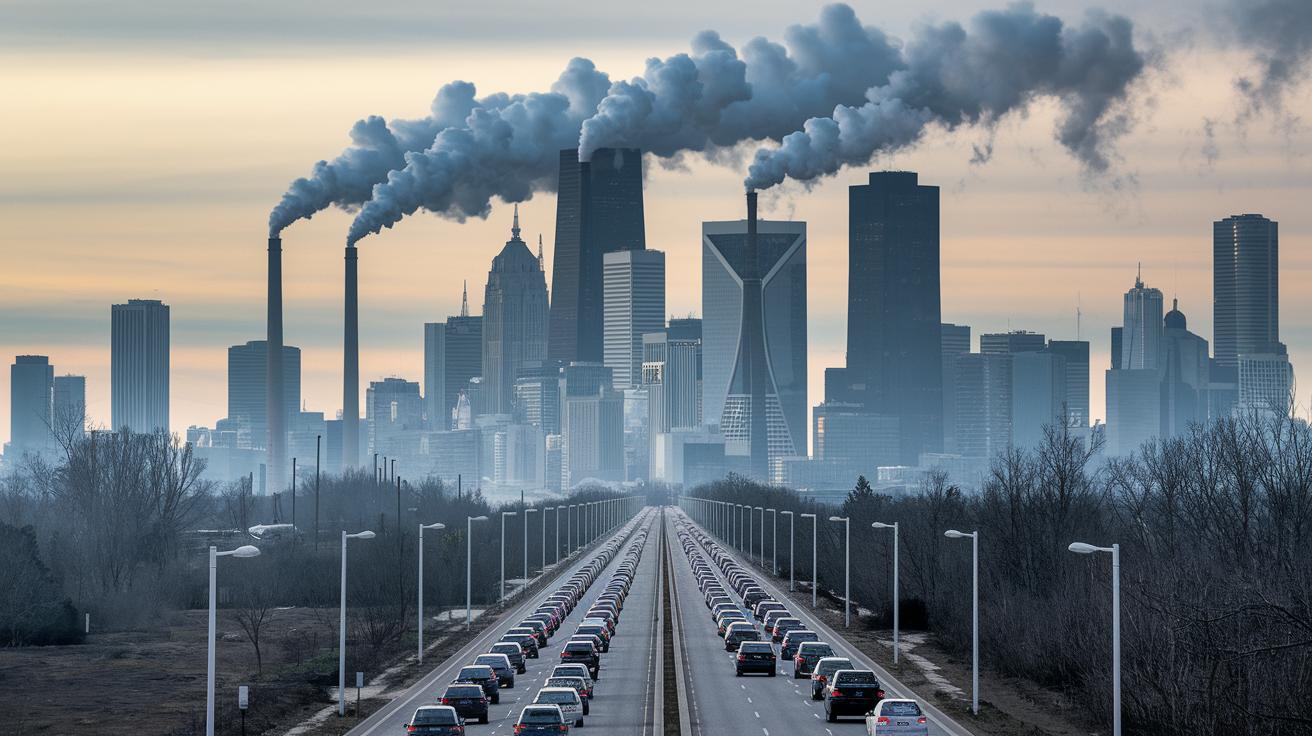
Recent studies from the IPCC show that almost all of the warming happening today is due to human actions, not natural cycles. Everyday activities like burning fossil fuels add gases to our air that trap heat, causing our planet to warm. If you’re curious for more details, check out more on what causes climate change. To put it simply, nearly all the rise in temperature can be linked back to what we do.
A review from 2021 looked at lots of scientific papers, 99% of them agree that human activities are driving climate change. This near-unanimous support from many studies makes it hard to argue that natural changes in the climate alone could cause such fast warming. One researcher put it nicely when saying that this overwhelming agreement leaves virtually no doubt about our impact.
Countries in the West have been responsible for a lot of carbon dioxide emissions over the years. These emissions from industry have left a significant mark on our atmosphere, shaping the warming trends we see today. This lasting effect from past industrial activities also helps governments decide how to cut down on new emissions.
Climate Change Myths: Renewable Energy Costs and Reliability
Wind and solar energy are now much cheaper than gas power over the long haul. When we add up all the costs over a power plant’s life, renewables come out way ahead of fossil fuels. Cheaper setup, lower upkeep, and falling technology prices mean that more people can use energy from the sun and wind. For instance, factories that once burned expensive fuels can now run on affordable renewable power.
Modern battery systems (big batteries that store extra energy) and smart grid software help iron out the ups and downs in power output. This means we still have energy available even when the sun isn’t shining or the wind isn’t blowing. With these advances, energy providers can easily meet our needs no matter if it’s sunny or cloudy. What used to be a big worry about unpredictability is now a challenge we can handle.
Clean energy keeps getting better as costs drop and new technology emerges. Renewables not only offer a cheaper option compared to fossil fuels, but improvements in storage and grid management are making systems more reliable too. With smart energy storage, advanced grid tools, and fair pricing, clean energy is proving itself on the world stage. Thanks to these breakthroughs, we can see that clean energy is a dependable and cost-effective solution that will help support sustainable growth well into the future.
Climate Change Myths Fact-Checking: Data-Driven Strategies

Strong evidence is our best tool when we want to clear up mixed-up claims about climate change. Relying on real data (facts and numbers) helps us figure out what’s true and what isn’t, and it gives us the confidence to ask questions when something doesn’t seem right. Using trusted sources and careful checks builds a solid shield against ideas that just don’t hold up.
- Look at research that experts have carefully reviewed and agreed on.
- Check temperature records from trusted groups like NOAA or the IPCC.
- See if climate models match up with historical weather events.
- Take a close look at who wrote the studies and where their funding comes from to spot any possible bias.
- Compare findings from different well-respected institutions to get a full picture.
These steps help us keep challenging old myths and ensure our conversation stays rooted in science. By always updating our facts with new data and double-checking with reliable, independent sources, we can have informed discussions that inspire smart choices in our communities, in policy decisions, and even in our everyday lives.
Final Words
In the action of myth-busting, we surveyed clear data and tackled climate change myths head-on. We explored how rapid warming, supported by NOAA records, stands against outdated weather tales and misinterpretations of natural cycles. Our look into reliable models and fact-checking steps shows that scientific clarity can pave the way for informed discussions. Keep questioning and sharing insights, it’s a small step toward a brighter, more informed future.
FAQ
Q: Are there top scientists who disagree with climate change?
A: While a few voices question certain details, the vast majority of experts—over 99% of peer-reviewed research—agree that climate change is real and largely driven by human activities.
Q: What do climate change myths in PDFs and other sources claim?
A: Climate change myth documents often mix up natural variations with human impact, but robust scientific data and temperature records show that our warming planet is closely linked to human-caused greenhouse gas emissions.
Q: What common climate change myths persist?
A: Many myths suggest that climate change is a natural cycle or a conspiracy; however, consistent global temperature increases and validated climate models strongly indicate that modern warming is real and largely human-driven.
Q: What evidence refutes claims that climate change isn’t real?
A: Detailed temperature records, validated climate models, and global scientific consensus all provide clear evidence that climate change is occurring rapidly and is primarily linked to human activities like burning fossil fuels.
Q: Is climate change real and man-made?
A: Scientific research confirms that climate change is both real and predominantly caused by human actions, such as the emission of greenhouse gases from burning fossil fuels, based on decades of consistent findings.
Q: What has Elon Musk said about climate change?
A: Elon Musk has voiced strong concern about climate change, advocating for renewable energy and electric vehicles to reduce greenhouse gas emissions and transition away from fossil fuels.
Q: Will 2025 be hotter than 2024 according to current trends?
A: Based on ongoing warming trends and updated temperature records, it is likely that 2025 could record higher average global temperatures than 2024, reflecting the continuous impact of climate change.
Q: What is a surprising fact about climate change?
A: A striking fact is that the last decade was the warmest on record, highlighting how unprecedented the current pace of warming is compared to the gradual natural climate shifts seen over millennia.