
Have you ever wondered what's lurking beyond our blue sky? Space exploration is like a treasure hunt using cool gadgets such as advanced telescopes and smart robots (robots built to travel and gather data) to check out faraway planets, stars, and galaxies. In the past, scientists only had blurry images of distant worlds, but these days we capture amazing details that completely change how we see the universe. In this article, we dive into space exploration as a mix of human bravery and cutting-edge technology, giving us a unique window into the mysteries that shape our world.
Space Exploration Defined: Scope and Meaning
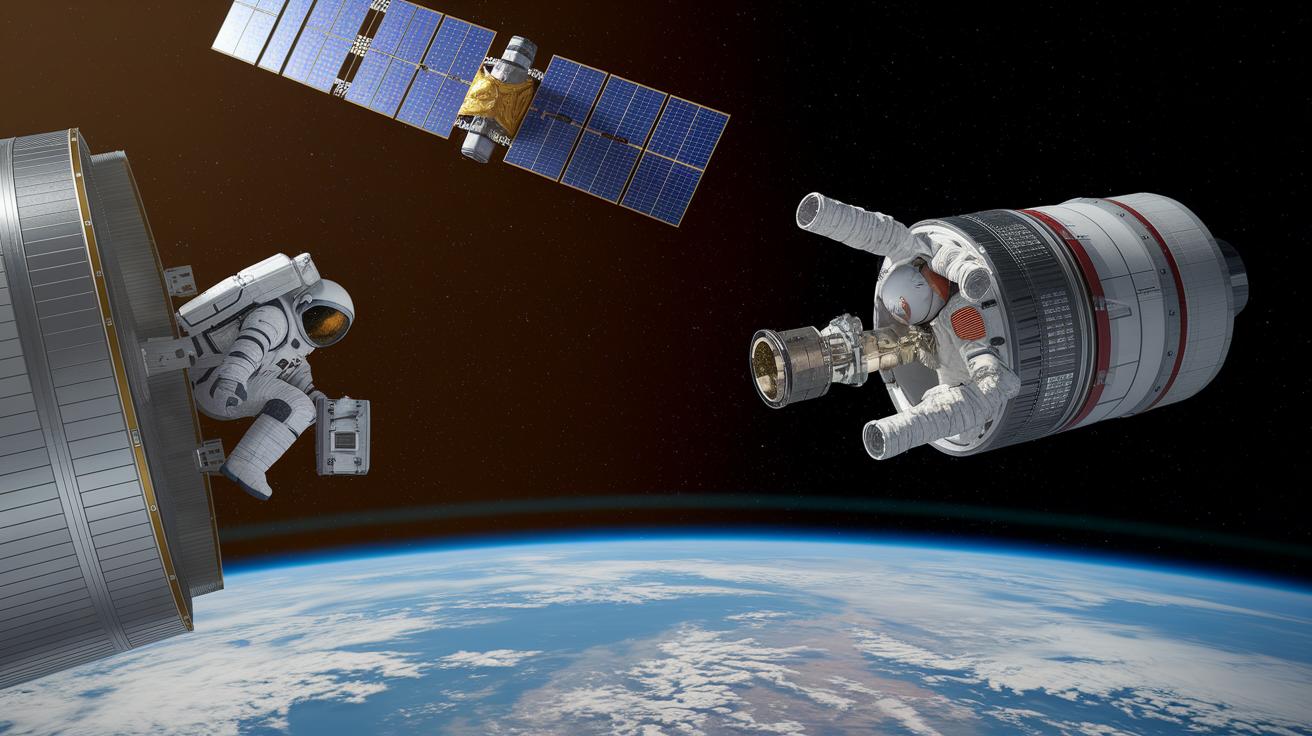
Space exploration is all about studying what lies beyond our world using cool tools like powerful telescopes, orbiting satellites, spaceships, and smart robots. These gadgets help us see stars, planets, and galaxies that are incredibly far away. Before we had something as amazing as the Hubble Telescope, astronomers only got fuzzy images of distant galaxies. Now, they can see details that completely change how we picture our universe.
Missions in space exploration come in two types: manned and unmanned. Manned missions have astronauts onboard who carry out experiments up close, while unmanned ones use clever probes to gather important data on their own. Imagine an astronaut working hard on a spacecraft while a robotic rover explores Mars at the same time. It’s a great mix of human talent and automated smarts.
Overall, space exploration is a broad field that expands our knowledge of the universe. It drives exciting advances in interplanetary travel and astrophysics (the study of stars and space), giving scientists fresh insights into how the cosmos works. And it doesn’t just end in the lab, this work influences education, sparks new inventions, and fills us with a shared sense of wonder about the world beyond our own.
Origins of Space Exploration: Early Efforts and the Space Race

During the Cold War, countries were locked in a contest to show off their technology and military strength. It was like a race where proving your skills meant reaching far beyond Earth. Have you ever imagined nations like the Soviet Union and the United States testing rockets to see which one could fly faster? That fierce rivalry got people thinking about what lay beyond our skies.
It all began with the Soviet launch of Sputnik 1 on October 4, 1957. This was the first time a man-made object orbited our planet. Then, on April 12, 1961, Yuri Gagarin made history by becoming the first human in space. And just a few years later, on July 20, 1969, Neil Armstrong set foot on the Moon during NASA’s Apollo 11 mission, a moment that forever changed how we see our place in the universe.
At first, the focus of rocket technology was all about military defense. But soon, scientists started using these rockets to explore and learn more about space. This change set the stage for today’s research missions, which not only uncover the mysteries of the cosmos but also inspire us to keep reaching for the stars.
Types of Space Exploration Missions

Space exploration comes in two basic types: missions with people aboard and those run by robots. Each kind of mission helps us learn more about space by mixing technical details with a bit of history.
- Orbital missions keep a steady path around a planet so scientists can study its air and invisible magnetic forces. Think of them like the early satellites that set the stage for today’s weather reports.
- Planetary flyby missions zoom past planets to snap quick pictures and check what the atmosphere is like. This idea has been perfected since the first space probes.
- Lander and rover missions actually touch down on a planet’s surface to gather rock samples and data using remote instruments. Recent missions have given us amazing close-up views of the planet’s surface.
- Crewed station missions send people into orbit to do experiments and test new technology. The International Space Station is a great example, a floating lab where research happens every day.
- Deep space probe missions travel far away from Earth so we can learn about the space between stars. They build on the work of early probes that sent back data from outside our solar system.
Choosing between missions with human explorers and robot missions means balancing direct, hands-on discovery with the benefits of advanced technology. People can fix problems on the spot in space, while robots can go where it is too dangerous or far away for a person.
Manned Exploration
Manned missions, like the Apollo trips to the Moon and today’s station experiments, give us immediate scientific insights. Early Moon landings, for instance, not only brought back rock samples but also offered a first-hand look at our celestial neighbor.
Unmanned Exploration
Robotic missions use special sensors and remote systems to explore planets, asteroids, and far-flung regions of space. These missions face tough challenges like extreme cold or heat and the delay in signals coming from far away. They help push forward our understanding of robotics (machines that perform tasks automatically) and new materials that can handle harsh conditions.
Space Exploration Milestones: A Historical Timeline
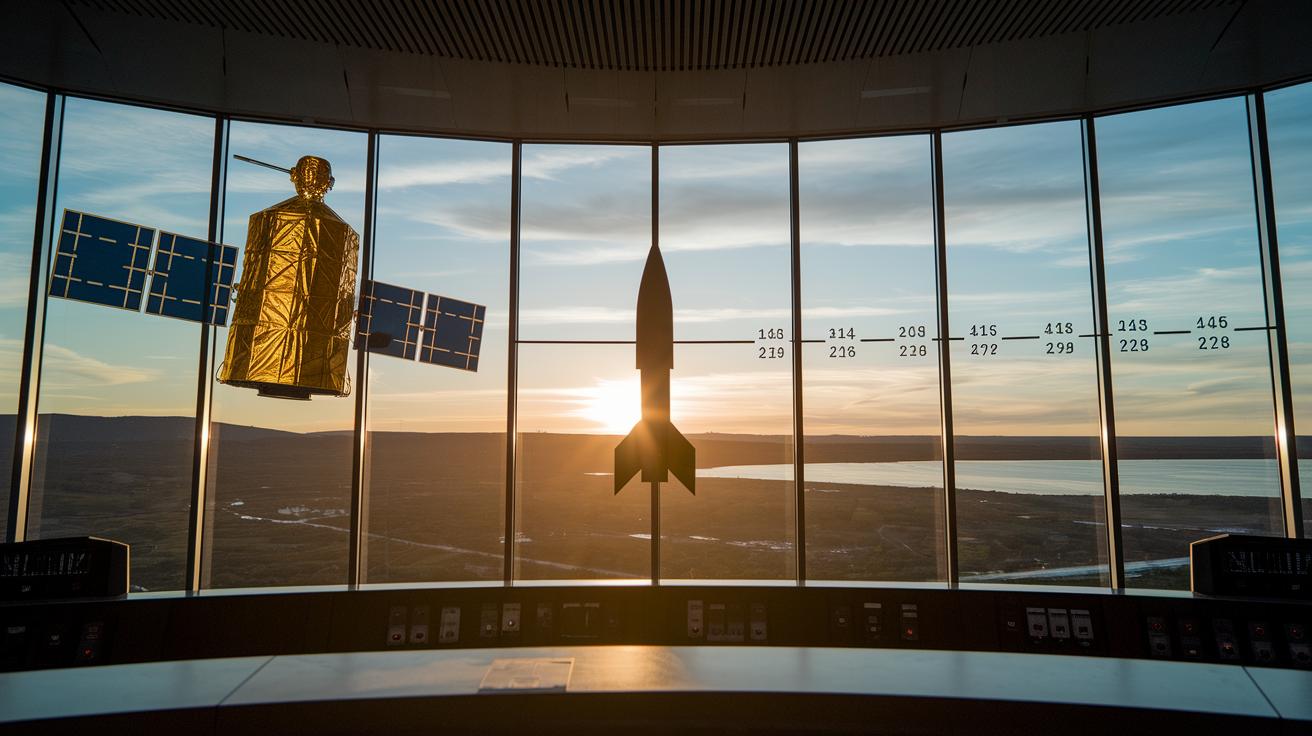
Space exploration is filled with inspiring milestones that have helped guide our journey into the great unknown. Each major event not only boosted our technical skills but also changed how we view our place in the universe. Think of every breakthrough as a stepping stone that brought scientists, engineers, and dreamers closer to the stars.
| Year | Event |
|---|---|
| 1957 | On October 4, 1957, Sputnik 1 soared into space as the first man-made satellite, marking the start of our modern space adventure. |
| 1961 | On April 12, 1961, Yuri Gagarin became the first human to venture into space, opening a bright new chapter for human space travel. |
| 1969 | On July 20, 1969, Apollo 11 touched down on the Moon. With six Apollo missions through 1972, these missions set the stage for deep lunar exploration. |
| 1981 & 1986 | The Space Shuttle Columbia lifted off on April 12, 1981, and then, on January 28, 1986, the Challenger disaster reminded us of both our triumphs and the need for caution. |
| 1998 | In 1998, assembling the International Space Station began, showcasing a new spirit of global teamwork in space science. |
These remarkable milestones reshaped how we explore the cosmos. They have influenced the design and goals of later missions and continue to inspire new generations to look up with wonder. Each achievement challenges our limits and encourages us to collaborate as we push further into the vastness of space.
Significance of Space Exploration: Scientific and Economic Benefits
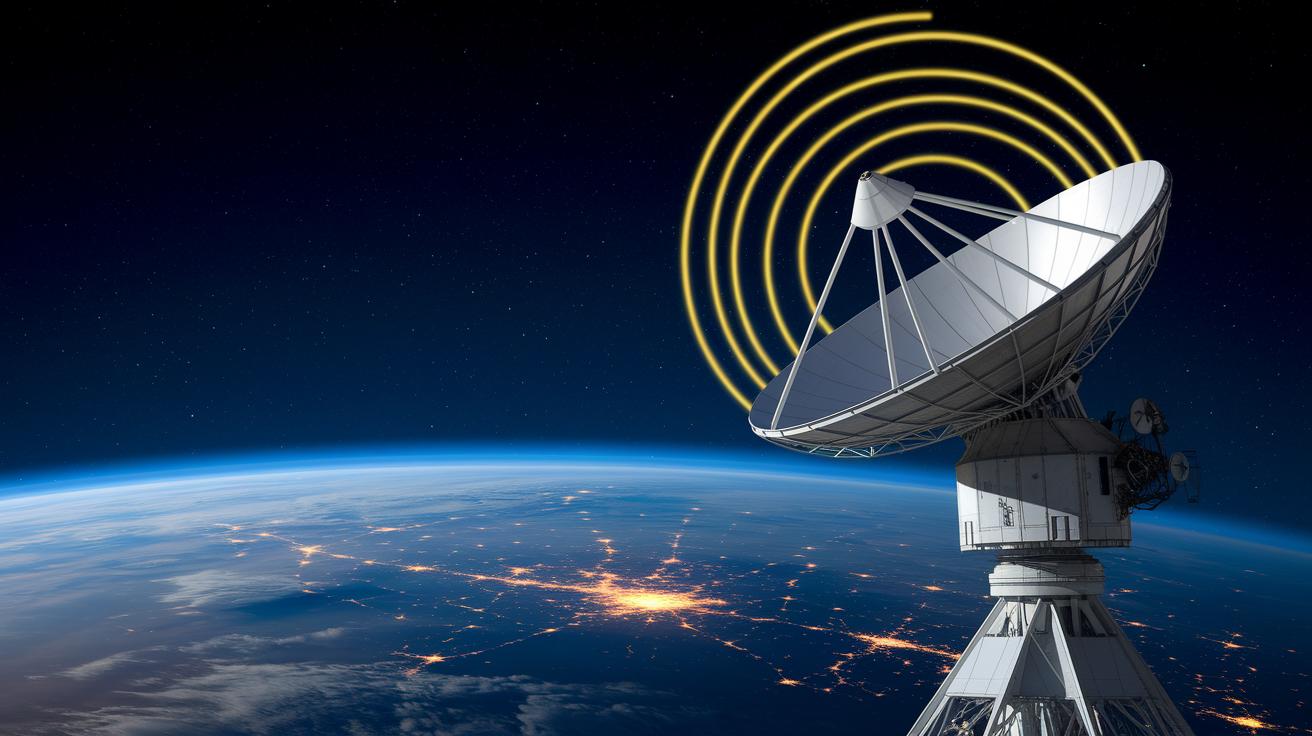
Space exploration helps us learn more about the universe, from stars and planets to the natural forces at work. It reveals clues about how everything began and uncovers the basic rules of nature. For example, scientists once looked closely at a single satellite signal and later connected it to new insights about electromagnetic forces (the forces that act between charged particles). This kind of discovery not only sparks our curiosity but also lays the groundwork for more future research.
The technology we develop for space missions often finds its way into our everyday lives. Tools first created for orbiting satellites have evolved into things like GPS systems and improved weather forecasts. Imagine a space gadget that is later used in your home or school, it shows us that breakthroughs in space can make daily living safer and easier.
Space exploration also boosts our economy and creates new jobs. The high-tech industries behind space research lead to new business opportunities and spark creative educational programs. In truth, investing in space helps build a stronger, more innovative future for all of us.
Challenges in Space Exploration: Risks and Hazards
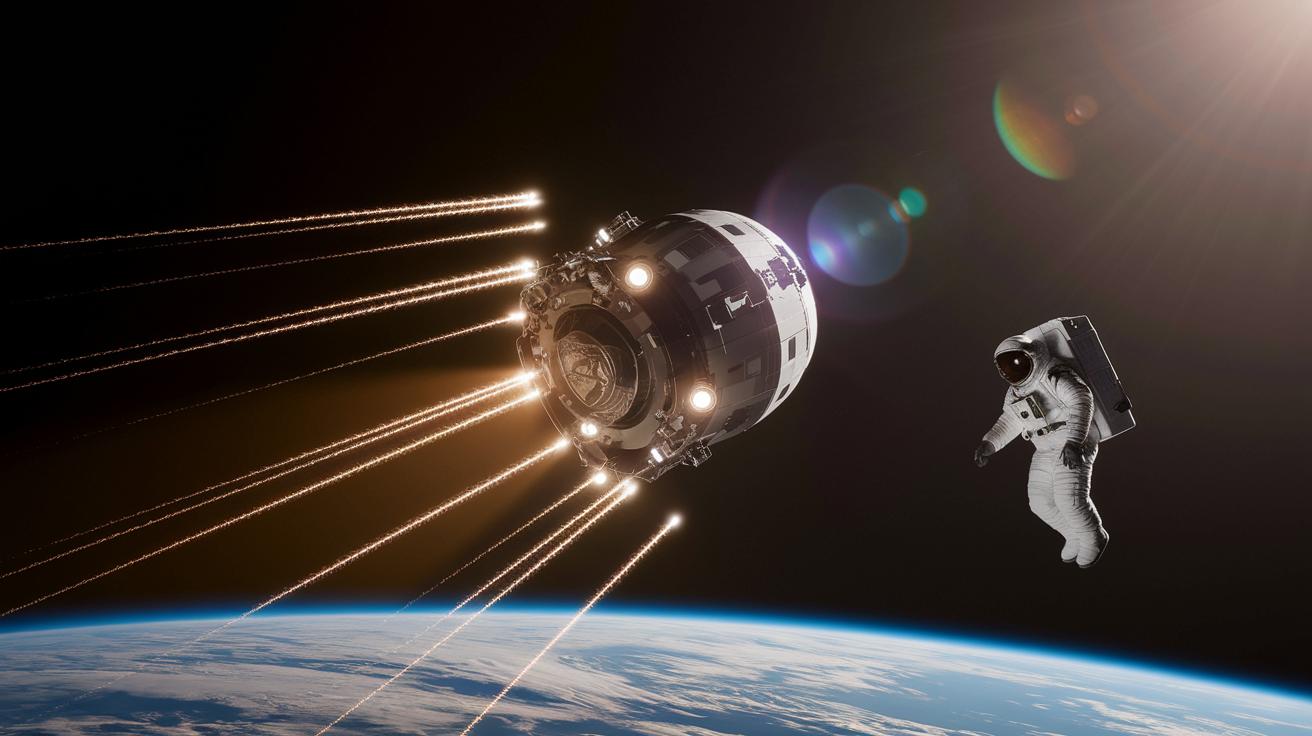
When we send spacecraft far out into deep space, they face a bunch of tough challenges that test our technology and our own endurance. The craft get hit by cosmic rays (high-energy particles from space) and charged particles that can damage equipment, while even tiny specks floating around out there can hit hard. Add to that the wild temperature swings, from freezing cold to scorching heat, that stress even the sturdiest materials. And, astronauts have to deal with weightlessness, which can make muscles weak and even affect how they feel mentally.
- Radiation exposure: Constant hits from high-energy particles are dangerous for both people and machines.
- Micrometeorite strikes: Tiny space rocks can crash into and harm important parts of the spacecraft.
- Systems breakdown: The harsh space conditions can cause essential equipment to malfunction.
- Crew health challenges: Long missions in tight spaces put both the body and mind under a lot of strain.
Managing these risks isn’t just about having cool new technology. It also involves dealing with money and careful planning. Every mission needs a clear cost-versus-benefit check. Rising costs for safety and backup systems mean that planners have to be very thoughtful, making sure each mission is as safe and efficient as possible while still pushing the limits of what we can achieve in space.
Future of Space Exploration: Next-Generation Missions
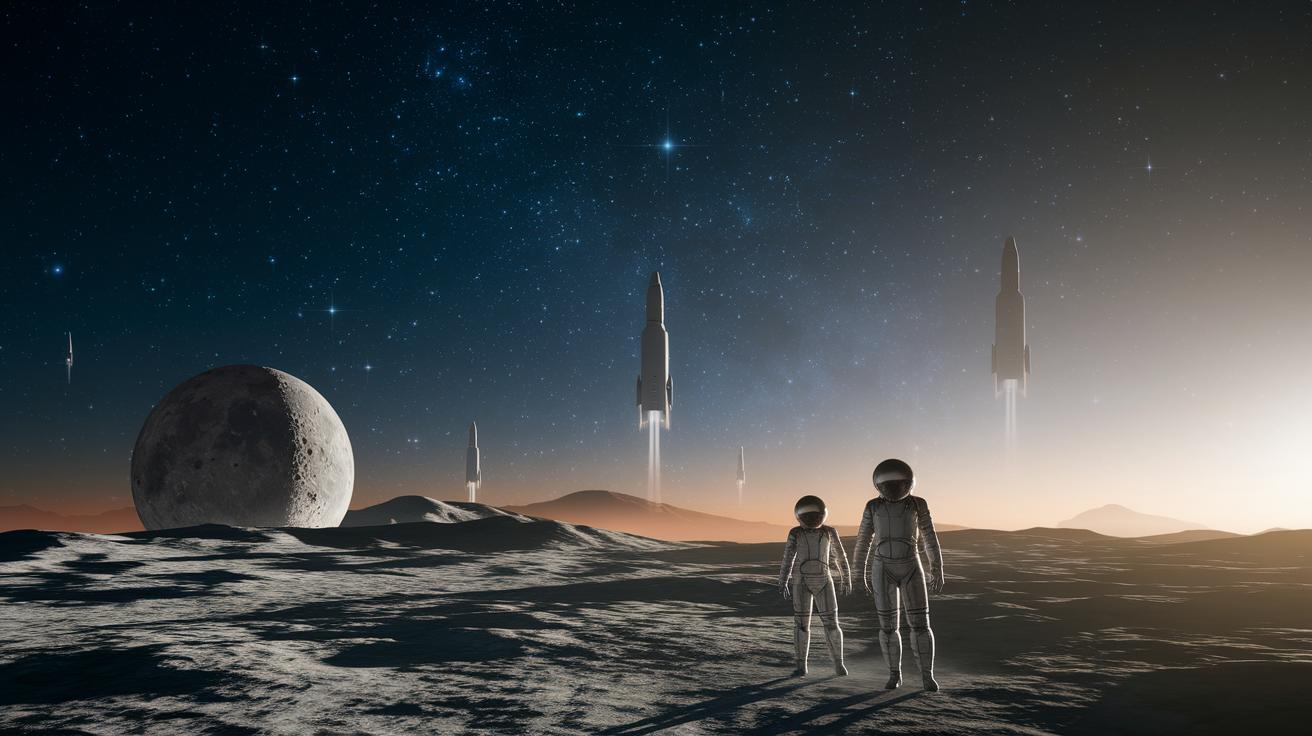
Looking ahead, big plans are in the works for both Mars and the Moon. NASA’s Artemis program will send astronauts to a new space station near the Moon called Gateway, which will help launch future trips to Mars. They’re also working on new spacecraft like Orion and Starship to take us even deeper into space. These efforts will help us learn more about other worlds and might even let more people travel beyond Earth. Check out nasa life on mars for a look at this daring mission.
Around the world, commercial companies and different countries are joining forces. Organizations like NASA, ESA (the European Space Agency), Roscosmos (the Russian space agency), and several private firms are pooling their resources and expertise. This global teamwork not only cuts down on costs but also speeds up new technology development, making space exploration even more exciting.
And there’s more on the horizon. New advances in propulsion (how rockets move), life support systems (which keep astronauts safe), and spacecraft design are gearing up to make deep-space missions safer and more efficient than ever. These breakthroughs could turn our wildest dreams of interplanetary travel into reality, opening up a whole new chapter in our exploration of the universe.
Final Words
In the action, our blog post defined space exploration (the scientific study of outer space using smart tools) and described its mix of manned and unmanned missions.
It traced early milestones from Sputnik to Moon landings and showcased different mission types. The discussion touched on the benefits, challenges, and bright prospects that shape research in this field.
Overall, space exploration continues to spark wonder, providing us fresh insights and inspiring future scientific breakthroughs.
FAQ
Q: What is the definition or meaning of space exploration for students, in PDFs, essays, Wikipedia, research, or for kids?
A: The definition of space exploration means using advanced tools like telescopes and spaceships to study outer space. It includes both human and robotic missions that help us understand our universe.
Q: Why is space exploration important, and what are 10 reasons it matters?
A: The importance of space exploration means it drives scientific breakthroughs, fuels new technology, creates economic opportunities, inspires young minds, and deepens our understanding of Earth and the cosmos in many practical ways.
Q: What are the 4 types of space exploration?
A: The meaning of the 4 types of space exploration means missions are typically divided into orbital, flyby, landing (with rovers and landers), and deep space probe missions, each designed to study different aspects of space.
Q: What is the history of space exploration?
A: The history of space exploration means it began with early milestones like Sputnik, advanced with the first human flight and Moon landing, and has since evolved into a continuing effort that shapes our view of the universe.