Have you ever thought about having a little doctor in your pocket? Imagine an app that keeps track of your daily health numbers and gives you advice made just for you, all on your phone.
These digital therapeutics apps (tools that use technology to help treat long-term illnesses) are changing how we take care of chronic conditions. Since more than 75% of healthcare money goes toward managing long-term problems, these apps offer a smart way to handle issues like diabetes or heart troubles.
They work by giving you personal care and quick feedback every step of the way, so you always know what's going on with your health.
How Digital Therapeutics Apps Transform Chronic Disease Care
Digital therapeutics are tools built with computer programs (software) that sometimes work with physical devices to help treat or manage health issues. These apps are designed for long-lasting conditions like diabetes, heart problems, and breathing issues. Chronic diseases account for over 75% of healthcare costs around the world, so managing them well is really important. Picture an app that reminds you to record your daily health details or nudges you to take your medicine, it’s a new way to look after chronic illnesses.
These digital tools make care easier and more personal. They give people help whenever they need it, even if getting to a doctor is tough. Because they monitor your health in real time, they can adjust advice based on what you do each day and your vital signs (basic health measures like heart rate). Have you ever been surprised when an app warned a patient about a small change in their numbers that needed a check-up? Moments like these show how digital therapy apps empower us to take charge of our own health.
The use of these apps is growing fast. In 2025, this market is set to bring in $6.8 billion, and experts expect it will hit $10.1 billion by 2029. This exciting growth is thanks to smart software combined with simple devices, like connected glucometers (tools that measure blood sugar). In short, these innovative solutions are not only making chronic disease management easier but also paving the way for a future where healthcare is more responsive and smarter.
App-Enabled Digital Therapeutics: Core mHealth Tools for Chronic Disease Management
Diabetes Self-Care Platforms
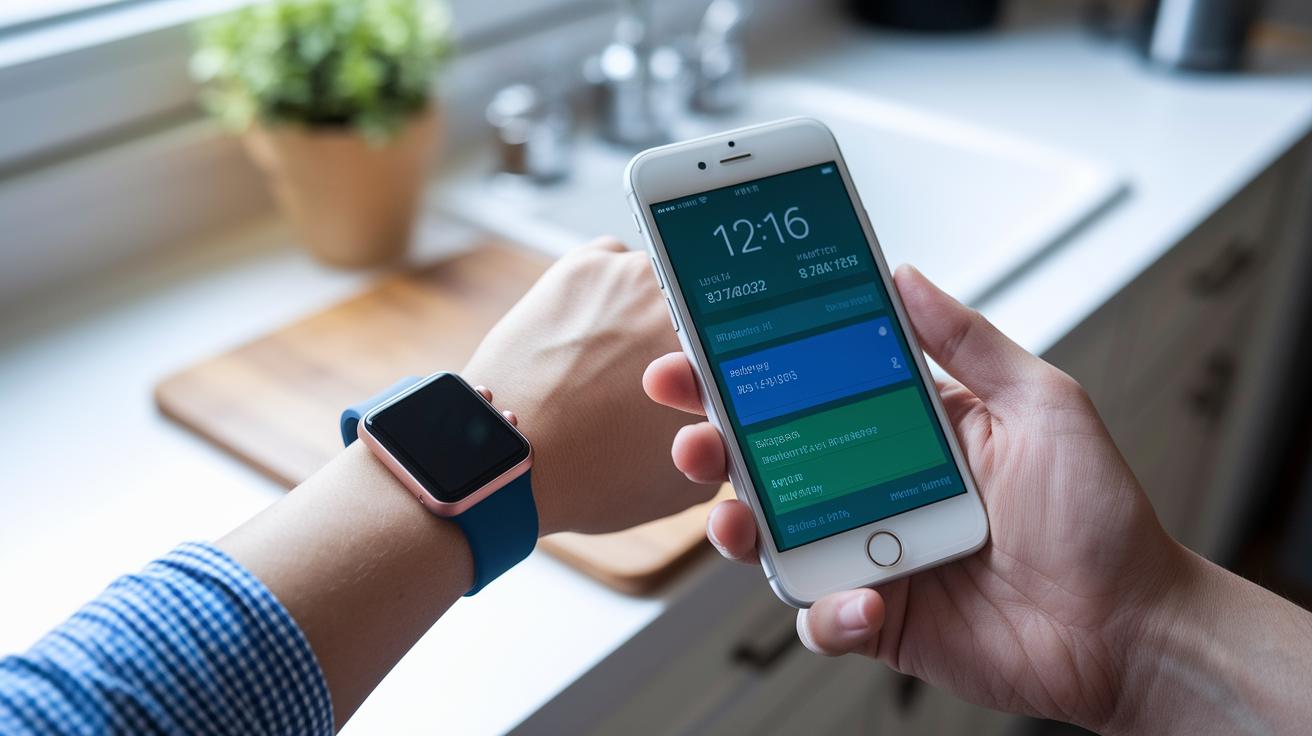
Diabetes apps make it easier to keep track of blood sugar. They let you log your numbers, help calculate your insulin needs, and remind you to watch your diet and exercise. They even work with wearable devices to give you quick feedback. Many users, about one in three, say these tools help them feel more in charge of their health. The apps work smoothly with devices you wear to give you helpful updates all day long.
Digital Mental Health Tools
Mental health apps offer support through guided therapy (like simple, step-by-step counseling), mood tracking, and even virtual coaching for depression and anxiety. They provide advice that feels personal to you, keeping an eye on your mood and suggesting ways to feel better. Around one in three users find that these apps give them customized care using real-time data, making mental health support easier to get when it's needed.
Cardiovascular and Respiratory Monitoring Apps
These apps focus on keeping an eye on vital signs like blood pressure and symptoms of lung troubles (such as in COPD). They work with wearable devices to constantly check your readings and alert your doctor if something seems off. With clear, timely notifications, users are prompted to stick to their medication and stay actively involved in their health care. This steady stream of feedback helps both patients and clinicians respond quickly to any changes.
Evidence-Based Outcomes: Case Studies in App-Mediated Chronic Disease Control
We’re excited to share three real-life examples of how digital health apps are helping people manage long-term illnesses. One app for diabetes management brought about an average A1c drop of 1.2 points over six months. Another tool designed for high blood pressure reduced systolic pressure by 10 mmHg within just three months. And a remote-monitoring solution for COPD cut hospital readmissions by 25%. Users have also pointed out that these apps make care more accessible and tailored to their needs. These stories show that using data to guide care can truly transform how we manage chronic diseases.
| Platform Details | Health Condition | Outcome Metric Details |
|---|---|---|
| Advanced Comprehensive Diabetes Management Application | Diabetes | This app helped users lower their A1c levels by 1.2 points over six months when used consistently. |
| Innovative Hypertension Control Platform | Hypertension | The platform reduced systolic pressure by 10 mmHg within three months, proving its reliable impact. |
| Robust COPD Remote-Monitoring Solution | COPD | With its proactive care approach, this tool led to a 25% drop in hospital readmissions. |
Regulatory Pathways and Reimbursement Frameworks for Digital Therapeutics Apps

The FDA is now approving digital therapies that work as software programs paired with certain devices. These tools fall into a special group called “software as a medical device” (this means they are treated like a medical tool even though they are apps). Because of this, developers have to stick to strict guidelines and handle health data with extra care. They must use secure methods to protect patient information and follow rules like HIPAA (a U.S. law that protects your health information) and GDPR (European rules that guard your personal data). If an app proves it can help patients and stays safe, it can earn the title of a certified mobile therapy. This gives doctors and patients confidence that these new tools are both reliable and safe.
Current tests are looking at ways to make sure payments work fairly. Payers are trying out new contracts that pay based on the results the app delivers. In other words, if an app helps improve a person’s health, then payment is tied to that success. While some early pilots have started, these systems are still in the testing phase. The big challenge is to design payment methods that properly reward the improvements seen in patients using these digital tools. Many experts are watching closely, hoping that in the near future, smart policies will make digital health care both easier to access and more effective.
Market Trends and Next-Generation App-Led Treatment Protocols in Digital Therapeutics
AI and Machine Learning in Mobile Therapy
Investment in digital therapeutics is growing fast. Big tech and healthcare companies are pouring funds into this space from 2023 to 2025. These smart apps use advanced algorithms (computer programs that learn from data) to review tons of patient information in real time. They quickly spot patterns and warn patients early with personalized alerts. Imagine an app that adjusts your care plan automatically when it detects even a small change in your readings. With strong AI diagnostics at its core, these apps are shifting care from just reacting to problems to preventing them, making it easier for both patients and clinicians to catch issues before they become serious.
Integration with Telehealth Platforms
The future of healthcare is blending virtual appointments with constant monitoring. Soon, video visits, electronic health records, and remote tests will work together in a smooth, everyday experience. Digital therapeutics are transforming into platforms that can adapt quickly using real-time analytics (tools that analyze data as it comes in). As this change gathers momentum, integrating telehealth promises better data sharing and improved oversight by clinicians. The combined power of AI tools and virtual care means treatments are not only timely and personalized but also capable of keeping up with the fast-changing market trends in managing chronic diseases.
Final Words
In the action, digital therapeutics are reshaping patient care with smart, easy-to-use apps that provide real-time health monitoring and personalized support. The article showed how these tools assist chronic care, boost self-management, and support better outcomes through regulation and market growth. We also saw how AI, telehealth, and wearable integrations are fueling this shift. The digital therapeutics revolution: app-based interventions for chronic diseases is paving the way for brighter, healthier days ahead.
FAQ
What are some examples of digital therapeutics?
Digital therapeutics examples include software-based tools like diabetes self-management apps and platforms that support mental health therapy, helping manage conditions through technology-driven care.
What is the list of FDA approved digital therapeutics?
The list of FDA approved digital therapeutics features products cleared as medical devices. They include various app-based interventions designed to manage or treat chronic conditions following rigorous regulatory review.
What are digital therapeutics for mental health?
Digital therapeutics for mental health refer to app-based solutions, such as cognitive behavioral therapy platforms and mood trackers, that aid in managing conditions like depression and anxiety with personalized support.
Who are the digital therapeutics companies?
Digital therapeutics companies develop software-driven treatments and work with healthcare providers to deliver app-based solutions that improve patient outcomes through real-time data and personalized care.
What digital therapeutics apps are available?
Digital therapeutics apps include platforms for monitoring diabetes, mental health, and cardiovascular conditions. They offer real-time tracking and personalized data to help patients manage their health effectively.
What is the Digital Therapeutics Alliance?
The Digital Therapeutics Alliance is a group that promotes industry standards and best practices for app-based treatments, supporting the growth of digital therapies that improve patient care and outcomes.
What are digital therapeutics products?
Digital therapeutics products combine app-based interventions and sometimes hardware to manage medical conditions. They offer personalized, data-driven care that supports patients beyond traditional treatment methods.
What is the digital therapeutics market like?
The digital therapeutics market is rapidly expanding, with projected revenue growth from $6.8 billion in 2025 to $10.1 billion by 2029, driven by increased demand for remote and personalized healthcare solutions.