
Have you ever wondered if changing our rules could help keep our air clean? The EPA is switching things up by replacing older guidelines with stricter rules based on the best science available. This move brings together the law and new research to cut down on harmful pollution and promote clean energy.
The new plan includes tighter limits on pollutants and advanced tools for tracking air quality. With these changes, the EPA hopes to guide us toward air that’s safer to breathe and a healthier climate for everyone.
EPA Climate Change Overview: Agency’s National Strategy
The EPA has mapped out a clear strategy to fight climate change by setting big national goals and relying on strong legal rules. Recently, the agency said it will remove an Obama-era rule from 2009 that said greenhouse gases could harm public health. Administrator Lee Zeldin mentioned that this change takes away the legal base for many of today’s climate rules. At the same time, programs like President Biden’s 2022 tailpipe emissions standards are aiming to lower CO₂ emissions to 40% below 2005 levels by 2030. These moves, along with efforts to set and enforce pollutant limits, are shaping the EPA’s plan and research on cleaner air. For a simple rundown on climate change basics, check out “what is climate change” (https://buzzyandclever.com?p=180).
EPA’s new policy mixes its legal powers with a promise to make breakthrough discoveries in climate science that back sustainable practices. Their efforts show just how important solid research, careful data collection, and smart investments in climate modeling (a way to simulate and predict climate behavior) are for our future. This shift clearly signals how the EPA will balance strict rules with scientific insights as it tackles our warming world.
- Establish a modernized emissions reporting framework
- Increase support for clean energy research
- Invest in innovative climate science breakthroughs
- Strengthen cross-agency policy coordination
- Advance community involvement in environmental monitoring
The agency is also using fresh modeling methods and better ways to integrate data, which help it make smarter decisions and better predict climate impacts. These new tools bring more clarity to how different parts of our environment interact, reinforcing EPA’s commitment to a straightforward, science-based approach to national climate policymaking.
EPA Climate Change Legal Framework and Authority

The EPA gets its power to control greenhouse gases directly from the Clean Air Act. This law tells the agency to keep our air clean by setting clear limits on harmful emissions. In simple terms, the EPA is on a mission to protect our health by cutting down on pollution.
One important court case, American Electric Power v. Connecticut (2011), backs up this power. The Supreme Court decided that carbon dioxide is a pollutant that the EPA can regulate under the Clean Air Act. Some critics believe that any move to weaken these rules goes against what the court said. The message is clear: we must defend our air quality with solid legal standards.
Another key part of the EPA’s work is the "endangerment finding." This finding marks greenhouse gases as a threat to public health, guiding the agency in its efforts to reduce emissions. Many people point out that without this foundation, it would be much harder to protect our air. This principle continues to support strong actions to cut emissions and keep the environment safe.
EPA Climate Change Emissions Reporting and Data Integrity
The EPA's Greenhouse Gas Reporting Program is at the heart of its work to watch our greenhouse gas levels and keep track of carbon emissions. It collects detailed figures on how much carbon is released by different parts of our economy. A clear and honest reporting system does more than gather data, it builds trust with everyone involved. Imagine a huge network where every emission is like a note in a beautiful symphony of data, coming together to tell our environmental story.
This program pulls in loads of information from many sources, examining hundreds of data points to create a reliable snapshot of carbon emissions across the country. The EPA shows this information on easy-to-read dashboards so that producers and lawmakers can see important trends and make smart choices. It’s much like a finely tuned instrument, catching every little nuance of our carbon footprint.
Now, there’s a proposal that could change this well-oiled machine by breaking up the channels for reporting and increasing costs for U.S. producers. Experts warn that scaling back these measures will weaken the trustworthiness of the data, much like a well-organized library losing its catalog. Many have voiced their concern and stressed the need to keep our emissions data clear and continuous.
There are also fresh ideas on the table to boost and secure data honesty. Some experts suggest using even smarter dashboards and sharper statistical reviews to better capture our carbon footprints. These innovations promise to make sure the EPA’s data stays reliable and a trusted guide for environmental decisions. Clear data is like a compass that directs us towards effective policies and lights the way to a cleaner future.
EPA Climate Change Funding and Support Mechanisms

The EPA runs a range of grants and financial tools designed to back projects that cut harmful emissions, boost renewable energy, and help communities grow stronger. Programs like the Clean Air Grant Initiative and Renewable Energy Deployment Incentives provide support to local governments, non-profits, and even businesses planning to improve environmental conditions. One key partner, the Green Climate Fund, plays a big role in supporting renewable projects and environmental justice efforts across the nation.
If you want to apply for EPA funds, you'll need to meet clear eligibility criteria. That means showing a solid plan to reduce greenhouse gases, improve energy efficiency, or adopt renewable technologies (like solar and wind power). The EPA picks projects based on how they boost public health and the environment, along with their potential to expand and make a real difference. Plus, a special focus is on helping communities that have long faced heavy pollution by making sure they have better access to these funding opportunities.
Measuring results is a core part of these efforts. Projects are evaluated through measurable improvements, such as reductions in emissions, increases in renewable energy capacity, and better air quality for communities. These tracked outcomes shape future funding choices and ensure that public money effectively leads to cleaner air and sustainable local economies.
EPA Climate Change Policy Debates and Controversies
Some state lawmakers and climate experts are really upset about the EPA's new moves. They point to the decision to cancel the endangerment finding (a rule that shows certain pollutants harm our health) and the plan to cut back on the program that tracks greenhouse gases (gases that trap heat in our atmosphere). Critics believe that ignoring legal traditions makes our environmental rules weaker and puts our communities at greater risk from the effects of climate change. One expert even said, "Our air quality and public health should not be treated as bargaining chips," showing a deep worry that these changes could break the public's trust in our protections.
This debate has become a hot topic in the political arena. News on November 5, 2025, connected these choices to other big political issues like the discussions around Trump’s birthright citizenship plan and heated debates in the Supreme Court about tariffs (taxes on imported goods). Many people feel that the EPA's actions seem to push a narrow political view instead of relying on solid science and long-time legal rules.
Now, some suggest ways to fix the situation by bringing back clear, open practices and confirming that emissions data is trustworthy. Ideas include tightening up the rules on how companies report their emissions and boosting oversight on how data is managed. These changes could help everyone, from regulators to businesses, feel confident that our environmental risks are watched closely and the numbers we rely on for making policies are correct.
EPA Climate Change Future Goals and International Commitments
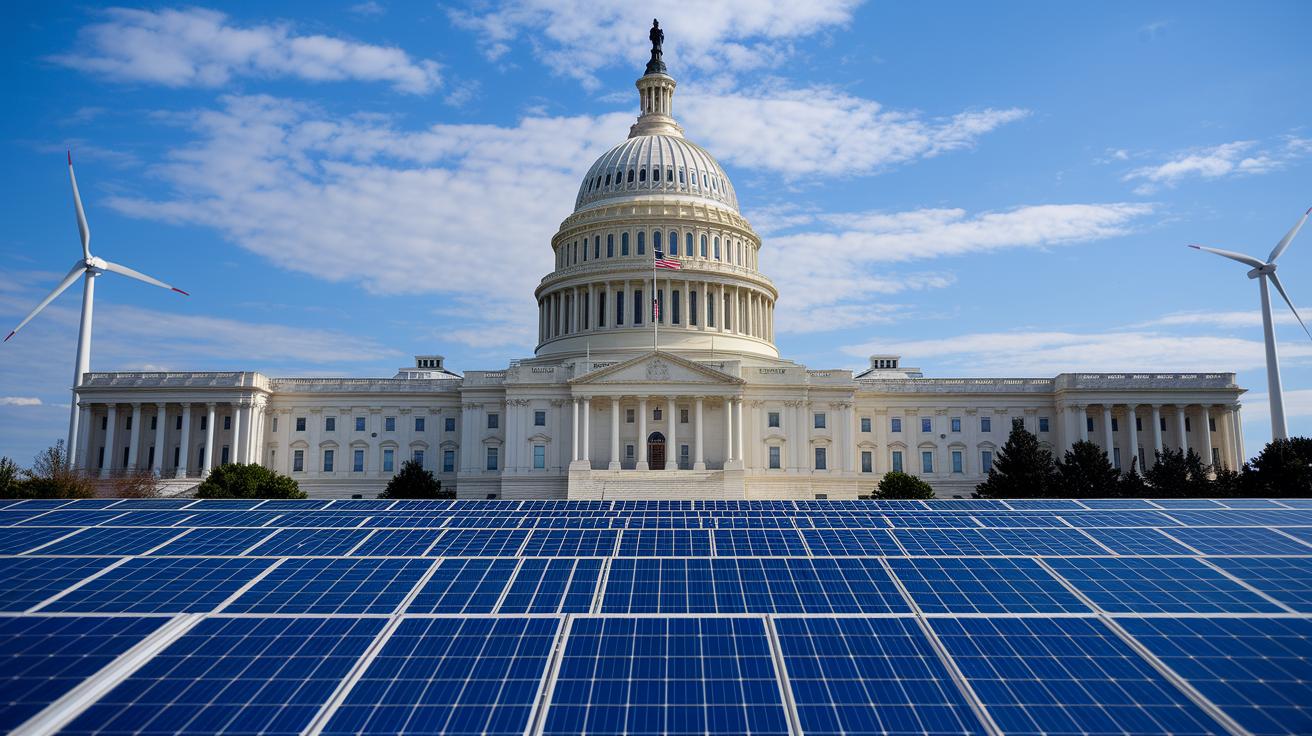
The EPA is fully behind global agreements like the Paris Agreement. They are working hard to cut harmful emissions and aim for a net-zero future by 2050. This means moving toward more renewable energy and cleaner systems. For a wider look at these ideas, check out what causes climate change. Basically, the EPA wants U.S. climate work to match efforts around the world to care for our planet.
The agency also sets new goals that ask for sharper cuts in emissions and stricter oversight. Studies of the Paris Agreement have shown clear ways to improve, pushing the EPA to sign on to even tougher commitments. This not only helps the environment but also protects public health. The agency’s fresh focus on these plans comes from a strong international push, giving a clear plan for what lies ahead.
At home, the EPA is updating national climate plans so they fit with international standards. They are working to enforce tougher limits on pollution, increase the use of renewable energy, and encourage green technology. This joined-up approach makes sure U.S. policies help reach the goal of net-zero emissions, leading to a cleaner and healthier future for everyone.
Final Words
In the action, we explored how the EPA tackles climate issues through clear national strategies, legal mandates, and innovative data reporting. The blog shed light on the agency's methods for collecting emissions data, funding support, and policy debates.
We also saw how emerging trends in epa climate change affect real-world efforts to reduce pollution and boost environmental safety. It’s exciting to witness science and policy coming together in practical, everyday ways to build a more informed future.
FAQ
What do EPA climate change indicators and the 10 indicators of climate change show?
The EPA climate change indicators highlight measurable signs like warming temperatures, rising sea levels, and melting ice to clearly signal shifts in our climate patterns.
How is the EPA involved in climate change actions and what impacts do its strategies have?
The EPA’s role in climate change involves setting emission standards, conducting research, and enforcing rules that shape national strategies and influence environmental outcomes.
How is EPA climate change discussed on Reddit?
The EPA climate change discussions on Reddit revolve around policy shifts, debates on rule changes, and public opinions about the agency’s approach to tackling climate risks.
How did Trump’s administration affect EPA climate policies?
The Trump administration affected EPA climate policies by rolling back previous rules, altering enforcement priorities, and triggering debates over the impacts of these regulatory shifts.
What insights do EPA climate change reports, including the 2022 findings, provide?
The EPA climate change reports, such as the 2022 update, provide detailed data on emission trends and the effects of regulatory actions, offering a clear basis for shaping future policies.
What will happen if we don’t stop climate change by 2050?
The unchecked progression of climate change by 2050 may lead to more extreme weather, rising sea levels, and serious impacts on public health and natural ecosystems.
What is the EPA 2027 rule about?
The EPA 2027 rule outlines revised standards aimed at further reducing greenhouse gas emissions and protecting public and environmental health through updated regulatory guidelines.
What are common EPA violations in environmental regulations?
The most common EPA violations include failures to meet emission limits, inaccuracies in environmental reporting, and noncompliance with established public health and safety protocols.