
Ever thought a tiny metal ball could change our view of the world? Back in 1957, a little satellite beamed simple radio signals that bounced all around the Earth. Those short beeps spoke volumes about what we humans can create. Some folks even believe its design proved that space was open to anyone brave enough to take a shot. This post shares the story of that daring launch and shows why that very first satellite still fires up our imaginations today.
Key details of the first satellite in space: Sputnik 1's historic launch
Sputnik 1 was the very first satellite to orbit our planet. Launched by the USSR on October 4, 1957, and led by the famous rocket scientist Sergei Korolev, this little ship measured just 23 inches across and weighed 184 pounds. Inside, it carried radio transmitters that beamed out signals at 20.005 MHz and 40.002 MHz (that’s just a way to talk about its radio channels). Both science fans and experts tuned in to catch its beeps.
This simple yet clever satellite quickly became a sign of breakthrough technology during the intense space race. It proved that man-made objects could circle the Earth with relatively straightforward design. In truth, Sputnik 1 sparked a burst of interest in space research all over the world, reminding us that even something small can connect our planet and open up bold new paths in exploration.
Technical design of the first satellite in space: Sputnik 1 specifications
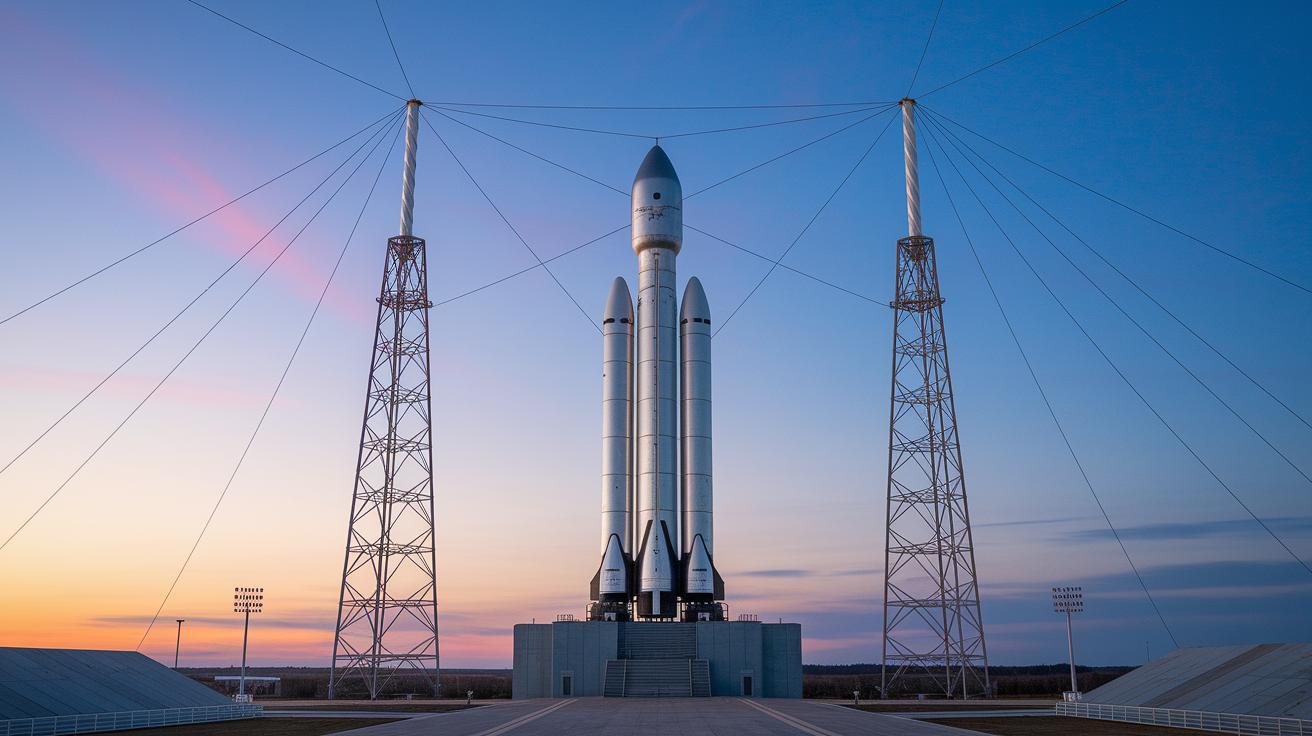
Sputnik 1 was a small but mighty satellite that changed how we looked at space. Its design was neat and clever, with two shiny metal halves measuring about 12.9 inches each. These halves were joined together with 36 bolts and polished until they shone like mirrors. It also had two antennas, one of them stretching nearly 4 meters, to send out steady radio pulses. With two transmitters beaming signals at 20.005 MHz and 40.002 MHz, people everywhere could track its journey.
Here are some key specs:
| Specification | Detail |
|---|---|
| Diameter | 58 cm |
| Weight | 83 kg |
| Assembly Bolts | 36 |
| Antenna Length | 3.9 m |
| Battery Type & Life | Silver-zinc (~21 days) |
| Transmitter Frequencies | 20.005 MHz & 40.002 MHz |
Every part was picked with a purpose. The shiny finish not only helped ward off rust but also made the satellite easier to spot from Earth. Its dual transmitters meant that listeners around the globe could catch its signals, paving the way for modern tracking methods. And with reliable silver-zinc batteries, Sputnik 1 stayed active for weeks, proving that even a small design could set a high bar for future space missions.
Cold War context for the first satellite in space
When Sputnik 1 zipped into orbit, it turned heads all over the world during a time when nations were at odds with each other. This little satellite was a bold sign of Soviet technical skill, and it shook up the United States big time. American leaders watched closely as this tiny object proved that space was quickly turning into a new spot for political and tech rivalry.
Because of Sputnik’s flight, leaders in the U.S. quickly switched gears. They started pouring money into space research and even changed school science programs to include more STEM (science, technology, engineering, and math) subjects. Their goal was to build a strong national space program that could keep up with any new discoveries. This change even affected defense plans and sped up advances in aerospace technology.
In truth, Sputnik 1 wasn’t just about impressive tech. It sent a clear message that space had become a key battleground in the struggle between superpowers, reshaping the way countries planned for adventure and exploration beyond our own planet.
Operational performance and record of the first satellite in space
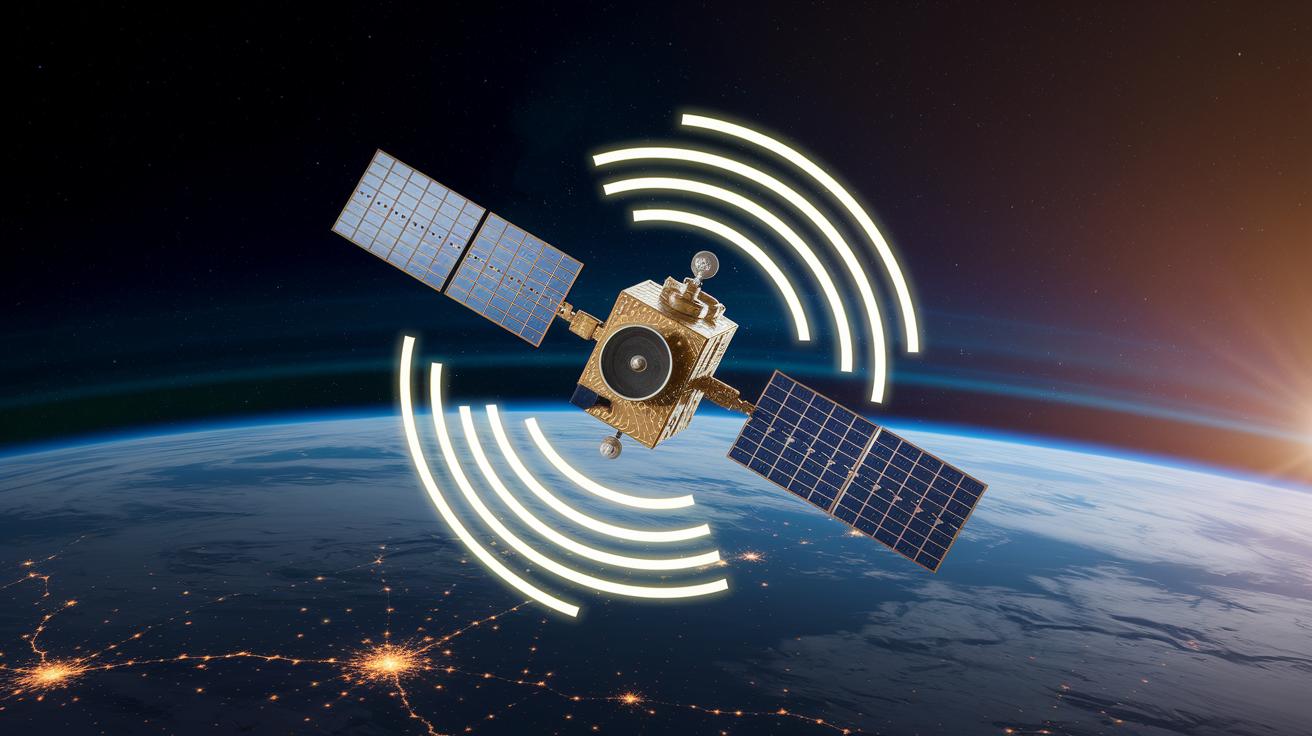
Sputnik 1 showed off its engineering brilliance with an incredible journey. It zoomed around Earth at about 18,000 mph, taking roughly 96.2 minutes to complete an orbit. Imagine watching our planet spin beneath it every hour and a half, it's a sight that paved the way for future space tech.
This pioneering satellite hit several major milestones. It completed 1,440 orbits and traveled over 43 million miles before it gently reentered Earth's atmosphere on January 4, 1958. During its mission, its radio signals, powered by silver-zinc batteries (small, tough batteries), broadcast for 21 days straight, keeping scientists and space enthusiasts in the loop.
| Metric | Value |
|---|---|
| Speed | 18,000 mph |
| Orbit Period | 96.2 minutes |
| Total Revolutions | 1,440 |
| Distance Traveled | Over 43 million miles |
| Transmission Duration | 21 days |
These impressive figures not only marked a major technological breakthrough but also ignited a revolution in space exploration that continues to inspire us today.
Legacy of the first satellite in space and its impact on exploration
Sputnik 1 did something amazing. It changed how nations saw space and even changed how they thought about their own place on Earth. Its success led to the creation of NASA in 1958 and helped spark the founding of DARPA. In fact, it kickstarted a big boost in science and technology education across the United States, opening new doors for research and development. Beyond just new technology, it shifted many people’s views on how valuable space exploration could be.
After Sputnik 1’s groundbreaking launch, there was no stopping the momentum. Just a month later, Sputnik 2 launched with Laika, the first living creature sent into orbit. This bold step showed everyone the power of automated systems (self-working machines) that could keep an eye on our planet from above. Each new mission built on those early successes, making space exploration even more daring with every launch.
Today, scientists and engineers often say those early missions lit the spark for many of the amazing breakthroughs we see in space today. The trail blazed by Sputnik 1 lives on in projects that push our reach further into the cosmos, inspiring a whole new generation to dream big and explore the vast unknown. It’s a reminder of how one small satellite continues to spur us to push the limits of what we know about space.
Final Words
In the action of this article, we saw how the first satellite in space, Sputnik 1, reshaped scientific thought. We traced its structural design, mission performance, and role in sparking global space competition. The satellite’s small size and steady radio pulses helped shift how nations approached science and technology. Its legacy lives on as a driving force for curiosity and innovation. The ripple effect of this historic launch remains a bright light, encouraging us all to keep questioning and exploring.
FAQ
Who launched the first satellite in space?
The first satellite in space was Sputnik 1, launched by the USSR on October 4, 1957 under Sergei Korolev’s direction, marking a pioneering milestone in orbital exploration.
Which country launched the first satellite in space?
The first satellite was launched by the USSR, not the USA, setting off a competitive era in space exploration during the Cold War.
Is Sputnik 1 still in orbit?
Sputnik 1 is no longer active; it reentered Earth’s atmosphere on January 4, 1958, though its historical significance endures in space exploration records.
What was NASA’s first satellite?
NASA’s first satellite was Explorer 1, launched in 1958, which marked the United States’ entry into orbital missions after the Sputnik breakthrough.
What is the oldest satellite still in space?
The oldest satellite still in space is Vanguard 1, launched in 1958, and it continues orbiting Earth as a legacy of early space efforts.
What was the second satellite placed in space?
Following Sputnik 1, the next notable satellite was Sputnik 2, which famously carried the space dog Laika into orbit, expanding early space research.
How did Sputnik 1 influence the space race?
Sputnik 1 intensified competition between nations by triggering rapid technological advancements and policy shifts during the Cold War, significantly impacting the global space race.
What connection exists between Apollo 11 and Sputnik 1?
Apollo 11’s historic moon landing built on the space exploration trail blazed by Sputnik 1, which initiated a new chapter in national and international space endeavors.
How do events like the Cuban Missile Crisis, Korean War, and Vietnam War relate to Sputnik 1’s launch?
Sputnik 1’s launch occurred amid heightened global tensions during the Cold War, a period also marked by events like the Cuban Missile Crisis, Korean War, and Vietnam War, all influencing worldwide defense policies.