
Have you ever thought about how our trips to space might change everyday life? Upcoming missions are set to push scientific and engineering limits in ways that could soon affect us all.
Scientists and engineers from around the world are teaming up to work on projects as varied as mapping other planets and even landing astronauts on the moon. These exciting missions promise to widen our view of the solar system and open new paths for exploring space.
In this blog, we explore key plans and timelines that hint at a big leap forward in our space journey. Isn't it amazing to consider how discoveries beyond our planet might one day touch our daily lives?
Outlook on Future Space Missions: Key Plans and Timelines
We’re about to see some truly exciting journeys into space. Governments and private companies are teaming up to explore our solar system in fresh and bold ways. These plans include everything from detailed maps of planets to landing astronauts on the moon. They mix solid science with smart engineering to help us learn more about our space neighborhood. In short, these efforts open the door to travel between planets and mark a new chapter in government space projects.
Take ESA’s BepiColombo mission, for example. In January 2025, it will use Mercury’s gravity to swing closer and give scientists a better look at Mercury’s environment. Over in China, the Tianwen-2 mission is set to bring back samples from a near-Earth asteroid and also fly past a comet, boosting our understanding of these small space objects. Then there’s ESA’s JUICE mission, which will use a Venus gravity assist in August 2025 as it heads toward Jupiter’s icy moons. NASA’s Juno mission, after charting Jupiter’s magnetic field and atmosphere, will finish by September 2025.
NASA’s Artemis program is busy, too, aiming for a crewed moon landing and putting together a station called Gateway by the mid-2020s. And SpaceX’s Starship is working hard to complete its first orbital flights. Meanwhile, Amazon’s Project Kuiper plans to put 3,236 broadband satellites into orbit, and teams in the UK, Germany, China, and the US have a packed schedule of launches.
Looking ahead from 2025 to 2030, these missions are big steps in a plan that stretches over a decade. They set clear goals for deep space research and practical space technology that could affect our daily lives. With so many different objectives and international teamwork, this upcoming period is sure to change how we travel in space and widen our reach beyond Earth.
Collaborative Frameworks in Future Space Missions
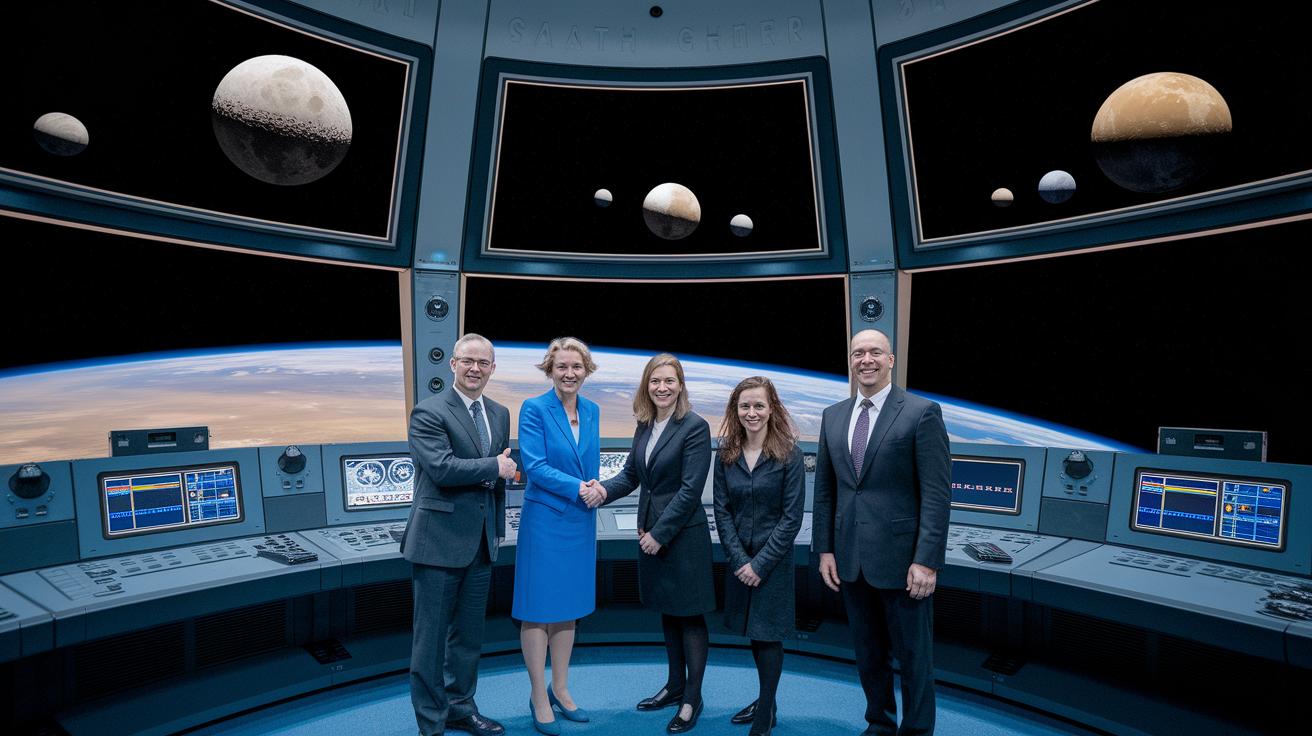
Working together makes space missions more exciting and effective. When agencies and private companies combine their skills, money, and ideas, they create missions that are not only innovative but also easier to manage. This teamwork helps share risks and rewards, making even the boldest projects possible.
Here are a few examples of how space players are teaming up:
-
NASA, ESA, JAXA, and CSA are joining forces on the Artemis program. They’re pooling their best talents to build the lunar Gateway and support operations on the Moon.
-
ESA is working hand-in-hand with international science teams on the BepiColombo and JUICE missions. They bring together experts from all over the world to add fresh perspectives and ideas.
-
Public and private groups are also linking up. For instance, NASA’s propellant-transfer demos with the SpaceX Starship and tests of the HLS MK1 lunar lander show how creative techniques can be shared.
-
Axiom Space is planning to create modular commercial space station modules under NASA’s guidance. This is a clear sign that collaboration between government and business is growing stronger.
These partnerships not only help share the financial load but also build trust between countries by breaking down old barriers. In truth, this spirit of cooperation makes decision-making smoother and funding more flexible, paving the way for continued and bold progress in exploring space.
Private Sector’s Impact on Future Space Missions
Private companies are shaking up the space scene like never before. They’re pushing tech limits and making space travel exciting for everyone. These companies are busy designing better engines, planning trips for space tourists, and even plotting journeys deep into space. Their work not only makes space easier to visit but also brings in new investments from all over.
Here's a fun fact: in just a few years, SpaceX's cool ideas have changed the game, shifting our focus from missions run only by governments to lively mini-enterprises reaching for the stars.
- SpaceX: They’re working on the Starship to carry supplies to the Moon and plan crew trips to Mars.
- Blue Origin: They’re testing the powerful New Glenn rocket and refining their Blue Moon lander.
- Amazon’s Kuiper Systems: They’re building a big group of satellites for fast broadband that might take on current networks.
- Skyrora XL: Their first flight will use eco-friendly fuels to help reduce the environmental impact.
- Axiom: They plan to build the first private station attached to the International Space Station to support commercial projects in orbit.
Looking toward 2030, experts expect private space launches to really take off. With better engines, smoother production methods, and more investment, there should be many more launches and a stronger presence of commercial platforms in space.
Technological Innovations Driving Future Space Missions
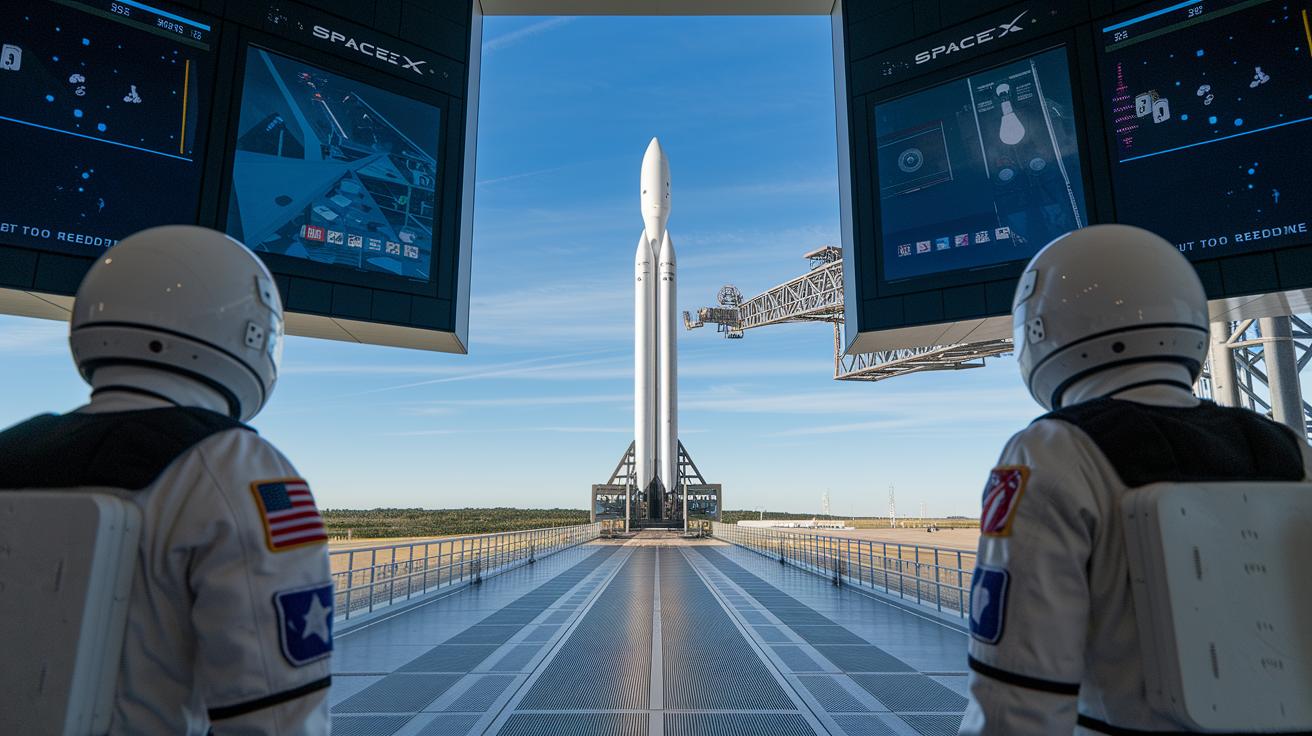
Innovation is key to making space travel even better. New tech is turning rockets into smarter, safer, and cheaper machines. For example, SpaceX’s reusable rockets lower launch costs and shorten the wait between flights. NASA is looking into a mix of chemical and electric propulsion (basically using two types of fuel to boost efficiency) that helps deep-space probes go further. Plus, in-orbit refueling tests are extending mission ranges and automated docking systems are making it easier for spacecraft to connect while floating in space.
| Technology | Purpose | Lead Developer |
|---|---|---|
| Reusable Booster Systems | Cost reduction, rapid reuse | SpaceX |
| Eco-propellant Rockets | Sustainable launch | Skyrora |
| Hybrid Propulsion | Efficiency boost | NASA |
| In-Orbit Refueling | Mission extension | NASA/SpaceX |
Ongoing tech demos are setting the stage for the next phase of space travel. Upcoming tests in autonomous docking mean that spacecraft can safely link up even in busy orbits. The FlyPix AI platform from ESA offers real-time object detection and collision avoidance, making sure nothing goes wrong. These tests are a sneak peek into a future where smart planning and cutting-edge technology open up exciting new horizons in space.
Each experiment gives engineers valuable data to improve and perfect their designs. Breakthroughs in automated docking and in-orbit refueling show that future missions will confidently tackle space’s challenges. Every new step turns old ideas into regular milestones, lighting the path for exploring even deeper into space. By testing these innovations in real-world settings, the space community steadily cuts costs and reduces risks. One day, space travel might be as routine as catching a commercial airplane, and that prospect is nothing short of thrilling for all of us.
Lunar and Martian Exploration Roadmap in Future Space Missions
The plan for exploring both the Moon and Mars is set to change the game. In the coming years, space agencies are gearing up to send astronauts to the Moon’s South Pole while preparing for the very first steps on Mars. They’re testing new habitats (places where people can live in space) and systems that help support life using local resources. This two-pronged approach will help build a strong base on the Moon and allow us to learn key lessons for future Mars missions.
Key mission parts include:
- Crew transport
- Gateway assembly
- Surface habitat development
- Resource ISRU (using local resources like oxygen and water)
- Infrastructure scaling
- Resupply logistics
Exciting progress is happening on many fronts. For the Moon, the Artemis III mission in 2025 is set to land the first crew near the lunar South Pole and start setting up a habitat. This is just the beginning. Over the next few years, teams will assemble the Lunar Gateway, a modular outpost where they can test life-support systems and try out new housing designs in space. They’ll also experiment with in-situ resource utilization, which means learning how to extract water and oxygen directly from local materials.
Looking at Mars, several milestones are planned through 2035. NASA, teaming up with the European Space Agency, aims to collect important Martian samples by 2028. Meanwhile, the ExoMars rovers will study the Martian atmosphere and soil, giving scientists clues about how humans might survive on the Red Planet. Plus, SpaceX’s Starship cargo missions, scheduled for the late 2020s, are designed to help lay the groundwork for a Mars base. All these efforts to test and improve technologies, like life-support systems and resource extraction methods, are critical for making a long-term human presence on Mars a reality.
Challenges and Sustainability Measures for Future Space Missions
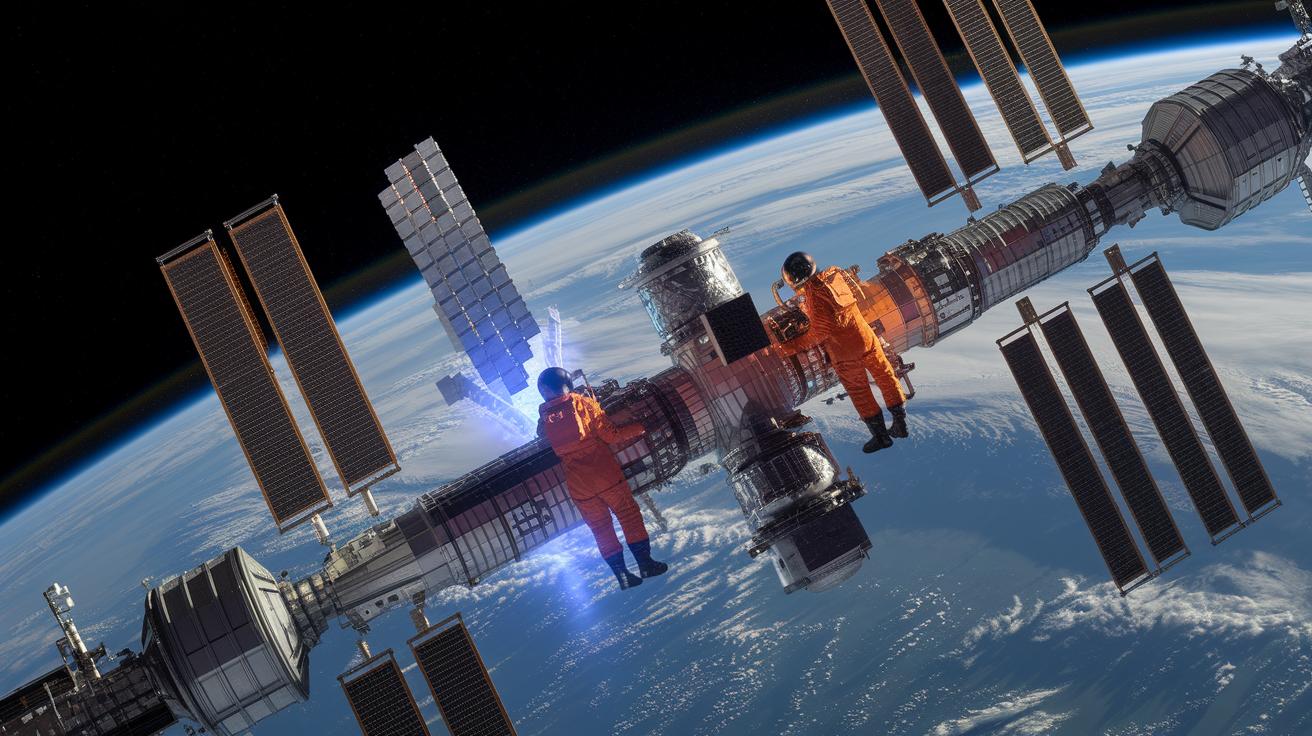
Space missions are getting riskier. With more satellites and space debris floating around, collisions are a real worry. And as missions travel further, astronauts face more cosmic radiation (invisible, high-energy rays) while old space stations need constant updates. To tackle these challenges, space agencies and private companies are teaming up to make journeys safer and longer.
- Station retrofit – Upgrading the International Space Station and building new, modern stations with innovators like Axiom and Blue Origin to meet today’s safety and research needs.
- Debris removal – Starting projects led by ESA and NASA that actively clear out old satellites and tackle space junk.
- Radiation protection – Testing new shielding materials to better guard crews against harmful cosmic rays.
- Modular habitats – Creating living modules that recycle air and water, reducing the need for constant resupply.
- Communication network enhancements – Building advanced communication links to lower delays and boost control from Earth, even in the most remote parts of space.
Policy makers and space engineers play a big role in shaping the future of space missions. By working together, international groups and private companies set standards that help improve safety and manage risks. From updating space stations and cleaning up debris to protecting crews and upgrading communications, these combined efforts not only lower current risks but also pave the way for deeper space exploration while keeping our astronauts safe.
Final Words
In the action as we explored plans for upcoming space journeys, we saw a mix of international partnerships, innovative tech, and bold lunar and Martian goals. The article broke down each mission, from crewed lunar landings to robotic sampling on distant worlds, into digestible, real-world bits of info. It also explained how agencies and private companies work together to tackle everyday challenges. Thanks to this clear overview, you get a spirited glimpse into how exciting and reachable future space missions can be. Stay inspired and keep asking questions!
FAQ
What are the plans for upcoming space missions in 2026?
Upcoming space missions in 2026 include projects by NASA and international partners that test new technologies, perform vital research, and prepare for further human and robotic exploration.
What information does a comprehensive NASA missions list provide?
A complete NASA missions list details milestones in both robotic science and crewed space travel, highlighting chronological achievements and ongoing projects in solar system exploration.
How does NASA approach both science and manned space missions?
NASA supports robotic science experiments and crewed missions, balancing advanced research with human spaceflight to broaden our understanding of space and sustain exploration efforts.
What are the future plans for exploring asteroids?
Future space missions targeting asteroids plan to perform flybys and sample-return studies to better understand an asteroid’s composition and the early conditions of our solar system.
Which space missions have gained worldwide recognition?
Iconic missions such as Apollo, Voyager, and more recent successful flights have captured global attention for their scientific achievements and contributions to space exploration.
Why is Artemis 2 experiencing delays?
Artemis 2 is delayed due to technical adjustments, safety reviews, and funding shifts that NASA and its partners are addressing to ensure a secure and successful crewed lunar mission.
What are the objectives for space missions in 2030?
Space missions planned for 2030 aim to expand scientific research, support human exploration, and test advanced technologies for deep-space travel and long-term presence beyond Earth.
What occurs every 176 years in space-related cycles?
Some celestial cycles, noted in long-term astronomical studies, have periods close to 176 years, offering researchers rare opportunities to study changes in planetary alignments and orbital dynamics.
Will Artemis 3 actually happen?
Artemis 3 is planned as a key mission for returning humans to the Moon, with NASA moving forward pending successful tests, updated safety reviews, and continued funding support.
What is Akatsuki’s role in space exploration?
Akatsuki is Japan’s probe designed to study Venus, focusing on its atmospheric layers and weather patterns to help scientists learn more about climates on other planets.
What was the mission of the Nozomi spacecraft?
Nozomi was Japan’s Mars exploration probe, created to study the Red Planet’s environment while overcoming technical challenges during its deep-space journey.
What contribution did the Huygens lander make to space science?
Huygens was the European Space Agency’s lander that touched down on Titan, Saturn’s moon, providing crucial data on its atmosphere and surface conditions.
How does the Parker Solar Probe study our sun?
The Parker Solar Probe travels close to the sun to gather data on its outer atmosphere, using innovative instruments to measure solar activity and improve our understanding of solar dynamics.
What was significant about the Mariner 2 mission?
Mariner 2 was NASA’s first successful probe to Venus, gathering essential data about the planet’s atmosphere that laid the groundwork for future planetary exploration.
What were the main goals of the Venus Express mission?
Venus Express, led by the European Space Agency, focused on studying the planet’s atmosphere and climate, providing detailed insights into its weather patterns and surface changes.