
Have you ever wondered why our planet seems to be heating up so quickly? New clues show that our everyday choices, like burning fossil fuels (coal, oil, and gas), are pushing the Earth toward warmer temperatures. Nearly every study on climate finds that pollution from our activities is largely to blame. And really, this challenge is also helping scientists come up with new ideas and creative ways to study our changing world. By looking at how our lifestyles affect the climate, researchers are discovering smarter ways to understand and tackle these shifts.
Scientific Consensus on Human Caused Climate Change
Recent research shows that our everyday actions are behind most of the warming happening on Earth today. Studies point out that when we burn fossil fuels, the balance of energy around our planet shifts, leading to a steady rise in temperatures. In fact, experts believe there’s more than a 95% chance that over half of the warming seen between 1951 and 2010 is because of what we do every day.
Look at over 88,000 climate studies, and nearly every one of them confirms that the emissions we produce are a major factor in climate change. This broad agreement leaves almost no doubt that our energy choices have a big impact on the planet.
- The 2013 report from the IPCC (a group of scientists from around the world) found a 95-100% chance that human activities drove more than half of the warming from 1951 to 2010.
- Almost 100% agreement exists among 88,125 peer-reviewed climate studies that humans are behind the change.
- We have clear, direct measurements of CO₂ from human actions, with very little uncertainty.
- Land areas have warmed by about 1.7°C above pre-industrial levels.
- Natural factors alone would likely have cooled the Earth over the past 50 years.
Radiative forcing, which is a measure of the extra energy added to (or taken from) Earth, helps explain this trend. Human-induced greenhouse gases, especially carbon dioxide, are pinpointed with accurate measurements, unlike some natural elements like aerosols (tiny particles in the air) or the sun’s variations. This precise data shows that extra energy is being trapped in our atmosphere, driving the warming. And when you compare the significant warming of land areas to the slight cooling that natural factors would have caused, it becomes clear that our modern lifestyle plays a big role in shaping our climate.
Key Drivers of Human Caused Climate Change
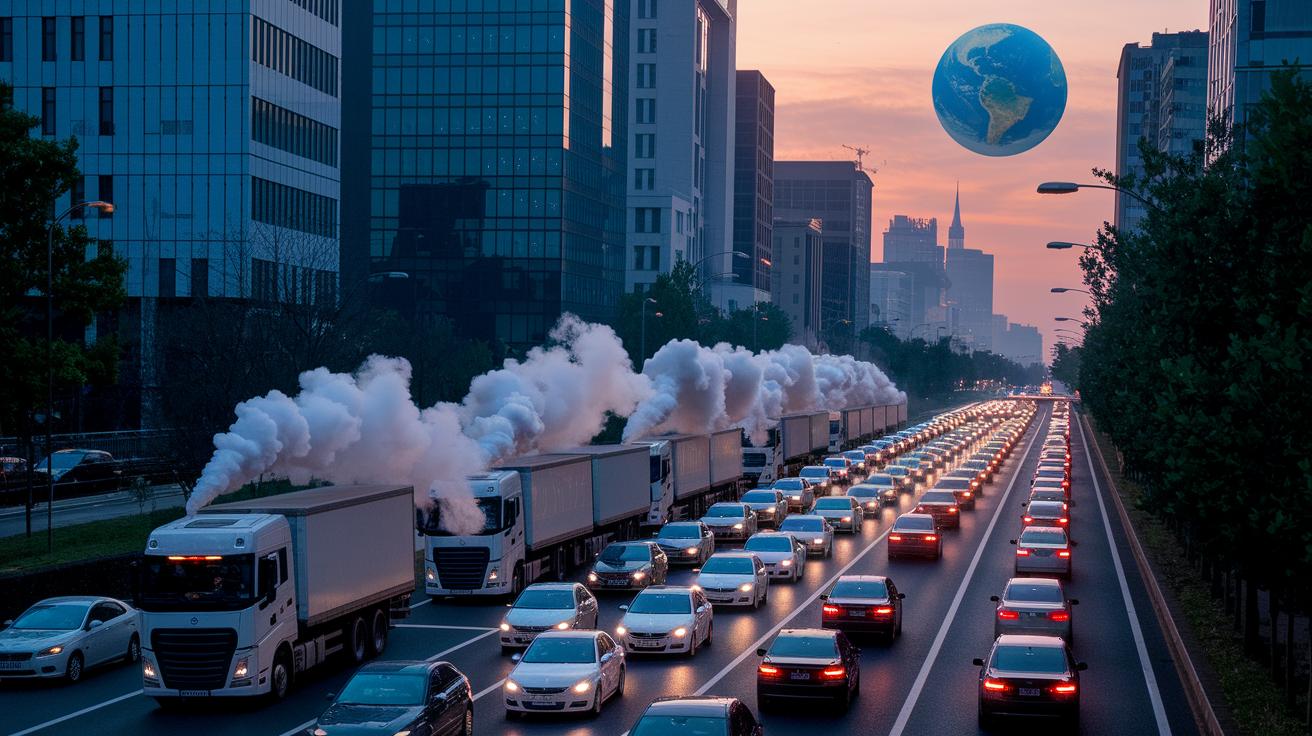
Since the mid-19th century, our use of coal, oil, and gas has pushed extra carbon dioxide (a key greenhouse gas) into our air by about 45%. When we burn these fuels, they release gases that trap heat like a cozy blanket around the Earth. Think of how a warm fireplace fills a room, now imagine that happening all over the world, warming both the land and the seas.
In the United States, each passenger vehicle puts out roughly 4.6 metric tons of CO₂ every year. That makes up about 41% of transportation emissions. And here’s a surprising twist: heavy trucks, which are only 4% of all vehicles, are responsible for 23% of these gases. This means everyday travel plays a big part in heating up our planet.
Next, consider our power plants. In 2021, almost 60% of U.S. electricity came from burning coal and natural gas. That power production accounted for about 25% of the nation’s greenhouse gas emissions. Meanwhile, factories and older industrial plants add nearly another 24%. And don’t forget the methane leaks from abandoned wells, over 280,000 metric tons of gas spilled out in 2018 alone. All these energy and industry sources are clearly pushing up greenhouse gas levels.
When we put these drivers together, it’s clear that our everyday actions, from driving cars to making electricity, are making a big impact on climate change. It really makes you wonder: what simple steps could we take to ease this global warming trend?
Sector Contributions to Anthropogenic Global Warming Emissions
Every day, we release greenhouse gases from all kinds of sources. Our cars, factories, and even the way we use energy at home add to the overall mix. Studies from power plants and factories show a varied picture. Big contributors include transportation and electricity, while smaller sectors like farming and cutting down trees (deforestation) also add their share.
Look at this table for a quick glimpse of each sector's role in U.S. emissions:
| Sector | Share of U.S. GHG Emissions (%) |
|---|---|
| Transportation | 28% |
| Electricity | 25% |
| Industry | 24% |
| Agriculture | 11% |
| Buildings | 13% |
| Deforestation | 5% |
This information shows that our transportation and power systems are the biggest sources of emissions. At the same time, factories, our homes, and even farming add to the mix. When trees are cut down or land is changed, it makes the problem worse. These insights help scientists improve models that can guide future research and policies to bring our emissions down.
Environmental Impacts of Human Caused Climate Change

Our world is getting noticeably warmer because of human activities. Land areas have warmed by about 1.7°C compared to the time before the big changes of the industrial age. This steady increase is speeding up the loss of ice in places like Greenland and Antarctica. As the ice melts, the rising water gently pushes against our coastlines, slowly reshaping familiar landscapes.
As the ice continues to melt and our oceans warm, the water expands and pushes sea levels higher. This warmer water makes sea levels rise even more, putting coastal regions and low areas at extra risk. These changes are clear signs that our own actions are warming the planet.
When carbon dioxide from our daily activities mixes into the ocean, it makes the water a little more acidic. Even though the change, about 0.1 pH since 1850, seems small, it can upset the delicate balance that many marine creatures need to grow, especially those that build shells.
In the past 40 years, heatwaves and heavy rainstorms have become more common. These extreme weather events put pressure on water supplies and local infrastructure, making it tougher for communities to keep up. This shifting climate pattern is pushing scientists to study weather extremes even more closely to better understand these changes.
Socioeconomic and Health Impacts of Human Caused Climate Change
Higher amounts of ozone and tiny particles in the air are making breathing problems worse. People are facing more asthma attacks and trouble catching their breath, which often means more trips to the hospital. It’s a bit like trying to drive through thick fog, every breath feels heavier.
Droughts are making crops fail, and this means less food is available for everyone. At the same time, there isn’t enough water for daily needs in many dry areas. Imagine trying to build a sandcastle with hardly any sand; that’s how tough it gets for farming families and households.
Extreme weather events keep shaking up communities, forcing many families to leave their homes in search of safer places. These sudden changes hit neighborhoods hard, pushing people to move and change their way of life.
Bad weather events lead to huge repair bills and steep costs for everyone. Billions of dollars are spent on fixing damages and adapting to new risks, and low-income communities feel this the most. With so much money going toward repairs, there’s less available for key services like healthcare and education, and that hits job opportunities and overall well-being hard.
Mitigation Strategies for Anthropogenic Global Warming
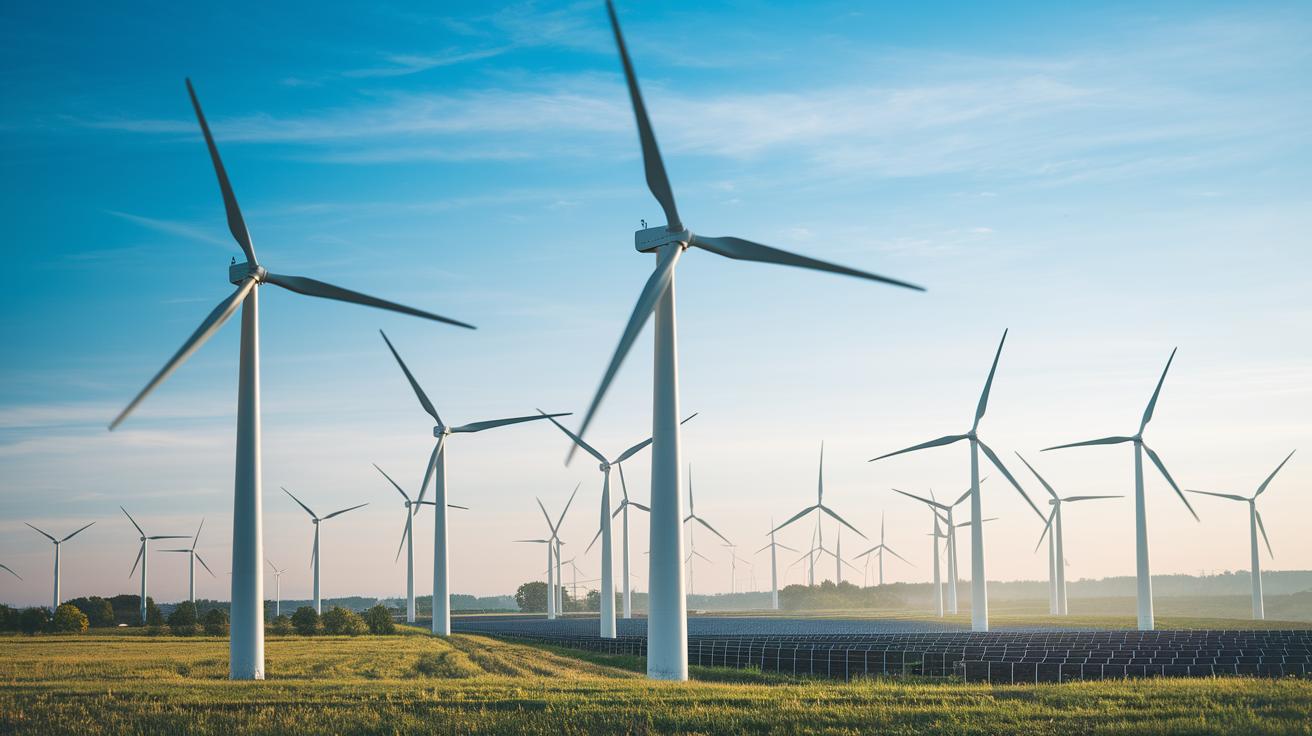
Switching to renewable energy is one of the best ways we are fighting global warming. Wind turbines (big fans that catch the wind) work over one-third of the time, and solar panels (devices that capture sunlight) have become much more affordable since 2010. Picture a field full of windmills turning steadily in a gentle breeze, each one quietly making clean energy without burning any fuel.
Carbon removal is showing some exciting progress. New projects can trap up to one metric ton of carbon dioxide each year at a single facility. Plus, reforestation projects worldwide are pulling millions of tons of carbon dioxide out of our air. Imagine a facility that works like a sponge in a rainstorm, soaking up extra water, but in this case, it soaks up extra carbon dioxide.
Clean transportation is also playing a big role. Electric vehicles help cut tailpipe emissions by more than 60% thanks to strong battery systems that can take them over 300 miles on a charge. They even support our electric grid. Think of an electric car cruising down the highway so quietly it almost blends into the background, yet it makes a huge difference in reducing pollution.
Improving energy efficiency in our buildings and industries is just as important. Simple changes now reduce energy use by 10 to 20%. Combined with nature-based solutions like reforestation, these improvements create a smart and complete plan to lower emissions while refreshing our natural surroundings.
Policy Responses to Human Caused Climate Change
In some test areas, carbon taxes have lowered pollution by as much as 15%. These taxes make companies think twice about how much energy they use, and in turn, they work harder to reduce their harmful emissions. Cap-and-trade systems, a type of market-based carbon trading (where companies buy and sell pollution permits), also give businesses a financial reason to cut down on pollutants.
Fuel efficiency rules have made a big difference on our roads too, cutting vehicle emissions by around 25% since 2007. New guidelines push car makers to create better, more energy-saving models. It shows how strong policies can drive cleaner practices in everyday life.
New technology like satellites and ground sensors now tracks emissions from factories every hour. This clear, real-time data helps governments keep an eye on how much pollution companies produce. It also means they can step in quickly if extra changes are needed, making industries more accountable.
Around the world, many countries have joined agreements such as the Paris Agreement. These international pacts set clear goals and rules for reducing emissions. By talking and working together, nations are taking real steps to combat climate change.
New laws have recently set aside billions of dollars for clean energy and projects that help communities adapt to climate changes. These investments show that governments are acting fast to guide us toward a future with less pollution.
Final Words
In the action, our article explores the science behind rising temperatures, fossil fuels, and industrial emissions. We broke down the data, shared evidence, and discussed how our daily lives link to global shifts.
We wrapped up by examining steps like cleaner energy and smart policies. All these points show that human caused climate change is real, and each small improvement can brighten our future.
FAQ
What are the 10 causes of climate change and the five main human causes?
The 10 causes include human actions like burning fossil fuels, deforestation, intensive agriculture, industrial emissions, transportation, waste production, urbanization, energy use, land management changes, and resource extraction, all contributing to warming.
What are the effects of climate change?
The effects of climate change include rising temperatures, melting ice, sea-level increase, more frequent extreme weather, shifting ecosystems, and challenges to agriculture and water supplies.
What does human caused climate change mean?
Human caused climate change means that the warming of our planet is mainly driven by activities such as fossil fuel combustion, deforestation, and industrial processes that increase greenhouse gas levels.
How are human activities responsible for climate change?
Human activities emit greenhouse gases like carbon dioxide and methane through energy production and transportation, trapping heat in the atmosphere, which raises global temperatures and alters weather patterns.
What are the 10 ways humans impact the environment?
Humans impact the environment by burning fossil fuels, altering land use, emitting industrial waste, increasing vehicle pollution, expanding urban areas, intensive farming, deforestation, overconsumption of resources, improper waste management, and water overuse.
What is climate change caused by humans called?
Climate change caused by humans is often called anthropogenic climate change or man-made global warming, emphasizing the significant role of our activities in altering the planet’s climate.
Are there natural causes of climate change?
Natural causes include solar cycles, volcanic eruptions, and ocean variations; however, current research shows that the recent rapid warming is mainly due to human-induced greenhouse gas emissions.