
Have you ever thought that your everyday habits might be changing the weather? Research shows that even a little warming can lead to bigger storms and longer times without rain. Everything we do affects the Earth. It touches the air we breathe and the natural homes of plants and animals. But don’t worry, new studies and smart cleanup projects are helping to turn things around. This article shows how understanding these changes can light the way to a brighter future.
Comprehensive Overview of Impacts of Climate Change
Climate change simply means that our weather is shifting over long stretches of time (you can learn more about what this means by checking out the link provided). Over almost 60 years, one environmental nonprofit has shown, through careful research, that cleanup projects and smarter habits help reduce dangerous pollution. Backed by 3.5 million supporters, their work shows us that warmer temperatures and changing weather patterns are already affecting millions of lives. Fun fact: Before she became a famous scientist, Marie Curie once carried test tubes filled with radioactive material in her pockets, not fully knowing the risks, this goes to show how small actions and early observations can set the stage for major discoveries later on.
Solid scientific studies confirm that the buildup of greenhouse gases (gases that trap heat in our atmosphere) is heating up our planet and changing our weather history. Records from the past reveal everything from heavy downpours to long, dry periods. Even a small rise in temperature can lead to much stronger storms, longer droughts, and shifts in climate zones. These findings directly link our daily activities to the warming we see today. If you’re curious for a deeper dive, you can check out more on the effects of climate change using the link provided.
These changes touch every part of our lives, from the natural world to our health, jobs, and the very ecosystems we depend on. Hotter weather is stressing out natural habitats, forcing animals to either adapt or face extinction, while people deal with heat waves and lower air quality. Industries like farming, travel, and transportation suffer when extreme weather happens, and communities that are already vulnerable feel the pinch even more. It’s a clear call for smarter rules to cut down on carbon emissions, showing us that even as things get tough today, there’s hope in working together and following the science for a better tomorrow.
Environmental Fallout from Climate Change

Our planet is warming up, and you can really feel it. Rising temperatures are stirring up changes in our weather and oceans that we didn’t expect. This extra heat is causing record storms and tougher conditions both on land and at sea, affecting people and nature every day.
- Every 1°C increase in temperature makes the air about 7% moister. This extra moisture sets the stage for heavier rains and wild storms. Think of Hurricane Harvey, which unleashed an astonishing 275 trillion pounds of rain.
- In the American West, a harsh 22-year drought has taken hold, the driest spell in 1,200 years. This long dry period puts water supplies and farming at serious risk.
- Wildfires are on the rise, too. In the western United States, the number of fires doubled between 1984 and 2015. In California, the area burned each year jumped by a whopping 500% from 1972 to 2018, leading to long-lasting air quality problems and loss of animal homes.
- Our oceans are feeling the heat as well. Marine heat waves have grown by over one third, which messes with fish migration and even leads to mass die-offs among tiny creatures like plankton and some sea mammals.
- On top of that, warmer waters are making the oceans more acidic. This shift is hurting the shell-building creatures in the sea and can throw entire food chains out of balance.
All these changes show us that climate change isn’t some far-off worry; it’s happening right now. The extreme weather and shifting ocean conditions are putting our food sources, coastal areas, and natural habitats at real risk.
Polar Ice Melt and Rising Sea Levels
The Arctic is heating up much faster than the rest of the planet, and this quick change is having big effects. Glaciers and polar ice caps are disappearing, and experts say we might have ice-free summers in less than 15 years. When ice melts and water gets warmer and expands, sea levels could rise by as much as 6.6 feet by the year 2100. Plus, thawing permafrost (frozen ground starting to melt) releases extra greenhouse gases and makes our roads and buildings unstable.
| Region | Projected Rise by 2100 (ft) | Key Threat |
|---|---|---|
| The Arctic | Up to 6.6 | Loss of ice and shifts in ecosystems |
| Major Coastal Cities | Varies | Increased flooding and damage to infrastructure |
| Pacific Island Nations | Substantial | Coastal erosion and shrinking land |
These changes bring serious concerns for everyone, from those living by the sea to those miles inland. As ice melts and permafrost thaws, the rising risks of floods and coastal erosion remind us of the urgent need for smart planning and stronger community action to protect vulnerable areas.
Agricultural Disruptions and Food Insecurity

Farmers are really feeling the heat from wild weather. Unpredictable seasons and sudden shifts in temperature throw off planting schedules and wreck harvests. For example, the Kansas heat wave in June 2022 not only scorched the fields, but it also devastated thousands of cattle. It’s a clear sign that even a single bout of extreme weather can disrupt local supplies and shake up everyday food sources. When the weather goes haywire, the soil takes a hit too, making it tougher for crops to thrive in communities that rely on healthy fields.
Water shortages add even more stress. As rivers and reservoirs dry up and rain becomes a rare visitor, farmers are forced to cut back on irrigation. With less water to go around, crops suffer and the soil loses the nutrients it needs to support plant life. Picture trying to bake your favorite cake without enough flour, it just doesn’t work out the same way.
All these issues ripple out, stretching small family farms to the limit with higher production costs and creating problems for food supplies around the world. When weather surprises and water cuts force farmers to produce less, food prices can climb and millions of people might face shortages. That’s why communities and researchers are exploring smarter, more sustainable farming methods. By developing tougher crop varieties, improving water management, and conserving soil, they’re trying to adapt farming practices to our changing climate and keep our tables full for years to come.
Public Health Challenges from Climate Change
Heat waves have become the deadliest type of weather in the U.S., and some folks feel the heat more than others. Older adults, young children, people with chronic illnesses, those who work outdoors, tourists, religious pilgrims, and individuals without stable housing all face tougher risks during extreme heat events. Think about someone laboring outside on a record-setting hot day, the strain on their body is a clear sign that not everyone is equally safe.
Another worry is the drop in air quality. Wildfire smoke and smog mix together to make breathing tough, especially for people with asthma or other lung problems. Inhaling smoky air during a wildfire is like taking in tiny irritants that make your lungs burn and sometimes cause a constant cough. This kind of daily exposure can lead to long-term health problems and put extra burden on local hospitals and clinics, particularly in areas where help is already hard to find.
Experts warn that by 2050, climate change could lead to around 250,000 extra deaths each year from problems like poor nutrition, infections, and heat stress. As our planet warms and the air gets dirtier, these combined problems will continue to challenge our public health system in big ways.
Economic Burdens and Social Inequities
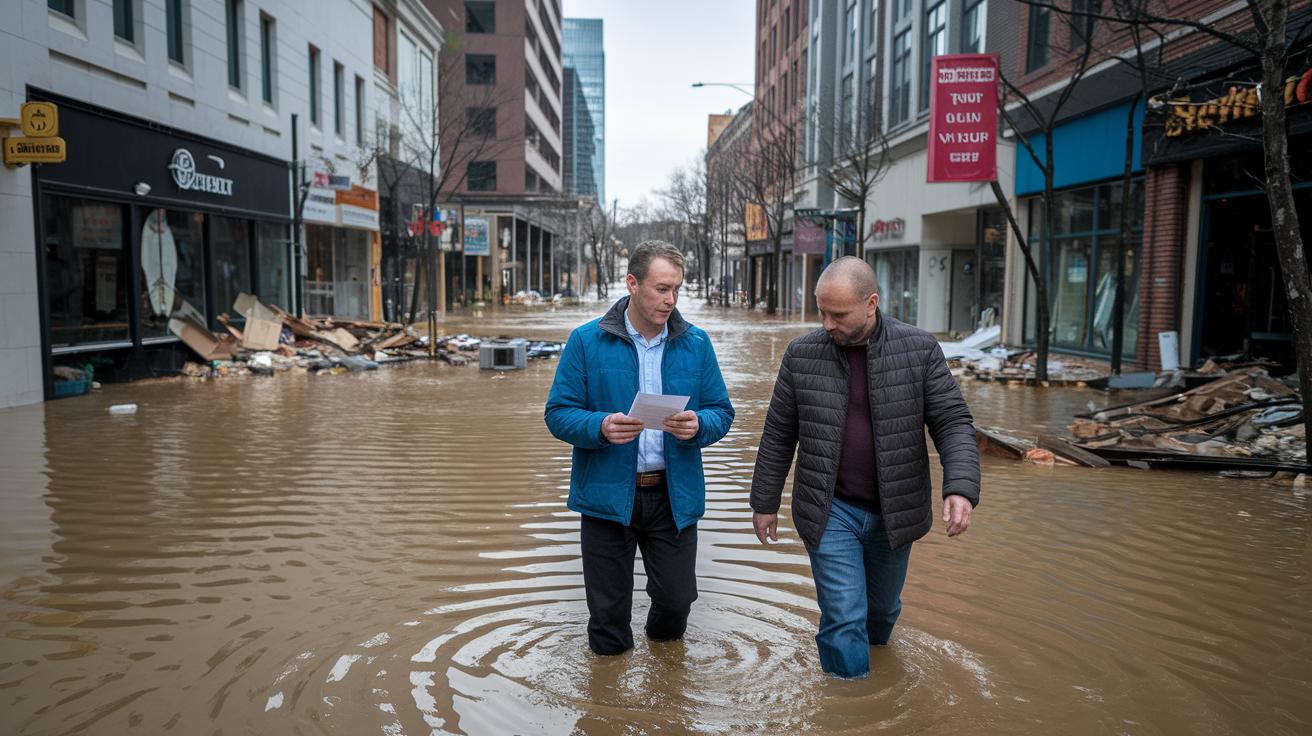
Extreme weather events are putting a heavy strain on our economy, and people feel this stress every day. Scientists say that by the end of the century, losses in the U.S. could reach up to $500 billion each year. Industries like fishing, tourism, and farming are having a really tough time staying in business. When heavy floods or long droughts hit, homes and businesses take a big financial hit, and everyday costs for families rise even more, especially for those who don’t have a lot of money.
Low-income communities feel these impacts the hardest. When repair bills, medical expenses, and daily costs go up because of extreme weather, the gap between those who are well-off and those who struggle grows wider. It’s a clear sign that people with fewer resources are hit the hardest, making social inequalities even more serious.
These economic challenges also lead to a rise in human migration. Experts believe that by 2050, more than 140 million people may have to leave areas in sub-Saharan Africa, South Asia, and Latin America because of extreme weather. This shows an urgent need for better disaster planning and support to help those at risk.
Biodiversity Diminishment and Ecosystem Destabilization
Across our warming planet, many land animals are facing tough times as their homes shrink and the weather becomes unpredictable. More than 500,000 species and a large number of creatures in places like the Amazon and Galapagos are under threat because their habitats are disappearing. Changes in rain patterns and temperatures are putting stress on forests, savannahs, and rainforests, making them less able to handle pest outbreaks or forest fires. It’s a bit like tending to a garden that isn’t getting enough water, without proper care, everything loses balance, and there’s less room for life to flourish.
In the oceans, rising water temperatures lead to marine heat waves that throw off the migration of fish and disrupt the life cycles of plankton (tiny organisms that form the base of the food chain). Coral reefs lose their brilliant colors, weakening the underwater world and leaving many species in danger. Even small changes in temperature can send shock waves through marine food webs, making conservation efforts even more challenging. From the tiniest plankton to large marine mammals, the struggle for survival grows, pushing entire ecosystems close to the edge. This situation highlights how important it is for us to work together and use scientific knowledge to protect our natural world.
Adaptation Policy Frameworks and Mitigation Measures
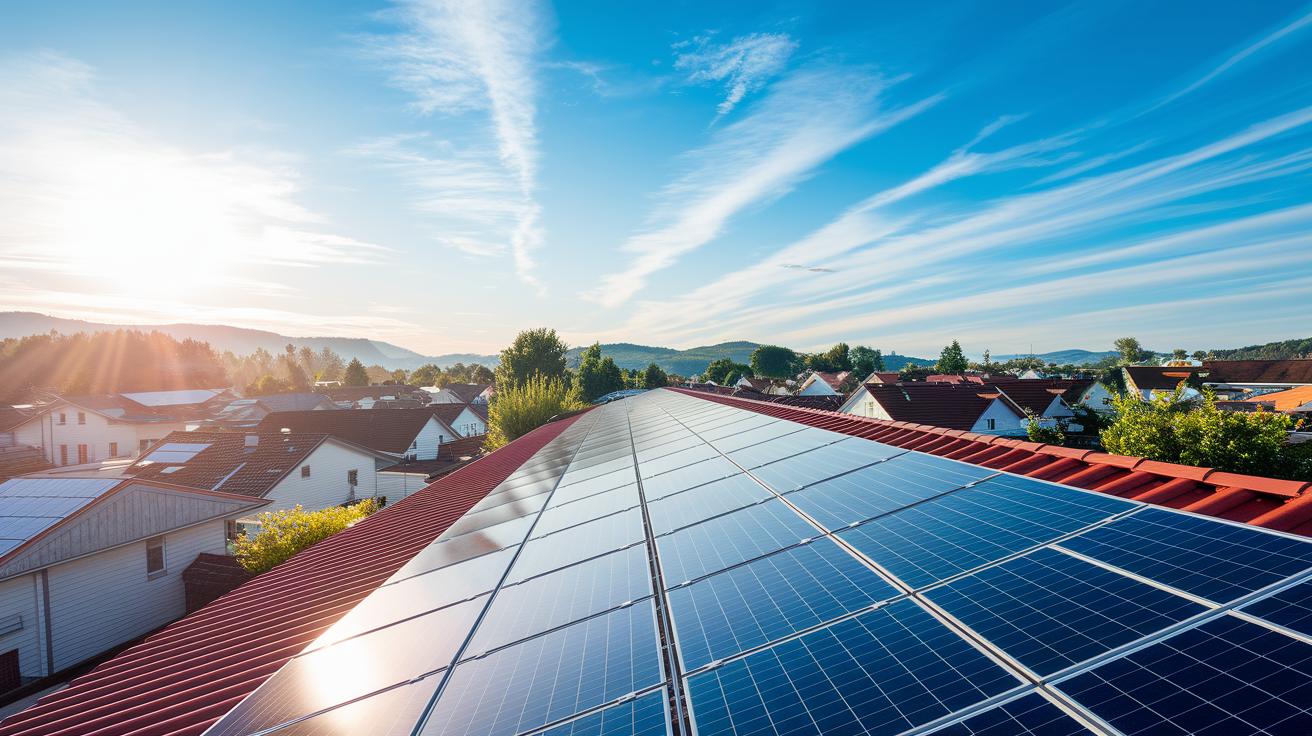
Climate change is pushing us to make big changes that go far beyond what any one person can do. Switching to renewable energy and creating smart policies are two of the main ways communities are learning to cope with a warmer planet. Leaders, businesses, and local groups are joining forces, mixing new technology with clever rules to build a hopeful future.
Using renewable energy helps cut down on harmful gases and means we don’t need to chop down forests for fuel. In many places, wind and solar power are taking over from fossil fuels, making neighborhoods cleaner and more independent. Imagine a town where rooftop solar panels sparkle like a field of tiny suns, lighting up homes and schools. This change not only drops pollution levels but also makes sure every bit of energy really counts.
Smart policy changes are also setting us on a safer path. Governments are updating their rules to reward practices that make a difference and to push companies to cover the costs of climate impacts. From tougher building standards to guidelines that favor low-emission technology, these policies are protecting areas in need and guiding us toward smarter development. It’s a great reminder that good law and solid science can work together to shield our environment.
Money matters too. Funding tools like carbon markets and climate finance are helping communities build resilience. Investments in nature-based fixes, like planting new forests or restoring wetlands, are paired with creative funding methods to support local projects and big initiatives alike. This combo of market incentives and public investment makes sure there’s money available to upgrade infrastructure and help nature bounce back.
Countries around the world are coming together to share ideas and learn from each other. By working as one, they’re swapping best practices, trying out new ways to cut emissions, and signing agreements that hold polluters accountable. With shared research and common goals, we can build a plan that not only protects our planet today but also keeps it safe for future generations.
Final Words
In the action, this article walked through how shifting weather patterns affect our climate, our water, and our daily lives. We tracked the evidence behind rising temperatures, severe storms, and melting ice that shape our food, health, and communities.
We also saw how science is guiding policy shifts to address the impacts of climate change. The insights here remind us that while challenges exist, positive steps can help us create a safer and brighter future.
FAQ
Frequently Asked Questions
What are the impacts of climate change on the environment and human health?
The impacts of climate change on the environment and human health include extreme weather, melting ice, rising sea levels, agricultural disruptions, and increased risks for respiratory and heat-related illnesses.
What are some common effects and consequences of climate change?
The effects of climate change include shifts in weather patterns, such as more intense droughts and wildfires, along with rising sea levels, habitat loss, and economic and social challenges.
What causes climate change?
The cause of climate change is mainly rising greenhouse gas emissions from burning fossil fuels, deforestation, and industrial activities that trap heat in our atmosphere, warming the planet.
What are some detailed impacts of climate change?
The detailed impacts of climate change include environmental harm from extreme weather and melting ice, health challenges from increased heat stress and poor air quality, reduced agricultural output, and strains on economies and ecosystems.