
Have you ever wondered if extreme cold might change how we handle technology and health? Scientists are now harnessing super low temperatures (think cryogenics, where freezing goes way beyond making ice) to slow down natural processes. This clever trick helps preserve medicines and makes electronics work even better. It’s almost like hitting pause on life to discover new ways to use everyday materials.
This cool innovation is sparking fresh ideas and real benefits. Have you ever stopped to think how freezing can do so much more than chill your drink? Read on to see how these chilly advances might just change the way we live.
Breakthrough Innovations Transforming Cryogenics Research
Scientists are making great strides in cryogenics, the study of really cold temperatures. With new breakthroughs, they can now control ultra-cold environments more reliably. Using liquid nitrogen, a super-cold liquid, they can drop temperatures below -196 °C, freezing biological and chemical activities almost instantly. It’s like putting life on pause in just a blink.
Researchers have also developed synthetic polymers that act like ice-binding proteins (natural proteins that help manage ice formation). These cryoprotectants help cells and tissues survive the freezing process. To make the systems even tougher, engineers use strong materials like nickel alloys and stainless steel. Such composites hold up well even when temperatures swing wildly.
Modern equipment now reaches temperatures below 4 K (which means almost absolute zero), a key point for superconductivity that powers quantum computing. These advances are changing how we preserve materials and design equipment, benefiting medicine, electronics, and space exploration. It’s really exciting to see how controlling the cold can open up new possibilities across many fields.
Researchers keep fine-tuning these techniques and materials to work even better in extreme conditions. Every improvement gives us more precise control and sparks fresh scientific questions. In truth, each breakthrough makes the frosty world of cryogenics a stepping stone to even greater discoveries.
Advancements in Ultra-Cold Material Progress and Equipment Design
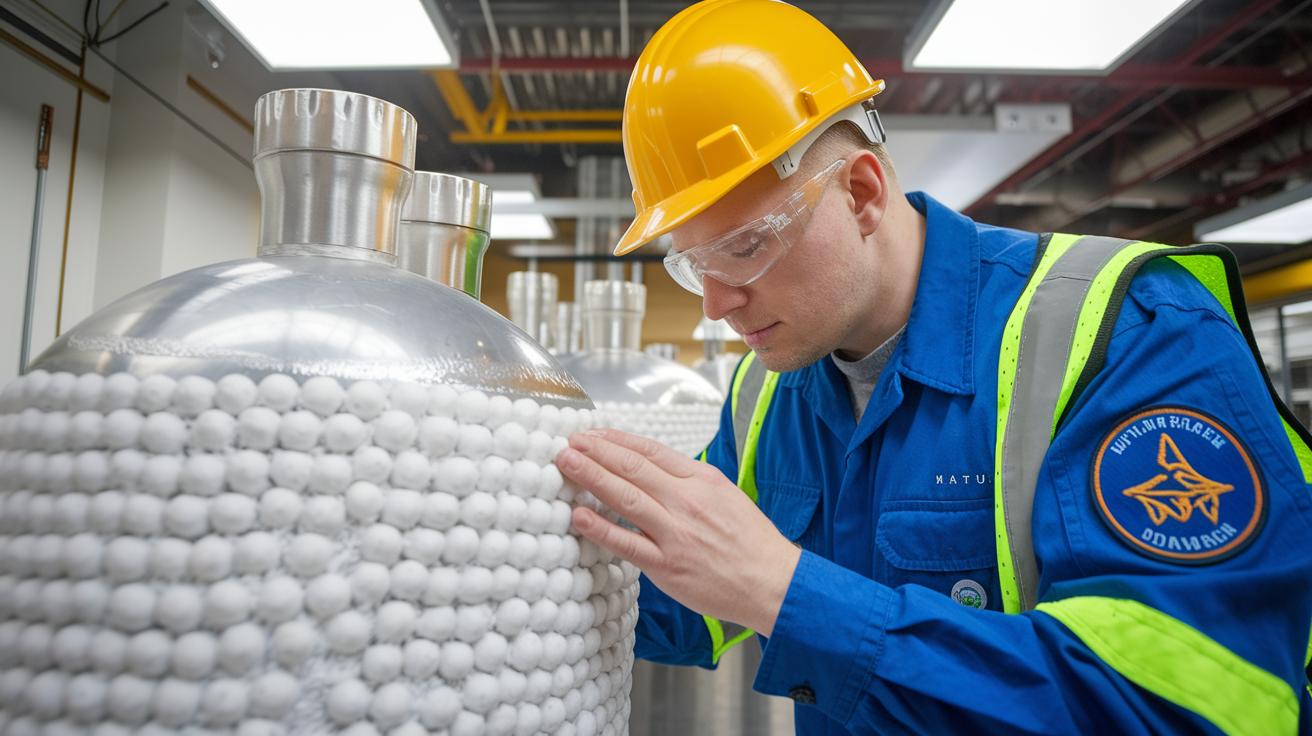
Cutting-edge cryogenic systems are diving into new depths thanks to advances in materials and smarter equipment design. Today’s cryogenic chambers and Dewar flasks (special containers for keeping liquids really cold) use a vacuum and several insulation layers to block heat. This clever setup keeps liquid nitrogen at about -196 °C, so heat doesn't sneak in and waste energy.
Engineers are now using eco-friendly refrigerants (cooling chemicals that are better for our planet) to lower global warming potential. Some of these freezers use up to 90% less energy than traditional mechanical freezers, which means they are both energy smart and kind to the environment. In the world of subzero processing, cryogenic machining (using ultra-cold nitrogen to shape materials) helps improve the strength and durability of aerospace alloys, letting parts better handle extreme conditions.
One company has even earned over 30 patents for its special liquid nitrogen technology. Their breakthrough in freezer design not only boosts how well the equipment works but also pushes the boundaries in ultra-cold material progress. With real-time IoT (internet-connected technology) monitoring and precise automation, these modern systems keep ultra-low temperatures steady and reliable.
| Equipment | Temperature Range | Key Feature |
|---|---|---|
| Liquid Nitrogen Dewar | -196 °C | Vacuum Insulation |
| Helium Cryostat | 4 K | Helium Liquefaction |
| Eco-Refrigerant Freezer | -150 °C to -80 °C | Low-GWP Refrigerants |
| Automated Storage System | -196 °C | Real-Time IoT Monitoring |
Cryogenic Quantum Techniques: Supercooling Innovations and Thermal Management
Innovative Supercooling Techniques for Quantum Research
FormFactor’s InfinityXF™ probe station boosts performance with DC to 250 GHz broadband ability for on-wafer cryogenic testing (cryogenic means extremely low temperatures). This breakthrough lets researchers capture detailed measurements even when things are super chilled. The MEMS probes, built with millions of tiny electrical springs, can last through over one million contact cycles in these ultra-cold settings. Imagine watching a high-speed video of a hummingbird’s wings in action, that’s how precisely these probes work.
Chip-scale cryostats and magnetometry systems give scientists the power to work below 4 K (that’s about -269°C!), which is key for keeping superconducting junctions stable. These tools cut down on thermal noise and help keep qubits (quantum bits) stable. Plus, smart hardware and clever software algorithms adjust temperatures automatically, so experiments stay on track. In short, researchers now have game-changing supercooling capabilities that protect and measure quantum samples more accurately than ever. And with vapor-phase cooling techniques, temperature drops happen even more quickly, setting a fresh benchmark for nano-scale freezing.
Thermal Management Strategies for Quantum Computing
Thermal management is the backbone of quantum computing, especially when it comes to fine-tuning sensors in super chill environments. Devices like dilution refrigerators and adiabatic demagnetization units work side by side to maintain settings at a few thousandths of a degree above zero. This ultra-stable environment is perfect for running quantum computers without constant manual tweaks.
Closed-cycle cryocoolers ensure cooling remains steady so long experiments can run smoothly, reducing the chance for mishaps. These systems can track temperature changes right down to 0.001 °C, which is crucial for protecting the fragile setup of quantum circuits. Labs also use advanced safety measures to tackle risks like frostbite or oxygen shifts, keeping everyone safe while handling extremely cold materials. One lab technician even compared the system’s automated alerts to having a guardian angel looking out for every tiny change. These advanced thermal management strategies are the unsung heroes that let modern quantum research push its boundaries, making sure every millikelvin counts.
Applications of Cryogenic Technologies in Medicine, Industry, and Space
Medical Cryopreservation
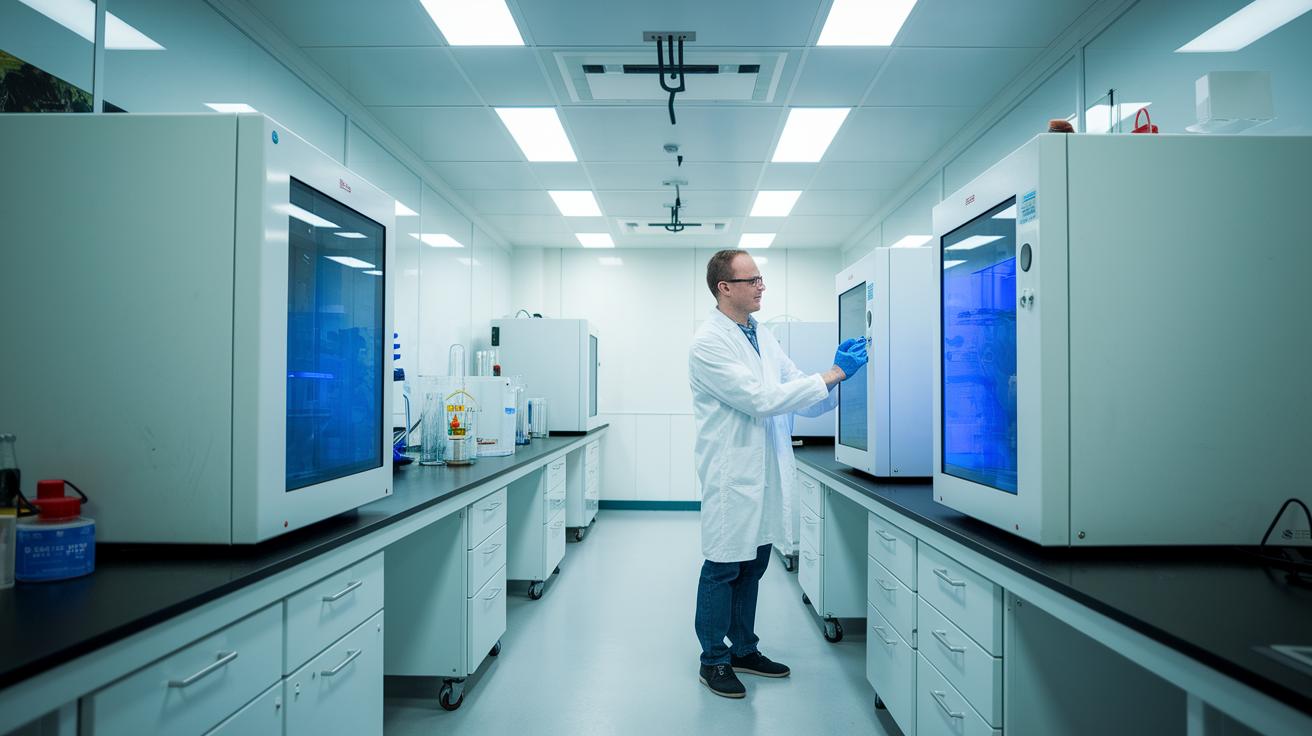
Cryogenic preservation plays a big role in saving organs and tissues. By chilling biological materials to –196 °C with liquid nitrogen, all cell activity takes a break. This pause is vital for things like organ transplantation and regenerative medicine. Cryoprotectants (substances that protect cells) help keep cells safe from ice damage during freezing. For example, soaking a tissue in a protective solution and then cooling it quickly can keep the cells in good shape so they can be used later in medical treatments.
Industrial Cryogenic Machining
In industrial cryogenic machining, super-cold nitrogen is used to shape and refine metal parts for aerospace and cars. This chilly method helps lessen thermal stress (stress from heat) during cutting and shaping, which makes the parts tougher. For instance, using liquid nitrogen on a metal piece can smooth out the cutting process and result in a more durable component that stands up to extreme conditions.
Food and Beverage Preservation
Flash freezing with cryogenic techniques stops microbes from growing and avoids the formation of large ice crystals. This means the food's texture, taste, and nutrients remain nearly unchanged. Imagine freezing a strawberry so quickly that it stays almost as fresh and juicy as when it was first picked.
Space Exploration Fuel and Samples
Space journeys depend on cryogenic storage to keep liquid hydrogen fuel at –253 °C and to preserve biological samples over long trips. Maintaining these super low temperatures ensures that both the fuel and scientific samples stay stable and ready for use during the mission. This careful control is key to running successful experiments and safe space travel.
Energy-Efficient Cryogenic Systems: Minimizing Energy Dissipation in Ultra-Cold Operations
We now have smart control methods that adjust the cooling process by tweaking temperature changes based on real-time data. These clever computer programs learn from data (like computers that learn from information) and help save about 15% more energy than older methods. In one trial, a smart control system cut energy spikes by 18%, similar to fine-tuning a high-performance engine for better output.
A recent case study on an industrial cryogenic freezer showed that using these smart control techniques can save an average of 17% of power over a long run. This approach gives us a better look at how we use energy, opening the door for future systems that predict and improve efficiency even more.
| Control Method | Average Power Reduction |
|---|---|
| Standard Algorithm | Baseline |
| Adaptive Smart Control | 17% reduction |
Emerging Trends and Experimental Frontiers in Low-Temperature Science
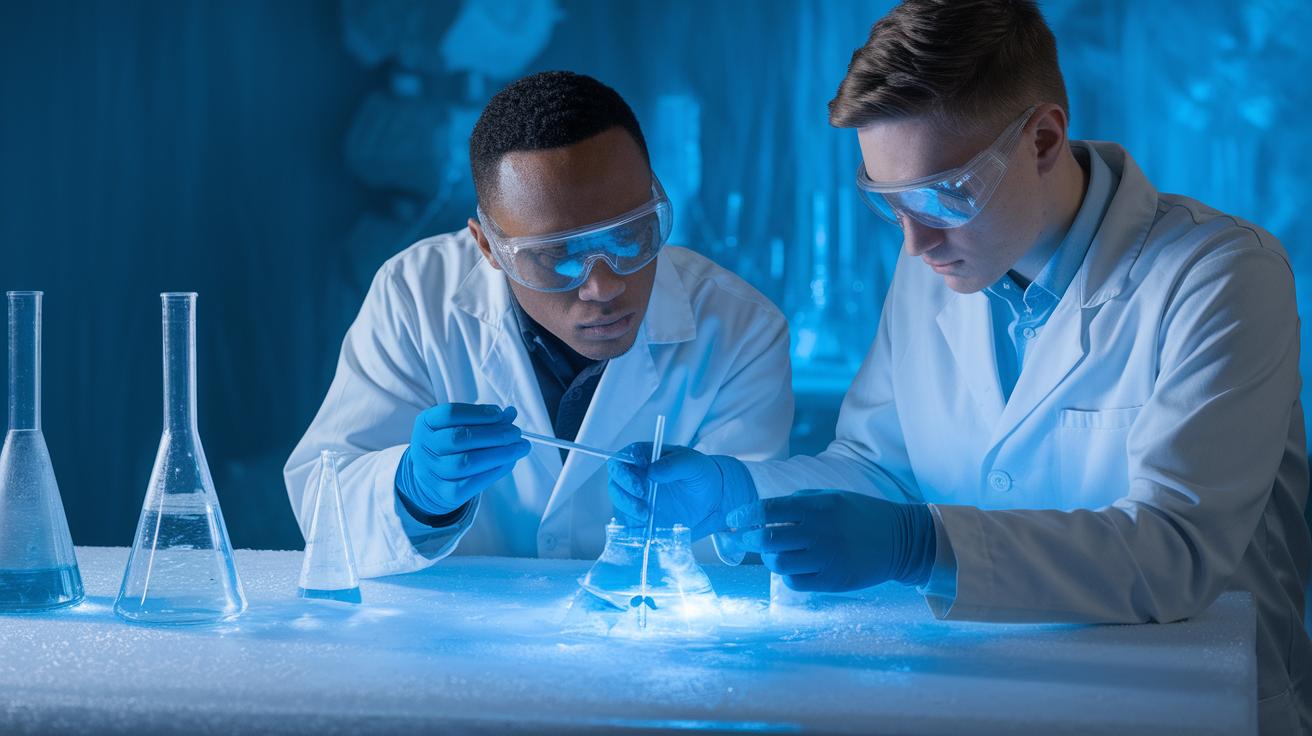
Scientists are finding new ways to handle extreme cold. They are testing tiny, engineered substances that act like natural antifreeze found in some animals. These cryoprotectants (substances that protect cells and tissues when freezing) help cells better survive the freezing process. Meanwhile, researchers are mixing magnetic refrigeration with vapor-phase cycles to create hybrid cooling systems. These new methods not only cool things down faster but also use energy much more efficiently, which is very important in managing ultra-cold environments.
In labs, experiments are set up to mimic the icy conditions found in outer space. Tiny changes in temperature, sometimes as small as 0.001 °C, can change how a material behaves, a bit like tuning an old radio to just catch the right station. Using these experiments, scientists learn more about the physics of extreme cold. They then use computer models (detailed calculations) to design next-generation systems for cooling. These systems are useful in many areas, from keeping spacecraft components safe, to making better computer chips, to storing biological samples. As these techniques become more precise, researchers are excited about breakthroughs that could lead to safer and more efficient technologies in several industries.
Final Words
In the action, we explored breakthroughs pushing the limits of material design and quantum research. The post highlighted how advanced equipment and energy-saving systems are applied to medicine, industry, and space, along with innovative cryoprotectants that help preserve cells and tissues. Emerging trends signal even more careful control and fresh approaches to science. Innovations in cryogenics: breakthroughs in low-temperature science continue to fuel progress and spark creativity. These exciting strides remind us that every small step in science inspires new ways to improve our everyday world.
FAQ
What is cryogenic freezing?
The cryogenic freezing process uses extremely low temperatures, often below –196 °C with liquid nitrogen, to pause chemical and biological activities and preserve cells or tissues.
What is cryogenic freezing in humans?
Cryogenic freezing in humans involves preserving bodies or tissues by keeping them at ultra-cold temperatures, which helps stop decay and prolong cell integrity.
What does Cryogenic Preserver Prospecting involve?
Cryogenic preserver prospecting explores techniques and materials designed to improve the long-term preservation of biological samples and organs at very low temperatures.
How much does cryogenic freezing cost?
Cryogenic freezing costs vary by application, equipment, and upkeep, with expenses covering specialized chambers and liquid nitrogen supplies for maintaining ultra-cold conditions.
What is cryonics?
Cryonics involves preserving whole bodies or specific tissues at extremely low temperatures with the aim of potentially reviving them in the future as science advances.
What are the breakthroughs in low-temperature science from 2022?
Breakthroughs in low-temperature science during 2022 include advanced cryoprotectants, improved composite materials, and precise temperature control methods that benefit fields like quantum computing and medical preservation.
What role does cryogenic freezing play in food preservation?
Cryogenic freezing in food preservation rapidly lowers the temperature, minimizing ice crystal formation to help maintain the food’s texture, flavor, and nutritional value.