
Have you ever wondered if a new way of studying crystals might change our view of materials? Scientists have found a clever trick that lets them snap clear images of tiny crystals, almost like taking a quick picture on your phone.
This method cuts out a lot of heavy math work, making it faster and easier to see the fine details of how materials are built. In truth, this easy-to-use technique could change the way researchers look at materials, revealing hidden features that might lead to exciting breakthroughs in science.
Emerging Crystallography Methods Transform Material Characterization
New crystallography methods are giving scientists a fresh way to study materials. Instead of wrestling with heavy math, researchers are now using clever techniques that simplify the work. For example, a team at the University of Tokyo has developed a method that examines crystals as tiny as coffee particles. Rather than relying on traditional approaches that can miss small details, this technique uses powder X-rays to catch crisp images of minute crystals. It speeds up and sharpens the process, allowing scientists to explore complex material structures that were once too tricky to decode. This breakthrough is making lab work a lot less frustrating, so teams can focus on innovating in areas like sustainable energy, cutting-edge electronics, and even new medical solutions.
This new method also means less computer strain while boosting accuracy in material analysis. By streamlining the study of tiny crystals, researchers can better understand how new materials grow and what makes each one unique. Honestly, being able to nail down structural details without chasing huge amounts of data is a game changer. It offers a fresh look at materials science and shows that even the smallest elements can hide big secrets. Overall, this progress not only speeds up research but also helps scientists pinpoint the special qualities of innovative materials, setting the stage for breakthroughs in many high-tech fields.
AI-Driven Crystallography: Graph Neural Networks and Deep Learning in Structural Analysis
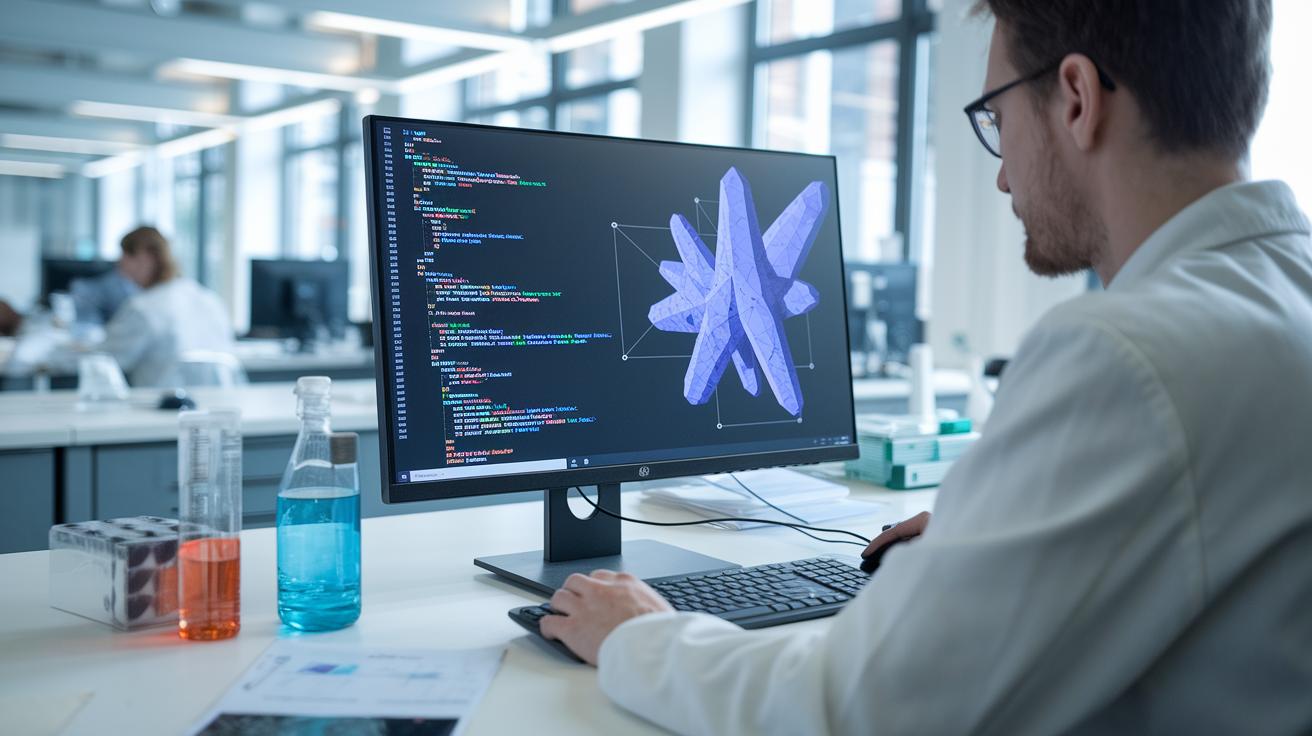
Scientists are giving a fresh spin to the way we study crystals thanks to new AI tools. They’re using an approach called GNoME that relies on a graph neural network (a computer program that figures out patterns using graphs of atoms) to look at atomic structures and decide which crystal shapes are stable. Already, this smart method has uncovered about 380,000 stable crystals, and labs have confirmed 736 brand-new ones. It’s pretty exciting because this AI trick speeds up research, saves money, and cuts down the time needed to map out crystal structures for things like greener batteries and superconductors.
Here are some of the key points:
- A smart setup using graphs of atoms with a neural network
- Quickly picking which crystal shapes will hold together well
- A step-by-step process where experiments check the predicted structures
- Improvements that lower costs and save time
| Metric | Value |
|---|---|
| Predicted stable crystals | 380,000 |
| Validated crystals | 736 |
| Cost reduction | 50% |
| Runtime improvement | 30% |
By mixing AI with crystallography, researchers not only ease the heavy load on computers but also get sharper, more accurate results when studying crystal structures. Smart, data-driven models help scientists rapidly predict and check the designs of crystals, making lab work smoother and more efficient. This streamlined approach is opening up new possibilities in material design, pushing forward high-tech innovations and greener energy solutions.
Innovative Diffraction Techniques: Advanced X-ray, Neutron, and Electron Methods in Crystallography
Modern diffraction methods have come a long way. Researchers today use powerful X-ray diffraction with intense synchrotron beams and improved powder studies to capture detailed images of material structures. X-ray diffraction sees deeply into materials so we can spot inner patterns that older methods missed. Neutron scattering also plays a big role by picking up faint signals from light elements (elements that weigh little), which helps scientists figure out unique atomic arrangements. By mixing ideas from physics, chemistry, and engineering, these methods open up fresh ways to study materials and lead to exciting breakthroughs.
Electron diffraction takes things even further by exploring at the nanoscale. It precisely examines the structure of nanocrystals (tiny crystals you can’t see with your eyes) with an awesome resolution of 0.02 to 0.1 Å. This technique is especially useful for studying ultrathin films and very small particles, where even tiny details can unlock new electronic and medical applications. By combining data from X-ray, neutron, and electron diffraction methods, scientists build a complete picture of the materials they study, with each technique adding its own special strength.
| Technique | Advantage | Typical Resolution |
|---|---|---|
| X-ray diffraction | High penetration | 0.1–0.5 Å |
| Neutron scattering | Light-element sensitivity | 1–2 Å |
| Electron diffraction | Nanometer-scale analysis | 0.02–0.1 Å |
Innovative Crystallography Methods: Breakthrough in Material Analysis Shines
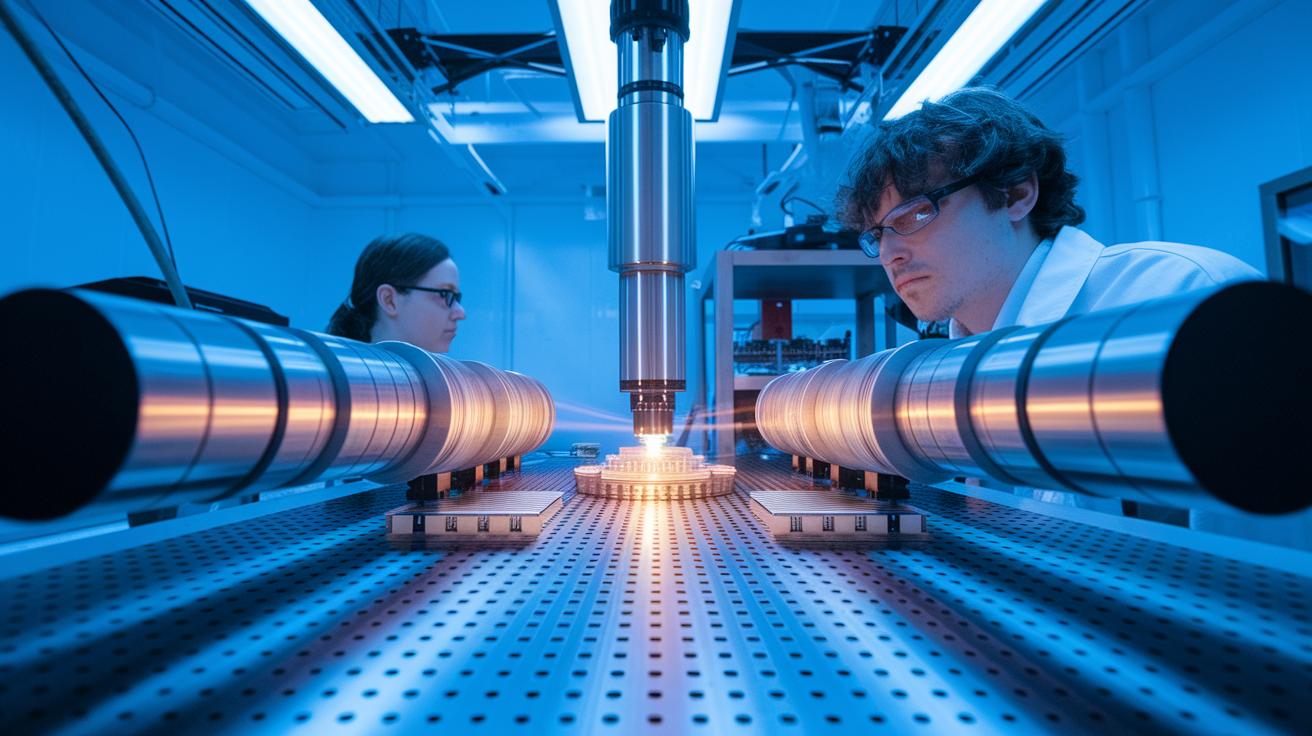
Scientists are now using in-situ experimental setups to study materials as they change, capturing phase transitions in real time. They cool samples with cryogenic stages (tools that chill to very low temperatures) and use laser pulses (bursts of light) to trigger these changes. Ultra-fast detectors then capture the tiny shifts, and three-dimensional atomic maps, made under different temperatures and pressures, reveal how the materials react. Imagine watching a snowflake melt and quickly form a new pattern, all in just a few seconds!
This new real-time method lets researchers see fleeting changes in crystal structures that were once hidden. Labs use rapid imaging methods that take quick snapshots during a transition, capturing each brief state that is crucial for understanding material properties.
This dynamic approach not only improves our grasp of crystal behavior but also paves the way for creating custom-designed materials for electronics, energy storage, and medical applications. It’s a real breakthrough in material science that opens up exciting possibilities for the future.
New Horizons in Crystallography: In-Situ Observation and Advanced Computational Paths
Recent progress in in-situ observation techniques means scientists can watch crystals change and form as they happen. New detectors and fast cameras catch every delicate shift, turning split-second moments into clear, organized images. Think of it like watching a tiny crystal bloom in real time, each frame revealing secret details, just like a time-lapse of a flower opening.
New computer methods now team up with these live imaging tools to get even more insight. Smart algorithms (step-by-step computer instructions) turn the live data into smaller, simpler parts, much like putting together a jigsaw puzzle piece by piece. This clever approach links quick snapshots with deep analysis in a way we’ve never seen before.
Together, these techniques help overcome the challenges of studying tiny crystals under different conditions. By matching real-time images with automated structure solving (where computers figure out the details on their own), researchers can guide experiments faster towards useful innovations in fields like medicine and electronics. Imagine a fast photo album of matter where every picture gives scientists instant feedback on how a structure is changing.
Future Trends in Innovative Crystallography Methods and Applications in Materials Science
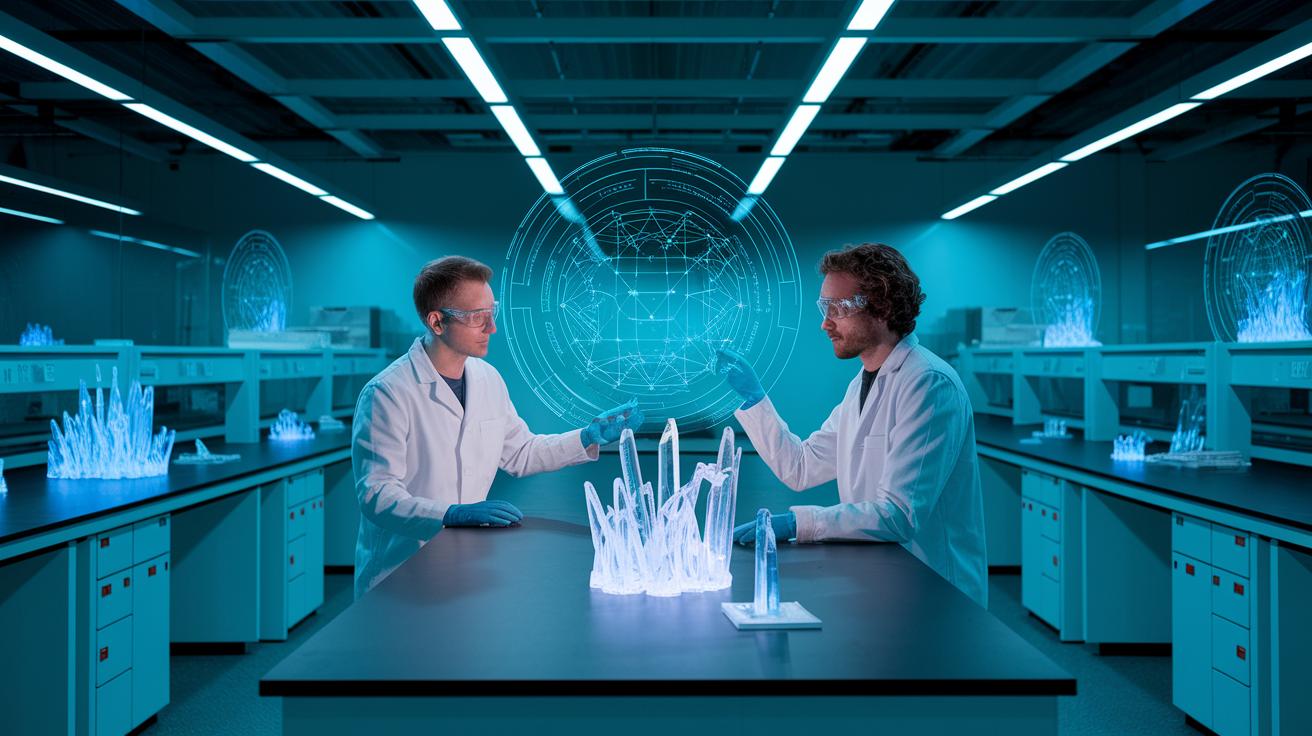
New ideas and techniques are taking crystallography to exciting, unexplored places. In today’s labs, scientists are teaming up fast testing methods with artificial intelligence (smart computer systems that learn from data). They run thousands of tests at once, while clever software sorts through the details. This fresh blend is inspiring new ways to design eco-friendly materials and model tiny quantum structures (the smallest building blocks of matter), offering a whole new view of how materials work.
Scientists are also getting ready for a future where machine learning makes experiments smoother and speedier. By combining smart algorithms with rapid tests, researchers are already predicting how materials will behave under different conditions. This work is helping to make electronics safer, energy solutions better, and medical tools more advanced. In truth, this innovative mix is not only sharpening our experimental techniques but also opening doors to groundbreaking insights that could shape the field for many years.
Final Words
In the action, the blog explored emerging crystallography techniques that are reshaping the way we analyze materials. It covered AI-powered models, innovative X-ray, neutron, and electron approaches, real-time phase monitoring, and practical case studies from advanced experiments.
These insights, coupled with creative experiments, highlight how innovative crystallography methods: breakthrough in material analysis are making science clearer and more accessible. The future of material research shines with promise and exciting potential.
FAQ
Q: What breakthrough do new innovative crystallography methods bring to material analysis in 2021?
A: The innovative crystallography methods represent a breakthrough by using advanced techniques to analyze challenging crystal structures with higher accuracy and efficiency. They simplify the process of studying tiny, complicated structures.
Q: How does the data driven nanocrystal structure solution improve analysis?
A: The data driven nanocrystal structure solution improves analysis by applying smart algorithms that reduce computation complexity while increasing precision, making it easier to study nanocrystals that were hard to solve before.