
Have you ever dreamed of a career where rockets and airplanes are part of your everyday world? Recent numbers point to a 6% growth in aerospace jobs by 2033, meaning nearly 1,900 new roles over the next ten years. This growth opens up clear paths to work with cutting-edge technologies and tackle problems you see in real life. The aerospace field is really taking off, offering exciting opportunities for anyone eager to help shape the future of flight and space travel.
Projected Job Growth and Outlook for Aerospace Engineering
Aerospace engineers are in for a bright future over the next ten years. The U.S. Bureau of Labor Statistics predicts a 6% rise in aerospace jobs from 2023 to 2033. Even looking back a bit, nearly 1,900 new positions were expected nationwide between 2019 and 2029. These figures show that the field is not only steady but also buzzing with air and space technology breakthroughs.
These engineers do really important work by designing, building, and testing things like airplanes, rockets, satellites, and missiles. They work hard to make sure these projects are safe and efficient. Many professionals find this work incredibly rewarding because they get to push the boundaries of both modern flight and space travel. Imagine being part of a project like the Ingenuity Mars Helicopter, exciting and full of challenges!
If you're curious about what aerospace engineering is all about, take a look at this overview: What is Aerospace Engineering. On the job, engineers polish their technical skills with methods like simulation techniques (using computer models to predict performance) and tackle real-world problems every day. It’s a mix of solid technical know-how and creative problem-solving that’s driving big changes in how we travel in the sky and into space.
In short, aerospace engineering sits at the crossroads of steady job growth and groundbreaking advances. With a workforce that loves solving tough puzzles, the industry keeps expanding and offers a range of exciting opportunities for newcomers and seasoned experts alike.
Aerospace Engineering Salary Ranges and Trends

Aerospace engineers earn impressive salaries that beat many other careers. In 2023, the median yearly pay hit around $130,720, which is much higher than most jobs. New engineers usually start with salaries between $70,000 and $85,000. They work on designing, testing, and improving advanced flight systems, a field that calls for really specialized skills.
Pay also depends on where you live. States like California, Texas, Washington, and Alabama often offer higher wages because they have lots of aerospace centers and research labs. This means you might earn more just by working in the right place.
Employers really value both your technical skills and your practical experience. If you’re just starting out, it helps to be good at things like computer-aided design (CAD, which uses special software to create designs) and simulation modeling. As you gain experience, you’ll find opportunities for roles that bring even higher salaries and more responsibility.
| Experience Level | Median Annual Salary |
|---|---|
| Entry-level | $70,000–$85,000 |
| Mid-career | $100,000–$120,000 |
| Senior | $130,000+ |
Educational Pathways and Skill Requirements for Aerospace Engineering Careers
If you're dreaming of a career in aerospace, the first stop is usually earning a bachelor’s degree in aerospace engineering or a closely related field. Many top flight schools offer programs where you build a solid base in physics and math while learning to design and test everything from aircraft and spacecraft to satellites and missiles. Fun fact: a lot of aerospace enthusiasts first get hooked on flight by building model rockets in high school!
One of the coolest parts of studying aerospace is picking up key technical skills. You’ll learn computer-aided design (CAD design, which means designing stuff on your computer), simulation and modeling (using software to create and test digital models), materials science, and quality assurance. These skills aren’t just for show; they help you take care of everyday tasks and get ready to work with the modern, high-tech systems used in today’s aerospace projects.
Then there’s the chance to get real experience. Internships and co-op programs at places like MIT and Purdue let you see how things really work outside the classroom. By working on real projects, you bridge the gap between theory and actual challenges in aerospace innovation. It’s a hands-on way to see the thrill and challenges of the field up close.
And it doesn’t stop there. After earning your degree, you can boost your career by getting advanced certifications in areas like systems engineering or propulsion (the study of how engines and rockets produce thrust). With these extra badges, you’re even more prepared to join innovative projects. In truth, this mix of strong academic training and specialized technical skills is key to building a bright, future-proof career in aerospace engineering.
Emerging Specializations Shaping Aerospace Engineering Job Prospects
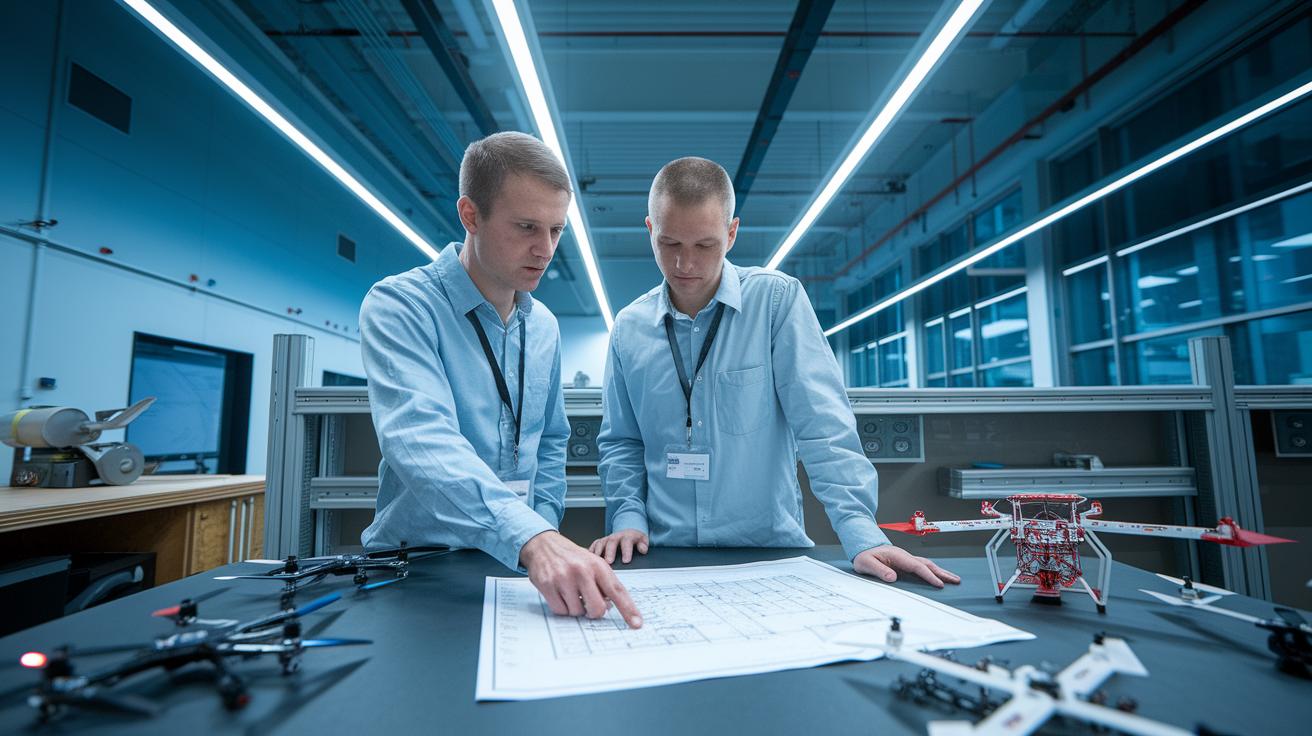
Aerospace engineering offers two main career paths, one that focuses on airplanes and another that zeroes in on spacecraft and satellites. Aeronautical engineers work on making planes fly smoothly, while astronautical engineers build and improve space systems. Have you ever noticed how drones (unmanned aerial systems you control remotely) are popping up everywhere? Engineers who know UAS design are busy boosting flight controls and making small aircraft run better.
Satellite technology is also changing fast. More people need better communication, weather forecasts, and remote sensing, so companies and schools are pouring resources into cutting-edge satellite design and orbital mechanics (the science that handles how objects move in space). Experts in these jobs work on systems that keep us chatting online and help watch over our planet's weather. Engineering talent that can solve tough design puzzles has endless chances to create new tech and polish up older ideas.
Over in the defense sector, companies are on the lookout for engineers skilled in advanced propulsion and systems engineering. These specialists turn high-tech ideas into safe, dependable aircraft and missile systems. It’s exciting work that mixes creativity with careful planning, a challenge many engineers find both fun and rewarding.
Both private spaceflight companies and government agencies are opening up new types of jobs. NASA and similar organizations continue to blend classic methods with innovative ideas, while private firms are testing bold, out-of-the-box concepts to stretch current limits. The historic flight of the Ingenuity Mars Helicopter is a clear sign of where space engineering is headed. With booming opportunities in flight tech, space systems, and defense projects, aerospace engineers today can choose from many specializations as they build the future of air and space travel.
Industry Trends and Market Demand Impactacting Aerospace Engineering Careers
The aerospace world is growing steadily thanks to new tech ideas. Companies now use smart tools like AI-driven design, simulation, and digital twin technology (a digital twin is a virtual copy of something real) to make better products. These tools help speed up tests and lower costs while keeping safety front and center. For instance, engineers create computer models to see how a wing might stand up to different weather before they even build it.
The market is shifting fast as space exploration and defense projects get a fresh burst of energy. Many experts predict major changes by 2025, with more funds going to develop advanced spacecraft and modernize aircraft systems. This trend is fueling demand for designers who can work with the newest tech. Companies are partnering with research labs to try out ideas that might truly change how we fly and explore space.
A clear move toward sustainable aviation is also catching on. This area focuses on lowering the environmental impact of air travel. With global interest in green engineering, engineers skilled in eco-friendly designs are needed more than ever. They work on projects that cut emissions and reduce fuel use while keeping flights safe and efficient.
Job trends in aerospace show that the future is bright all over the globe. Employers in the aviation sector are looking for people who can use advanced simulation tools and modern digital design methods. Today's aerospace roles are exciting, appealing to fresh graduates ready to learn and experts looking for a new challenge. It’s clear that the industry thrives on innovation and the excitement of tackling new challenges every day.
Regional Job Outlook and Top Employers for Aerospace Engineering Roles

Aerospace engineering is a field bursting with opportunities across the United States. Places like California, Texas, Washington, and Alabama are buzzing with projects that involve advanced aircraft and space systems. In these regions, both big companies and government groups work on groundbreaking projects, and they need people who can help design new tech, test safety features, and evaluate projects in high-tech settings.
Government jobs play a huge part in aerospace. Agencies like NASA and other federal organizations are always on the lookout for talent to help with space exploration and defense projects. At the same time, commercial aviation firms are busy designing the next generation of airplanes, streamlining production, and upholding strict quality standards. This push for innovation even extends to international aerospace companies in Europe and Asia, which adds to the global demand for skilled engineers.
If you’re dreaming of a career in this exciting field, there are many types of employers you might work for, such as:
- NASA and federal space agencies
- Commercial aviation manufacturers
- Defense contractors
- Private spaceflight companies
- International aerospace corporations
Choosing the right region can really boost your career in aerospace. With hands-on technical skills and a passion for new technologies, you'll make yourself an attractive candidate for companies at home and abroad. It's a rewarding field where your expertise can take you to new heights.
Final Words
In the action, we explored job growth estimates, salary trends, educational paths, specializations, and industry shifts in aerospace engineering. The discussion clearly linked data with practical career trends and market insights. It paints a lively picture of what to expect and how to shape a future in this field. With a steady job outlook for aerospace engineering, it's exciting to see how science keeps moving forward, inspiring innovation and everyday progress.
FAQ
What is the job outlook for aerospace engineers?
The aerospace engineering job outlook reflects moderate growth with around 6% projected expansion over the next decade, highlighting steady opportunities in aviation and space exploration.
What do aerospace engineers do?
Aerospace engineers design, develop, and test aircraft, spacecraft, and related systems while solving technical challenges that drive advancements in flight and space technology.
Is aerospace engineering hard?
Aerospace engineering is challenging because it requires strong skills in math, physics, and technology, yet many find it rewarding through its real-world impact and innovative projects.
What are the typical salary ranges for aerospace engineers?
Aerospace engineer salaries vary by experience, with entry-level roles earning about $70,000–$85,000, mid-career professionals around $100,000–$120,000, and senior positions exceeding $130,000 annually.
What education and skills are required for aerospace engineering?
Aerospace engineering usually requires a bachelor’s degree in the field or a related discipline, with essential skills including computer-aided design (CAD), simulation and modeling, and hands-on experience from internships.
Do aerospace engineers have a future?
The future for aerospace engineers is promising, with growing opportunities in unmanned systems, satellite technology, and sustainable aviation that keep the field vibrant and evolving.
What insights does Reddit offer about aerospace engineering job prospects?
Discussions on Reddit reveal that the field is competitive yet evolving, with engineers noting steady growth, attractive salaries, and the importance of networking and ongoing skill development.
How do aerospace engineering careers compare to other engineering fields?
Aerospace engineering offers unique opportunities in flight and space innovation, while fields like mechanical, civil, chemical, computer, and electrical engineering each provide their own rewarding career paths.
Which engineers can earn between $300,000 and $500,000 a year?
Some senior engineers in aerospace and related high-tech roles can earn between $300,000 and $500,000 per year, often reaching these levels through advanced positions and specialized project management.

