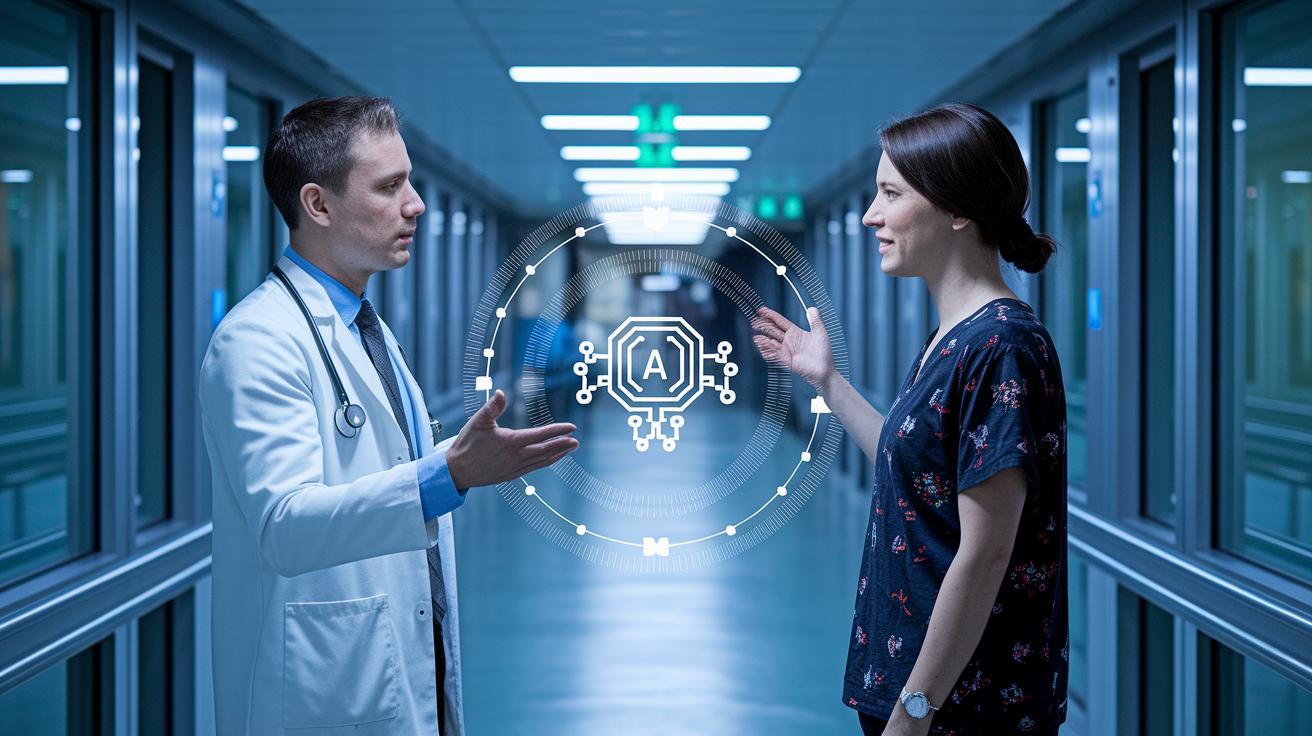
Have you ever thought a computer might change how you get care at the doctor's office? Medical AI is a game changer. It helps doctors work quickly and accurately by sorting through records and images in no time.
And get this, robot-assisted tools are showing great results in surgeries, making procedures safer and more comfortable for patients. This smart technology is really lifting patient care to a whole new level every day.
Core Applications of Medical AI in Healthcare
AI is quickly changing healthcare. Tools like machine learning (computers that learn from data), natural language processing (computers that understand human words), and deep learning (advanced computer learning) help doctors provide better care. In one study, AI scanned millions of images in minutes to detect tumors and fractures. Pretty amazing, right?
Robot-assisted surgeries now succeed between 94% and 100%. This breakthrough helps lower complications and speeds up recovery. Plus, smart systems powered by AI sort through huge piles of clinical data, which means doctors spend less time manually searching for clues.
Digital tools are also making a big impact. Automated appointment reminders and personalized health tips keep patients informed and involved, which leads to better treatment results.
On top of that, AI-driven data management processes trillions of data points in just minutes, easing the heavy administrative tasks that slow things down. The global market for healthcare AI was valued at US$16.61 billion in 2024 and is expected to reach US$630.92 billion by 2033. Now, isn’t that impressive?
Together, these innovations show that AI is more than just a fancy tool. It’s transforming how we diagnose, treat, and manage healthcare, making life a little easier for both patients and clinicians.
Machine Learning Innovations for Medical AI Diagnostics

Medical AI today uses smart computer programs called machine learning algorithms (methods that help computers learn from data) to sift through huge sets of clinical information and medical images. These systems can quickly review thousands of X-rays, CT scans, and MRI images, often spotting issues more accurately than the old ways of doing things.
They can detect even the smallest details, like a tiny tumor or a slight fracture, and give doctors a personalized risk score to help with tough decisions. It’s like having a super-fast, extra careful assistant that never misses the little things.
Here are some of the clever diagnostic tools making a big difference:
- Intelligent symptom checkers
- Virtual biopsy analysis
- Automated radiology image interpretation
- AI-powered pathology slide review
- Predictive modeling for disease risk
Each of these innovations plays its part in finding diseases early. For example, intelligent symptom checkers gather patient details and flag early signs of illness. Virtual biopsy analysis looks at tissue images to tell if cells are harmless or dangerous, without needing surgery. Automated radiology systems highlight unusual spots on images in seconds, saving precious time for doctors. Plus, AI-powered pathology slide review examines cell details with remarkable precision, and predictive models mix past and present data to estimate overall disease risk.
All of these machine learning tools work together to speed up diagnosis and boost accuracy, helping doctors deliver smarter, more proactive care.
AI-Driven Clinical Decision Support and Personalized Treatment
AI is now making it easier for doctors to pick the best treatment plans. It pulls together all your health details, like your history, lab results, and even genetic info (tiny pieces that make you who you are), to suggest a treatment plan that fits you just right. This helps doctors focus on improving the care you get. For instance, imagine a system that looks at your information, compares it to similar cases, and recommends a therapy plan. It can even spot potential risks before major symptoms show up.
Then there’s the cool technology of brain-computer interfaces, which let the brain and a computer work together. These tools offer hope by helping patients with ALS, stroke, or spinal cord injuries regain speech or movement. And don’t forget the wearable devices that track things like your heart rate, sleep, and daily activities. All this data goes into AI systems that use smart predictions to alert you and your doctor if something seems off. Picture a smartwatch that taps you on the wrist if it finds an unusual heart rhythm before it becomes a serious issue.
| AI Tool | Primary Function | Outcome |
|---|---|---|
| Clinical Decision Support | Suggest treatment plan | Better treatment accuracy |
| Brain-Computer Interface | Translates brain signals | Improved patient functions |
| Wearable Monitoring | Tracks body data | Early health alerts |
These smart tools work together to create care that’s as unique as you are, making healthcare smarter and more effective.
Streamlining Healthcare Operations through Medical AI Automation

Medical AI helps healthcare by taking over many routine tasks so doctors can spend more time with patients. It pulls out important details from conversations between clinicians and patients and updates electronic health records right away. This means there’s less need for manual data entry.
AI tools use natural language processing (technology that lets computers understand human talk) to let virtual assistants book appointments, answer billing questions, and sort out initial calls. This cuts down on wait times and eases the administrative load. In areas like medical coding and billing, AI makes fewer mistakes by correctly identifying diagnoses and procedures. This leads to fewer claim rejections and improved revenue for healthcare providers.
Machine learning (a way for computers to learn from data) is also at work by looking back at old records to predict future needs. These smart predictions help hospitals get the right staff and supplies when they need them.
All of this automation speeds up processes and reduces errors, making the whole system run more smoothly. With administrative tasks handled more efficiently, clinicians have more time to focus on the critical care that patients need. As the healthcare field grows and changes, AI-powered automation is becoming an essential tool to support both everyday tasks and more complex operations.
- Real-time updates to electronic records
- Automated scheduling and call handling
- AI-driven medical coding and billing
- Predictive resource planning
Ethical and Regulatory Considerations for Medical AI in Healthcare
Sometimes the data used to teach AI can be a bit biased, meaning it might favor one group of people over another. When an AI system mostly learns from one kind of patient, it may not work well for those who don’t fit into that group. And dealing with sensitive health information brings its own worries about privacy and cybersecurity (basically, keeping data safe from hackers). With strict rules under HIPAA and GDPR, developers really need to build strong protections.
Regulatory bodies like the FDA and EMA now lay out clear standards for testing these tools and require regular checks even after they hit the market. This means that the decisions made by AI systems can be explained in simple terms, which helps build trust between doctors and patients. Keeping a human in the loop and ensuring patients give informed consent remains key to blending tech innovation with real, caring medical service.
Case Studies of Successful Medical AI Integrations in Healthcare
At the Cleveland Clinic, AI-driven risk models have really changed the game. They use patient histories and lab results (which are simple tests and records) to spot potential issues before they become big problems. This early warning system helped reduce 30-day readmissions by 15%. It’s like having a friendly prompt that tells doctors when it’s time to act, even before symptoms reappear.
Over in Boston, an exciting AI program in radiology made a huge impact on how quickly emergency care is delivered. By using deep-learning techniques (smart computer methods that learn from data), the program cut the time it takes to read stroke images from 30 minutes down to under 5 minutes. That means radiologists can now detect dangerous strokes much faster, giving patients a better chance during critical moments.
Meanwhile, a forward-thinking drug discovery startup in San Francisco is using AI to speed up research. Their AI-powered compound screening platform works like a super-fast detective, scanning thousands of chemical compounds in record time. This approach has slashed drug development costs and overall research time by half, showing just how quickly breakthroughs can happen with the help of smart technology.
Each of these stories shows that medical AI isn’t just a cool idea, it’s a practical solution that brings real benefits. With improvements in patient care, operational efficiency, and cost savings, it’s clear that when advanced technology is used thoughtfully, it can truly transform healthcare.
Future Trends and Advancements in Medical AI Technology
The future of medical AI in healthcare looks really promising as new, smart tools are starting to change the way patients are treated. We can expect that in about five years, more hospitals and clinics will be using these tools, and in just a decade, they could become common everywhere.
Breakthroughs like adaptive learning algorithms (computer programs that learn and change based on real-time data) are making waves. Alongside these algorithms, we’re seeing easy-to-read analytics dashboards and virtual health assistants that help doctors keep an eye on patient information. These tools let clinicians spot hidden trends and act quickly when something unusual shows up.
Machine learning (a type of AI that improves by analyzing lots of data) is also becoming smarter every day. It sifts through huge amounts of information to predict health outcomes with impressive accuracy. For example, AI-powered drug discovery and trial optimization might cut research time and costs nearly in half. This means new treatments could reach patients faster and more efficiently.
Doctors and AI are now teaming up more than ever. This teamwork makes sure that while machines help with precise diagnoses and effective treatment plans, the caring, human touch remains front and center. By blending technology and human expertise, hospitals and investors can plan for the future, ensuring that patient care reaches new heights without losing the warmth and compassion that patients deserve.
Final Words
In the action of examining breakthroughs from diagnostics to clinical decision tools, our post shows how medical ai in healthcare transforms patient care. We explored tools that predict, detect, and guide treatment while easing everyday operations. Real-world examples illustrate success, ethical care, and the pace of innovation. Each section paints a clear picture of progress that sparks curiosity about tomorrow's advancements. The future shines bright with promise for more updates that keep us inspired and informed.