Have you ever wondered if your workday could get a boost without extra effort? New technology blends smart devices with creative software (that is, clever computer programs) to turn that idea into reality. Businesses are using these tools to speed up tasks, quickly meet customer needs, and operate at a higher level. Think of them as simple building blocks that create a smoother, more flexible company, one that can handle new challenges and grow. This article takes a look at how these innovations are driving exciting progress across different industries.
Comprehensive Nextgen Technologies Overview
Nextgen technologies are the new tools and systems that mix smart hardware with creative software to make work easier and faster. They tap into data (information we can count on) and clever engineering to help companies do more with less effort. In simple terms, these advances are the building blocks for a future where businesses can quickly adapt to new challenges.
Many businesses are jumping on board with these updates to change how they work every day. By using these modern systems, companies can answer customer needs faster, make smoother experiences, and boost overall performance. For instance, some platforms are showing off their recent advances, and leaders are excited by how these tools can upgrade old systems into fast, data-smart networks.
- Artificial Intelligence (AI): Smart systems that learn from past data to spot patterns and help make better decisions.
- Internet of Things (IoT): Everyday devices that talk to each other in real time to keep things running smoothly.
- Robotics: Machines that work alongside people to get tasks done accurately and quickly.
- Blockchain: A secure way to record transactions that keeps everything clear and trustworthy.
- Energy Storage: New battery and storage solutions that deliver steady, scalable power when it’s needed.
Each of these areas plays a key role in changing how businesses run. They help smooth out processes, give instant insights, and allow companies to adjust quickly as things change. As more organizations bring these ideas into their work, they build a setup that not only makes things work better right away but also sets the stage for growth later. Basically, mixing these technologies can create a strong, future-ready business where fresh ideas meet solid performance.
Artificial Intelligence & Machine Learning Breakthroughs in Nextgen Technologies

Artificial intelligence is changing how businesses run by powering a new wave of digital transformation. It runs systems that learn from loads of data (huge amounts of information) to smooth out operations and speed up decision-making. It’s more than just automating dull, everyday tasks, it builds smart systems that adapt to changes as they happen. Think of a smart thermostat that adjusts your home’s temperature by learning what you like.
Recent progress in machine learning has brought us three big breakthroughs: generative AI, edge ML, and explainable AI. Generative AI is like a creative partner, helping to spark new ideas. Edge ML runs models right on your device, so decisions happen fast without waiting for a central computer. Explainable AI shows you how decisions are made, turning a mystery into a process you can understand. Imagine it this way: instead of a secretive, black-box result, you get a clear peek behind the curtain.
At Thrive, their platform automates tasks for hundreds of both remote and on-site workers, showing how AI can handle workforce management smoothly. This smart system boosts quick, real-time decisions, much like how AI is revolutionizing drug discovery in healthcare. In the end, these innovations push performance to new heights and keep technology growing in ways that are both practical and really exciting for industries around the world.
Internet of Things & Connectivity Innovations within Nextgen Technologies
Nextgen Internet of Things (IoT) innovations are really changing how our devices work together. Smart gadgets now effortlessly share information, making daily tasks smoother and more efficient. Edge sensors (small devices that collect real-time data) keep a close eye on activities in factories and cities, while fast 5G connections let them chat with each other instantly. It’s like a team where every member has a special role in keeping things running without a hitch.
Thrive’s Managed Detection and Response system now covers both cloud and network devices. This shows how important it is to protect every part of our connected world. With devices constantly swapping data, even a tiny breach can cause big problems. Thanks to smart monitoring and automatic fixes, companies can better handle risks and ward off cyber threats.
Merging these technologies comes with its own challenges, like sorting out data and making sure everything works well together. But as our smart systems grow more advanced, they are not only pushing industrial automation forward but also boosting security measures. In a world where everything is linked, businesses are discovering new ways to increase productivity and keep their operations safe in real time.
Robotics & Automation Integration in Nextgen Technologies

Collaborative robots, also known as cobots, work side by side with people in factories to boost speed and accuracy. These friendly machines can lift and place materials carefully, so workers have more time for creative work. Picture a lightweight robotic arm picking up a part while a technician checks its quality. This blend of human insight and mechanical skill is reshaping how factories operate.
Another important tool in modern manufacturing is the autonomous guided system. These self-driving units move around the factory using sensors (devices that detect objects) and mapping technology. They handle tasks like moving materials from one station to another by finding the best routes, which cuts downtime and errors. So, when you see a cart moving on its own, think of it as a tireless helper keeping the production line running smoothly.
The best ways to bring robots into a production line involve careful planning and testing to make sure machines and workers work well together. This means matching the tasks to the right skills, setting clear performance goals, and using safety rules to protect everyone. More companies are using these smart tactics to create balanced, efficient production lines that keep up with the latest in automation.
Advanced Battery & Energy Storage Innovations for Nextgen Technologies
New types of batteries, like solid-state and lithium-sulfur, are changing how we store energy. Solid-state batteries use hard materials instead of liquids, which helps prevent leaks and makes them safer. Lithium-sulfur batteries are lighter and pack more energy, making them perfect for devices that need both power and portability. These breakthroughs are setting a higher bar for battery performance and care for our planet.
These improved battery designs also charge faster and last longer. They help keep heat in check and work more efficiently every day. With materials that transfer energy quickly and endure many charge cycles, these batteries are changing how our gadgets and vehicles use power. In short, our energy storage is getting more efficient and dependable.
On a larger scale, these battery innovations are changing how we manage big amounts of power. New systems based on these advanced batteries support data centers, factories, and even city grids. They provide steady energy during busy times and help balance power across wide networks. Thanks to these cutting-edge batteries, our modern systems can run more smoothly and resiliently.
Blockchain Evolution & Security Features in Nextgen Technologies

Blockchain started out as a simple open ledger that anyone could use. Over time, as people wanted more privacy and faster processing, it evolved into a system where only trusted members can add or verify records. This change means companies can now count on blockchain to keep things secure and speedy in modern tech setups.
Today, blockchain uses strong security methods to protect sensitive information. For example, smart-contract auditing (a step-by-step check of automatic agreements) makes sure self-running codes do what they should without loopholes. Plus, zero-knowledge proofs (a way for one party to show they know something without revealing the actual details) add extra trust. Together, these features help keep transactions safe even as the system runs smoothly.
Businesses are now working on fitting these high-tech security tools into their current IT systems. Many are looking at how controlled ledgers can easily join with what they already use, which cuts down risks and improves how things run. This careful blend of old and new helps companies handle delicate data while keeping everyday operations reliable and secure.
Case Studies & Practical Applications of Nextgen Technologies
The tech world is moving fast, and real examples show how nextgen technologies are changing the game. Companies aren’t just dreaming about the future, they’re using these new tools today to work smarter and see real benefits. For example, Thrive MDR (used to be called GridWay) protects networks, servers, and cloud systems with Managed Detection and Response services. And then there’s Databricks, which offers one easy-to-use platform that mixes data engineering, machine learning (computers learning from data), and analytics to help businesses tackle big data challenges. In healthcare, AI drug discovery is speeding up research, making it quicker to find new treatments. These examples show that digital transformation isn’t just theory, it’s happening now and helping industries update how they work.
| Company | Nextgen Technology | Business Impact |
|---|---|---|
| Thrive MDR | Managed Detection and Response | Stronger security and smoother operations in networks and the cloud |
| Databricks | Unified Analytics Platform | Better data handling that leads to clear, measurable results |
| AI Drug Discovery | AI-Powered Research | Faster research on new treatments, saving time and effort |
These case studies prove that nextgen technologies are not just ideas on paper, they are tools that change everyday business practices. Companies are using strong security, smart analytics, and quick innovations to rethink how they work worldwide. They’re not just keeping up with today’s needs; they’re also setting the stage for future improvements. By using these practical solutions in daily operations, businesses enjoy better performance and clear directions for the digital future.
Forecasting Emerging Tech Trends for Nextgen Technologies
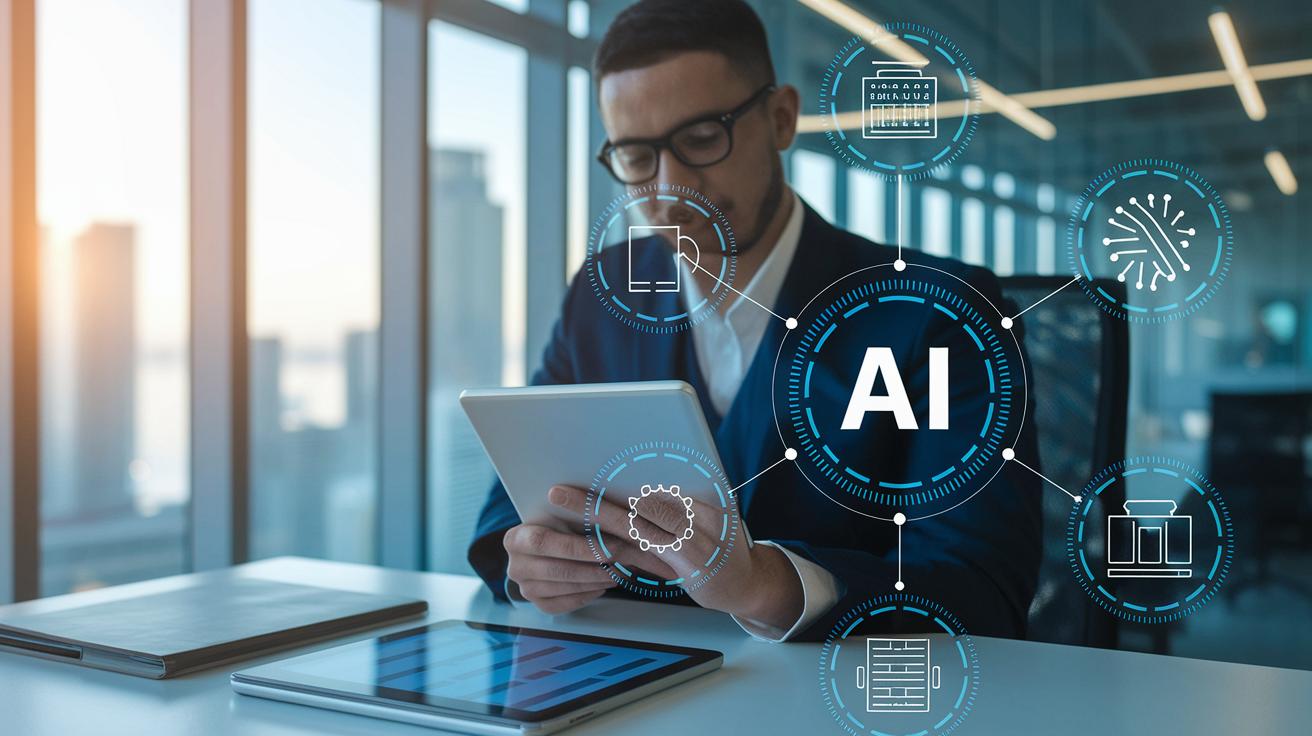
Artificial intelligence is making smart tools available to everyone by taking high-tech research from labs and putting it into everyday work settings. Now even small businesses can use machine learning (computers that learn from data) without having to hire special experts. This makes digital solutions more open to everyone, sparking new ideas and growth in many fields.
The mix of 5G and IoT is tightening the bond between mobile networks and smart gadgets. With more devices constantly connected, information flows faster and more smoothly. This change helps systems react in real time, making our cities and factories smarter and more efficient as they adjust to new needs.
Bringing together edge and cloud computing means processing data where it’s collected, then syncing with powerful central systems. By handling data close to its source, devices get quick insights and later benefit from deeper analysis in the cloud. This smart combo speeds up decisions and opens fresh opportunities for businesses guided by data.
Green computing is pushing companies to use energy-smart systems. By relying on low-power devices and creative cooling methods, businesses cut energy use and lower costs while caring for the environment. This focus on eco-friendly tech is driving the shift toward more sustainable and efficient systems.
To stay ahead, businesses need to rethink their strategies and embrace these emerging trends. Investing in flexible systems, regular training, and adaptable models can help companies navigate shifting markets. Acting now means building a resilient setup that can handle future challenges and keep progress steady in the coming years.
Final Words
In the action, we journeyed through nextgen technologies and explored breakthroughs in AI, IoT, robotics, blockchain, and energy storage. The post offered practical insights and real-world examples from innovative companies.
We wrapped up with predictions on emerging tech trends, giving you a glimpse into how these advances impact everyday life. Stay curious and keep engaging with the fascinating world of nextgen technologies for a brighter, informed future.
FAQ
What are the career prospects and employee opinions for Nextgen Technologies?
The Nextgen Technologies careers outlook and employee reviews highlight a dynamic work setting, with insights into company culture, benefits, and work-life balance shared on review platforms.
Where is Nextgen Technologies located?
The Nextgen Technologies headquarters is situated in a key metropolitan area with additional offices across various regions. Specific address details can be found in official company listings.
How does salary compare at Nextgen Technologies?
The salary at Nextgen Technologies is competitive within the tech sector, with pay reflecting roles, experience, and market trends as noted by employee feedback sources.
Who leads Nextgen Technologies?
The leadership of Nextgen Technologies is guided by its CEO, while ownership details are available through public records and the company’s official website.
What is Nextgen technology and what kind of company is Nextgen?
Nextgen technology spans innovations such as AI, IoT, robotics, blockchain, and energy storage. The company provides advanced tech solutions that are applied across various industries to boost efficiency and support business transformation.