
Have you ever wished for a healthcare system that really listens to you? Picture treatment plans crafted just for you, taking into account your feelings and needs. New patient-centered ideas are turning this vision into reality by emphasizing real conversations and honest care. With smart technology combined with genuine compassion, healthcare is moving toward a future that works best for you. This fresh way of thinking shows that every patient can join in to create a care plan that truly fits.
Patient-Centric Innovations Overview: Core Breakthrough Approaches In Healthcare Delivery
Patient-centric care is all about putting you first. It means focusing on your needs, values, and preferences while treating you with the respect you deserve. Think of it as a team effort, where everyone works together to create a care plan that fits you perfectly. It’s a flexible approach that makes sure every patient feels like an important part of their own health journey.
In practice, this means clear communication and genuine empathy (a heartfelt understanding) among all the healthcare professionals involved. They combine the latest medical technology with a caring attitude to discuss options openly and listen to your concerns. Plus, by using tools like surveys and measurable outcomes, they constantly adjust care to make it even better.
- Collaboration and genuine care among the team
- Personalized care plans built just for you
- Seamless teamwork from different specialists
- Active involvement of patients in choosing treatments
- Quick and affordable access to both preventive and emergency services
- Quality care backed by real evidence, safety, and proven results
By focusing on these core elements, healthcare providers can cut out unnecessary treatments and use resources more wisely. This not only helps lower costs but also boosts the chances that patients will stick to their treatment plans. All in all, this breakthrough approach makes for better results for patients and a more efficient healthcare system.
Patient-Centric Innovations in Action: Case Study of DPU Super Specialty Hospital

At DPU Super Specialty Hospital in Pune, care is all about focusing on the patient. They mix advanced tools with genuine compassion to create treatment plans that truly fit each individual. The hospital uses clear, high-resolution imaging and top-notch lab techniques (methods that let doctors see inside the body in great detail) to customize care. With robotic surgery that makes procedures less invasive and wellness programs aimed at a healthier future, this hospital isn’t just treating illnesses, it’s building lasting well-being.
| Innovation | Description | Patient Benefit |
|---|---|---|
| Advanced Diagnostics | Uses clear imaging and lab techniques to create a care plan just for you. | Quick, accurate diagnosis so every patient gets the right treatment. |
| Robotic Surgery | Features minimally invasive procedures with precise controls. | Helps patients recover faster with less pain. |
| Holistic Programs | Offers therapies that blend lifestyle changes, prevention, and overall care. | Improves long-term health and quality of life. |
With these smart ideas, DPU Super Specialty Hospital boosts both patient results and the smooth running of its team. Every tech tool and treatment is built with the patient in mind, from the detailed diagnostics to surgery that’s as gentle as possible, and even to programs that help you feel better for the long run. This approach makes hospital stays shorter, helps people recover more easily, and gives patients a real voice in their own care. It’s a clear example of how mixing high-tech methods with real human warmth can change lives.
Breakthrough Healthcare Delivery: Emerging Technologies Powering Patient-Centric Innovations
Extended Reality (XR) Applications in Patient Engagement
XR is a fun and engaging way for patients to learn about their treatment. In a virtual space, patients can try out relaxation techniques or even see what a procedure might feel like before it happens. This hands-on approach helps ease worries and builds trust, turning a scary process into something more friendly and familiar.
AI and Machine Learning for Predictive Health Analytics
AI (smart computer systems) and machine learning (programs that get better with experience) work together to sift through heaps of patient data quickly. They help spot health trends and potential issues early on, which means doctors can tweak treatment plans to fit each person perfectly. This proactive method gives healthcare a real boost, making it easier for doctors to predict and meet patient needs.
Digital Twins for Virtual Patient Simulation
Imagine having a virtual copy of yourself that doctors can experiment on safely. Digital twins make this possible by creating detailed virtual models of patients. These models let healthcare teams try out different treatment plans in a risk-free setting, so they can refine the approach before applying it in real life. It’s like practicing before a big game, care becomes as unique as the patient.
IoMT Wearables for Real-Time Patient Monitoring
The Internet of Medical Things, or IoMT, connects everyday wearable devices that continuously track health signs like heart rate and blood oxygen. These smart gadgets alert doctors to any changes in real time, meaning help is always at hand. It’s a bit like having a friendly health monitor by your side at all times, keeping your well-being in check.
3D Printing for Patient-Specific Surgical Planning
3D printing lets doctors create exact models of a patient’s organs from their scans. These custom models serve as a tangible reference when planning complex surgeries. This careful, hands-on preparation can lead to steadier surgeries and quicker recoveries, ensuring that every patient gets a treatment plan that fits them perfectly.
Patient-Centric Innovations in Healthcare Delivery: Overcoming Challenges

Patient-centered care is up against some real hurdles. Providers are feeling the squeeze from fewer patients, higher wages, and rising costs for supplies and medications because of inflation. And to make matters worse, disagreements over contracts between payers and providers often mess with the funding. Small practices, in particular, may not have enough resources to invest in modern digital tools, which can lead to lost revenue and unequal care.
| Key Challenge |
|---|
| Fewer patient visits and rising costs |
| Increasing wages and contract standoffs between payers and providers |
| Staff shortages affecting roles from surgeons to nursing aides |
| Limited funds for digital health tools in smaller practices |
By teaming up with others and planning carefully, healthcare systems can build a more resilient way of caring for patients. Big organizations can join forces with community programs to secure better deals with vendors and insurers. And by putting money into digital upgrades and creating a network that spreads care across practices, we can make the whole patient-focused system stronger. In the end, these steps help improve access, make operations more efficient, and increase the security of digital services.
Data-Driven Patient-Centric Innovations: Leveraging Analytics for Optimized Care
Data analytics is the backbone of healthcare that truly focuses on each patient. Doctors use patient records and clear results to pick the best treatments. When patterns show up in the data, they adjust care to work better in real-life situations. Imagine a doctor who finds that a patient consistently does well with a certain dose of medicine and then changes the plan just like tweaking a favorite recipe.
Patient portals, wearables, and online health tools give people quick access to their records and let them check vital signs (like heart rate measured by sensors) anytime, anywhere. Plus, smart computer programs (AI tools that quickly process lots of medical information) help doctors by giving fast, accurate insights. It’s like having a helpful assistant that sorts through heaps of data in just a few seconds.
Surveys and clinical tests show how patients feel about their care and how well they’re doing. This feedback helps healthcare providers adjust services and work closely with each other to improve every part of treatment. In short, using data this way creates a smooth, ongoing cycle that keeps improving care while keeping patients at the center of everything.
Future Patient-Centric Innovations: Trends & Sustainable Delivery Models
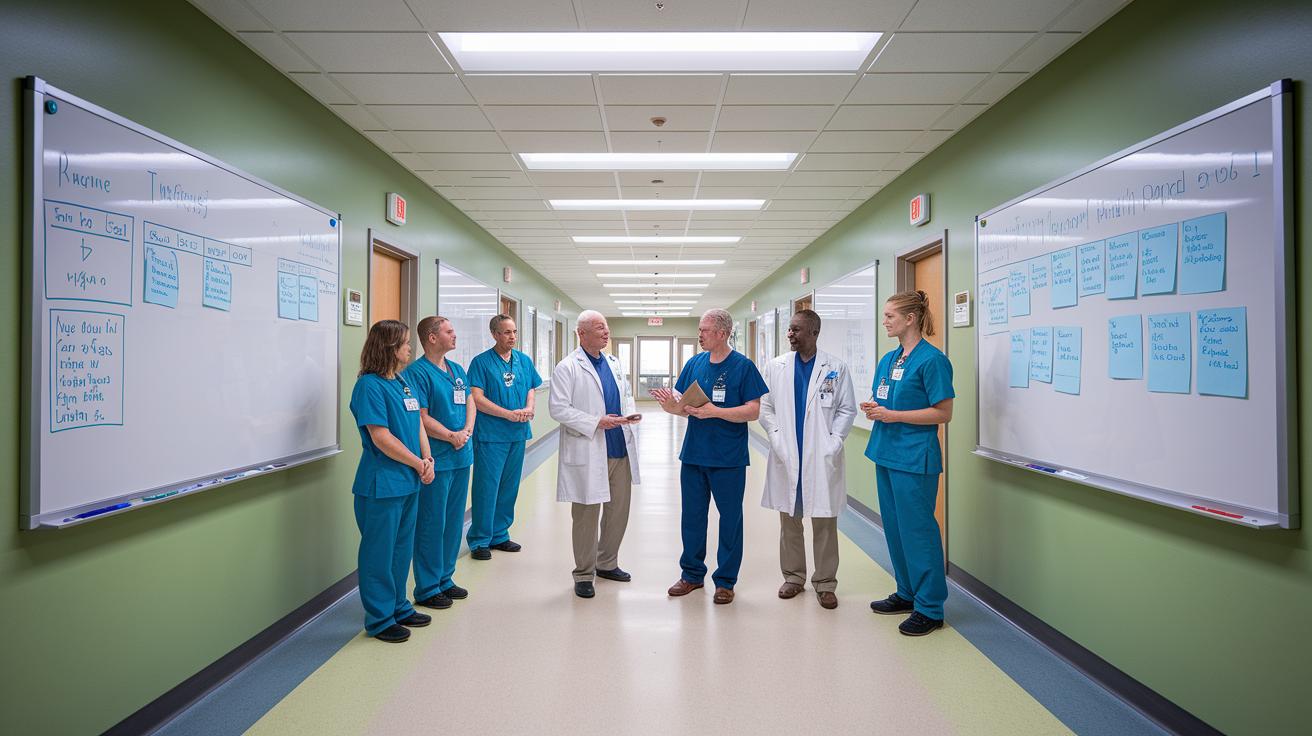
Many hospitals and care centers are now using improvement methods like KAIZEN (a way of making small, everyday changes that add up over time) to put patients at the center of their work. This approach helps smooth out how patients move through the system, makes better use of resources, and pushes for digital tools and fast planning. It encourages teams to make little but meaningful tweaks each day while giving patients and their families the clear info they need to make smart choices.
Patient care is also shifting toward models that focus on real outcomes and community help. Instead of just checking boxes, care now measures quality by looking at results that matter. Local teams, working with specialists from different fields, bring services closer to where people live. This creates a team effort that not only listens to everyday feedback but also fine-tunes care plans, cuts extra costs, and focuses on care that fits each patient’s unique life.
Looking ahead, keeping healthcare fresh and innovative means always being open to new ideas. Future trends will probably mix steady small improvements with strong community ties, ensuring that care stays both flexible and reliable. When we combine these new strategies with thoughtful, personalized attention, the whole system gets better, all while keeping the patient’s well-being at the center of every decision.
Final Words
In the action, we explored patient-focused care models that place people at the center of treatment. We saw how customized approaches, advanced technology, and coordinated care improve outcomes and build stronger provider-patient bonds.
This article took a close look at real-world examples and emerging digital tools that promote timely, safe care. The future shines bright with patient-centric innovations: breakthrough approaches in healthcare delivery, leaving us excited about what tomorrow will bring.
FAQ
What is the patient-centric approach in a hospital?
The patient-centric approach in a hospital puts patient needs, values, and choices first. Care is customized with empathy and teamwork, ensuring every step of the treatment fits the individual’s unique circumstances.
How does technology play a role in healthcare?
The role of technology in healthcare boosts personalized care and efficiency. Smart devices, advanced imaging, digital twins (virtual patient models), and remote monitoring transform diagnosis, treatment, and overall patient engagement.
What are some recent innovations in healthcare delivery?
Recent innovations in healthcare delivery include advanced diagnostic tools, robotic-assisted surgeries, digital twin simulations, and AI-driven analytics. These innovations help improve safety, speed recovery, and streamline care processes.
What are the 4 components of PCCM?
The four components of the patient-centered care model include personalized care plans, teamwork-based coordination, active patient engagement, and timely access to quality, cost-effective services.