Have you ever wondered if our brain can fix itself? New research in brain science is showing progress that might change how we think about brain health. Picture your thoughts acting out like scenes in a movie or devices that move just with your thoughts – it might sound like science fiction, but it’s becoming real. Today, scientists use fresh imaging methods (special techniques to see brain activity live) to check what your brain is doing and test treatments that could repair damage, even in older brains.
In this article, we explain these breakthroughs in simple language. We want to share the incredible new hope for brain wellness with you in a way that’s easy to understand and genuinely exciting.
Major Science Breakthroughs in Neuroscience Research Today
Scientists can now watch the brain work in real time with new imaging methods. These techniques create detailed maps of neural circuits so you can almost see a movie of your thoughts. In one study, researchers found that the brain can make new cells even into your 70s. This discovery ends a long debate and gives hope for keeping our brains healthy.
AI-powered brain-computer interfaces are also showing amazing promise. They help people with severe paralysis by turning their thoughts into commands. This technology is giving a new lease on life for those who struggle with communication and movement.
Researchers are not stopping there. Gene therapies and new methods that help the body repair itself are on the rise. These treatments use special molecules (tiny pieces of chemistry) to trigger repair in injured parts of the brain and spinal cord.
At the molecular level, scientists are discovering new targets for personalized treatments. They study our genes and enzymes (proteins that speed up chemical reactions) to find ways to improve health. All of these advances are driving a fresh look into how our brains work and heal, opening up exciting possibilities for future research.
Imaging Breakthroughs in Neuroscience: Visualizing the Brain with Unmatched Clarity
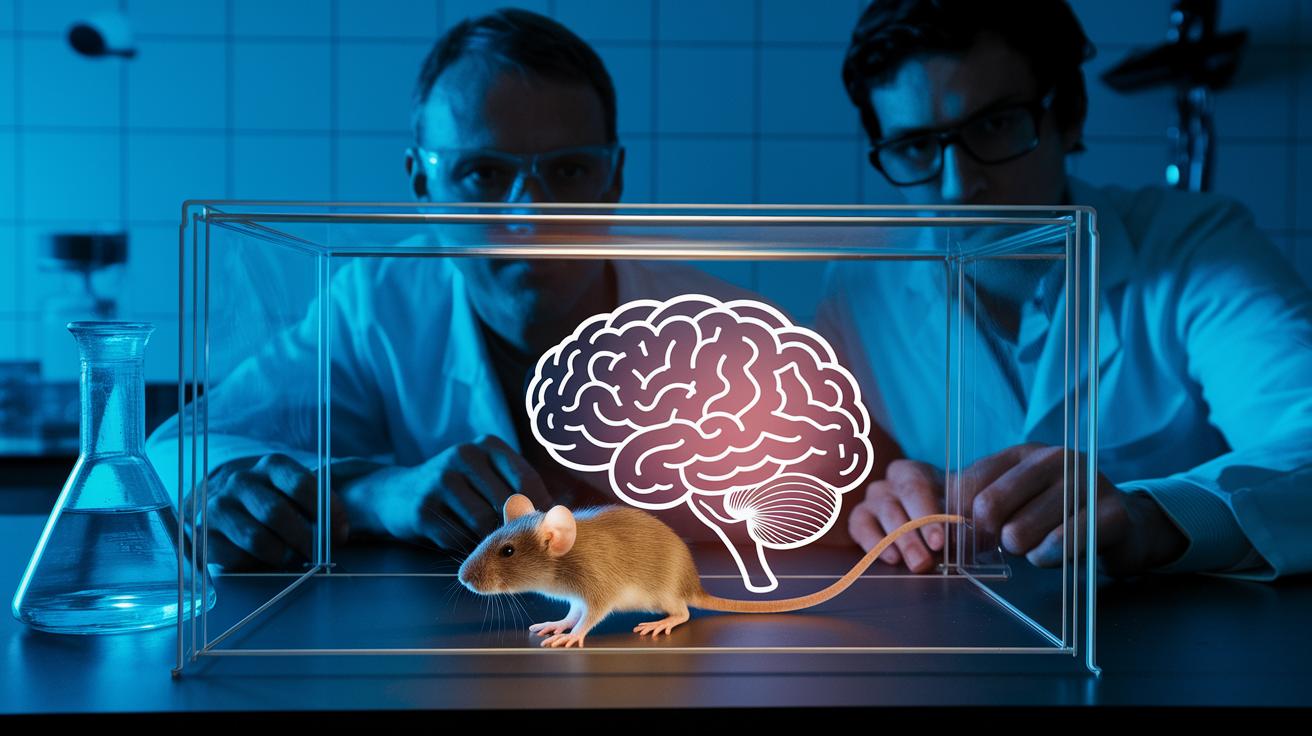
Stanford's COSMOS bifocal microscopy lets scientists watch movies of a mouse's decision-making process in real time. Every little burst of brain activity appears, much like watching a short film of neurons lighting up when a mouse makes a choice. This breakthrough gives us an incredible look at the brain that we never thought possible.
MIT's live 3D functional brain mapping takes things even further by showing both the brain’s detailed structure and the quick signals flowing through it. Researchers can follow fast bursts of activity while still seeing the overall brain layout. It feels a lot like watching a finely tuned clock, where each small tick represents a spark of life.
Yale's BrainEx system pushes scientific discovery even more by keeping brain cells alive after death for a short period. This technique allows scientists to study living tissue for hours, revealing cellular processes that had always been hidden before.
New advances in spectral decomposition (breaking signals into parts) and voxel segmentation (dividing images into tiny cubes) have taken imaging to the sub-micron level. Think of it like upgrading from a regular television to ultra-high-definition, where even the tiniest details of neural pathways become clear. This amazing level of detail marks a significant leap in our understanding of how the brain processes complex signals.
Neurogenesis Evolution and Regenerative Advances in Neuroscience
Scientists are now finding ways to help the brain heal itself like never before. Researchers in the US have figured out how to turn mature brain cells into more flexible ones by using networks of genes (groups of instructions inside our cells). This clever trick makes specialized cells act more like young, growth-ready cells. It’s a big step toward fixing damaged tissues and could lead to new treatments for brain injuries.
Recent studies show that adults continue to grow new brain cells even in old age. In fact, new neurons have been seen in people as old as 78. This finding settles debates we’ve had for years about whether the brain can renew itself. It proves that our brain still has a lot of hidden potential for recovery later in life.
At Northwestern, researchers have come up with tiny injectable agents, sometimes called "dancing molecules", that help repair bad spinal cord injuries in animals. These little helpers work by fixing damaged nerve fibers and even reversing paralysis. It’s amazing to think that such precise interventions can spark repairs that once seemed impossible.
Meanwhile, work at Aarhus University is using mini-brain organoids (small brain models grown from stem cells, which are basic building blocks for living things) to study how nerve fibers catch up with changes. These models let scientists see how cells work together to repair themselves. Such insights could lead to breakthroughs in healing from strokes, injuries, or diseases that wear down our brain cells. Innovations like these bring hope to millions dealing with brain injuries.
Mind Innovation: AI Models and Brain-Computer Interfaces in Neuroscience

AI is changing the way we study and interact with our brains. It helps us pick up on the tiny signals our neurons send and turn them into simple actions. For instance, Google DeepMind has built an AI model that copies how our brain organizes decisions. This means machines can work more quickly and efficiently, almost like watching a clever critter solve a puzzle in real time.
At the University of Melbourne, researchers have developed a tiny implant that offers a new way to interact with technology. Imagine a small device that reads brain signals and turns them into commands. This breakthrough lets people with paralysis control computers and connect with friends and family, as if their thoughts suddenly came alive on a screen.
Meanwhile, over at UCSF, a special neuroprosthesis is turning imagined sentences into written words. This tool gives a voice to those who can’t speak, making daily communication feel natural again. And a team from Cambridge and Imperial College has crafted an AI algorithm that carefully examines CT scans to spot different brain injuries with striking accuracy. It’s a clear sign that AI is making big strides in helping doctors diagnose and treat injuries.
Even MIT is joining the effort by creating an AI system that learns to "sense" in a way that feels similar to human smell. This clever mix of neuroscience and modern engineering takes us one step closer to understanding the true language of our minds.
Clinical Evaluation of Emerging Neuroscience Therapies
AMT-130 gene therapy for Huntington’s is showing signs of promise. In early trials, a long infusion that lasts 8 to 10 hours (this means the treatment is delivered slowly and carefully inside the brain) appears to slow down the progress of the disease. Imagine tuning a complex engine, every minute of the treatment helps the brain manage the condition a little better.
At UCSF, researchers are trying a new technique for severe depression using adaptive deep brain stimulation. This approach sends small electrical signals only when symptoms show up, much like a smart sensor that activates exactly when needed. Picture a device that quietly waits until you feel the weight of depression and then gives a precise, comforting boost to help ease the burden.
Over at the University of Utah, a tiny device known as a microelectrode array visual prosthesis has helped restore partial sight in people who had been completely in the dark. Think of it as a gentle nudge that reawakens parts of the vision system, letting the brain start to pick up light again.
The University of Basel is using virtual reality to treat height phobia in a fresh way. VR-based exposure therapy creates safe, immersive experiences that gradually reduce fear. It’s like training your mind in a space that challenges you while also providing comfort, making it easier to overcome deep-seated anxieties.
Meanwhile, scientists in Heidelberg found that when the brain doesn’t absorb enough glutamate (a key chemical messenger) after a stroke, it can lead to more neuron death. This important insight is helping shape new strategies to protect brain cells during critical moments after a stroke.
For more on these exciting medical breakthroughs, check out our page on medical breakthroughs at https://buzzyandclever.com?p=1681.
Genetic Unveiling and Molecular Analysis in Neuroscience Research
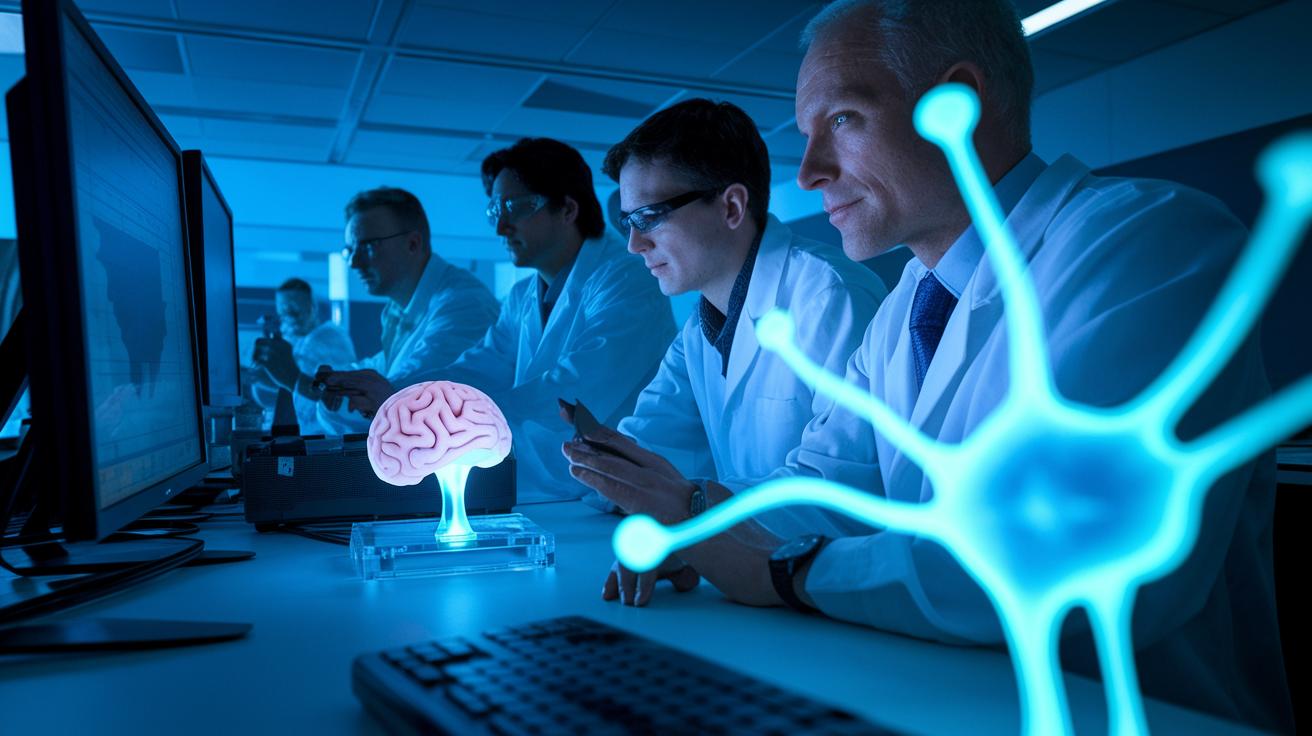
Recent breakthroughs in genome editing (methods used to change DNA) and metabolic mapping (tracking how cells process chemicals) are changing our view of the brain. At the Max Planck Institute, scientists are using CRISPR, a powerful gene-editing tool, to create Neanderthal brain models called organoids. It’s a bit like reading an old note from our ancestors, uncovering hidden secrets about how our brains work.
By simulating brain chemistry, researchers have discovered new targets for treating dementia. They carefully track the flow of chemical reactions in brain cells (what we call enzymatic flux) to find ways to keep these cells healthier. In one striking example, rapid genomic sequencing revealed two different variants of Parkinson’s disease. Think of it like a tailor fitting a suit: this discovery lets doctors tailor treatments to fit each person’s unique needs.
Looking at the chemical reaction flows in brain tissue after death is giving us fresh clues about how brain cells use oxygen and manage stress. This detailed molecular analysis is crucial for coming up with strategies to repair or protect brain tissue. Each of these findings builds on our growing understanding of the brain, from improved imaging techniques to insights into how new brain cells are formed (a process known as neurogenesis). It’s these tiny details that drive breakthroughs and inspire hope for personalized, targeted treatments in neuroscience.
Future Prospects and Ethical Considerations for Neuroscience Breakthroughs
BrainEx has sparked some intriguing debates. The work shows that brain cells can keep working after death, which makes us wonder how long these cells stay active and who should decide if we study them longer. At the same time, CRISPR experiments (a gene-editing method that lets us change DNA) with tiny brain models called organoids are stirring up discussions about mixing human and animal features in research. People ask, "How do we keep to our moral rules while helping science reach new heights?" Think about rearranging the building blocks of life and then stopping to ask, "Is this really okay?"
Across the globe, researchers are joining forces to share the load. Countries and institutions are rethinking funding, reshaping decision-making, and encouraging teamwork beyond borders. New rules are coming out to protect our brain data and to ensure the computer systems managing this information are clear and fair. Today, scientists must follow strict guidelines on how they handle and share neural data in labs and hospitals.
| Issue | Description |
|---|---|
| Post-Mortem Viability | Leads to questions about informed consent and ethics in studying cells after death |
| CRISPR Organoid Research | Raises debates on mixing human and animal elements in the lab |
| Global Collaboration | Calls for new funding models and policy updates across countries |
| Data Privacy | Demands clear standards for protecting neural data and ensuring transparent algorithms |
Balancing exciting scientific advances with thoughtful ethical oversight is key. It’s all about moving forward in neuroscience while making sure we do right by our values.
Final Words
In the action, we explored cutting-edge imaging, regenerative advances, and AI-driven brain-computer interfaces that are reshaping our view of the human brain. We also touched on ethical and clinical dimensions that frame these science breakthroughs in neuroscience clearly and accessibly. The blog brought together diverse insights from live neural mapping to gene therapies that might one day repair brain injuries. Each section offers a glimpse of exciting innovations that affect daily life, inspiring hope and sparking curiosity for a future where science continually surprises us.
FAQ
Frequently Asked Questions
What are the recent breakthroughs in neuroscience?
The recent breakthroughs in neuroscience include advances in imaging for clear brain mapping, evidence of ongoing adult neurogenesis, AI-powered brain-computer interfaces, promising gene therapies, and novel molecular targets for treatment.
Where can I find neuroscience research and breakthroughs in PDF format?
The neuroscience breakthroughs and research findings are often available in PDF format through academic journals, institutional repositories, and online databases, serving as a ready source for detailed studies.
What are some hot topics and interesting articles in neuroscience?
The hot topics in neuroscience cover new imaging techniques, regenerative discoveries, AI applications in neural studies, clinical therapy innovations, and ethical considerations, all featured in accessible scientific publications.
What does the field of neuroscience encompass?
The field of neuroscience explores the structure, function, and disorders of the brain using cutting-edge imaging, neurogenic research, AI-driven tools, molecular analysis, and clinical evaluations to deepen our understanding.