
Have you ever thought about how knowing exactly where you are can spark wonder about the vast universe? Space awareness connects our everyday movements with the beauty of distant stars. It’s a bit like a child carefully stepping around scattered blocks, every small step builds up your strength for bigger adventures. This natural sense not only keeps us safe when we move around but also helps scientists fine-tune telescopes to capture images of far-off objects in space. In this piece, we explore how feeling aware of our surroundings can deepen our connection with the cosmos.
Defining the Concept of Space Awareness
Space awareness means knowing where your body is compared to the people and objects around you. It’s all about connecting your everyday moves with what you see and feel so you always know your position. Think about a child carefully moving around blocks – that simple action builds strong skills in matching what they see with how they move (the brain linking vision and motion). In school, activities that teach directions and distances help build these basic skills, which are important for everyday tasks and even for more complex challenges that need smooth, efficient movement.
When we talk about looking at the stars, space awareness stretches even further. Astronomers rely on this skill to judge the distances between stars and track things like satellites. For example, a technician adjusting a telescope uses these cues to line up perfectly with far-off celestial bodies. This clear sense of space turns simple motions into a powerful tool for exploring the cosmos, sparking wonder and making it possible to uncover the secrets hidden in the night sky.
Key Dimensions of Space Awareness in Astronomy
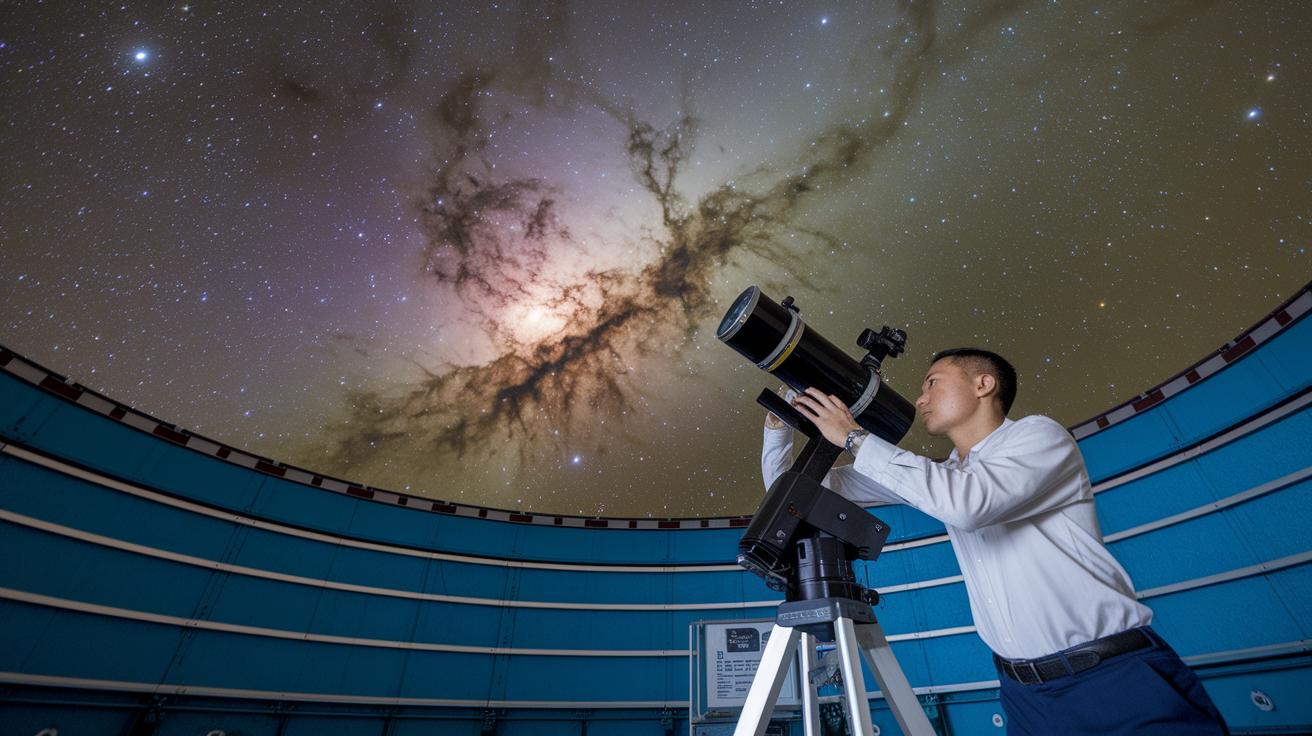
Space awareness in astronomy means understanding three important ideas. First, we check how well we can tell where things are and how far they are. Next, we keep watching our surroundings as objects shift around. Finally, we learn how satellites and stars move along their paths. All these parts work together so astronomers can explore the universe with steady care.
When aligning telescopes, tests about our sense of space are key. Imagine a technician carefully checking angles before aiming a telescope at a far-off nebula. It’s a bit like a driver figuring out the turns on a twisty road. This process helps mix what we see with the movement of our instruments, so every move has a clear direction.
Keeping an eye on everything around us is also important. Observatory teams constantly check their tools as stars slowly change positions. This careful watching is like an athlete dodging quickly during a game, any small shift is noticed and fixed right away. It helps make sure our observations stay true no matter how conditions change.
The last part is about understanding the paths of objects in space. Think of experts at a satellite control center who track how satellites move to stop them from crashing. They use what they see to guess how things will change, helping keep everything in the right spot. This approach gives us a lively picture of how all the space objects move and interact.
Techniques and Tools for Enhancing Space Awareness
Today’s learning platforms pack in interactive games that let you practice spatial skills in a really fun, hands-on way. These tools help you get a feel for directions and distances, all while offering daily progress reports and even one-on-one coaching. Every click or tap turns a spatial challenge into an engaging puzzle that builds up your confidence.
The activities are designed around clear and simple digital simulations. Picture this: you’re asked to steer a virtual spaceship to line up perfectly with distant planets. It’s not just about playing a game, it’s about sharpening your ability to see things in 3D (three dimensions) and judge distances accurately.
- VR simulation for orbital navigation
- Online 3D spatial visualization test
- Interactive galaxy mapping game
- Augmented reality stargazing app
- Digital puzzle for mental rotation practice
These interactive exercises work like a warm-up routine for your brain. They steadily boost your ability to process spatial information, making everyday tasks like reading maps or spotting unique cloud shapes feel more natural. And, hey, it’s pretty cool to think that just a few minutes of practice can change the way you see the world around you.
Applications of Space Awareness in Astronomical Observation
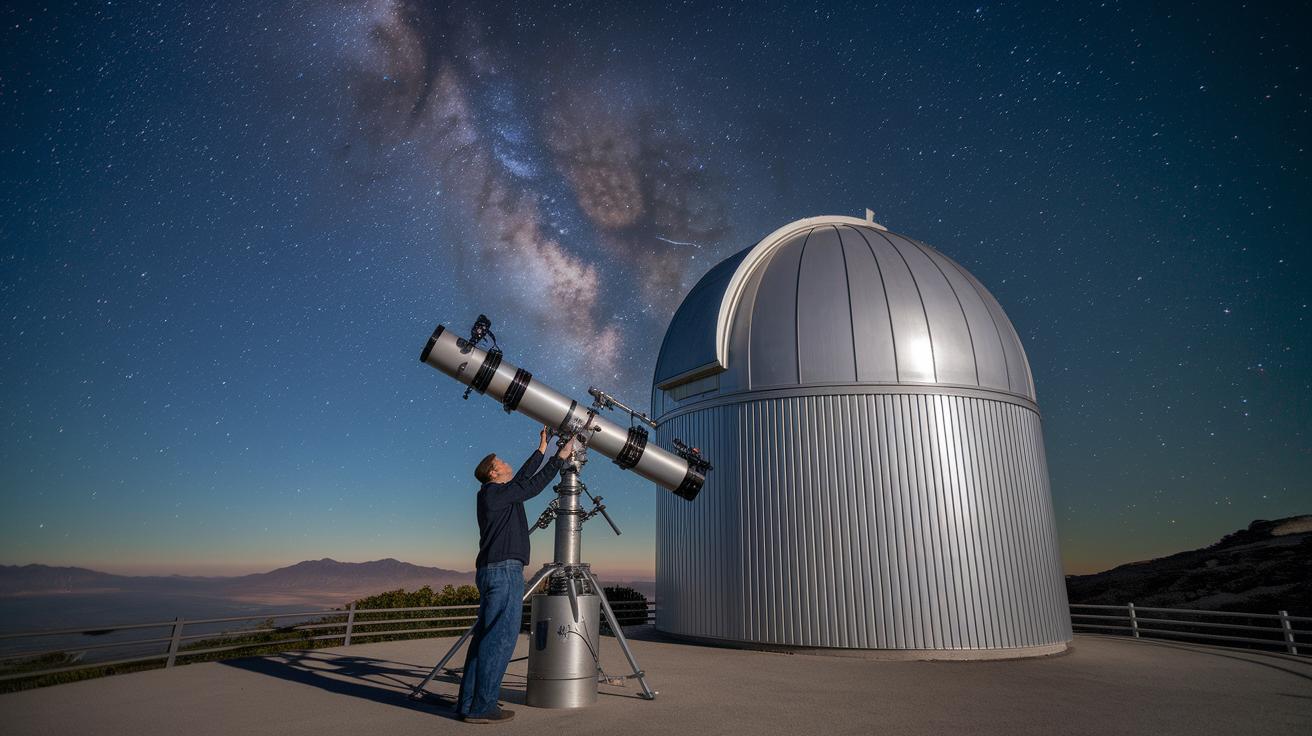
Astronomers rely on space awareness to set their telescopes just right. They mix what they know about the space around them with steady adjustments so they don't miss the quick, magical moments in the sky. This skill means they can line up their equipment and make tiny changes as objects drift overhead.
At one observatory, the team closely monitors events like glowing auroras or a sudden eclipse. They frequently check their telescope's aim and follow a clear plan to watch the sky. For instance, during a lunar eclipse, they pick up small hints in the space around to quickly adjust their tools. It might seem technical, but these careful moves bring science to life.
At another site, technicians take a hands-on approach during meteor showers. They combine their keen sense of space with regular observation checks to catch every shooting star. Plus, public programs, like those at space center houston, let visitors see these moments firsthand while experts explain how steady tracking turns random flashes into solid facts. This blend of planning and spontaneity makes the night sky more accessible to both newcomers and experienced viewers.
By using space awareness in pointing telescopes and tracking events, astronomers turn rough observations into clear, useful insights. And that wonder keeps pushing our understanding of the vast universe further every day.
Safety Protocols and Hazard Management for Confined Space Awareness
In space habitats, working in tight areas means sticking to clear rules and doing careful checks. Many of the safety ideas we use in childcare also fit here. Daily health checks and roll calls prove that everyone is ready and well before starting work. Simple checklists keep a close watch on changing conditions. All these steps make it easier for teams to feel safe, even in the unique environment of space.
- Pre-entry risk assessment and briefing
- Equipment and environment systems check
- Continuous monitoring of atmospheric conditions
- Post-entry debrief and data logging
Each step is like a building block for overall safety. Checking for risks before entering helps spot potential dangers. Regularly inspecting equipment and the workspace lets teams catch issues early. Constantly watching the air quality keeps everyone confident that the conditions remain stable. After each job, detailed debriefs help capture lessons and improve future missions. By following these careful, step-by-step practices, crews keep a high standard of safety and tackle each mission with clear-headed focus.
Market Trends and Space Awareness in Orbital Monitoring
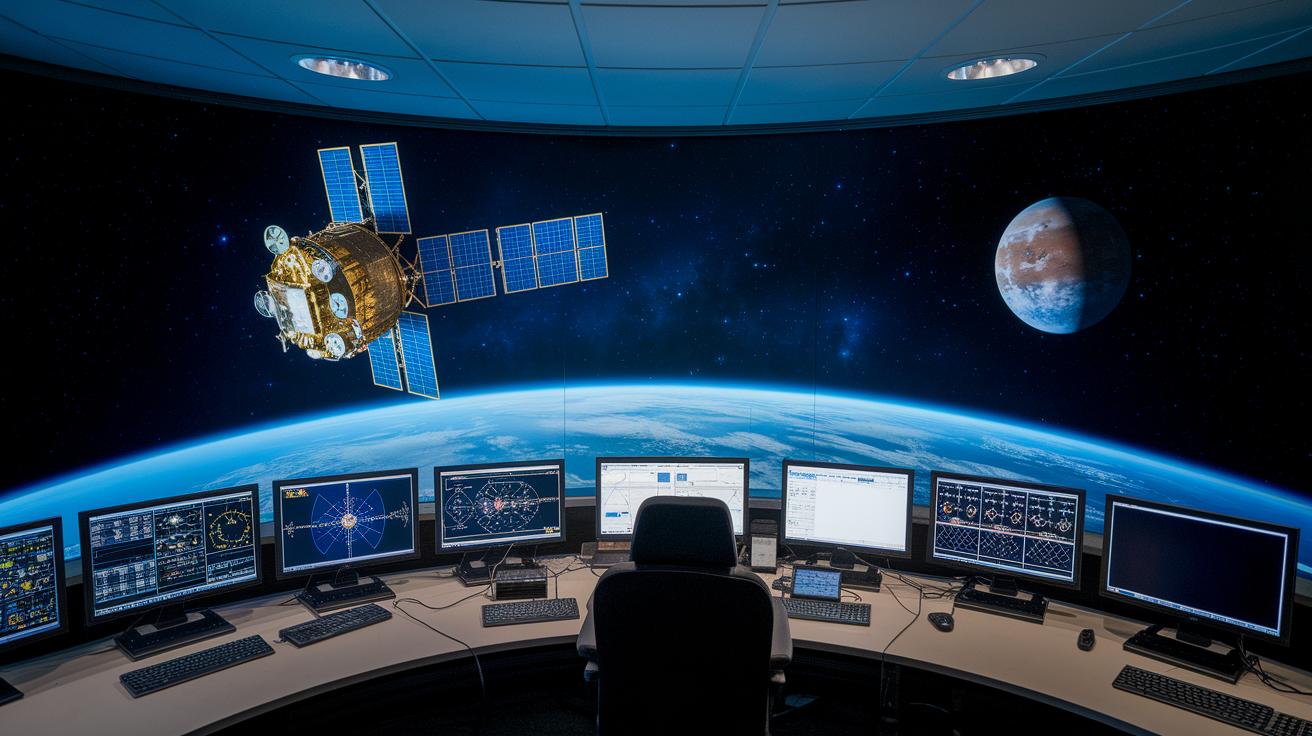
Investments in satellite constellations have been growing steadily, about 15% a year over the last five years. This steady rise shows that people now really need tools for real-time tracking of space debris and managing space traffic. It also tells us that we increasingly trust simple, data-based methods to help us understand what’s happening up there.
Smart tools are at the heart of this change. High-tech sensors and user-friendly software help experts gather and understand lots of information about satellite paths and space junk (pieces of unused or broken satellites). Think of these tools like a heartbeat monitor for space operations, always checking on moving objects and warning us of potential problems. In truth, these advances are changing the way we track space and make decisions based on clear, simple data.
Around the globe, organizations are teaming up more than ever to share their skills and resources. Data-based platforms now let teams from different countries, government agencies, and private companies work together on space monitoring challenges. These partnerships speed up technology and open up new opportunities, building a lively network that supports growth and creative problem-solving in the world of space awareness.
Educational Resources and Global Initiatives for Space Awareness
Learning about space exploration is getting a whole lot easier thanks to interactive educational programs and fun hands-on tools. Public observatories, printable activity guides, and VR (virtual reality) workshops all help us explore space in a down-to-earth way. Experts from around the globe share simple training sessions that weave science into our everyday lives. It’s amazing how these initiatives let millions of learners feel like space is right at their fingertips.
Across the world, both big programs and local centers are opening doors to space knowledge. For example, some platforms offer interactive guides and VR experiences that let you try simulated space missions and complete space-related tasks. They also provide printable activities to boost your spatial thinking (the skills needed to understand space around us). With a mix of digital tools and hands-on materials, people of all ages can get a better handle on the science behind our universe. This approach, using both community spaces and online resources, makes space exploration both relatable and inspiring.
Some standout examples include:
- Kennedy Space Center Visitor Complex: a top observatory offering immersive tours and live space updates.
- Interactive Online Spatial Activities Guide: a resource full of printables to help you practice spatial skills.
- VR Workshop Training Presentations: digital sessions where you can experience what it’s like in real-life space settings.
These resources make learning by connecting theory with everyday experiences. By joining global efforts with local projects, they offer families, educators, and space enthusiasts accessible ways to celebrate the amazing universe while building essential spatial skills.
Final Words
In the action, our post walked you through how space awareness links everyday movement to exploring the cosmos. We looked at how basic perceptual skills help us monitor our position, test our orientation, and even guide tools for safe space operations. You read about techniques that make complex ideas clear and real-world events more engaging. The insights shared empower you to see science as an exciting part of daily life. Keep exploring, stay curious, and enjoy the wonders of space awareness.
FAQ
What does space awareness psychology involve?
The concept of space awareness psychology involves understanding how our body perceives its position relative to the surrounding objects, linking feelings to movements in everyday tasks.
What are some examples and activities of spatial awareness in physical education?
The idea of spatial awareness in physical education includes activities that develop direction and distance skills. Examples include obstacle courses and movement games aimed at improving coordination and body positioning.
What does it mean if you lack spatial awareness?
The meaning of lacking spatial awareness is experiencing difficulty judging distances and positioning, which can affect daily coordination and safety in movement.
What is awareness of space called?
The term for awareness of space is spatial awareness, referring to the ability to understand where one is in relation to other objects or people.
Is spatial awareness a symptom of ADHD?
The notion that spatial awareness difficulties can be linked to ADHD means that some individuals with ADHD might have challenges with coordination and maintaining an organized sense of their physical surroundings.
What is a spatial awareness test?
The idea behind a spatial awareness test is to assess your ability to judge distances, directions, and body position, helping identify strengths or areas for improvement in perceptual motor skills.
What does space awareness in physical education involve for Grade 1?
The concept of space awareness in Grade 1 physical education is explained in documents like PDFs, which offer structured exercises tailored to developing basic spatial skills and coordination in young children.

