
Have you ever thought about how little pieces of space junk might knock out a satellite? Right now, our sky is filled with old rocket parts, discarded satellites, and countless tiny fragments zipping around Earth. These bits can harm the technology and communication systems we use every day. Experts are taking bold steps to lower the chance of collisions between these objects and satellites. In this blog, we chat about the growing space debris problem and how new safety measures are helping protect the gadgets that keep our world connected.
Understanding Space Debris: Definition, Origins, and Scale
Space debris is made of human-made objects that no longer work and that are floating around our planet. This includes old rocket parts, worn-out satellites, and even very small bits from broken-up items. Imagine a tiny bolt, just 1 mm across, drifting by, small as it is, it could still damage an active satellite. These pieces have been left behind over many years of space exploration, showing just how long our space activities can affect Earth.
Right now, scientists estimate that there are around 36,000 large objects (over 10 cm) orbiting our planet. Out of these, about 30,000 are tracked in detail while roughly 6,000 are harder to monitor. Plus, experts believe there are millions of smaller bits that range from 1 cm down to 1 mm. These tiny fragments make it even more challenging to keep track of everything and avoid accidents in space.
The height at which these objects orbit matters a lot too. For example, debris around 400 km above Earth might naturally fall down within about 10 years. In comparison, bits at 800 km could take roughly 200 years to come down, and those around 1,000 km might hang around for up to 1,000 years. This range in how long objects stay in orbit makes it tricky for scientists and engineers to plan safe operations in space.
| Size Category | Estimated Count | Typical Altitude Range (km) |
|---|---|---|
| Large Debris (>10 cm) | 36,000 | 400 – 1,000 |
| Medium Debris (1 – 10 cm) | Millions (approx.) | 400 – 800 |
| Small Debris (1 mm – 1 cm) | Millions (approx.) | 400 – 800 |
| Fragmentation Pieces (< 1 mm) | Countless | Variable |
Collision Risks and Kessler Syndrome in Orbit
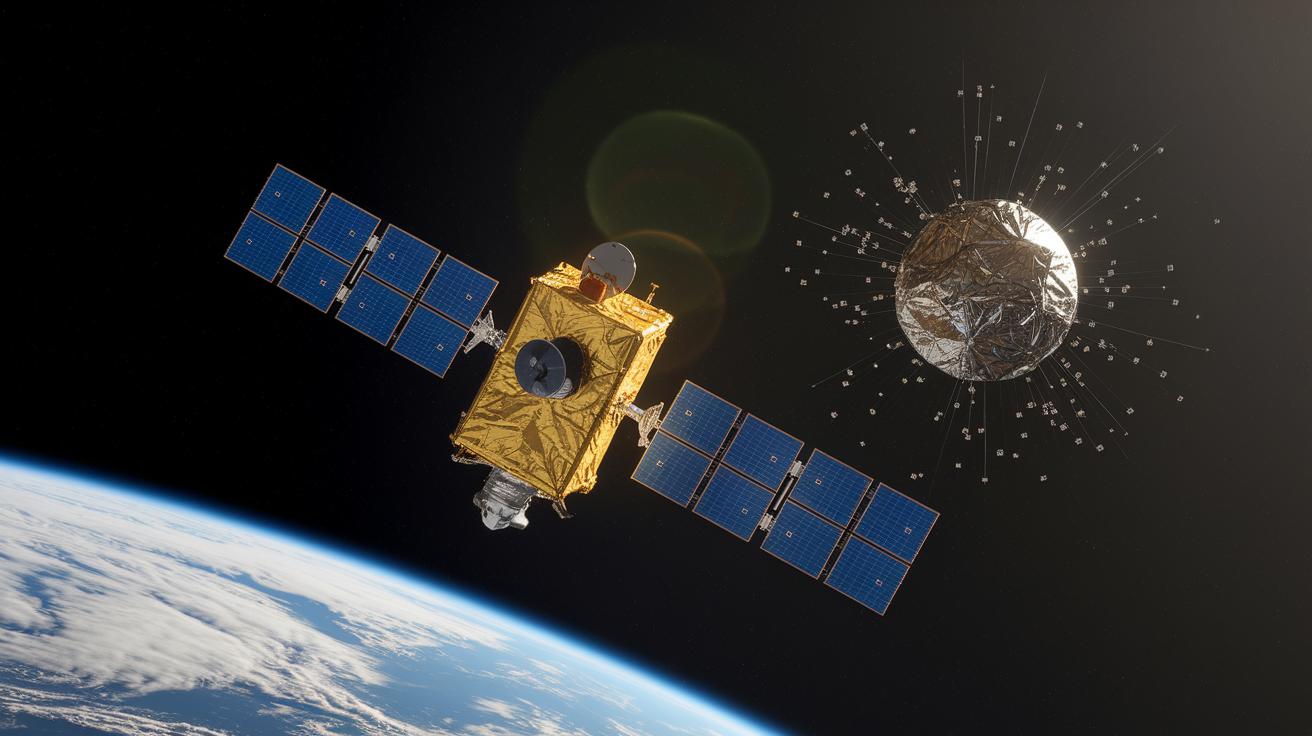
When objects bump into each other in space, it can quickly become very dangerous. Even tiny bits of debris can knock an active satellite off course or even break it. At about 800 km high, satellites face a 10 percent chance of getting hit too early because of these impacts. Each crash can break a satellite into thousands of small pieces, creating more chances for future collisions. Did you know that one accident can turn into a cloud of risky debris that threatens many satellites?
These collisions have big financial and operational effects. Operators often need to use extra fuel and add extra shielding to help satellites dodge flying fragments, which makes everything cost more. Steering satellites away from dangerous debris becomes a never-ending task that delays repairs and ups mission expenses.
In really bad cases, a series of crashes could make orbit nearly impossible to use. The Kessler syndrome theory tells us that once there’s enough debris, collisions can start a runaway chain reaction. Each impact makes more fragments, raising the chances of even more crashes and eventually turning space into a tangled, risky mess.
Space Debris Tracking and Cataloging Techniques
When it comes to keeping an eye on space debris, ground-based radars and optical telescopes are our go-to tools. They help track over 36,000 pieces that are larger than 10 centimeters, working much like our eyes on a sunny day to spot objects circling our planet.
Behind these streams of data, dedicated teams like the Debris Analysis Response Team from CORDS work nonstop to update catalogs in real time. Just think about it: in 2023, NASA’s monitoring programs logged 2,800 new debris entries and 2,000 removals. Advanced tracking algorithms (a set of step-by-step instructions for solving problems) sift through all this information, predicting and confirming the paths of these objects much like a regular check-up for our space environment.
Then there are the Reentry Breakup Recorders, which add another layer of insight by recording key details such as temperature, acceleration (how quickly an object speeds up), and rotation during reentry. Their findings are sent via the Iridium system, giving scientists a clearer picture. However, because our current methods mainly detect larger objects, items smaller than 1 centimeter often slip by unnoticed, leaving us with a few gaps in our understanding of what’s really orbiting above us.
space debris Sparks Bold Satellite Safety
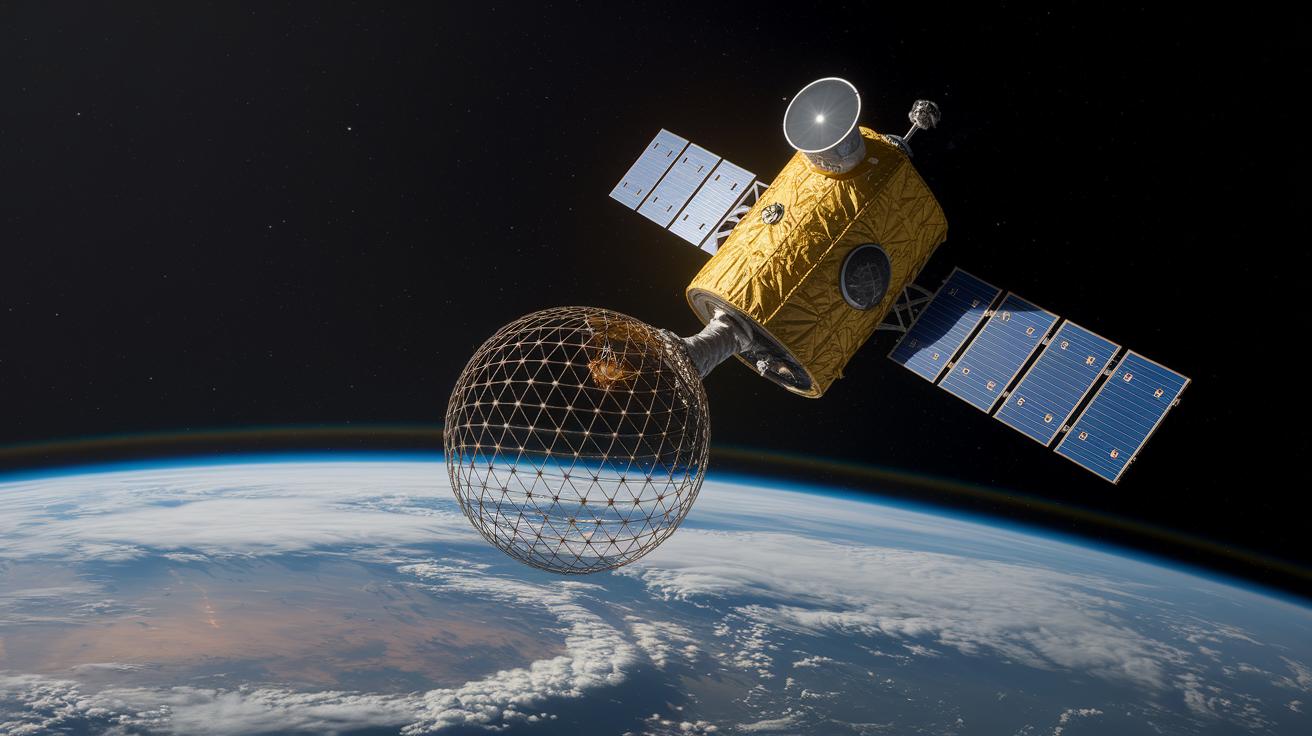
Today, we design satellites and rockets to take care of themselves once they're done with their missions. Engineers now plan for controlled reentry or safe orbits so that expired objects don’t clutter space with extra debris. It’s a bit like booking a round-trip ticket rather than dumping dangerous baggage in orbit.
Ground-based lasers are showing promise too. They gently nudge small debris, shifting their paths away from busy satellites. Sure, some worry these powerful beams could be misused like weapons, but experts are working hard on clear rules as the tech grows.
Robotic cleanup satellites bring in creative tools such as nets, harpoons, robotic arms, and drag sails. Imagine a high-tech catcher’s mitt that grabs fast-moving fragments in space. Researchers are still testing different designs to safely trap and remove these hazardous pieces.
Of course, there are still many technical and safety challenges. Keeping pace with debris that whizzes around at high speeds is no small feat. And rocket parts with extra fuel can be tricky to handle. With over a million tiny fragments in orbit, every cleanup strategy must prove it can work safely. Engineers remain focused on balancing innovation with utmost safety.
| Method | Development Status | Key Challenges |
|---|---|---|
| Design-for-demise | Implemented in new missions | Retrofit existing systems |
| Laser Nudging | Test phase | Policy debates, potential weaponization |
| Robotic Cleanup | Concept and early testing | Matching orbital velocity, safe capture |
| Combined Approaches | Emerging research | Integration complexity, risk management |
Policy and International Collaboration on Space Debris Management
Many international rules help us manage space debris. For example, the UN COPUOS guidelines suggest that satellites should be decommissioned safely when they finish their job, even though these advice-type rules aren’t strictly enforced. ISO safety standards (basic guidelines to help design satellites and plan how they reenter the atmosphere) add another level of guidance. Almost 96 percent of space debris comes from the United States, Russia, and China. This shows that we need all countries to work together on one clear policy.
Right now, many countries follow voluntary measures. Organizations like ESA (European Space Agency) and NASA recommend ways to cut down on debris, but their suggestions aren’t mandatory. These friendly measures have definitely raised awareness, yet they sometimes miss the mark on making sure everyone follows the rules. Increasingly, experts are asking for firm removal rules that hold satellite operators responsible. In truth, we need to shift from soft guidelines to clear, binding regulations.
International collaboration is on the rise as well. Efforts led by the Inter-Agency Debris Coordination Committee promote sharing useful data between nations. New policy ideas are bringing together a mix of experts to focus on keeping our orbits clear and safe. These combined efforts are important steps toward creating common rules that protect satellites and help secure a safer future for space activities.
space debris Sparks Bold Satellite Safety
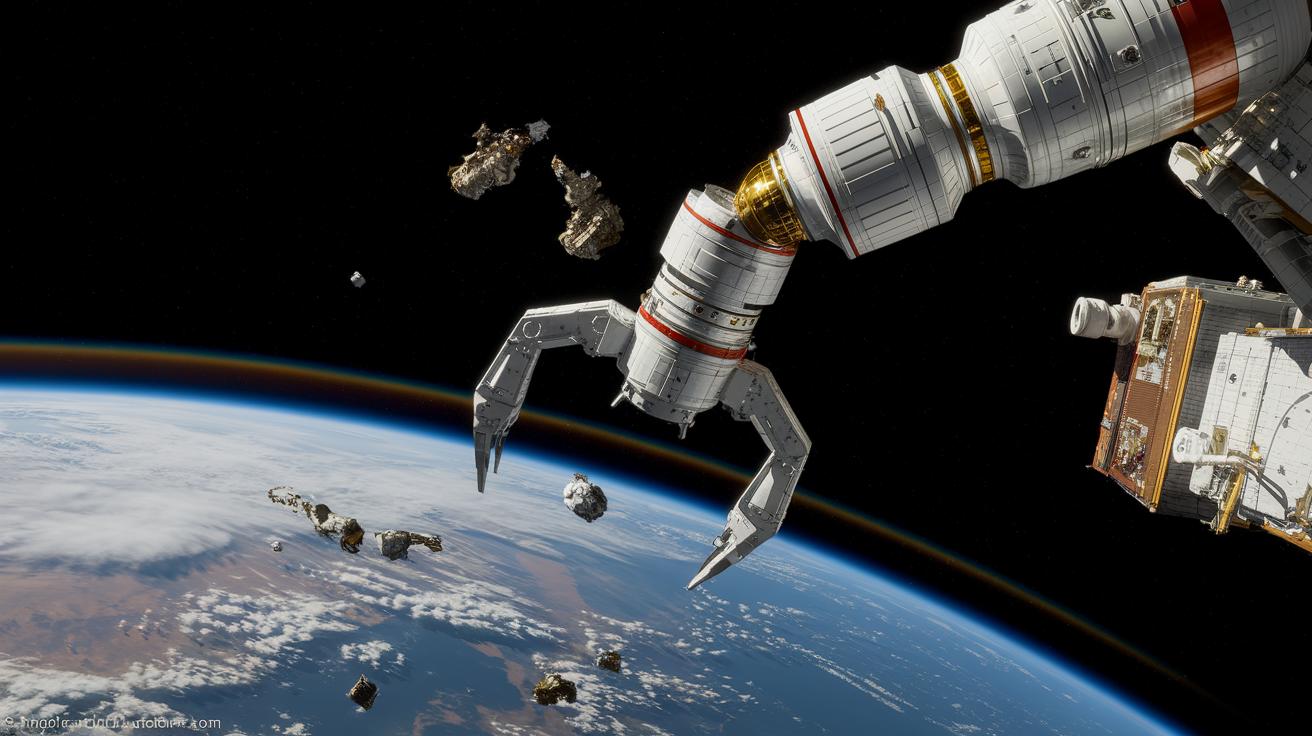
ClearSpace-1, RemoveDEBRIS, and other planned missions are trying out cool robot methods to grab stray space junk almost like catching a drifting balloon on a windy day. Startups in the commercial world are also pitching in by offering cleanup services, ensuring that satellite routes stay safe by removing dangerous debris. Imagine a robotic arm in space that gently scoops up objects, turning potential chaos into neat order.
New AI tracking tools and smart sensors are now keeping an eye on space junk in real time, kind of like a weather app that tells you when it might rain. Picture a system that spots even a tiny change in a debris field and quickly turns that data into advice for safe satellite navigation. These improvements mean that controllers can better plan paths for satellites and avoid collisions.
Scientists are running simulations to predict how space junk might grow, especially around clusters of satellites, while other studies look at tiny particles released when objects re-enter the Earth's atmosphere. Today, teams from industry, universities, and government agencies are working together with one clear goal: keeping satellite operations safe and orbits clean.
Final Words
In the action, we explored the world of space debris, from its origins as old satellites and rocket parts to the risks of collisions and policy efforts to manage these relics in orbit. We looked at how tracking systems and cleanup techniques help us keep a better eye on our surroundings while eyeing future solutions. Each step shows that even complex challenges can be tackled with smart ideas and collaboration, reminding us there’s hope for a safer, clearer future in space.
FAQ
What does a space debris map and tracker show?
A space debris map and tracker illustrate how human-made objects, from defunct satellites to tiny fragments, are spread throughout Earth’s orbit, helping researchers monitor risks and plan for future missions.
What is space debris removal?
Space debris removal refers to the techniques used to clear or move unwanted space objects, such as robotic cleanup methods, lasers, or design modifications that allow controlled reentry into the atmosphere.
What is the space debris game?
The space debris game is an interactive simulation that educates players on the challenges of managing orbiting junk by simulating cleanup efforts and collision risks in space.
What are examples of space debris?
Examples of space debris include outdated satellites, spent rocket stages, and fragments from collisions, all of which contribute to the mounting clutter orbiting Earth.
What role does NASA play in space debris management?
NASA tracks and monitors space debris using advanced systems, cataloging thousands of objects and assessing collision risks to safeguard active satellites and crewed missions.
Is space debris a problem?
Space debris is a problem because it increases the likelihood of collisions with active satellites, which can disrupt communications, navigation systems, and other critical services.
What solutions exist for space debris issues?
Space debris solutions include improved tracking, robotic cleanup systems, and designing satellites that can safely deorbit at the end of their missions, all aimed at reducing space clutter.
What is meant by debris from space?
Debris from space refers to non-functional, human-made objects left in orbit, such as old satellites, rocket parts, and smaller fragments resulting from past collisions.
What is the current status of space debris?
The current status of space debris shows that over 36,000 objects larger than 10 centimeters are tracked, with millions more small particles present, posing ongoing risks due to their long orbital lifetimes.
Can space debris hit Earth?
Space debris can hit Earth; while most pieces burn up on reentry, larger items may survive the descent and might pose hazards to property or critical infrastructure on the ground.
Has space debris ever hit anyone?
There are no confirmed reports of space debris directly injuring people, but falling fragments have the potential to damage property, warranting careful monitoring and management.