
Have you ever wondered if a spaceship could come home safely after it reaches orbit (the path a spacecraft takes around a planet)? Early space shuttles made that dream real by mixing solid science with bold engineering.
For over thirty years, these shuttles carried brave astronauts and changed how we think about traveling in space. Next, we take a closer look at three important shuttle missions that helped create safer takeoffs and smarter spacecraft. It’s amazing to see how these flights changed our view of space and keep inspiring us today.
3 space shuttle missions: Stellar Legacy
The shuttle program kicked off with the STS-1 flight on Columbia on April 12, 1981, carrying John Young and Bob Crippen. This first mission set a new rhythm for space travel by showing that you could fly a spaceship that comes back to land on a runway, using parts like reusable solid rocket boosters and heat-resistant tiles (special tiles that protect the shuttle from high heat).
Over the next 30 years, 135 missions took off, not only launching satellites and supporting experiments in space but also putting together parts of space stations. Early flights proved that a reusable spacecraft could safely ferry astronauts and complete important tasks in orbit, while later missions ramped up scientific research and helped build and maintain space labs. Each flight brought new improvements, better safety measures, smarter ways to handle cargo, and more reliable flight techniques, that still guide today's and future space missions.
Space Shuttle Mission Chronology With Key Milestones

Over three decades, space shuttle missions opened new frontiers in space travel. They show how we reached for the sky and tried out awesome new tech. It all began with Columbia’s first flight on STS-1, which proved that a reusable spacecraft could land on a runway. Later missions tested things like heat-protecting tiles and the Canadarm (a robotic arm that helped with tasks). Each flight boosted our confidence and skills, marking firsts like the first American woman in space and the first African-American astronaut to experience a night launch and landing. These missions were bold, full of tests, and even taught us hard lessons when things didn’t go as planned.
| Mission | Date | Orbiter | Key Achievement |
|---|---|---|---|
| STS-1 | April 12, 1981 | Columbia | First flight; proved reusable spacecraft could launch and land on a runway |
| STS-3 | March 22, 1982 | Columbia | Tested the Canadarm and thermal tiles; landed at White Sands |
| STS-7 | June 18, 1983 | Challenger | Sent the first American woman into space (Sally Ride) |
| STS-8 | August 30, 1983 | Challenger | First African-American astronaut; achieved first night launch and landing |
| STS-9 | November 28, 1983 | Columbia | Introduced the Spacelab |
| STS-41B | February 1984 | Challenger | Performed the first untethered spacewalk with the MMU (a jet-like device for astronauts) |
| STS-41C | April 6, 1984 | Challenger | Repaired the Solar Maximum Mission satellite |
| STS-51L | January 28, 1986 | Challenger | Suffered a tragic disaster shortly after launch; seven lives were lost |
| STS-26 | September 29, 1988 | Discovery | Marked the return to flight with improved safety measures |
| STS-31 | April 24, 1990 | Discovery | Deployed the Hubble Space Telescope |
All these milestones came together to shape how we explore space. Every mission, whether it broke new ground or taught us tough lessons, helped us build safer and smarter spaceflight methods. The successes and challenges we faced made us better at designing spacecraft and running flights. Today, the legacy of these missions inspires a whole new generation to keep pushing the limits and exploring the stars.
Space Shuttle Missions: Tragedies and Safety Reforms
STS-51L, the Challenger flight on January 28, 1986, remains one of the most heartbreaking moments in space travel history. That chilly morning, the shuttle broke apart shortly after launch, and seven brave crew members lost their lives. The event shocked the entire space community and forced everyone to take a hard look at safety rules. After such a disaster, every detail, from liftoff steps to emergency escape plans, had to be examined to make sure nothing like this would happen again.
STS-107, the Columbia mission, met a similarly tragic end on February 1, 2003. On its way back from a 16-day science mission led by Rick Husband, Columbia fell apart during reentry. This terrible event pointed out major problems with the systems that should have caught early warnings about issues. It made engineers question every part of the shuttle’s heat shield (a protective covering used to keep the vehicle cool). Even with years of careful design and testing, unexpected failures can still happen, affecting both the pilots in flight and the teams on the ground.
Following these losses, NASA completely rethought its safety measures. New missions like STS-26 on Discovery and later STS-114 introduced better inspection routines and stronger emergency escape plans. By learning from these hard lessons, NASA not only improved mission planning but also took vital steps to protect those daring enough to explore space.
Space Shuttle Missions: Technical Advancements and Orbiter Features
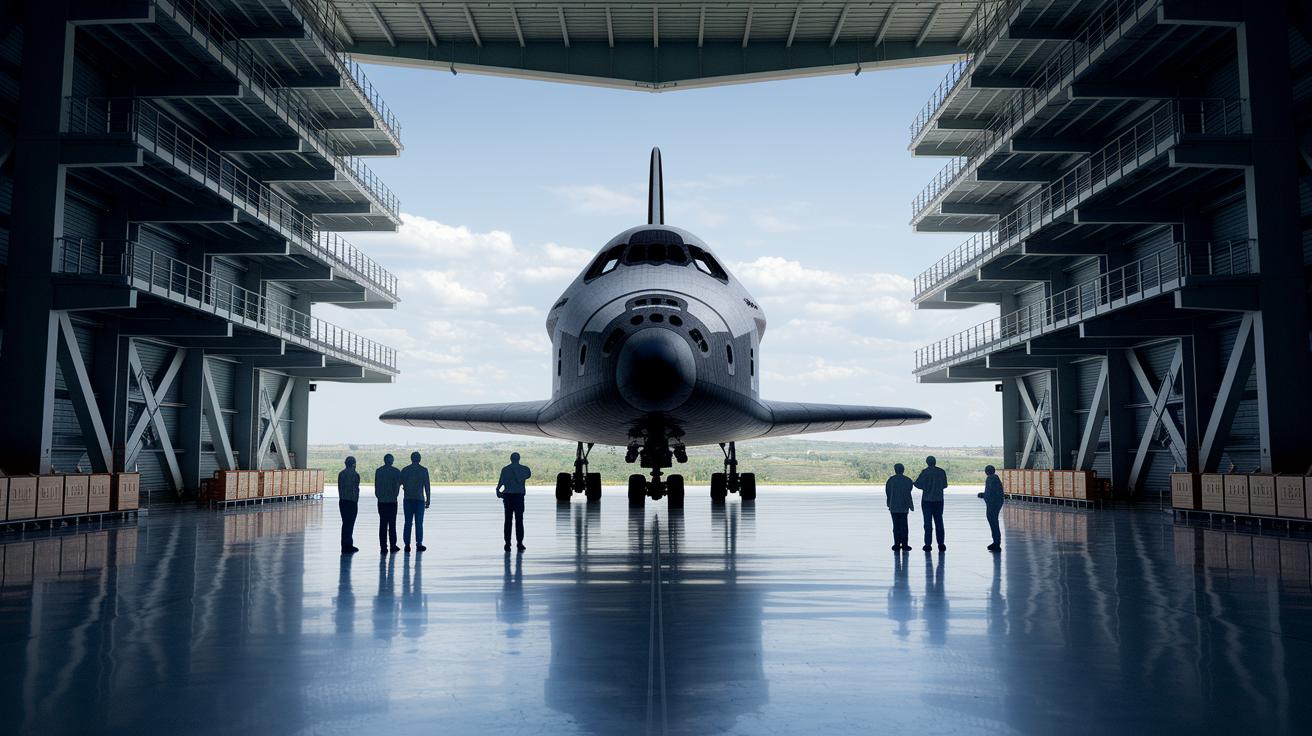
The space shuttle was built like a puzzle, with parts that could be swapped out or upgraded as needed. It wasn’t just about blasting into space and coming back safely; it was about having lots of different systems work together like a well-oiled team. The orbiter managed everything from propulsion to control with its various specialized modules. Because of this clever design, engineers could update individual parts without rebuilding the entire shuttle, setting the stage for more flexible spacecraft in the future.
- Reusable Solid Rocket Boosters
- Thermal Protection Tile System
- Canadarm Robotic Manipulator
- Digital Flight Control & Autoland
- Manned Maneuvering Unit
These innovations tackled big challenges in flight stability and safe reentry. For instance, the reusable boosters cut down mission costs by letting the same parts fly more than once. The heat-resistant tiles acted like a shield against the fierce heat of reentry into Earth’s atmosphere. The Canadarm, a robotic arm, made it easier to handle heavy loads and extend the shuttle’s work area. Digital flight controls and autoland systems made landing smoother and more reliable. And the Manned Maneuvering Unit gave astronauts the freedom to work outside the shuttle without being tied down. Together, these advancements not only boosted the shuttle’s performance back then but also influenced how modern spacecraft are designed and operated today.
Space Shuttle Missions: International Cooperation and Orbital Expeditions
On June 27, 1995, Atlantis’ STS-71 made history by docking with Russia’s Mir station. This marked the first time a space shuttle joined up with a station from another country. The docking (the process of connecting two spacecraft) was planned carefully and showed a lot of trust and advanced technology among different space programs. Picture aiming for a moving target in space, it was as precise as threading a needle!
Then, on December 4, 1998, Endeavour’s STS-88 mission delivered the Unity module to the International Space Station. This module connected with Russia’s Zarya (another space module) and helped piece together a new home in orbit. The shuttle played a key role by carrying essential parts to build a space lab where scientists could work and crews from different countries could meet. It was like sending the missing piece to complete a giant space puzzle.
These teamwork missions changed the game for space exploration. Instead of a competitive race, space became a cooperative project built by many nations. Shuttle flights supported the construction of the ISS, kept scientific research going, and made resource sharing easier between countries. By working together in orbit, global partners turned space into a classroom for shared learning and creative problem solving, setting the stage for future projects that bring nations closer together under one common sky.
Space Shuttle Missions Legacy: Program Impact and Future Exploration
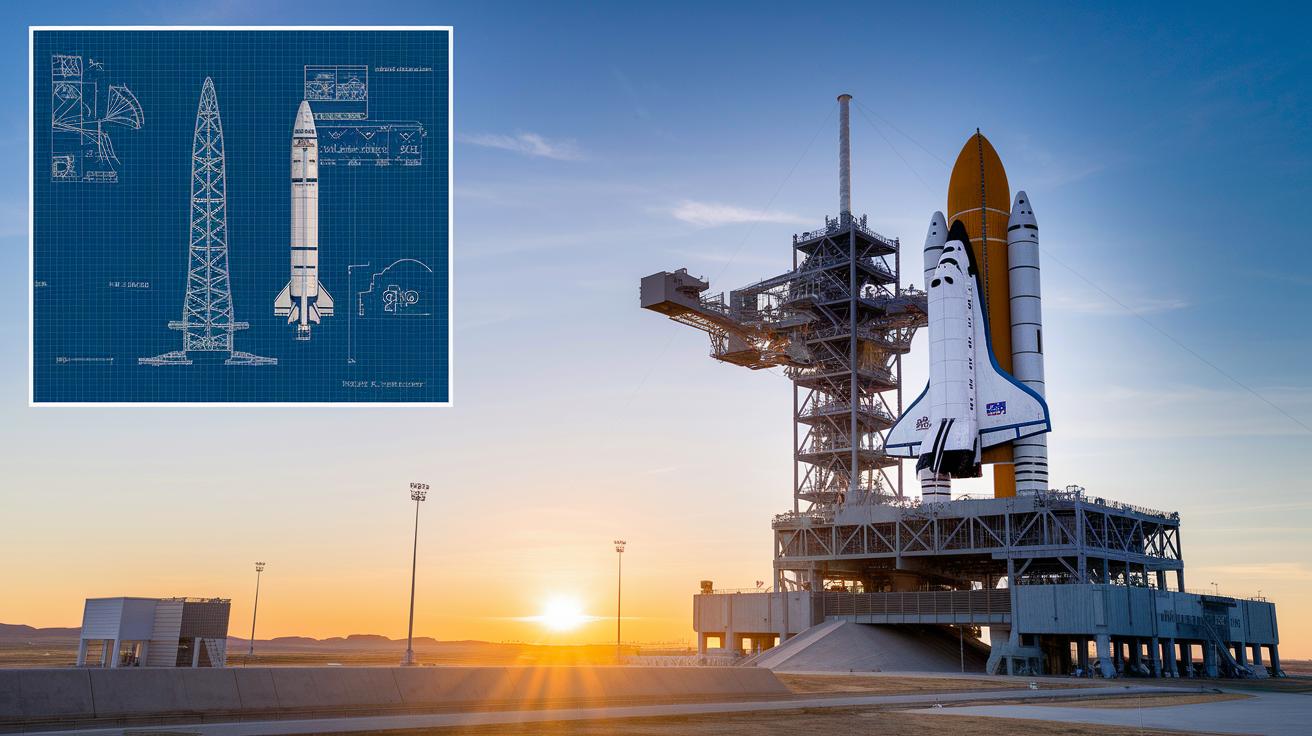
The shuttle program ended with STS-135 on Atlantis. It launched on July 8, 2011, carrying key supplies to the International Space Station (ISS). Over 135 trips, the shuttle repaired the Hubble Space Telescope, ran important Spacelab experiments, and even helped build the ISS. Think of it as a hardworking machine that can return for another shift after a long day, a true game-changer for space travel.
The shuttle’s design was meant to be used over and over, and that idea helped shape later spacecraft like Orion and even commercial crew vehicles. Its smart breakthroughs, like improved heat protection, powerful rocket boosters, and helpful robotics, made space travel safer and more efficient. Imagine a vehicle that not only takes a crew to the stars but also inspires the next generation of space inventors. These advances even paved the way for bold ideas such as nuclear propulsion (using the energy from tiny atoms to push a spacecraft).
Even though the shuttle’s final flight happened years ago, its legacy continues. The tools and techniques developed during those missions still guide today’s plans for exploring new frontiers. From hands-on repairs to smart testing, every mission set the stage for how we run space operations now. The shuttle program shows us the real benefits of reusing spacecraft and leaves an enduring mark on the future of space exploration (benefits of space exploration – https://buzzyandclever.com?p=1864).
Final Words
In the action from the early flights to the final missions, we explored technical advances, key milestones, and collaborative breakthroughs that shaped space shuttle missions. The review took us through historical timelines, safety reforms, and innovative designs that challenged and changed our understanding of orbital travel.
This thoughtful look at space shuttle missions leaves us energized and curious about what comes next in our pursuit of cosmic discovery and everyday scientific wonder.
FAQ
Frequently Asked Questions
What information is available about Space Shuttle missions?
The Space Shuttle missions list provides mission names, their order, downloadable PDFs, and even mission patch images that capture the unique story of each flight.
What are the space shuttles included in the NASA program?
The NASA program included six shuttles: Enterprise was a test vehicle, while Columbia, Challenger, Discovery, Atlantis, and Endeavour served in active missions, each playing a special role in space exploration.
What missions experienced failures in the Space Shuttle program?
The Space Shuttle program had two major failures with the Challenger and Columbia accidents, events that led to major changes in safety protocols and improved crew protection measures.
How many Space Shuttle missions were there?
The Space Shuttle program flew a total of 135 missions over three decades, completing tasks from satellite missions to aiding the construction of the International Space Station.
Were the bodies of Columbia astronauts recovered?
Following the Columbia tragedy, recovery efforts were made, yet not all astronaut remains were retrieved from the debris, marking a somber note in the program’s history.
Is NASA going to the Moon in 2026?
NASA is actively planning new lunar missions and while schedules may adjust, current discussions include returning to the Moon to set the stage for future space exploration.
What can you tell me about shuttles like Columbia, Challenger, Endeavour, Discovery, and Enterprise?
Each shuttle tells a unique story: Columbia and Challenger are remembered for their tragic losses, while Endeavour, Discovery, Atlantis, and Enterprise contributed crucial test flights, technology advances, and landmark missions that shaped modern space exploration.