
Have you ever thought about how technology might help solve our social and environmental challenges? Digital tools can actually make a difference by making it easier to donate money and support green projects in communities all over the country.
Smart techniques, like special digital hints that encourage donations, help raise funds for local projects that really matter. Plus, eco-friendly sensors (gadgets that monitor and reduce waste) and data systems work hard to cut down on waste and save energy.
In short, using technology for good takes everyday ideas and turns them into real hope and progress for everyone.
How Tech Solutions Advance Social and Environmental Goals
Technology that truly helps is making a big difference in our communities. Nonprofits are now racking up more donations and connecting more deeply with people thanks to clever digital tools built with a heart for good. For example, using smart ask techniques (friendly digital hints that suggest donation amounts) has increased average donations by 12% and boosted gift sizes by 62% compared to last year. More funds mean more chances to drive projects that matter.
Eco-friendly digital tools are giving organizations a smarter way to track their success. Take Instagram, for instance, carousel posts are now pulling in about 0.66% engagement, which is higher than the 0.51% seen with single photos and 0.41% with reels. And there’s more: the AI Hub offers a handpicked suite of tools for machine learning (programs that help computers learn from data) and data processing. This means nonprofits of all sizes can kick off community-based breakthroughs more easily. These ideas are also shared in the book "Technology for Good" and in various interviews that explore corporate responsibility and sustainable digital projects.
- Smart ask performance: Average donation amounts climb by 12% and gift sizes jump by 62%.
- Instagram insights: Carousel posts capture higher engagement than single photos or reels.
- AI Hub resources: A curated set of machine-learning and data-processing tools ready to use.
- Digital impact insights: Reviews and discussions in "Technology for Good" showcase real-world success.
- Altruistic digital solutions: Platforms that mix smart fundraising with strong community outreach.
On another front, digital platforms are powering green projects by tracking resource use, cutting waste, and pushing for greener practices. Using sensors and smart data systems (which help monitor energy and water use), these tools save significant amounts of water and energy. They help organizations lower their impact on the planet while boosting environmental initiatives that focus on community needs. And with inclusive tools like those found on Assistive Technologies, tech-driven solutions are reaching more people, paving the way for a cleaner, more efficient world.
Tech Case Studies: Nonprofits Leveraging Digital Platforms for Social Change

Aselo: Crisis Response Platform
Aselo helps communities during emergencies by sending fast SMS alerts. It quickly notifies people when a crisis is happening and guides them to get help. With its automated resource matching (a system that links people to the nearest available aid), getting emergency support becomes much simpler. For instance, when a natural event occurs, one text message from Aselo can direct someone to a nearby shelter or medical center.
Terraso: Sustainable Agriculture Tech
Terraso works in developing areas to boost farming using smart digital tools. By using sensors that monitor irrigation (gadgets that check water levels), Terraso has cut water use by 25%. This not only makes crops grow better but also helps local water supplies last longer. It’s a win-win for communities who become more self-reliant and can build a brighter future.
Better Deal for Data Framework
Jim Fruchterman’s Better Deal for Data framework gives control of data back to the people. It makes sure that data rights help 90% of users around the world rather than just the richest 10%. By pushing for a model that shares data in a fair way, this framework opens up opportunities for ethical and inclusive use of digital information in community work.
| Initiative | Technology | Focus Area | Primary Outcome |
|---|---|---|---|
| Aselo | SMS Alerts & Automated Matching | Crisis Response | Enhanced care connectivity |
| Terraso | Irrigation-Monitoring Sensors | Sustainable Agriculture | 25% water savings |
| Better Deal for Data | Data Rights Framework | Ethical Data Use | Empowered global users |
Emerging Models of Tech-Driven Philanthropy and Education
Nonprofits are taking a fresh approach to sharpening their digital skills with new certificate programs and webinar series. For example, a 2026 certificate in Social Media Marketing & Fundraising launches on April 29. This course breaks down key ideas like content strategy and community engagement into clear, easy-to-follow lessons. Along with these classes, free webinars and a detailed guide covering topics such as website design, email tactics, online fundraising, and social media help organizations quickly put practical ideas into action.
Here's a quick look at some of the offerings:
| Program | Description |
|---|---|
| AI for Marketing Certificate | Focused training on using artificial intelligence (tech that mimics human learning) to create smarter marketing campaigns. |
| Social Media Fundraising Webinar | Live tips and creative methods to increase donor engagement and improve online fundraising. |
| Updated Digital-Marketing Guide | Step-by-step strategies for building, managing, and fine-tuning online campaigns. |
| AI Hub Resource Library | A curated collection of tools designed to help nonprofits easily adopt new tech in donor outreach. |
| Downloadable Research Reports | Detailed insights and case studies based on data that support smart decision-making. |
Picking the right learning path can feel like a balancing act. It’s all about matching your nonprofit’s current needs with these new digital tools. By starting with a certificate or joining a webinar, organizations can take small steps that quickly build up their skill set. Over time, these simple steps add up to a strategy that really boosts outreach and impact, showing that even small changes can lead to big results.
Data Ethics and Privacy: Principles for Responsible Tech for Good

Privacy-respecting innovation is at the heart of technology that truly serves our communities. When we build systems that put user privacy first while still using data to make smart decisions, we lay the groundwork for ethical information management. Podcasts like Business of Giving and ClueCon Weekly show us that when algorithms are designed with clear accountability, they build stronger trust. So, it’s best for digital platforms to skip the AI buzz and focus on solid, privacy-first features.
Audit systems play a big role in making all this possible. When we check algorithms openly (that is, we audit them), we can follow every decision they make and improve them over time. The Better Deal for Data framework is a great example of using data ethics to stop misuse and protect those who might be most at risk. When organizations set up full audits and clear procedures, they help keep things fair and avoid practices that could lead to data colonialism (where a few control the data).
| Key Principles |
|---|
| Consent-first data collection |
| Full audit trails |
| Open-source algorithm transparency |
| Community-governed data policies |
| Regular third-party reviews |
Keeping an eye on our work and earning trust means we must always review and improve our practices. Open audits paired with data-smart governance create a safe space where people feel comfortable sharing information. When technology handles data with care, it shows respect for our everyday privacy concerns. User privacy isn’t just a fancy idea, it’s a shared goal, with organizations inviting outside experts to check their work and involving the community in setting data rules. By sticking to these principles, tech can continue to innovate while protecting everyone’s rights and dignity, building social-impact projects on a strong and fair foundation.
Building Inclusive Digital Employment and Training Platforms
Digital mentorship platforms are opening up new paths by connecting experienced volunteers with job seekers who want to learn coding or nonprofit marketing. It’s like having a friendly chat where real advice meets hands-on projects. Have you ever heard someone say, “Practice makes perfect”? Even a quick tip like that can boost your confidence and help you learn in ways a traditional classroom might miss.
Then there are micro-credentialing programs. These are short courses that tackle topics such as social-media fundraising and AI fundamentals (the basics of how computers learn). They break learning into small, manageable pieces that lead to real, measurable skills employers value, especially in fast-moving nonprofit areas. In fact, these programs have helped job boards cut down role-search times by 40%, getting people into great positions faster.
- Mentor-mentee matching
- Interactive skill assessments
- Certification tracking dashboards
- Peer-driven community forums
Platforms that offer a mix of mentorship and bite-sized courses lower common barriers and open up jobs for more people. By pairing one-on-one guidance with opportunities for self-paced learning, they build the kind of dynamic, inclusive job market that fits today’s digital world. Each step, from working with a seasoned mentor to earning a badge of expertise, adds confidence and moves you closer to a lasting career in social impact.
Global Collaboration and Future Outlook for Tech for Good
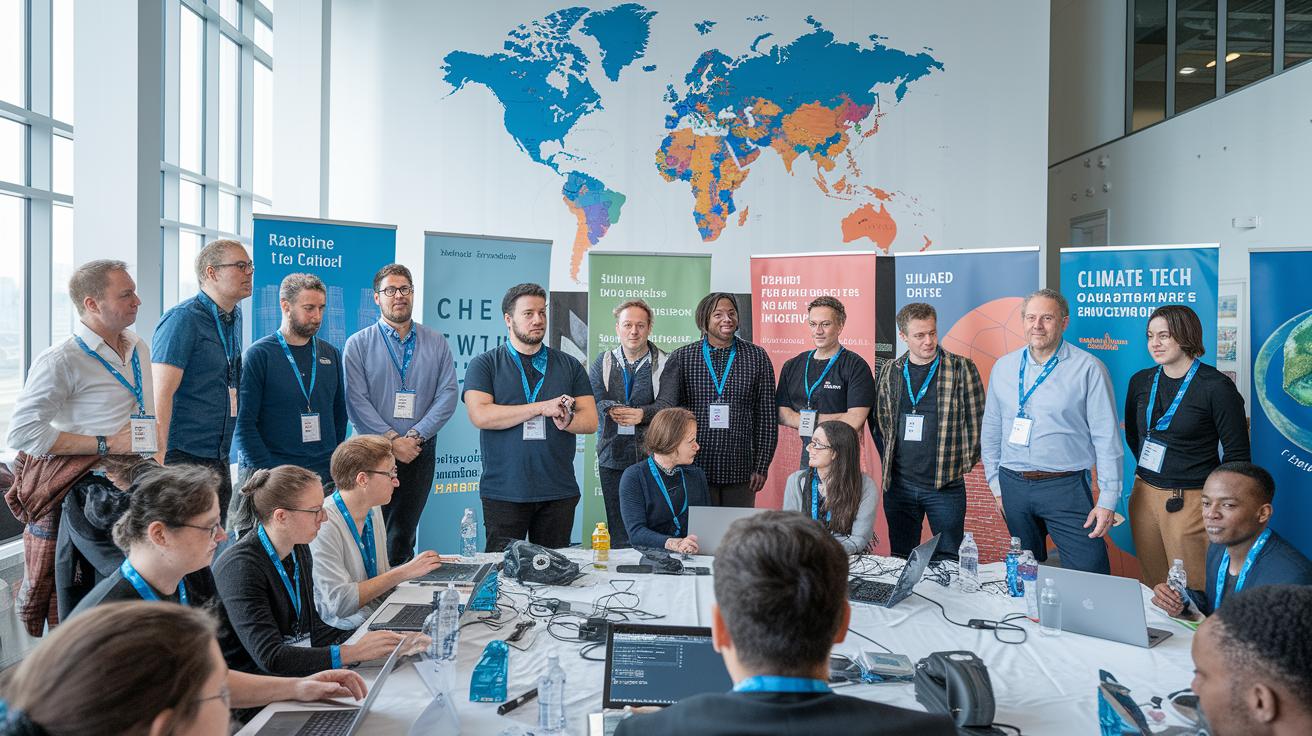
Big events like hackathons and local meetups spark creative problem-solving by bringing people together from every part of the world. Every year, these gatherings kick off over 30 community-led projects. It’s amazing to see enthusiasts sharing fresh ideas and free, open tools (software that anyone can use and modify) to boost climate-friendly innovations. They become warm, lively hubs where different cultures blend their digital know-how and exchange smart solutions.
This teamwork paves the way for inspiring projects that cross borders and bring communities new energy and vision. It’s a cycle of creativity and practical thinking that makes social tech work on a broad scale.
New online platforms are also stepping in to share resources and funding. They help small groups and larger teams pool their ideas, skills, and money, making big, inclusive changes easier to achieve.
| Event Type |
|---|
| Global hackathons |
| Regional tech expos |
| Cross-cultural innovation sprints |
| Online summits |
Final Words
In the action, this article traced how tech transforms both social and environmental fronts. We saw how smart digital solutions boost donations, conserve water in agriculture, and support ethical data practices. Real-world examples remind us that technology plays a role in shaping inclusive education and global collaboration.
• Boosted donation sizes
• Water-saving agriculture tech
• Crisis response tools
• Ethical data management
• Collaborative global hackathons
These initiatives show that tech for good is sparking positive change every day.
FAQ
Q: What are tech for good jobs and volunteer opportunities?
A: Tech for good jobs and volunteer opportunities refer to roles in organizations that use digital innovation to boost social and environmental causes. They offer fulfilling work experiences centered on community benefit.
Q: What are Tech for Good CNN and Tech for Good Inc?
A: Tech for Good CNN and Tech for Good Inc are platforms that highlight digital projects making a positive impact on society. They share news, insights, and support for initiatives that drive social change.
Q: What does a Tech for Good charity do?
A: A Tech for Good charity uses digital tools to support charitable causes and community projects. It channels technology toward creating measurable social benefits and helping those in need.
Q: What is the Tech for Good reddit community?
A: The Tech for Good reddit community is a forum where people discuss ideas and share projects that use technology to improve society. It’s a place to exchange practical tips and inspirational stories.
Q: What does “tech for good” mean and what are some examples?
A: The term “tech for good” means using digital solutions to advance social and environmental initiatives. Examples include apps that enhance community well-being and the insights presented in the Tech for Good book.
Q: What is the 33% rule for nonprofits?
A: The 33% rule for nonprofits means that a maximum of one-third of revenue is spent on administrative costs. This practice helps emphasize the organization’s commitment to its mission and community work.
Q: What is the tech for good partnership?
A: The tech for good partnership describes collaborations between technology companies and nonprofits. These partnerships combine resources and expertise to expand outreach and enhance social impact projects.
Q: What is the tech for good competition?
A: The tech for good competition is an event where organizations pitch digital ideas aimed at social improvement. Competitors present innovations that address community challenges and drive positive societal change.