
Ever wondered if a simple plan can light the spark for big innovations? A clear technology roadmap works like a treasure map, guiding projects so they line up perfectly with your company’s big ideas. It shows each step you need to take, highlighting important stops and even letting you know where challenges might pop up. This plan isn’t just about marking a path, it also makes teamwork smoother and helps everyone adjust as new trends emerge. In this article, we explore how a smart, forward-looking roadmap can drive digital change and spark creative breakthroughs. Turns out, a well-thought-out plan can really lead to amazing tech advances.
Strategic Foundations of a Technology Roadmap
A technology roadmap is a planning document that lines up tech projects with a company’s goals. It paints a clear picture of where the business is headed and helps guide technical projects to support larger strategies. Think of it as a helpful guide that marks out key projects, sets clear deadlines, and lists the resources needed, including people, money, and technology. It also shows how different projects depend on each other and points out possible challenges so teams can plan ahead and manage risks. In short, it forms a solid base for digital change and IT innovation across an organization.
The key pieces of a technology roadmap do more than keep things organized. They also boost teamwork by making sure everyone knows how each project fits into the bigger picture. A step-by-step layout makes it easy to track progress, spot delays, and adjust plans when business needs or market trends shift. Here’s what a strong roadmap needs:
- Vision and strategic goals
- Time milestones
- Technology projects
- Mapping of dependencies
- Resource allocation
- Risk checks and mitigation
- Identification of key players
- Regular progress reviews
- Alignment with business goals
This clear, well-organized framework acts as a guide for decision-makers, ensuring that every tech project is carried out with a direct link to overall business success.
technology roadmap Sparks Bold Innovation
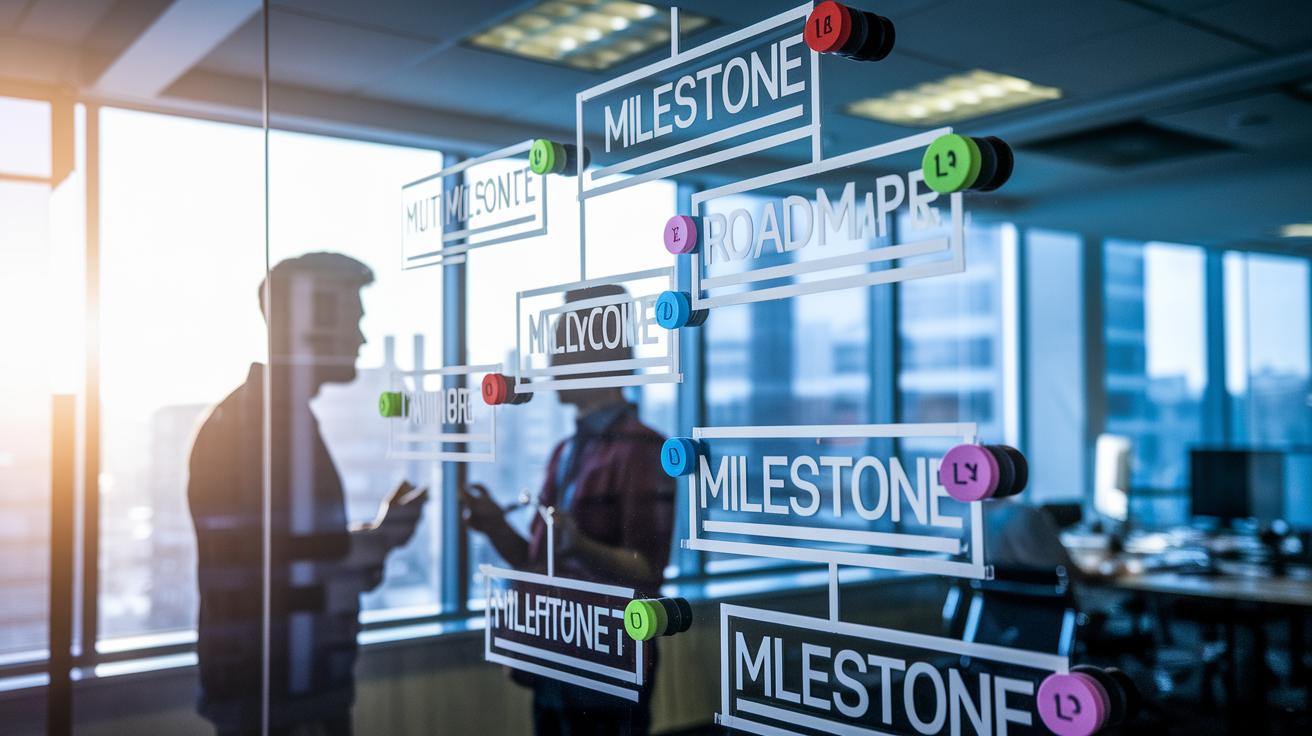
A good technology roadmap lays out a clear vision for long-term progress with detailed, doable steps and realistic timelines. Think of its key milestones as road signs that guide everyone on the team. For example, an aerospace startup used its roadmap to plot a course toward advanced satellite technology. Each milestone shows when to ramp up or adjust the plan as new trends come into view.
Connecting related projects is essential to keep things on track. Picture it like putting together a puzzle where every piece fits just right. One regional financial firm planned its engineering design to smoothly integrate new digital payment systems, ensuring that every step fit perfectly with the next, even as market needs evolved.
Regular check-ins keep the roadmap flexible as things change. These scheduled reviews let teams shuffle resources, update budgets, and tweak technology on the fly, kind of like a quick tune-up on an engine. In one health tech example, regular updates helped a hospital network adapt to new telemedicine rules, turning careful planning into real, breakthrough progress.
Step-by-Step Framework for Building Your Technology Roadmap
Creating a technology plan is a lot like organizing a family picnic. You start by bringing together the right people and figuring out your main goals. Think about how, when planning a picnic, everyone picks a role, from choosing the park to deciding what snacks to pack. First, you pick your team and decide who handles what. Then you set clear targets and success markers that guide every tech decision so they fit with your overall company goals. Along the way, you compare different tech options (like various service providers and budgets) to see which ones match your needs best. This planning makes sure that every tech choice has a strong base and every resource is smartly used.
Once your strong foundation is in place, the next step is to see how all the pieces work together. It’s a bit like assembling a puzzle where every piece matters. You figure out what resources you need, staff, tools, money, and map out which projects rely on others. After that, you create realistic timelines and mark key milestones, or checkpoints, to track progress. Finally, by using a simple scoring method that shows each project's impact on your business, you can rank projects so that the most important ones get the focus they deserve.
- Stakeholder identification & roles
- Goals & objectives definition
- Technology options evaluation
- Resource & budget planning
- Dependency mapping
- Timeline & milestone setting
- Project prioritization formula
Executing and Monitoring Your Technology Roadmap

Centralizing your roadmap is like putting it on a community bulletin board everyone can see. When you keep the plan in a shared, online space, each team member can easily check the plan and understand how their work connects to the bigger picture. For instance, a software team might use a cloud dashboard where all key milestones and task links are clearly visible to every stakeholder.
Assigning tasks becomes a breeze when you tie roadmap items to your project-management tools. Think of it like a smart board where every card shows a task with its deadline and who’s in charge. This setup makes it crystal clear who handles what and when things should be finished, reducing confusion and keeping everyone accountable.
Monitoring progress is key to catching problems before they slow you down. By keeping an eye on important numbers like project completion rates and how smoothly things are running, you can spot delays early. It’s like seeing a red light on your dashboard, it tells you it’s time to adjust, reschedule, or reassign resources so the project stays on track.
Engaging stakeholders and giving regular updates turns a static plan into a living document. Regular meetings and status reports let you gather feedback and tweak the plan as business needs change. When everyone joins the conversation, the roadmap becomes a dynamic guide that constantly moves the team toward shared goals.
Best Practices and Common Pitfalls in Technology Roadmapping
Good planning starts with clear goals. When you set simple, measurable targets, everyone knows what to aim for and you can easily check if things are on track. Using these measurable markers (we call them key performance indicators, which are just numbers that show progress) makes it easier to adjust your course as you go. It also helps if you make sure your technology plan fits well with the overall business and digital goals. For example, some teams meet every month to make sure they have the right resources and that deadlines are still realistic. This kind of regular check keeps the work on point and running smoothly.
On the other hand, many teams run into trouble when goals are too fuzzy or even impossible. Not paying attention to how one project affects another can lead to delays that spread from one task to the next. Missing out on proper resource planning can slow down progress, too. And if a team doesn’t have a clear way to decide what should come first, big, important work might get pushed aside for less critical tasks. Without a good system for oversight and feedback, things can quickly become confusing and inefficient.
| Pitfall | Mitigation Strategy |
|---|---|
| Vague goals | Set clear, SMART objectives |
| Ignored dependencies | Chart and review how projects connect |
| Under-resourcing | Plan resources with detailed audits |
| Weak prioritization | Use a scoring model to rank tasks |
| No review cycle | Plan regular roadmap reviews |
Tools, Templates, and Digital Platforms for Technology Roadmaps

Digital platforms and flexible templates are changing the way we build technology roadmaps. Organizations now use a variety of tools to make planning easier, track progress, and align tech projects with business goals. These systems mix simple interfaces with powerful features so teams gain clarity and efficiency every step of the way.
Project management software still plays a key role for many groups. These tools not only help assign tasks but also show timelines in clear, visual ways. With dashboards that update instantly, everyone can see upcoming deadlines and work together seamlessly. This means each team member stays in the loop, always knowing what’s next.
No-code platforms let users build custom roadmapping tools without long development periods. They come with useful features like scenario planning and dependency mapping (simple ways to see how different parts of a project connect). Think of it like having a mini simulation setup, where Digital Twin Technology (tech that creates a digital copy of a real-world object) helps test different ideas and adjust plans quickly when things change.
Collaborative platforms make it easy for teams to share ideas and sketch out strategies in real time, even from different locations. These tools create an interactive space where every voice is heard, turning creative brainstorms into clear, actionable steps.
Analytics and reporting tools wrap up the package by turning raw data into clear insights. By tracking performance and visualizing progress, these systems help teams spot what’s working and what isn’t. With simple dashboards and automated reports, making smart adjustments becomes second nature, ensuring every part of the roadmap stays on track and fuels ongoing growth.
Emerging Trends and Innovations for Future Technology Roadmaps
AI-powered planning maps are quickly changing how teams set their project priorities. They adjust plans on the fly by using live data, much like a heat map showing problem areas during a check-up. And cloud-based, interactive design tools are taking off too. These tools let teams work together in real time, no matter where they are, making remote work feel just as natural as being in an office.
Digital twins are now in the spotlight as digital copies of real systems. They help teams simulate different scenarios and spot potential issues, all without disrupting real operations. Plus, no-code and low-code platforms, tools that let you build things without heavy programming, are making it super easy to customize roadmaps. This means teams can make quick adjustments to keep up with changing business needs.
Today’s roadmaps also include real-time analytics and built-in KPI (key performance indicator) dashboards, so you get a clear picture of progress as it happens. Web-based strategy builders are another cool addition, supporting both hybrid and remote teams by making the planning process straightforward and up-to-date with shifting market trends. Curious about more cool tech trends? Check out the insights at Future Tech to see how these innovations are shaping the future of strategic planning.
Final Words
In the action, we explored how a technology roadmap ties a range of strategic, practical, and monitoring elements together. We broke down its core structure, from setting visions and timelines to mapping dependencies and tracking progress. Each step helps teams align technology initiatives with broader business goals. The article showed ways to streamline digital projects through careful planning and continual updates. Carry these insights forward and watch how your technology roadmap transforms strategy into tangible results, making science more approachable every day.
FAQ
What is a technology roadmap and what does it include?
A technology roadmap defines major technology initiatives and includes clear vision, time-bound milestones, resource planning, risk strategies, and links between projects. It aligns tech efforts with business goals.
What formats or templates are available for technology roadmaps?
Different formats like PowerPoint, Excel, and PDF offer ready-made templates that help visualize timelines, key initiatives, milestones, and resource plans, making it simple to share and update information.
How can I write a technical roadmap?
Writing a technical roadmap starts by identifying stakeholders, setting clear objectives, mapping dependencies, establishing timelines, and assigning resources. This approach produces a structured plan to guide technology initiatives.
What does a 3-year technology roadmap look like?
A 3-year technology roadmap outlines long-term goals, divides initiatives into clear stages, maps dependencies, and sets measurable milestones, offering an organized view of both immediate actions and future plans.
What are the five stages of technological development?
The five stages usually progress from initial research, early introduction, rapid growth, maturity, and eventual decline, with each phase reflecting different market behaviors and technology readiness.
How do consulting frameworks like McKinsey approach technology roadmapping?
Consulting methods, such as McKinsey’s, use structured templates to tie technology projects to business outcomes, emphasizing risk management, resource planning, and clear milestone tracking in the roadmap.
How is AI integrated into technology roadmapping?
AI integration in technology roadmapping supports data-driven planning by analyzing trends, automating updates, and suggesting priorities, which helps teams adapt their plans quickly to market shifts.

