
Ever wonder how big ideas turn into real science projects? Think of early theories like rough blueprints that help guide researchers. They turn abstract thoughts into models you can see in action, from cool AI experiments to predicting how tiny particles behave (the little bits that make up everything around us) and even lighting the way for new materials. Just like sketching a draft before painting a masterpiece, these initial ideas form the foundation of scientific progress. In this post, we'll explore how these mental designs spark breakthroughs across different fields, challenge old assumptions, and open our eyes to a broader world.
How Theoretical Innovations Fuel Science Breakthroughs
Theoretical innovations are like blueprints that guide our modern science. They help turn big, often abstract ideas into practical tools that researchers can use. Imagine having a sketch before drawing your favorite picture, that’s what these ideas do for science.
They also give us a way to test early thoughts. For example, researchers in the 1900s used simple algorithms (step-by-step instructions) in early AI experiments. These ideas paved the way for the high-tech systems we see today.
- Conceptual frameworks – Think of it as drawing up a plan for a new invention, like sketching a rough idea before getting into the details.
- Mathematical hypotheses – Picture a bold math idea that kick-starts an entire branch of research.
- Abstraction models – Imagine breaking a complex idea down into a simple diagram you can easily follow.
- Simulation paradigms – Visualize running tests on a computer model to see how a theory plays out in real life.
- Hypothesis-testing innovations – Consider setting up experiments that challenge and fine-tune new theories.
These guiding ideas are the heart of many major discoveries. In AI, simple early models became the sophisticated systems we use today after lots of testing and tweaking. In particle physics, math ideas help explain the forces that hold everything together. And in materials science, clear, simple models make it possible to design new substances with unique properties, like metamaterials (materials engineered to act in surprising ways).
In the end, these innovations turn basic curiosity into real progress. They show that every big discovery starts with a simple idea that grows into something truly amazing.
Historical Theory Revolutions Behind Major Scientific Breakthroughs
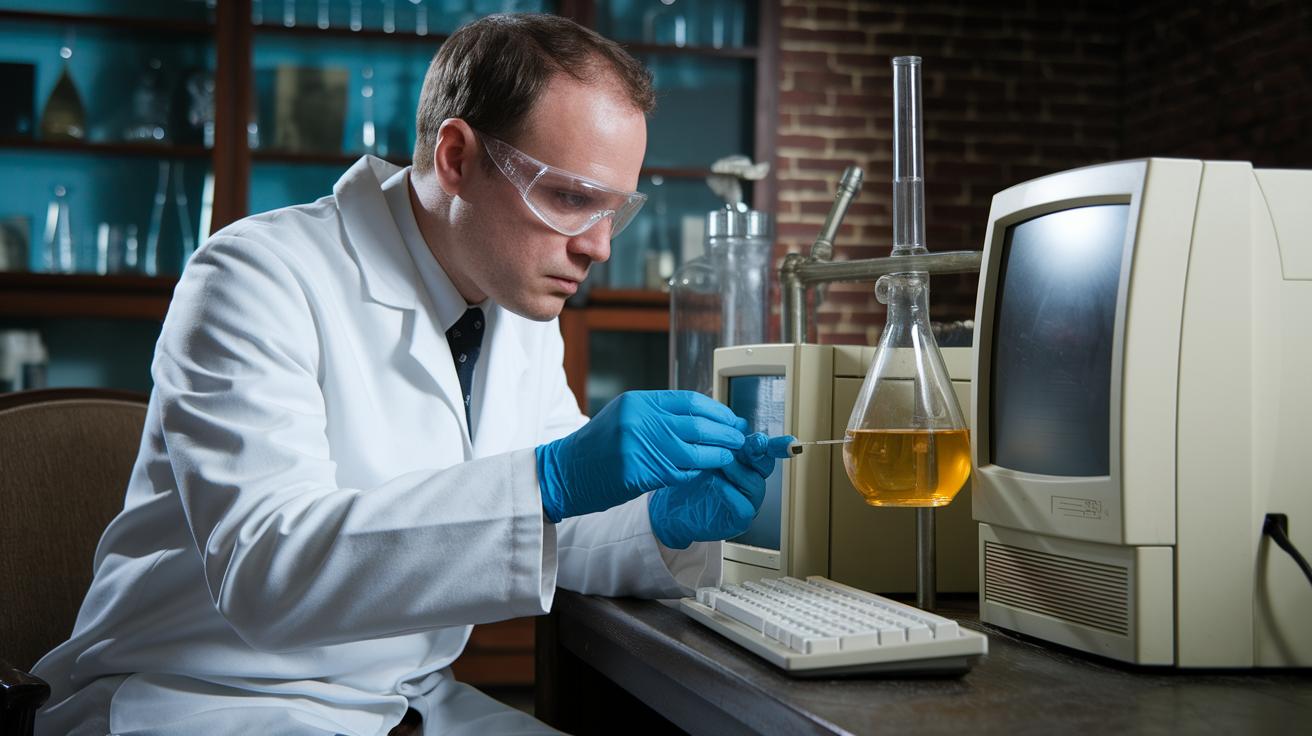
Looking back, major shifts in scientific ideas have been key to turning dreams into experiments. Scientists once challenged old rules and proposed bold new ways to see the world. These challenges opened the door to the powerful tools and systems we use today. Every invention began as a test of a new theory, slowly refined through careful experiments and creative thinking.
Early achievements show us how these ideas turned into real breakthroughs. For example, simple computer experiments in the mid-1900s eventually grew into the complex digital systems we now rely on. In 1959, Feynman shared ideas on controlling matter at a very small scale (nanoparticles, which are tiny particles you can’t see with your eyes), sparking the field of nanotechnology. Then in 1965, Moore’s Law pointed out how computer chips could rapidly grow in power. And in 1969, the Apollo XI mission proved that our ideas about space travel could really work, inspiring countless lessons in engineering and exploration.
| Year | Theoretical Innovation | Breakthrough |
|---|---|---|
| 1959 | Feynman’s ideas on nanotechnology | Control at the atomic scale |
| 1965 | Moore’s Law | Rapid growth in computer chip power |
| 1969 | Theoretical models of space travel | Apollo XI mission success |
| Mid-1900s | Early AI experiments | Evolving into complex digital systems |
Even now, those early breakthroughs continue to guide today’s science. Ideas from the past help shape modern advances in fields like artificial intelligence, quantum physics, and new materials. The move from basic ideas to powerful technologies shows that imaginative science still lights the way for every new discovery.
Quantum Theory Evolutions Shaping Cutting-Edge Discoveries
Quantum theory started with brave experiments that showed light and matter can act like both waves and particles. Scientists found that when you measure one property really carefully, the other property becomes a bit fuzzy (this is called the uncertainty principle). It was a surprising twist that made everyone look at nature a bit differently.
Then, researchers took these wild ideas and turned them into basic quantum computing tools. They used qubits (tiny units that can exist in many states at once) to explore the odd but fascinating rules of quantum mechanics. It wasn’t an easy journey, but these early devices laid the groundwork for machines that work with more and more power every day.
Looking ahead, experts think quantum computing will reach big milestones by 2025. This progress might change areas like cryptography (the art of writing secret codes) and materials design by solving problems that today’s computers just can’t handle. With the potential to speed up tough calculations and mimic detailed chemical reactions, quantum computers are set to turn bold theories into solutions we can actually use.
Advanced Idea Frameworks in Simulation-Based Discovery

Researchers now use clever frameworks that let them test new ideas in ways they never could before. Instead of relying only on hands-on experiments, scientists use computer models and virtual simulations (computer programs that copy real-world situations) to see how things might work. Have you ever imagined trying out an idea on your computer before putting it into the real world? These digital experiments help uncover surprises in huge sets of data and guide scientists as they work on new materials, smarter gene tests, and better planning for things like transport systems.
Big Data Modeling
By using huge virtual tests, researchers can sift through lots of information from many different sources. This lets them see trends and run tests on new ideas without always having to build a real-life experiment. It cuts down on wasted time and helps shape promising theories into ideas ready for the real world.
Metamaterials Simulations
In another area, scientists use simulations to design unusual materials that can control things like heat and light. By adjusting their models on the computer, they can tweak how the material behaves until it works just right. This careful tuning leads to new materials that can be customized for specific jobs.
CRISPR Hypothesis Testing
In genetics, researchers use computer models with CRISPR-Cas9 (a tool for editing genes) to test different ways of changing genes. Through these virtual experiments, adjustments can be made safely and step-by-step so that when the real experiment happens, it’s much more likely to work as planned.
Pipeline Logistics Framework
Even for transport systems, scientists build abstract computer models. These models simulate pipelines that move goods quickly and in a green, energy-saving way. Testing these systems on a computer helps predict how they will work in reality and lets engineers fine-tune the designs before any physical setup begins.
Together these simulation frameworks help speed up research by reducing unnecessary trial and error. They offer a controlled space where ideas can be refined, making the leap from theory to real breakthrough technologies a little smoother.
Interdisciplinary Paradigm Shifts and Conceptual Physics Investigations
Scientists are now blending ideas from physics with other fields to solve problems in fresh and exciting ways. They mix detailed models with practical real-life uses, giving us new ways to tackle challenges. Whether it’s making video calls feel more real or designing energy systems that can adjust on their own, these innovative shifts open up entirely new paths for discovery.
Virtual Collaboration & Robotics
By applying physics to everyday tech, experts have started to create video calls that feel almost like a real handshake. They use simple ideas about motion and energy (how things move and interact) to design platforms where our online interactions mimic face-to-face contact. In robotics, this approach helps machines respond in ways that feel natural and friendly. For instance, early prototypes show that even a little force feedback, a gentle push back from a device, can simulate the warmth of a handshake.
Bio-Acoustics in Plant Science
Researchers are exploring how plants react to sound. In simple lab tests, scientists discovered that playing soft audio tones around 220 Hz (a specific pitch) can change the way plants grow. By borrowing ideas from the physics of sound, they’re setting up experiments to see exactly how these gentle vibrations influence plant behavior. This work might lead to new, eco-friendly farming methods that use sound as a natural growth aid.
Smart Power Grids & Sensor Tech
Innovators are combining energy theories from physics with modern sensor technology (small devices that detect changes) to build smart power grids. These grids act like an online network that automatically adjusts how energy from renewable sources is shared. Using physics principles and digital tools, researchers are rethinking how to deliver power efficiently and reliably.
All these cross-disciplinary shifts show how mixing ideas from different fields can spark creative solutions in both technology and science. It’s pretty amazing to think about all the discoveries waiting for us when we break down traditional boundaries and let ideas flow freely!
Future Abstract Model Developments and Hypothetical Breakthroughs
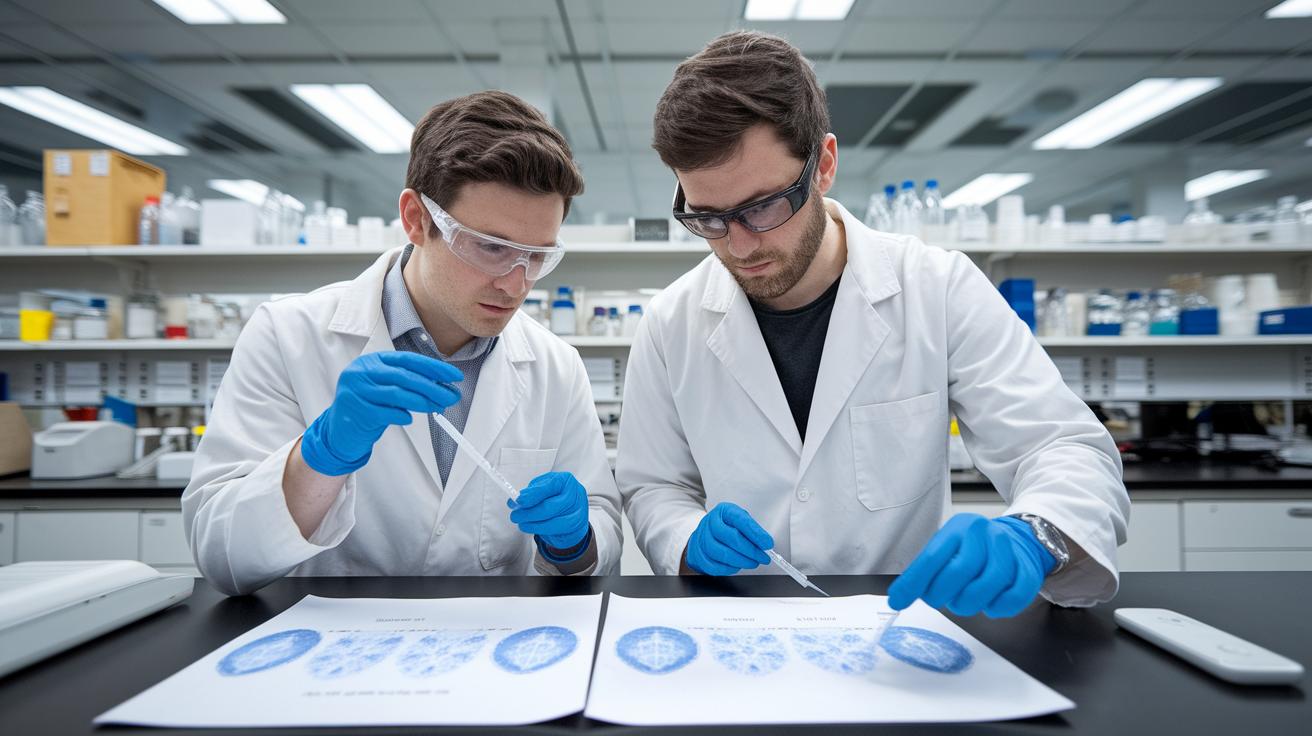
Imagine a world where creative models help build lifesaving vaccines. These vaccines might add 20 extra years to our lives and even help cool down the Earth. Scientists are sketching out plans for new climate tools and medicines that make our bodies feel younger. It all starts with fresh ideas that go beyond what we've seen before.
Think about space elevators built on smart design ideas. Researchers are also diving into areas like molecular computing (tiny computers built from molecules), synthetic neurobiology (building new ways for our brains to work), and modern immunology. Picture tiny machines working together to solve big problems, or building projects so inventive they break all the old limits, almost like a new way to send things into space.
New methods for predicting the future are helping scientists plan for big changes that might happen trillions of years from now. These step-by-step models mimic what the far future might look like, giving researchers a head start in planning experiments and new technologies today. By building imaginative simulations, scientists can explore uncharted ideas and test fresh theories. In doing so, they may unlock breakthroughs that change the way we understand life, technology, and the natural world.
Final Words
In the action of transforming abstract ideas into practical advances, we saw how simple models grew into powerful tools for AI, quantum computing, and more. The post showcased essential mechanisms like mathematical hypotheses and simulation paradigms that spark progress across fields.
This deep dive into theory-driven breakthroughs reminds us of how theoretical innovations fueling science breakthroughs pave the way for tomorrow’s amazing accomplishments. Every step in research helps shape a brighter, more innovative future.
FAQ
Q: What are theoretical innovations fueling science breakthroughs?
A: The theoretical innovations fueling science breakthroughs are abstract ideas that form the basis of research, turning creative concepts into practical tools that drive progress in areas like AI and nanotechnology.
Q: How do theoretical innovations drive scientific discoveries by 2025?
A: Theoretical innovations drive scientific discoveries by shaping research methods and models, laying the groundwork for breakthroughs expected in 2025 in fields such as quantum computing and advanced materials.
Q: What are new inventions in science and technology?
A: New inventions in science and technology come from careful theory work that guides experiments, leading to practical applications in areas like digital systems, biomedical tools, and energy efficiency.
Q: What scientific discoveries have changed the world?
A: Scientific discoveries that changed the world start with theoretical insights tested through experiments, resulting in major advances seen in fields like space exploration, nanotech, and healthcare.
Q: What is considered the biggest breakthrough in science?
A: The biggest breakthrough in science is one that shifts how we think about problems, providing fresh strategies and transformative methods to overcome long-standing challenges in various fields.
Q: What are some examples of scientific innovations?
A: Scientific innovations include theory-based advances that create new ways to approach problems, from developing smart technologies and gene-editing techniques to improving renewable energy systems.
Q: What are the greatest scientific discoveries and inventions of the 21st century?
A: The greatest discoveries and inventions of the 21st century are rooted in robust theoretical research, resulting in breakthroughs in digital communication, medical research, and sustainable engineering.
Q: What are the newest discoveries in science?
A: The newest discoveries in science emerge from updated theoretical models that spark experiments, revealing fresh insights in quantum physics, advanced simulations, and next-generation materials.