Have you ever thought that one tiny stroke of genius might change our day-to-day life? Research like this takes smart ideas and turns them into real improvements. Picture a new treatment that not only battles an illness but also makes a difference in our overall health, energy, and even the gadgets we use. In this post, we're taking a friendly look at how breakthrough science can reshape our routines in ways that really count. Every new discovery has the power to create a ripple effect in society, reminding us that progress is happening not just in the lab, but in our lives all around us.
Transformative Research as a Catalyst for Societal Impact
Transformative research turns big ideas into real changes that shape our everyday lives. It’s like catching that spark of surprise when a small tweak in technology creates a ripple effect in our daily routines.
In 2025, we’re seeing cool trends that weave science into fields like medicine, energy, and tech. Researchers and innovators are taking breakthrough ideas and turning them into new products, treatments, and systems that change how we live. Imagine discovering that a new therapy not only fights a disease but also sparks a whole range of improvements in other areas.
Here are some eye-opening examples:
- AI now thrives on cleaner, more precise data, much like tuning an instrument until it plays the perfect note.
- CRISPR-based treatments, such as the first FDA-approved CRISPR-Cas9 therapy named Casgevy, show how targeted gene editing (a method to adjust specific genes) is moving from a lab discovery to life-saving medicine.
- Solid-state battery research is boosting lithium-ion performance, meaning your electric car and gadgets might soon run for longer periods.
- Quantum computing is venturing into healthcare, with pioneers like Cleveland Clinic and IBM developing detailed molecular simulations. Picture designing drugs with the clarity of a high-definition microscope.
- The single-cell analysis market, valued at USD 4.34 billion, is growing fast and promising deep insights into our biology.
All these trends work together to reshape our social landscape, driving major shifts that touch our health, energy, and technology. By turning visionary ideas into everyday innovations, science is steadily weaving itself into every part of our lives.
Landmark Discoveries That Redefined Societal Paradigms
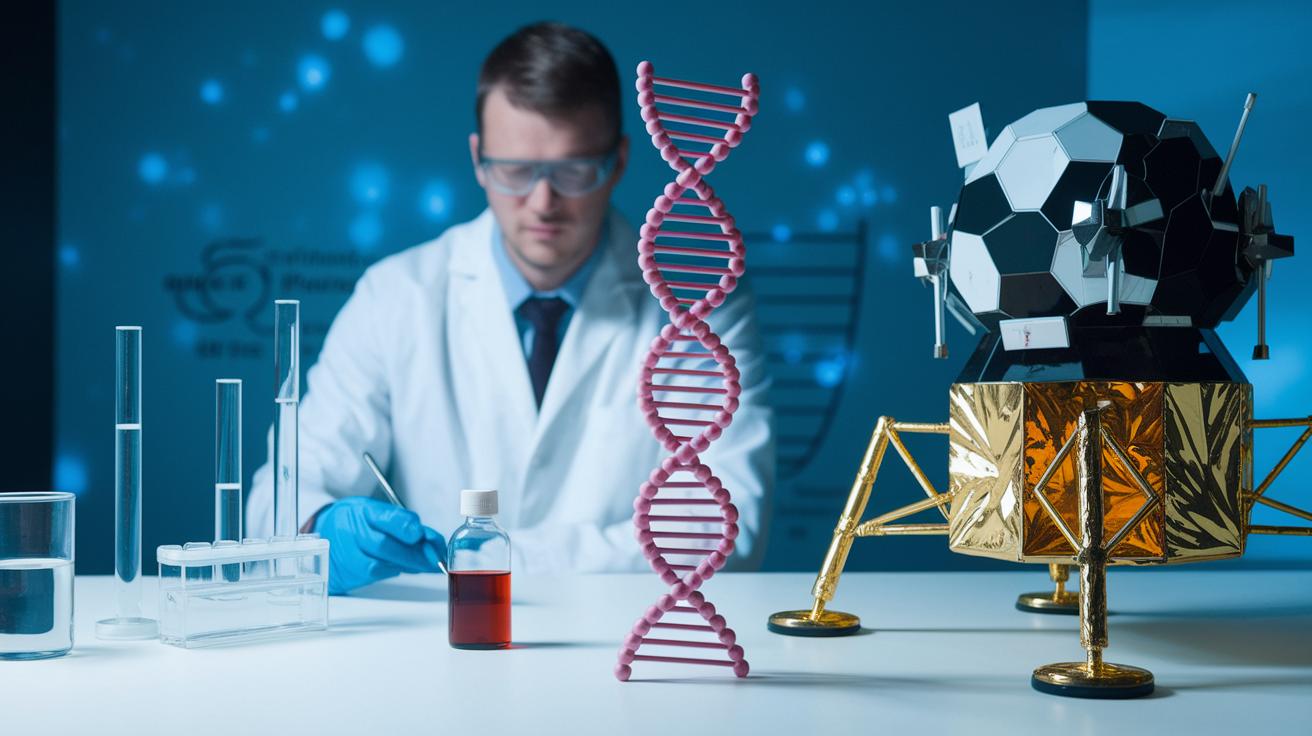
Human creativity has given us moments that changed everyday life. Take penicillin in 1928, for example. Its discovery opened the door to fighting infections that once took many lives. Advances in tools for precise measurements and models helped scientists dig deeper, sparking new ideas in both manufacturing and food production.
Then, in 1953, scientists unveiled the double helix structure of DNA. This breakthrough deepened our understanding of life and led to modern genetics and new, targeted treatments for illnesses.
The Apollo 11 moon landing in 1969 was another giant leap for humankind. It showed the sheer power of human determination and smart technology. The mission pushed the limits of what we thought possible, impacting fields like transportation, engineering, and the study of materials. More than that, it sparked a wave of inspiration, encouraging us to address big challenges like climate change and energy issues with fresh ideas.
These landmark moments remind us that science isn’t just about solving problems. It also inspires us to imagine a brighter future by reshaping the very way we live.
Innovative Methodologies Fueling Modern Transformative Research
New experimental frontiers in research are opening up as fresh methods mix data-driven insights with fast, smart computing. Scientists from fields like data science, quantum science (the study of the tiniest parts), neuroscience, inflammation science, and environmental science are trying out hands-on techniques that change how we solve tough problems. They blend careful number crunching with strong computer tools to help us see clearer answers.
Imagine researchers at places like Cleveland Clinic and IBM using special quantum hardware (computers that work on incredibly small scales) to speed up drug discovery. Picture them running lively molecular simulations (virtual models that act like real drug tests) on these powerful machines that juggle thousands of variables at once. This breakthrough makes it quicker to spot promising new medicines and brings a fresh twist to modern healthcare.
At the same time, more groups are realizing that great data matters just as much as clever algorithms in making AI work well. Industries are now treating raw data as carefully as prized ingredients in a recipe. These new data methods are lighting the way for smarter, more trustworthy AI in everything from transportation to keeping our environment safe, paving a path toward a more connected and transformative future.
Funding Dynamics and Policy Frameworks Shaping Breakthrough Research
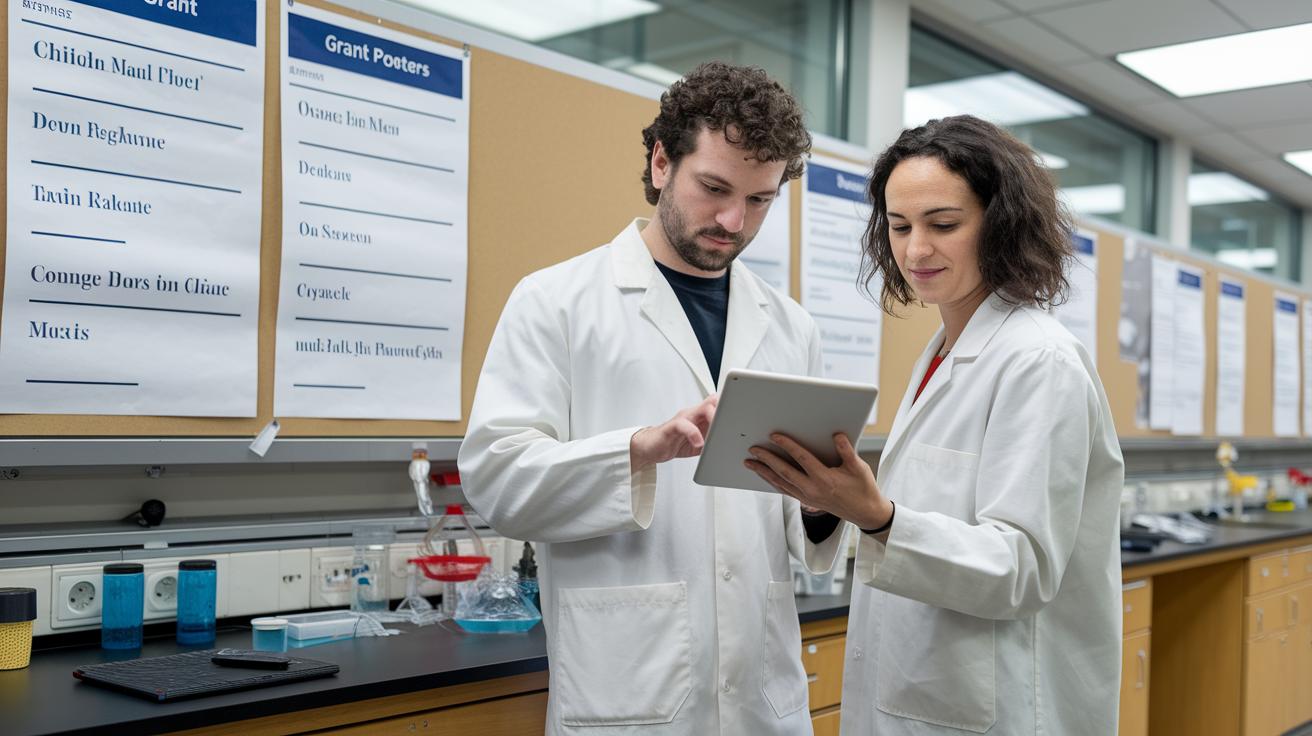
Funding for research is changing fast. Today, there are plenty of grant options available, like Starting, Consolidator, Advanced, Proof of Concept, and Synergy Grants. Some of these even welcome researchers from outside the EU. These grants help pay for groundbreaking studies while guiding research teams on what to focus on. Many institutions now offer extra support such as open science training (sharing research openly), ethics advice, help with managing patents (legal rights for ideas), and detailed project reporting. This complete support system encourages researchers to combine different fields and come up with creative ways to solve both old and complex problems.
On top of these grants, many top research centers are introducing smart funding programs to boost major projects. Look at Yale’s Research Resilience Fund, launched on November 5, 2025; it supports projects that cross different fields while reducing financial risks and expanding their reach. Similarly, a special program focused on pancreatic cancer care started on November 3, 2025, showing how targeted funding can tackle urgent medical challenges. These changes in policy and investments highlight how public funds and institutional backing are reshaping research priorities, leading to a stronger, more connected scientific world that benefits everyone.
Technological Spillovers and Societal Ripple Effects of Breakthrough Studies
Breakthrough studies in waste management are starting to change industries and communities in big ways. These studies bring forward circular economy ideas, which help us reuse and recycle materials. Without major changes soon, the UN warns that waste management costs could double by 2050. Imagine a neighborhood where trash is turned into new building materials or even clean energy. With each new idea, not only do we tackle environmental challenges, but we also boost local economies and spark fresh community initiatives.
Materials science and molecular editing are also playing major roles in shaping our future. Advances in materials (the substances we use every day) help us meet the tough goals of the Paris Agreement by reducing harmful greenhouse gases by 2030 and reaching a balance by 2050. Meanwhile, molecular editing (a way to adjust tiny building blocks of life) is pushing drug research into exciting new areas, creating treatments that benefit public health, industry, and science as a whole. Every new breakthrough sets off a ripple effect, improving its own field and inspiring changes in many others, leading to social transformation at every level.
Multidisciplinary Alliances and Collaborative Networks Driving Future Research

Today, research is all about teamwork. Universities, companies, and public programs are joining hands to spark new ideas and make breakthrough discoveries. For instance, at Yale, different departments come together with shared funding, which helps attract brilliant minds and turns ordinary observations into major advances in renewable energy.
Programs like the Science Journalism Initiative and a special Ukraine research fund are also making a big impact. They connect scientists with journalists and policymakers, letting fresh ideas meet real-world needs. This mix not only fills gaps between different fields but also speeds up progress where it matters most.
Tools like the ERC dashboard and themed workgroups are essential too. They help map out new science and rally expert panels along with public input. By working with each other, researchers, industry leaders, and community voices are creating powerful partnerships that drive science forward and keep our understanding of the world evolving every day.
Final Words
In the action, our post explored transformative research: how science breakthroughs reshape society. We reviewed emerging trends in AI, precision medicine, and quantum computing, discussed collaborative networks, and traced how funding and policy drive advancements with real-world effects.
These insights show that science is continually making our lives more dynamic and informed. Every breakthrough adds a new level of depth to our understanding and sparks further thought on shaping a better future.
FAQ
What is transformative research theory?
The transformative research theory means an approach where bold, novel ideas challenge current practices, paving the way for breakthroughs that shift how we understand and apply science in everyday life.
What are some examples of transformative research?
The transformative research examples include CRISPR-based treatments and advanced battery technology for electric vehicles. These breakthroughs showcase how high-risk, innovative ideas lead to real-world improvements.
What are NSF EAGER proposals and related initiatives in transformative research?
NSF EAGER proposals support early-stage, high-risk projects by funding creative and exploratory research, which helps drive cutting-edge studies and shapes the future of scientific innovation.
How do scientific discoveries and innovations impact society?
Scientific discoveries and innovations change everyday life by driving new technologies and solutions in health, transportation, and more, ultimately broadening our understanding of the world and enhancing quality of life.