
Have you ever wondered how virtual reality could change the way surgeons learn? VR training gives doctors a hands-on, almost real-life experience that feels like performing the procedure in a controlled setting. It lets residents and fellows practice the same surgery over and over again without any risk, which means they can get better with each try. And it’s not just about having more gadgets, this new way of training is all about making surgeries safer and more precise. With VR in the mix, the way we train for surgery is evolving right before our eyes, setting up a whole new standard for patient care.
VR Surgical Training Enhancements: A Definitive Medical Breakthrough
Medical training has come a long way. We moved from using cadavers to using immersive virtual reality training, which brings a hands-on, real-life feel to learning. Now, senior residents and fellows can practice in a lively, interactive setting that mimics true surgical scenes. This shift not only helps keep costs down but also allows practice to be repeated without the limits of old methods. Experts even predict that VR in medicine will grow big time, estimates showed it reached $3.8 billion by 2020 and could hit $5.1 billion by 2025. Many trainees say, “I used to work on cadavers, but VR makes each practice drill feel so real.”
Recent studies back up these benefits. Trainees using VR pick up skills faster and make fewer errors when they perform real surgeries. This tech gives immediate feedback and lets learners explore methods like small-cut surgeries (minimally invasive techniques) and robot-assisted methods in a safe space. Surgeons also say VR helps them build better spatial awareness and make smarter decisions, which means safer outcomes for patients. In truth, this breakthrough sets a whole new standard for medical training, ensuring that every high-detail simulation makes a big difference in how surgery is done.
Technical Innovations in Next-Gen Clinical Simulation Technology
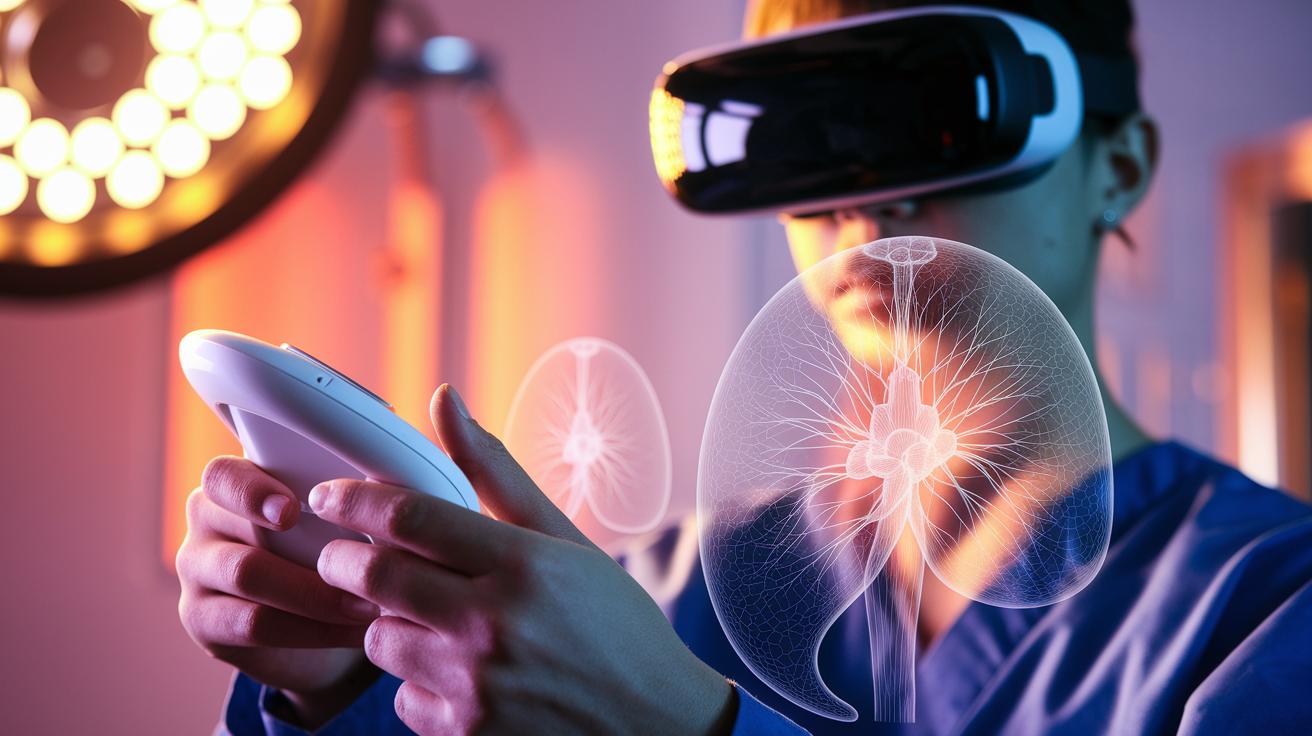
New devices and smart platforms are teaming up to change how surgical training happens. The mix of strong hardware and clever software means that simulation setups can now copy real operations with amazing detail. Imagine a scene where every touch, movement, and image feels just like the real thing – it's really impressive!
Hardware Breakthroughs
Today’s headsets offer super precise visuals measured in tiny, sub-millimeter details. And the haptic controllers? They give you realistic touch feedback so you can actually feel the resistance, much like handling real tissue. Powerful GPUs take care of the live rendering, keeping everything smooth and immersive. Think about it: before today’s tech, surgeons had to rely mostly on theory without that hands-on simulation experience.
Software and Simulation Platforms
On the software side, platforms like Osso VR use smart AI to check and refine a surgeon’s performance as they train. AR overlays offer step-by-step guidance with dynamic 3D graphics and real-time fixes, ensuring every move gets better. Plus, customizable simulation libraries let trainees practice various procedures in different scenarios. These approaches speed up the training process and help build confidence in high-pressure surgical environments.
Together, these hardware and software improvements make simulated training feel incredibly real, getting surgeons ready for the tough challenges of modern procedures.
Case Studies Highlighting Immersive Medical Procedure Modeling Success
Real-world studies show that using immersive modeling in medicine really makes a difference. Hospitals, universities, and training centers all are trying out virtual reality as a way to practice complex procedures, and the results are exciting. Imagine using VR to run through a surgery like it's the real thing; it's cutting down mistakes and building confidence among doctors.
One great example comes from St. Joseph’s Children’s Hospital. They use 360° VR imaging created from CT and MRI scans (detailed body pictures) to plan pediatric procedures. This approach has led to a 20% drop in errors. At the University of Cambridge, researchers found that VR assessments were even better than traditional tests for spotting early signs of Alzheimer’s in 150 people. And there’s more good news: studies on Parkinson’s disease show that practicing with VR balance modules improved patients’ ability to handle obstacles by 30% in a trial with 60 individuals. Surgeons using Osso VR for practicing joint replacement also saw a 40% reduction in operating room time when they first started real surgeries.
| Institution | Application | Participants | Outcome |
|---|---|---|---|
| St. Joseph’s Children’s Hospital | 360° VR for pediatric planning | N/A | 20% reduction in procedural errors |
| University of Cambridge | VR for early Alzheimer’s detection | 150 subjects | Outperformed traditional testing |
| Parkinson’s Studies | VR balance modules | 60 patients | 30% improvement in obstacle negotiation |
| Osso VR | Arthroplasty simulation | N/A | 40% decrease in OR time |
All of these examples point to a clear trend: VR training helps doctors get better and work more efficiently. Surgeons not only make fewer mistakes but also feel more confident during operations. With ongoing studies and careful data collection, these immersive VR models are turning into a powerful tool in clinical education and practice. It’s pretty amazing how technology can bring real change to patient care, don’t you think?
Comparative Analysis of Immersive Digital Surgery Practice vs Traditional Methods
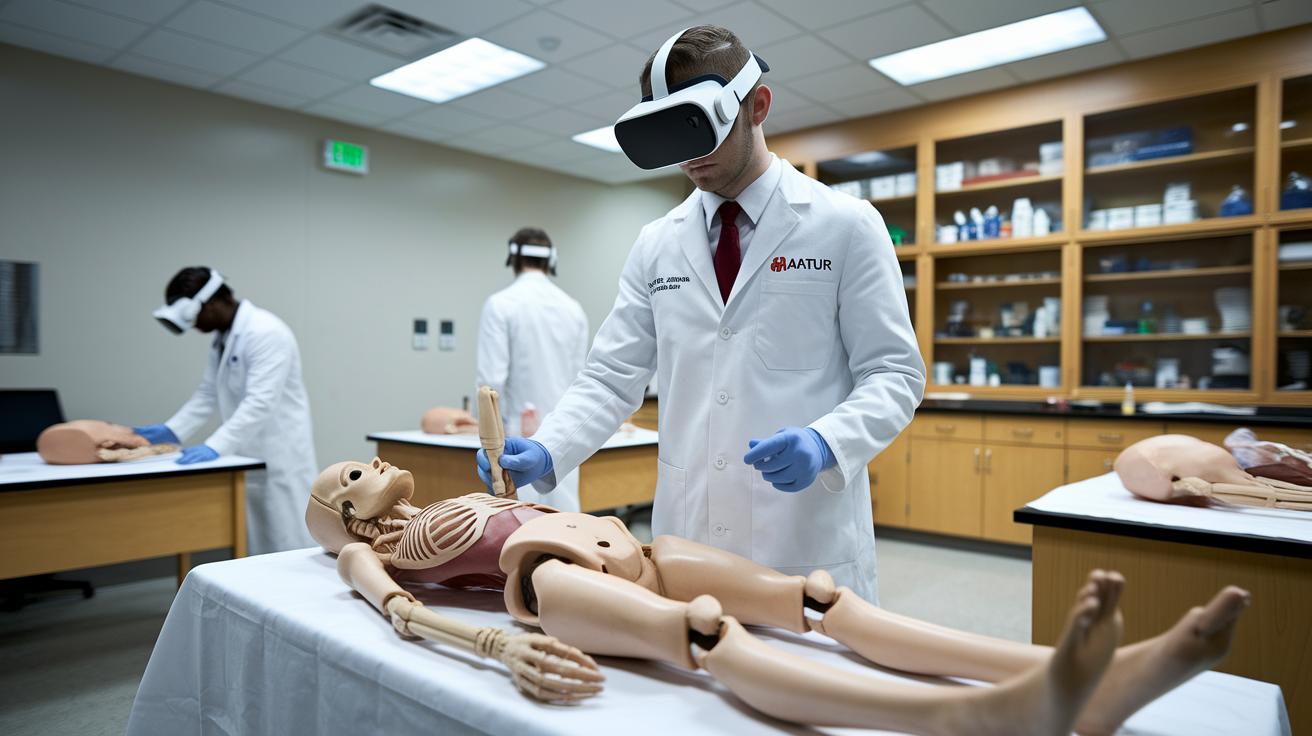
When we look at today’s digital surgery training alongside old-school cadaver labs, the differences really stand out. Traditional labs give students a chance to learn using cadavers, but these bodies have unchanging anatomy. They’re hard to get, need careful upkeep, and they don’t show you instantly how well you're doing. Because of high costs and tight schedules, you get few chances to repeat a procedure. This makes it tougher to learn new skills and be ready for surprise situations in the operating room.
On the flip side, virtual reality lets you practice over and over without any risk. Imagine being able to try out different surgical scenarios, including rare complications that are almost impossible to recreate with cadavers. The VR system even provides quick feedback with clear numbers, research shows that it can help users pick up skills about 25% faster and remember them 15% better three months later. It’s like having a patient teacher who’s with you every step of the way, helping you improve your reaction time and decision-making.
By swapping out the fixed, old ways for flexible digital simulations that give you live feedback, immersive digital surgery training really overcomes many of the problems of traditional methods. This marks an important change in how we learn and practice surgery.
Expert Insights on Virtual Reality Surgical Training Revolution
Surgeons and residents have been extremely positive about VR training. Many senior residents share that using VR before surgery eases their stress; about 80% even say it helps calm those nerves right before the operation. One surgeon mentioned it felt a bit like a warm-up session for a big game. Trainees love that they can practice again and again, feeling the hands-on experience that clearly beats older, less interactive methods. It’s a real game-changer for those who learn best by doing.
Experts in academia back these views by pointing out that VR helps students learn more effectively. Faculty members have noticed that sessions using VR grab more attention than traditional slide presentations. They explain that the tactile, immersive experience makes complex procedures easier to grasp, helping details stick around longer. In other words, when trainees work with lifelike models, they’re better prepared to handle challenges under pressure.
Training directors also highlight that VR platforms offer remote mentoring and connect experts worldwide. This global connectivity makes it simpler to fit new training methods into the curriculum and supports more flexible ways to earn surgical credentials.
Future Directions and Considerations for VR-Based Clinical Skills Enhancement
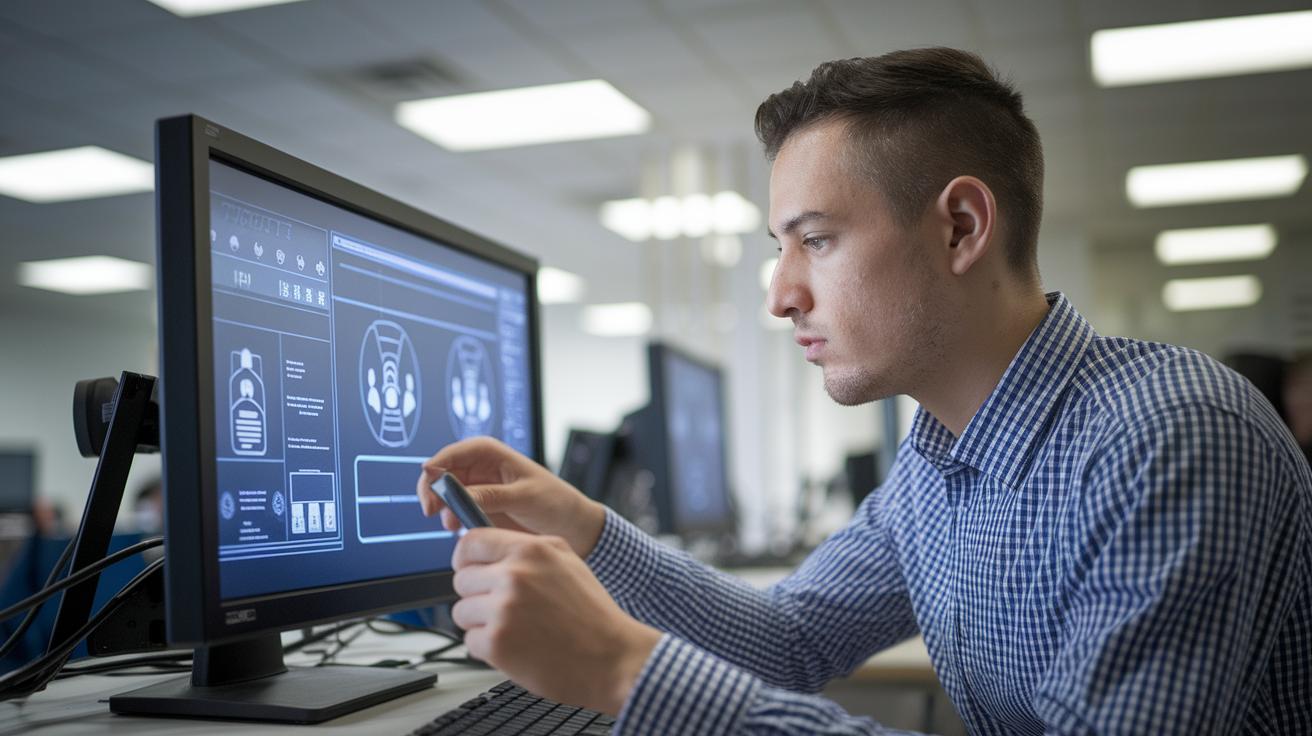
Advanced simulators using AI are making training sessions more like a personal coach. Imagine a simulator that adjusts the difficulty based on your learning speed. If you pick up a new maneuver quickly, it pushes you with tougher challenges. If not, it offers more help. This way, each practice session targets your unique needs.
The cost of top-of-the-line headsets and powerful computers can be high. Plus, there’s a continuous need for well-trained instructors and a standard way to certify these skills.
Looking forward, stronger research partnerships are key. Schools, tech innovators, and healthcare providers need to work together. By combining their talents, they can build training modules for neurosurgery, heart procedures, and bone operations. Focused research will make VR training more accessible across different clinical settings and help create clear accreditation rules. In the end, these partnerships will lead to a more tailored and reliable training experience for every aspiring surgeon.
Final Words
In the action, we explored the shift from cadaver labs to immersive VR modules that make practice more repeatable and safe. The discussion covered next-gen simulation platforms, hands-on case studies, and expert insights on improved training outcomes.
Peek into the near future shows VR still leading as a medical breakthrough. Virtual reality surgical training enhancements bring hope by making clinical skills more accessible and accurate, ultimately improving care and boosting confidence across the board.