
Have you ever noticed how winter feels gentler than it used to? Our weather changes slowly over time because of climate change, a process where tiny shifts, like drops filling a jar, gradually add up.
Today, we're looking at how our everyday actions gently warm the planet and shift the seasons. It might seem like a small change at first, but each little step plays a big part in our future.
Isn’t it interesting how subtle adjustments can lead to big differences over time?
Understanding Climate Change: Definition and Scope
Climate change is when the weather we’re used to slowly changes over many years. It means that things like how long summer lasts or when spring starts are gradually shifting, not just changing from one day to the next. Think about it like this: a sudden rainy day in summer might seem odd, but if summers get warmer and the seasons shift over time, it tells us something bigger is happening. Many people even remember winters that felt much colder than what we experience today. This change comes from natural changes in the world and from what we humans do.
Since the Industrial Revolution, the Earth's surface has warmed by about 1.09°C. Almost all of that warming, around 1.07°C, is due to human actions like burning fossil fuels (coal, oil, and gas) and cutting down forests. Imagine adding a few drops of water into a huge container, each drop seems small, but together they raise the water level a lot. As this warming builds up, rain patterns and other weather behaviors also change. These shifts affect our natural surroundings, farming, and the way communities live. This solid evidence shows how everything we do can add up to big changes in our planet's climate over time.
Major Drivers of Climate Change: Human Activities vs. Natural Variability
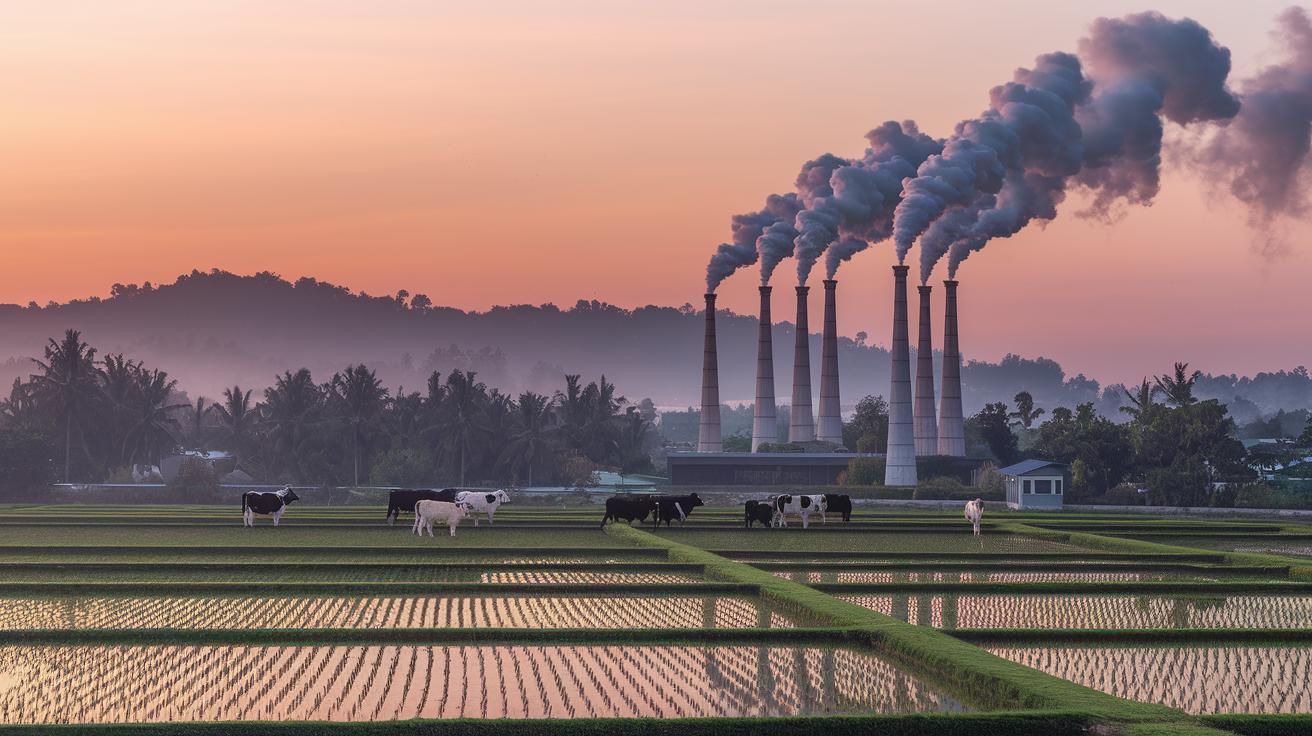
Our climate is changing mostly because of what we do. We burn fossil fuels like coal, oil, and gas to power our lives, which releases loads of heat-trapping gases into the air. Farming activities, such as raising livestock (which emit methane, a powerful warming gas) and growing rice, add even more of these gases. And when we cut down forests, we take away nature’s way of cleaning the air.
Here are some clear examples:
| Activity | Impact |
|---|---|
| Burning fossil fuels | Releases large amounts of greenhouse gases |
| Agriculture | Emissions from livestock and rice cultivation add to warming |
| Deforestation | Less trees means fewer natural air cleaners |
Natural factors, like volcanic eruptions and changes in the sun’s cycles, do affect our climate. However, their impact is much smaller than our ongoing emissions. While a volcano or a shift in the sun's energy can add a little warmth or coolness, it’s nothing compared to what we create every day with our cars, factories, and farms.
In short, the everyday gases we release are reshaping our global climate. Human activities stand tall as the main driver of warming, while natural effects are just a small background note.
The Greenhouse Effect and Fundamentals of Global Warming
Key Greenhouse Gases
Every day, activities like driving, running factories, and farming add greenhouse gases such as carbon dioxide (CO₂), methane (CH₄), and nitrous oxide (N₂O) into our air. These gases come from burning fossil fuels, raising livestock, and changing the way we use land. They work by holding in heat in our atmosphere, much like a blanket keeps you warm on a chilly night. Imagine watching smoke from a campfire slowly rise and warm everything nearby, that’s a bit like what happens when these gases build up. Since the mid-1800s, more of these gases have been added to our air, which has boosted Earth’s natural warming process and has started to raise global temperatures.
Heat-Trapping Mechanism
Once these gases are in the air, they absorb and then send back infrared radiation (heat energy, like the warmth you feel from sunlight). It works much like the glass panels in a greenhouse that trap warmth to keep the plants inside cozy. The process lets heat bounce around closer to the Earth instead of escaping into space, slowly raising our planet’s overall temperature. This steady increase in warmth is one of the main reasons our world is getting hotter over time.
Observed Climate Trends and Extreme Weather Phenomena

Observations show that since before industrial times, our planet has warmed by about 1.09°C. It might seem like a small number, but it builds up slowly over many years and changes our world. Imagine stepping outside and noticing that summers feel warmer while winters lose some of their chill. In some areas, record-breaking heat happens every few years, not just once in a while. Scientists have measured this change with tools and seen it firsthand, proving that our atmosphere is holding more energy. These numbers aren’t just figures; they are snapshots of a world where every extra degree affects nature and our communities.
Extreme weather is also becoming more common and intense. Storms that used to follow a predictable pattern now hit with unusual power, while heatwaves last longer and cover more areas. Wildfires burn with greater force, and heavy rains often overwhelm local drainage systems, throwing everyday routines into chaos. Imagine a town suddenly hit by a heavy downpour that floods the streets for hours, this kind of scene is now more frequent. These changes remind us that even a small rise in temperature can lead to big shifts in real-world weather.
Climate Impacts: Sea Level Rise, Ice Melt, and Biodiversity Loss
We see our planet changing as huge ice fields and mountain glaciers slowly melt, causing the oceans to rise. This warming affects nature’s balance, leading to shifting coastlines and new challenges for many species. In some areas, trees and local wildlife struggle to keep up with fast changes in weather. And in parts of Indonesia, orangutans face shrinking forests due to deforestation, long droughts, and heat-fueled bushfires.
| Impact | Example |
|---|---|
| Sea Level Rise | Melting ice from the poles and mountains makes the ocean rise. |
| Habitat Loss | Orangutans in Indonesia lose their forest homes due to deforestation and drought. |
| Ecosystem Stress | Changes in rain and temperature disturb nature, affecting the survival of many species. |
Climate change isn’t only altering our shorelines; it’s also changing the lives of plants and animals around the world. Shifts in rain and temperature put extra pressure on nature, upsetting the balance many ecosystems rely on. These changes show us that we must adjust the way we live to better support the Earth. In truth, nature’s response reminds us to act now for a healthier and more balanced planet.
Mitigation and Adaptation Strategies in Climate Change
Mitigation Strategies
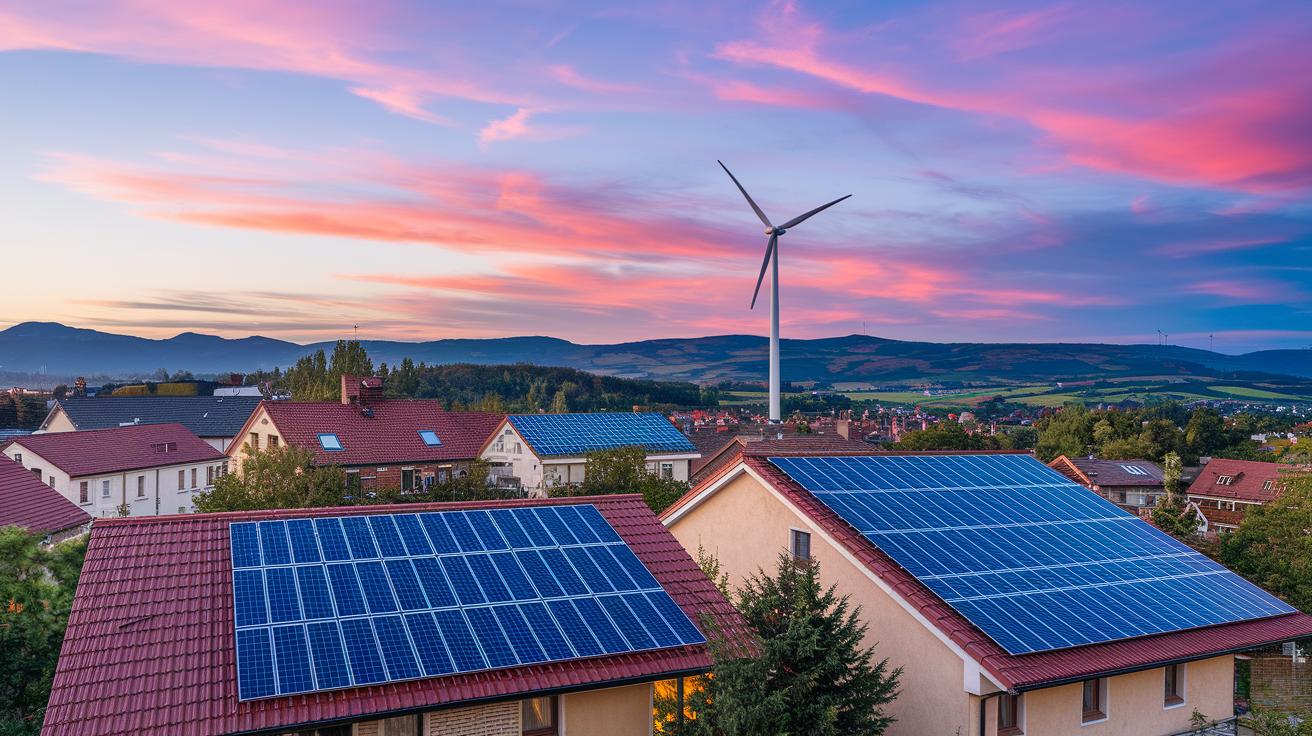
Mitigation strategies are all about cutting down those gases that warm our planet. One big step is switching to wind and solar energy, which offer clean power and fewer harmful emissions. Imagine a town putting solar panels on its public buildings, this small change can inspire nearby areas, just like a spark lighting a fire. Thanks to new technology, renewable energy is now more affordable, making it easier for communities to make the leap. Simple changes, like using LED bulbs or smart thermostats at home or updating factories to work more cleanly, all help reduce the heat-trapping gases. Every small effort adds up to cleaner air for everyone.
Adaptation Measures
Adaptation measures help us get ready for the warming we can no longer avoid. They involve updating our buildings and community spaces to handle tougher weather, like heavy rains or longer heatwaves, think of it as strengthening your home before a big storm. Local efforts, such as building roads that can handle strong storms and creating more green parks, keep neighborhoods safe and running smoothly. On a personal level, using energy-saving lightbulbs, choosing low-carbon ways to travel, recycling, and cutting down on food waste can make a big difference. By preparing our surroundings and making smart choices, we create places that don’t just survive difficult weather, they thrive.
International Policy Responses to Climate Change and the Paris Agreement Framework
The Paris Agreement is a global effort to keep our planet's temperature from rising more than 1.5°C above the levels from before the industrial age. This deal is based on UN guidelines (the rules set by the United Nations to protect our climate) and helps countries cut down on the harmful gases that warm our Earth. Each country has set its own targets (called nationally determined contributions), but many experts feel these goals might not be enough. Think of it like building a staircase, where every small step adds up to a big change toward a cleaner, greener future.
Some experts are worried about gaps in making sure the Agreement is followed and properly funded. They point out that when plans aren’t strictly enforced, many promises go unfulfilled. Many are calling for stronger rules, bolder targets to cut emissions, and faster moves away from fossil fuels (like oil and gas). In other words, lawmakers need to show more commitment and invest more resources to guide us toward a world with less pollution, all while protecting our environment for the generations to come.
Final Words
In the action, we broke down what is climate change by looking at its definition, drivers, and real-life impacts. We discussed how everyday human actions affect our temperature and weather, and we reviewed ways to reduce these effects through cleaner energy and thoughtful planning. The post made a clear case for staying updated and engaged with science. Every step we learn about can brighten our future, a reminder that progress starts with understanding and sharing fresh scientific insights.
FAQ
Q: What is a simple definition of climate change?
A: The simple definition of climate change is the long-term shift in Earth’s temperature and weather patterns, mostly driven by human activities like burning fossil fuels and deforestation.
Q: What causes climate change?
A: The causes of climate change include human activities such as burning fossil fuels, deforestation, and certain agricultural practices, which add heat-trapping greenhouse gases (gases that retain warmth) into the atmosphere.
Q: What are the different types of climate change?
A: The different types of climate change refer to shifts like global warming, regional weather changes, and increases in extreme events, all reflecting long-term alterations in our planet’s climate.
Q: What is climate change for kids?
A: Explaining climate change for kids means talking about how Earth’s weather is slowly changing, mostly because of pollution from things like cars and factories that warm up the planet.
Q: What is climate change in Geography?
A: In Geography, climate change means the study of long-term shifts in weather and temperature patterns, which affect land, water, and ecosystems across the globe over many years.
Q: What is a climate change essay about?
A: A climate change essay talks about the causes, effects, and possible solutions to Earth’s shifting climate, using clear examples, facts, and ideas to explain the changes we see today.
Q: What is a climate change PDF?
A: A climate change PDF is a digital document that provides information or research on climate change, making it easier for readers to study and understand the topic.
Q: What is the relationship between climate change and global warming?
A: The relationship between climate change and global warming is that global warming, the increase in Earth’s average temperature, is a major part of climate change, influencing long-term shifts in weather patterns.
Q: What are the five effects of climate change?
A: The five effects of climate change include rising temperatures, melting ice, sea level increase, more frequent extreme weather events, and disruptions to ecosystems and wildlife habitats.
Q: What is the new definition of climate change?
A: The new definition of climate change now includes both natural variations and significant human contributions from greenhouse gas emissions, leading to long-term changes in global weather and temperature trends.