
Have you ever stopped to wonder how the air you breathe, the water you drink, and even the ground beneath your feet all work together?
Earth science sees our planet as one big team, where every part is connected. It combines ideas from math, physics, biology, and chemistry (the study of substances) to explain how the sky, water, land, and living things affect each other. Even a small change in one area can cause ripples everywhere.
Let’s explore this idea together and see how understanding these links can help us take better care of our shared home.
What is Earth System Science: Bright Insights
Earth System Science, or ESS, is all about seeing our planet as one big, connected team. It looks at the rocky ground (lithosphere), all the water around us (hydrosphere), every living thing (biosphere), and the air we breathe (atmosphere) to understand how they work together. This field blends ideas from chemistry (the study of substances), biology (the study of living things), physics (the study of forces and energy), and math (the study of numbers and patterns) to create a full picture of how nature and our actions mix.
In the mid-1980s, ESS started to grab attention. In fact, back in 1983, a group at NASA put together a committee that united different science fields to study Earth as a whole. Moments like this changed the game from looking at tiny parts of nature on their own to seeing everything as connected.
By exploring how rock layers, water cycles, plants, animals, and the air all interact, ESS shows us how a change in one area can send ripples through another. This approach helps us understand why weather changes occur, how living things adjust to their surroundings, and how human actions can tip the balance of Earth’s systems.
In truth, seeing the Earth as one system not only deepens our knowledge but also guides us to use our resources wisely and adapt to changes in our climate and environment.
Key Components of Earth System Science: The Four Spheres
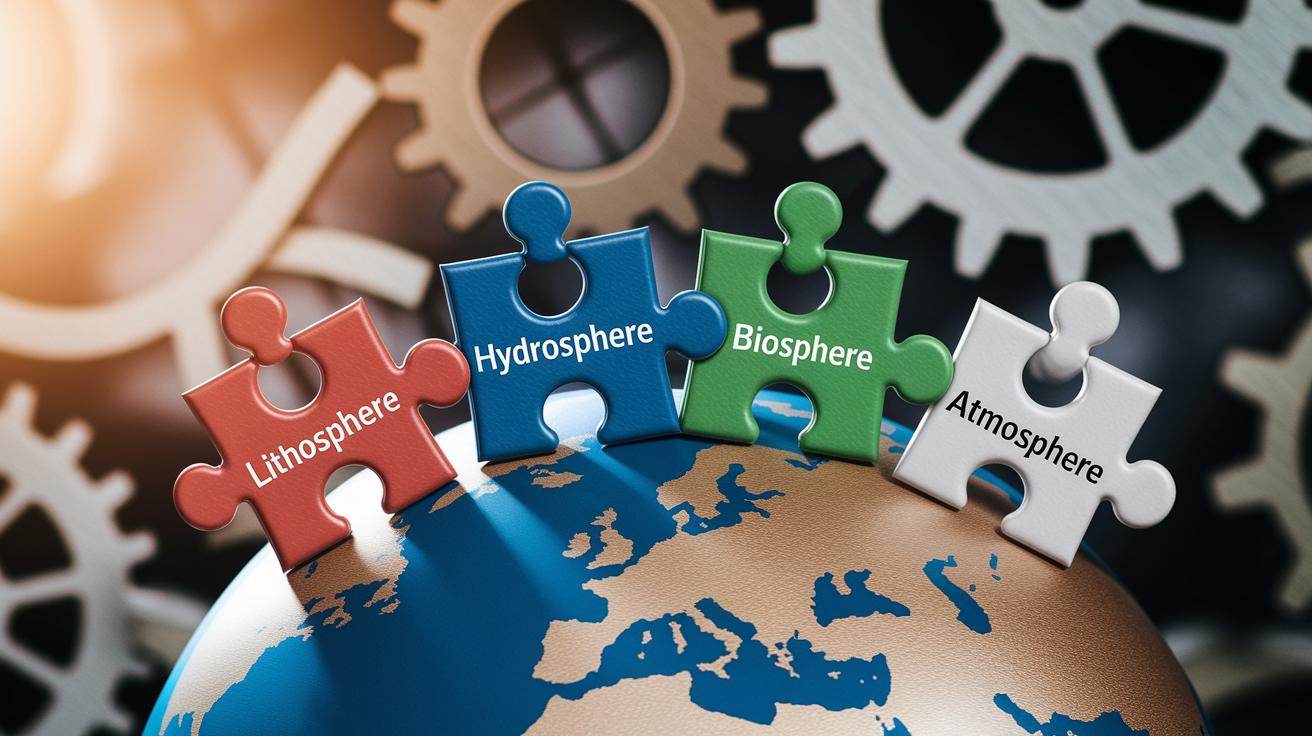
Earth system science is like looking at a big, moving puzzle where every piece matters. We study four major parts of our planet: the lithosphere, the hydrosphere, the biosphere, and the atmosphere. Each one plays a unique role and they all work together to keep Earth running smoothly.
The lithosphere is the hard, rocky shell we live on. It’s made up of rocks and shifting plates that move slowly over a softer layer called the asthenosphere (a layer of partly melted rock beneath the crust). Imagine a puzzle where the pieces slowly slide around, changing landscapes and sometimes even causing earthquakes.
The hydrosphere covers all the water on our planet, from huge oceans to small lakes and wandering rivers. Water here is always on the move, evaporating from surfaces, forming clouds when it cools, and falling back to Earth as rain or snow. Think of it as nature’s way of recycling water to shape weather and support life.
Next up is the biosphere, which includes every living thing, whether it’s a tiny microbe or a large animal. Every living creature interacts with its surroundings in a big, natural network. It’s like a vibrant community where every component, no matter how small, helps keep the balance of life.
Lastly, the atmosphere is the layer of gases that wraps around our planet. We pay close attention to gases like CO₂ and CH₄ (tiny molecules that trap heat) because they play a key part in keeping Earth warm enough for life. Picture the atmosphere as a cozy blanket that makes sure our planet isn’t too cold.
Each of these spheres is linked, sharing energy and materials in a dynamic dance that shapes our environment. Isn’t it amazing how everything on Earth is connected?
Interactions and Processes in Earth System Science
Earth System Science looks at how our planet's four big parts work together by moving energy and matter around. One important process is the biogeochemical cycle. Take the carbon cycle, for example. Carbon travels back and forth between plants and the air. Think of it as a huge recycling center where living things breathe out carbon dioxide and plants take it in. Picture a tree sucking in CO₂, which helps it grow and keeps our climate in check.
Another key process is the water cycle. Water turns into vapor, makes clouds, and then falls back to Earth as rain or snow. This links our water on Earth with the air above us, shaping weather and supporting life. Imagine steam rising from a pond, forming soft clouds, and then gently falling as rain.
Ocean currents mix things up too by carrying warm water from the equator to colder regions near the poles. This warm water movement helps even out temperatures around the globe and can change weather patterns. At the same time, melting ice shifts heat and mass, which can change sea levels and further influence the climate.
The greenhouse effect is another vital piece. Gases in our atmosphere trap sunlight, keeping our planet warm enough to be livable. Every cycle and flow connects the land, water, life, and air, so a small change in one area can send ripples throughout the whole system. It reminds us that even tiny shifts in energy or material can have big effects on our environment.
Earth System Science Methods: Models and Simulations

Models and simulations are key tools we use to understand our planet. Researchers create simple diagrams (conceptual models) that show how different parts work together, and they build computer programs (computational models, which use math to represent systems) that mimic these interactions. Imagine watching a digital weather forecast come to life, where water vapor, greenhouse gases (gases that trap heat), and temperature all interact in real time.
Scientists also mix hands-on fieldwork with lab experiments and careful data checks to build a full picture. They gather facts from nature, run tests in the lab, and then use computers to see how climate and ecosystems might change. Picture a research team checking soil moisture and air quality, then feeding that info into a computer to predict what comes next.
Remote sensing and satellite data add another layer of insight. These tools capture up-to-date details about the atmosphere, land, and ocean temperatures, making sure the models are based on real-world facts. With all this information, simulations help forecast how natural events and our own actions shape the environment. Step by step, as researchers test and tweak these models, they become powerful tools for predicting changes on Earth.
By studying how different parts of our planet depend on each other, scientists get a closer look at nature’s dynamic dance. Each model opens a little window into the connections that hold our world together, making it easier to understand and care for our environment.
Earth System Science and Climate Change Dynamics
Earth System Science gives us a way to see how shifts in our climate touch every part of our planet. Rising levels of carbon dioxide (CO₂) and methane (CH₄) boost what we call the greenhouse effect (when certain gases trap extra heat, much like a blanket). Imagine that blanket slowly growing thicker over time and keeping everything underneath a bit warmer.
All the living things in our world, the biosphere, normally pull in carbon to keep things in balance. But when the environment gets stressed by big changes, nature can’t soak up extra carbon as well. It’s like a car going uphill; if the slope steepens, the car slows down, and the whole journey is affected. Have you ever wondered how a small slowdown can impact an entire trip?
Another clear sign of our shifting planet is rising sea levels. As the water layer of Earth, known as the hydrosphere, and icy parts, called the cryosphere, change, our coasts can look very different. Warm water expands, and melting ice adds more water to the oceans, imagine filling a bathtub slowly, where every drop really counts.
Scientists keep track of these changes with global environmental indicators. They check things like the world’s average temperature, look at the balance of ice sheets (kind of like weighing a slowly melting snowball), and monitor how much heat the oceans hold. Each of these clues helps us understand how nature is reacting to warming.
Our own actions, like burning fossil fuels and cutting down forests, play a big role in these changes. For more details on what drives climate change, see what is climate change. These human activities can trigger feedback loops, where one change sparks another and makes weather, ecosystems, and coastal areas even more affected.
By looking at how all the parts of nature are connected, Earth System Science shows us that even tiny changes can ripple across our world. It paints a clear picture of how what we do feeds into a larger cycle of warming and environmental responses.
Practical Applications of Earth System Science
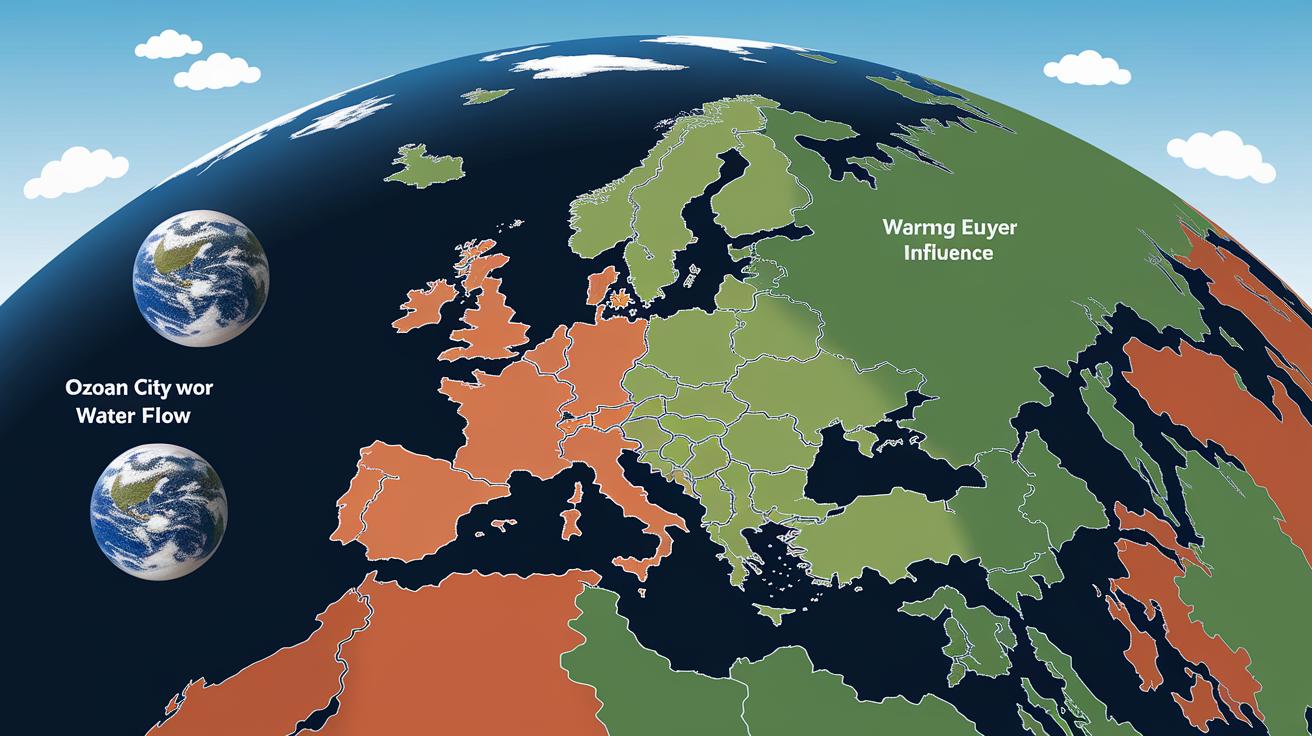
Earth System Science goes beyond just theory. It uses system-based models (ways of linking different parts of the environment) to create real-world solutions. For example, think about ocean circulation. Warm water flowing through the oceans helps keep northern Europe’s climate mild. Picture a coastal city that enjoys gentler winters because of these vast currents. These currents even influence important decisions about energy use.
Another example is Antarctic ozone depletion. CFCs (chemicals once used in refrigerants, kind of like old-coolant agents) clearly cause the ozone layer to thin. This link has guided global efforts to cut down dangerous emissions. It’s a bit like a well-timed memo that nudges everyone to adopt safer practices.
Strategies for managing natural resources also draw on ideas from Earth System Science. Think of water, soil, and all the different plants and animals as parts of one big system, all working together through nature’s own balance. Using system-based models, environmental leaders can design plans to keep these resources in balance while promoting ways to use them wisely. For instance, planning water use well can be like assembling your favorite sandwich, each part adds flavor only when used in just the right amount.
These examples show that Earth System Science isn’t just a lab idea. It helps shape policies, guide rules, and empower communities to care for our planet over the long run.
Final Words
In the action, we explored how the four key spheres interact to shape our planet. We broke down earth system science through its definition, components, and modeling techniques. We also touched on climate change dynamics and practical uses in environmental policy.
By showing what is earth system science in clear, everyday language, the article gives us a fresh perspective on how natural processes affect our daily lives. It leaves us with a hopeful sense that scientific insight can make a real difference.
FAQ
What is Earth System Science?
The Earth System Science is an interdisciplinary field that examines how Earth’s key spheres—the lithosphere, hydrosphere, biosphere, and atmosphere—interact and influence our planet’s processes.
What are the four Earth systems?
The four Earth systems include the lithosphere (solid earth), hydrosphere (water), biosphere (living organisms), and atmosphere (gases surrounding Earth), all of which are interconnected through various natural cycles.
What is an Earth System Science degree or major?
An Earth System Science degree or major teaches you about the planet’s interconnected spheres, combining subjects like geology, biology, and chemistry to help understand environmental processes and global change.
What career paths are available with an Earth System Science degree?
The degree can lead to careers in environmental research, public policy, resource management, and climate analysis by training you to study and manage the interactions between Earth’s diverse systems.
What are some examples of Earth system interactions?
Earth system interactions include the carbon cycle linking the biosphere and atmosphere, and the water cycle driving exchanges between the hydrosphere and other spheres, each highlighting how energy and materials move through nature.
How can I visualize the Earth system with drawings?
Earth system drawings typically depict the four spheres and their connections, using simple diagrams to show how water, air, land, and life interact in a continuously changing, dynamic environment.
How did Earth System Science emerge and evolve?
Earth System Science started in the 1980s to better study global interactions. It has evolved by incorporating modern tools like satellite data and computer models to understand climate and environmental changes.
What is the primary goal of Earth System Science?
The main goal is to understand the interactions among Earth’s spheres to predict and manage both natural and human-induced changes, ultimately supporting a healthier planet and informed environmental decisions.
How does Earth Science differ from Environmental Science?
Earth Science focuses on the planet’s physical makeup and natural processes, while Environmental Science also considers the impact of human actions on these systems, blending societal needs with natural study.
What role does energy play in Earth System Science?
Energy drives transfers among Earth’s spheres, powering processes like heat movement in the atmosphere and ocean currents, which in turn influence climates and other critical natural cycles.
What is the biosphere in Earth System Science?
The biosphere contains all living organisms and plays a key role in sustaining life by interacting with other spheres, affecting cycles such as carbon and nutrient flow through the natural environment.