During World War I, even simple tools helped change history. Doctors and nurses worked under extreme pressure, using practical methods to treat wounds and quickly decide who needed help first.
These lifesaving techniques not only worked on the battlefield, but they also helped shape many of the treatments we rely on today. It's amazing to think that tough times sparked innovations that still benefit us in hospitals now.
Major World War 1 Medical Advances and Their Lasting Impact
World War I changed medicine forever. Over 30 nations clashed from 1914 to 1918, and doctors, nurses, and other caregivers were suddenly faced with a flood of injuries. They had to think fast and act even faster. In the midst of chaos, simple innovations like improved wound cleaning and quicker ways to sort patients saved countless lives. These changes pushed medical care forward and set the stage for the emergency treatments we rely on today.
Doctors discovered new methods to stop bleeding and keep infections at bay. They organized care in ways they never had before, testing fresh ideas in hospitals during the war. It’s amazing to think that even in such stress and danger, creativity and determination shined through. Have you ever wondered how crises sometimes bring out the best in us? In truth, adversity can spark breakthroughs that last well beyond the moment.
These wartime advancements weren’t just about survival on the battlefield. They also laid the foundation for many modern medical practices. The skills honed in the heat of battle still make a difference in today’s emergency rooms. So next time you visit a hospital, remember that some of the techniques used came from the bravery and ingenuity of those who worked under incredible pressure during World War I.
Surgical Innovations in the First World War: From Thomas Splint to Modern Amputation Protocols
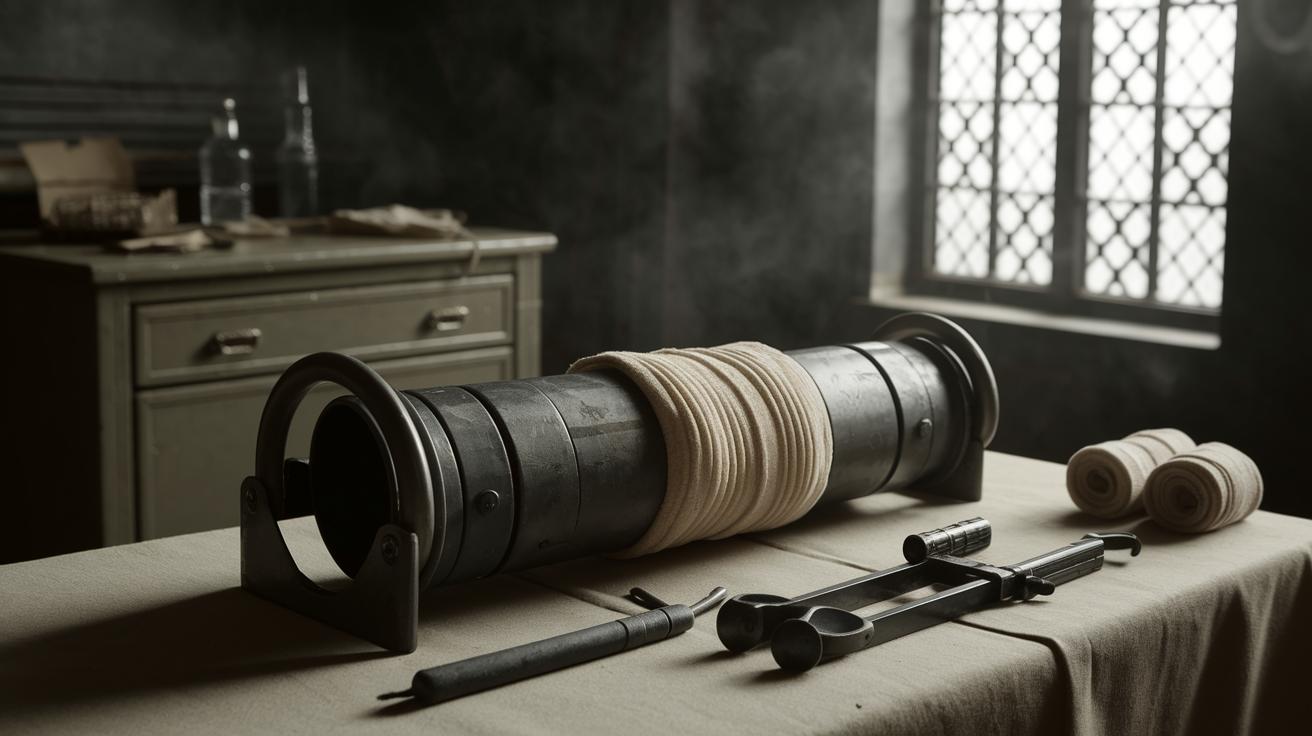
The Thomas Splint, introduced in 1914, made a huge difference in battlefield medicine. Before its arrival, only around 20% of soldiers with broken thigh bones (femurs) managed to survive. But once this simple metal tool was put to use, survival rates leaped to almost 80% by 1916. It’s amazing to think how a small device could turn such grim odds into a real chance at life.
Surgeons quickly adapted to this change. They developed clear, standard steps for amputating severely injured limbs, which helped cut down on extra damage and complications. This consistency gave both doctors and soldiers more certainty during chaotic times and helped create safer surgical practices right on the battlefield.
Another breakthrough came with the use of carbolic-acid antisepsis. This early method of fighting infections (using a chemical to kill germs) kept wounds much cleaner in harsh and unpredictable conditions. It was a vital measure that made sure injuries didn’t automatically lead to fatal infections.
These innovations didn’t just save lives during World War I, they laid the groundwork for modern emergency care. The improved techniques for amputation and infection control continue to shape today’s practices, offering a clear snapshot of how surgical care evolved over time.
Looking back, it’s a powerful reminder that even in the toughest situations, ingenuity and innovation can profoundly change the course of history.
Battlefield Blood Transfusion Breakthroughs and the Birth of the First Blood Bank
Blood transfusions in the early days were full of problems. Soldiers often got blood that clumped up (thick lumps formed) or hurt the vessels carrying it. The doctors had to think quickly, almost like fixing a car with only a few tools on hand. One surprising case even found a doctor patching a soldier's bleeding wound using anything he could grab, which seemed nearly impossible at the time.
Then in 1917, Oswald Hope Robertson brought a fresh, game-changing idea. He launched the first mobile blood bank using citrated blood. Citrated means the blood was mixed with a special substance (citrate, which stops it from clotting). The blood was stored safe and cool in ammo boxes filled with sawdust and ice until it was needed. At the same time, clear and simple transfusion kits were given to medics on the front line. These kits had easy-to-follow instructions and all the tools needed to move blood safely, even in the middle of chaos.
Robertson’s method cut down many of the risks that came with early transfusions. It also laid the groundwork for today’s blood handling in emergency care. Discover more about these medical technology breakthroughs at this link.
The hands-on ideas born during World War I still help shape how we care for patients in critical situations today.
Evolution of WWI Trauma Care: Base Hospitals, Casualty Clearing Stations, and Triage Systems
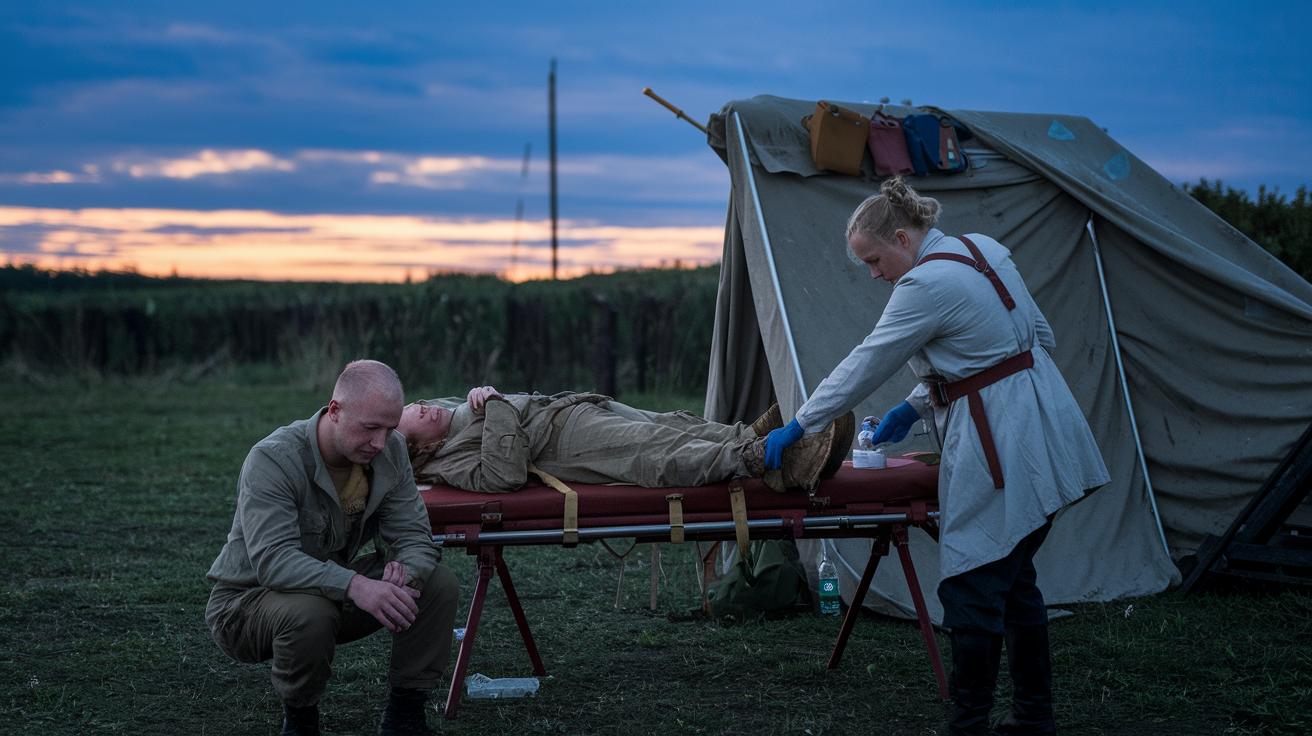
During World War I, the care for wounded soldiers changed in a big way. Medics set up small treatment spots right by the front lines so injured soldiers could get help almost immediately. These spots provided quick first aid and helped stabilize patients (making sure they were strong enough for the next step) before moving them to larger base hospitals. This fast help saved many lives that might have been lost otherwise.
Doctors and nurses soon began sorting the wounded by how serious their injuries were. This system, called triage (a way to rank injuries to treat the worst first), meant that soldiers who needed urgent help got it right away. Just imagine: every minute really did count. Medics quickly decided if a soldier should be treated on the spot or sent to a base hospital for more complex care.
This layered approach, with base hospitals for complicated cases and clearing stations for immediate needs, was a true game changer. It helped bring some order to the chaos of battle, letting medics work quickly and carefully. The clear plan and strong lines of communication gave everyone a better chance to do their jobs effectively.
Even today, modern emergency systems owe a lot to these innovations. The way doctors sort and treat injuries during critical moments still uses ideas that started on those battlefields. It’s a powerful reminder of how smart, organized care can make all the difference when every second counts.
Innovations in Infection Control and Wound Care during the Great War
In the muddy trenches, cleaning wounds became a life-saving routine. Doctors carefully removed dead tissue (old cells that no longer work) to clear out dangerous germs. In one striking case, this thorough cleaning stopped an infection from spreading and saved a soldier’s life.
Medics also began using tetanus antitoxin, a medicine that fights tetanus (a painful condition causing stiff muscles), to protect open wounds. Imagine a medic rushing onto the battlefield and applying this vital dose; such quick action often meant the difference between a full recovery and a tragic outcome.
Addressing Non-Traumatic Injuries: Mental Health and Chemical Warfare Treatment in WWI
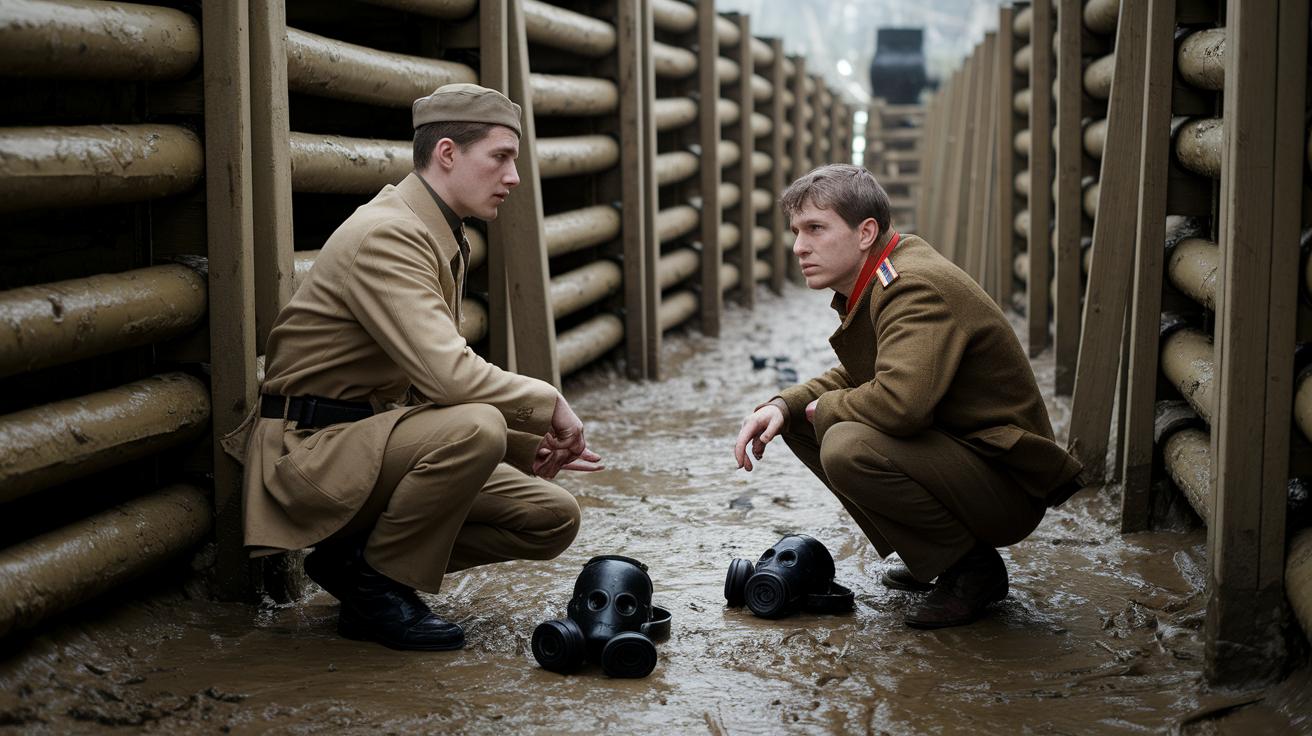
Back in the day, doctors and medics started seeing that combat stress, what we once called shell shock, was real. They quickly learned that soldiers struggling with deep fear and anxiety needed help, right when the battle was still raging. Imagine a medic leaning in and softly saying, "It's okay to feel scared, you’re not alone," which helped a shaken soldier feel just a bit more secure.
At the same time, things got even tougher with the use of chlorine gas at Ypres in 1915. Medics had to figure out fast ways to treat soldiers who breathed in the dangerous gas. They experimented with new methods to clear the harmful chemicals from a patient’s airways, noting that even the wind could change how badly someone was affected. These early lessons were key to shaping how we handle chemical injuries today.
Looking back, the approaches used during WWI for both mental health support and chemical injury treatment were groundbreaking. They set the stage for modern practices that continue to help people dealing with non-traumatic injuries.
Final Words
In the action, this article took us through groundbreaking steps in battlefield medicine during World War I. We saw how fast changes in surgery, rapid blood transfusions, organized triage, and improved infection control reshaped emergency care.
These world war 1 medical advances paved the way for today’s life-saving techniques and remind us that even in tough times, innovation can spark hope and progress.
FAQ
What are some medical advances during WW1, including timelines and key breakthroughs?
The WW1 period introduced major advances such as the Thomas Splint improving fracture care, the first mobile blood bank for safe transfusions, formal triage systems, and routine antiseptic methods.
What are three major innovations that came out of WW1?
WW1 innovations include refined surgical techniques like standardized amputations, the creation of mobile blood banks for battlefield transfusions, and the development of formal triage systems that prioritized urgent care.
How did WW1 medical advances influence WWII care and technology?
WW1 breakthroughs in surgery, blood transfusion methods, and infection control set the stage for similar, more advanced techniques that were widely applied in WWII, improving overall wartime medical care.
What characterizes WW1 surgery and its progress?
WW1 surgery saw breakthroughs like the Thomas Splint boosting survival in severe fractures, systematized amputation procedures, and the introduction of antiseptic practices right on battlefields, significantly enhancing patient outcomes.
Was homosexuality accepted in WW1?
Homosexuality in WW1 was largely unaccepted due to strict social norms and legal restrictions, forcing many to hide their orientation amid a climate of prevalent discrimination.
Are there still missing bodies from WW1?
Yes, due to the chaos of battle and incomplete records during the conflict, many WW1 soldiers remain missing, with ongoing efforts to locate and respectfully commemorate them.