
In a phase 2, randomized, placebo-controlled trial researchers delivered a single in vivo dose of CRISPR gene editing to patients with hereditary angioedema (HAE), a genetic disorder that causes sudden, potentially dangerous swelling attacks. The therapy targeted kallikrein (KLKB1), and edited alleles were associated with a meaningful reduction in attack frequency without serious adverse events in the trial period. Beyond offering a potential one-time treatment for HAE, this result is a major proof-of-concept for systemic, single-dose CRISPR interventions in human disease. Larger and longer studies are needed to assess durability, off-target effects, immunogenicity and safety, but the findings are highly encouraging.
Single-dose CRISPR shows promise for hereditary angioedema

In a phase 2, randomized, placebo-controlled trial researchers delivered a single in vivo dose of CRISPR gene editing to patients with hereditary angioedema (HAE), a genetic disorder that causes sudden, potentially dangerous swelling attacks. The therapy targeted kallikrein (KLKB1), and edited alleles were associated with a meaningful reduction in attack frequency without serious adverse events in the trial period. Beyond offering a potential one-time treatment for HAE, this result is a major proof-of-concept for systemic, single-dose CRISPR interventions in human disease. Larger and longer studies are needed to assess durability, off-target effects, immunogenicity and safety, but the findings are highly encouraging.
One pill, three blood-pressure drugs: GMRx2 simplifies hypertension therapy

New hypertension guidelines increasingly recommend starting most patients on two antihypertensive agents and escalating to multiple drugs when needed, but pill burden can harm adherence. A randomized trial tested a single-tablet triple combination, telmisartan (an ARB), amlodipine (a calcium-channel blocker) and indapamide (a thiazide-like diuretic), called GMRx2. The triple pill was well tolerated, produced substantial blood-pressure reductions, and achieved adherence rates above 95%. Simplifying regimens into one pill can reduce complexity, lessen missed doses and may improve long-term cardiovascular outcomes. Wider adoption will depend on cost, tolerability across diverse populations, and head-to-head comparisons with typical stepwise therapy.
Tardigrades reveal three mechanisms for extreme radiation resilience

Tardigrades can resist ionizing radiation at doses roughly a thousand-fold higher than what kills humans. Researchers found three cooperating mechanisms behind this resilience: potent scavenging of reactive oxygen species to limit oxidative damage; hyperactivation of double-strand DNA break repair driven by a novel gene named TRID1; and enhancement of PARP1-mediated repair through regeneration of cellular NAD+ pools. These combined strategies preserve genome integrity after extreme stress. Translating this biology could yield new radioprotective drugs, improve radiation-therapy safety, or help engineer stress-resilient cells, though adapting tardigrade factors to human physiology will require careful safety and functional studies.
CU43, a bacterial IgG-cleaving enzyme with potent activity
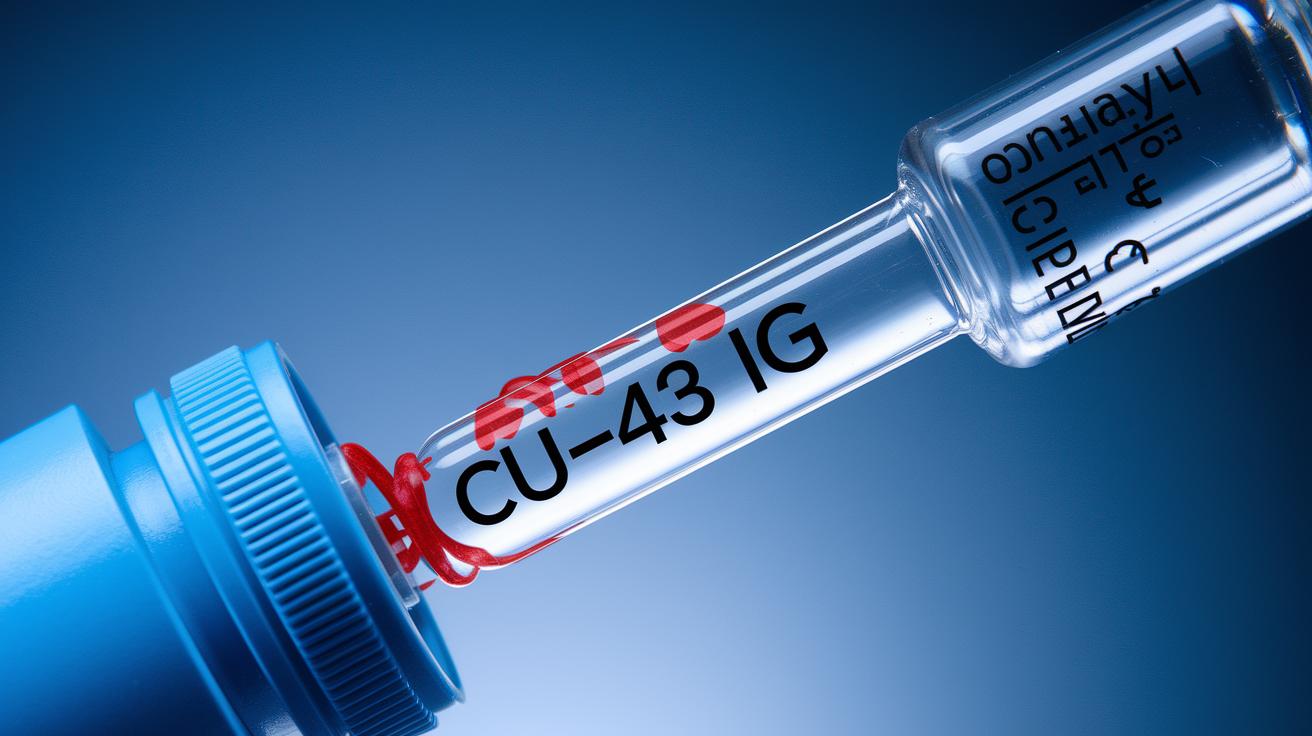
Scientists discovered an IgG-cleaving enzyme, CU43, in a Corynebacterium species that rapidly degrades immunoglobulin G. In mouse experiments CU43 treated IgG-mediated disorders, protecting animals from autoimmune hemolytic anemia and severe dengue, by removing pathogenic antibodies. In biochemical assays CU43's activity exceeded that of comparators by more than 4,000-fold, suggesting extreme potency. Before considering human use researchers must address safety, potential immune reactions to a bacterial enzyme, and delivery methods to achieve rapid, controlled IgG reduction. If engineered and validated, CU43 or derivatives could become powerful tools for acute antibody-driven emergencies where rapid antibody removal is clinically lifesaving.
Anti-IL-1beta antibody reduces cardiac fibrosis and improves heart function

Cardiac fibrosis, excess scarring in the heart, contributes to heart failure and currently lacks approved targeted treatments. A new preclinical study reports that blocking the inflammatory cytokine IL-1beta with a monoclonal antibody reduced fibrosis and improved cardiac function in a mouse model of heart disease. Reducing inflammation appears to limit fibrotic remodeling and bolster contractile performance. These promising results justify further studies to determine optimal dosing, treatment timing, and long-term effects, and to test safety in larger animals and humans. If replicated clinically, IL-1beta blockade could become the first disease-modifying therapy for fibrotic cardiac disease.
A surprising route to daptomycin resistance via rifaximin selection

A surprising pathway to antibiotic resistance has been uncovered: rifaximin, previously considered low-risk for selecting resistance, targets bacterial RNA polymerase. Mutations in the polymerase that prevent rifaximin binding also alter global transcription, activating a cryptic operon that remodels the bacterial cell membrane. The remodeled membrane confers resistance to daptomycin, a WHO 'last-resort' antibiotic, creating cross-resistance through an indirect route. This finding highlights how selection pressure from one drug can produce unexpected threats to others and emphasizes the need for vigilant resistance surveillance, careful stewardship of agents like rifaximin, and research into molecular pathways connecting distinct drug classes.
CHASERR deletions implicate long non-coding RNA in neurodevelopmental delay

Researchers linked de novo deletions of the CHASERR locus – a long non-coding RNA (lncRNA) – to neurodevelopmental delay in three unrelated patients. While protein-coding mutations explain many developmental disorders, this report highlights that loss of regulatory non-coding elements can also cause human disease. The CHASERR cases argue for broader attention to lncRNAs in unresolved neurodevelopmental disorders and for expanding genomic analyses beyond exons. Functional studies will be essential to establish how CHASERR loss perturbs gene networks during brain development. Clinicians and researchers should consider lncRNA disruptions when standard testing leaves families without a diagnosis.
Newborn genome sequencing finds actionable variants but raises implementation questions

An ambitious newborn sequencing pilot screened 4,000 infants for pathogenic variants in 237 genes linked to treatable pediatric conditions. Overall, 3.7% of babies had at least one actionable mutation; when G6PD deficiency was excluded the rate dropped to 0.6%. The panel included conditions like severe combined immunodeficiency (SCID), which can be life-saving to identify early because stem-cell transplant is curative if done promptly, yet some of these disorders are not part of standard newborn screening across all regions. The study shows genome screening can reveal early, treatable disease but raises questions about follow-up infrastructure, counseling, and cost-effectiveness for broad implementation.