
Evo is a generative AI for biology that was able to design a functioning CRISPR-Cas enzyme from scratch, predict gene essentiality across entire genomes, and even generate genome-length DNA sequences encoding a diverse set of proteins – although it couldn't yet produce a sequence capable of supporting life. Built to learn the rules of molecular biology, Evo combines generative modeling with functional prediction to propose novel enzymes, synthetic genes, and chassis for experimental follow-up. The implications are huge: faster enzyme discovery, systematic gene-function maps, and synthetic genomes. But the work raises questions about validation, reproducibility, and biosecurity; experimental confirmation remains essential.
Evo: Generative AI That Designs Biology From Scratch

Evo is a generative AI for biology that was able to design a functioning CRISPR-Cas enzyme from scratch, predict gene essentiality across entire genomes, and even generate genome-length DNA sequences encoding a diverse set of proteins – although it couldn't yet produce a sequence capable of supporting life. Built to learn the rules of molecular biology, Evo combines generative modeling with functional prediction to propose novel enzymes, synthetic genes, and chassis for experimental follow-up. The implications are huge: faster enzyme discovery, systematic gene-function maps, and synthetic genomes. But the work raises questions about validation, reproducibility, and biosecurity; experimental confirmation remains essential.
Skull Bone Marrow Sustains Blood Production in Old Mice
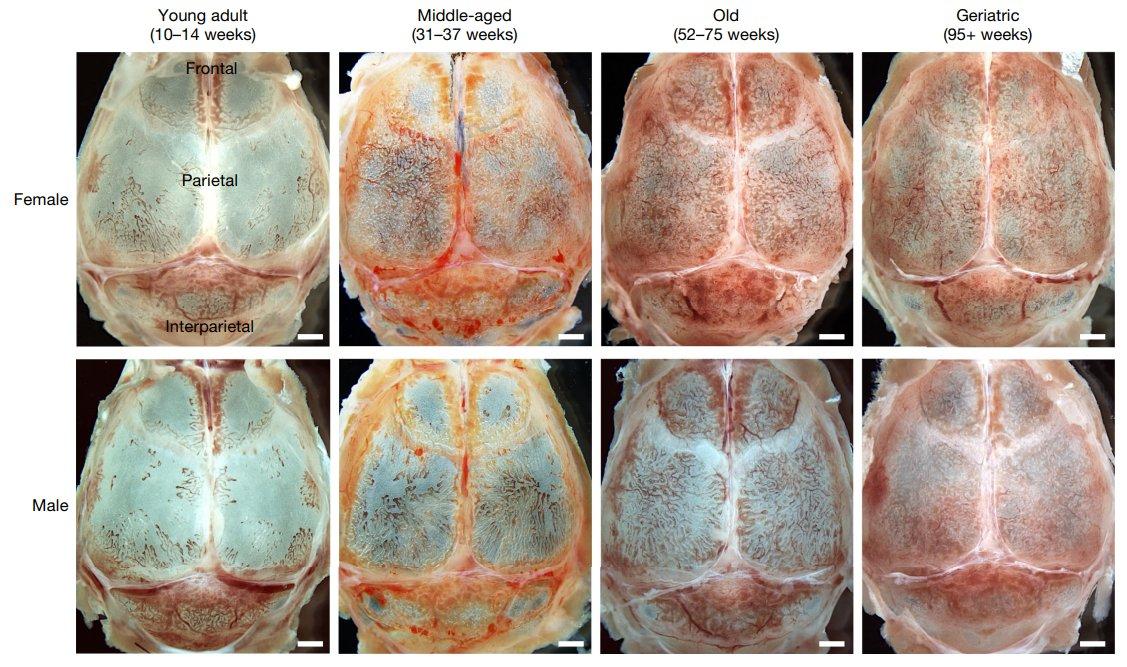
Most biological functions decline with age, but researchers found an intriguing exception in mice: haematopoiesis occurring in skull bone marrow. This local blood-cell production increases with age, is boosted by pregnancy, and ramps up after stroke, suggesting a specialized role supplying immune and blood cells to the aging brain. The study showed skull marrow contributes essential cells that help survival in old mice, pointing to unexpected anatomical niches for regeneration and immune modulation. If similar mechanisms exist in humans, targeting skull marrow could open new therapies to support recovery after brain injury or bolster immunity in older adults – but translation will require careful validation.
Tirzepatide Nearly Prevented Type 2 Diabetes in Obese Adults
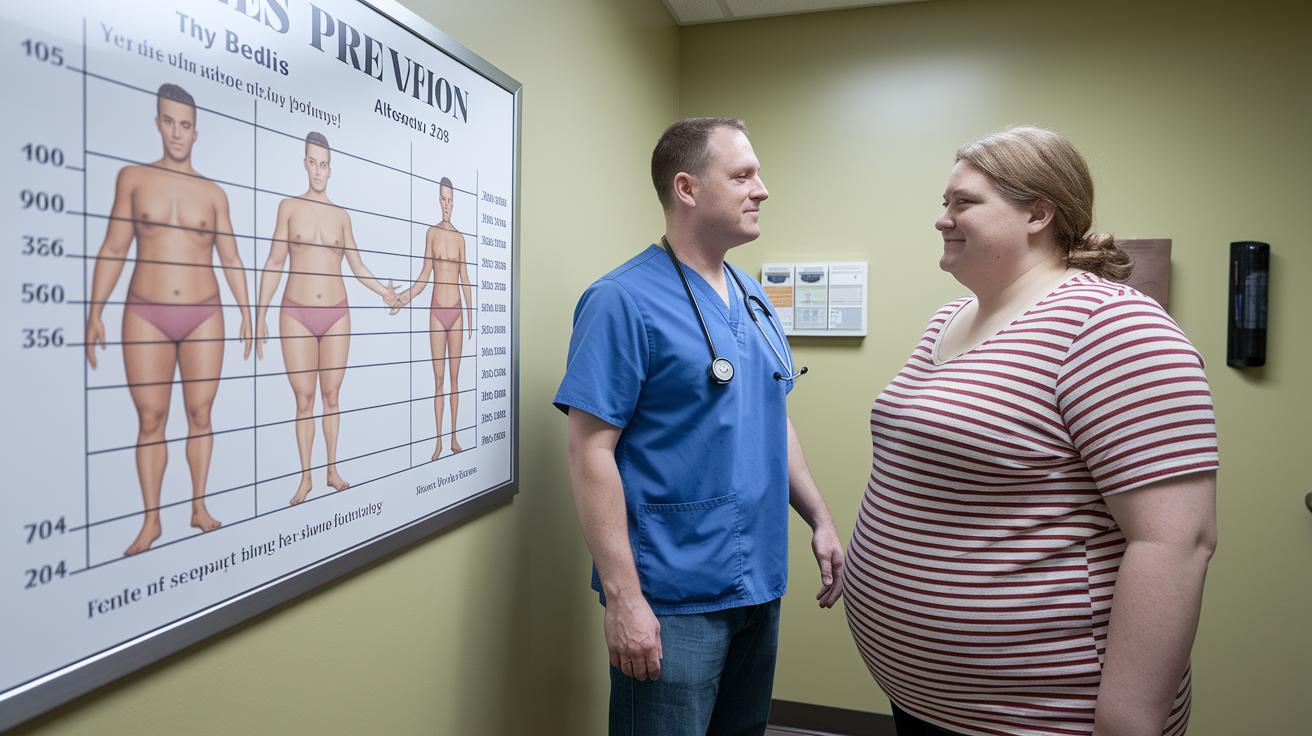
Diabetes remains a growing global problem, but a recent phase 3 trial delivered strikingly positive results: tirzepatide, a dual GIP/GLP-1 receptor agonist, prevented nearly all cases of type 2 diabetes when administered to obese adults. That's remarkable – a drug shifting from metabolic control to genuine disease prevention. At the same time, diabetes prevalence continues to rise worldwide, underscoring the scale of the challenge. Tirzepatide's effects likely combine powerful weight loss and improved insulin sensitivity, but long-term safety, affordability, and equitable access will determine public health impact. The result ignites debates about prevention strategies versus structural approaches to obesity and metabolic disease.
CAR-T Cells Show Dramatic Response in H3K27M Midline Glioma
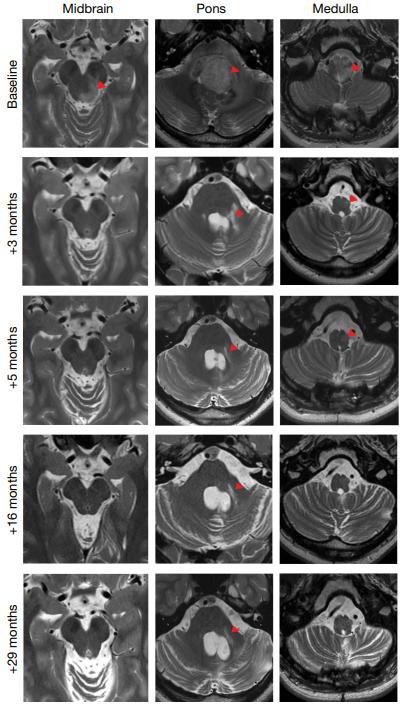
H3K27M-mutant diffuse midline gliomas are devastating brain tumours in children and young adults, with few effective treatments. A phase 1 trial tested CAR T cells delivered intravenously and directly into the brain – the safety profile was serious, with severe adverse events in some patients, yet one remarkable case showed complete (100%) tumour regression. This outcome highlights CAR-T's potential even against notoriously resistant central nervous system tumours, while underscoring high risk and variability. Early trials are designed to test safety and feasibility, so larger studies are needed to define who might benefit, how to manage toxicity, and whether responses can be durable and reproducible.
CD19 Antibody Reduces Flares in IgG4-Related Disease
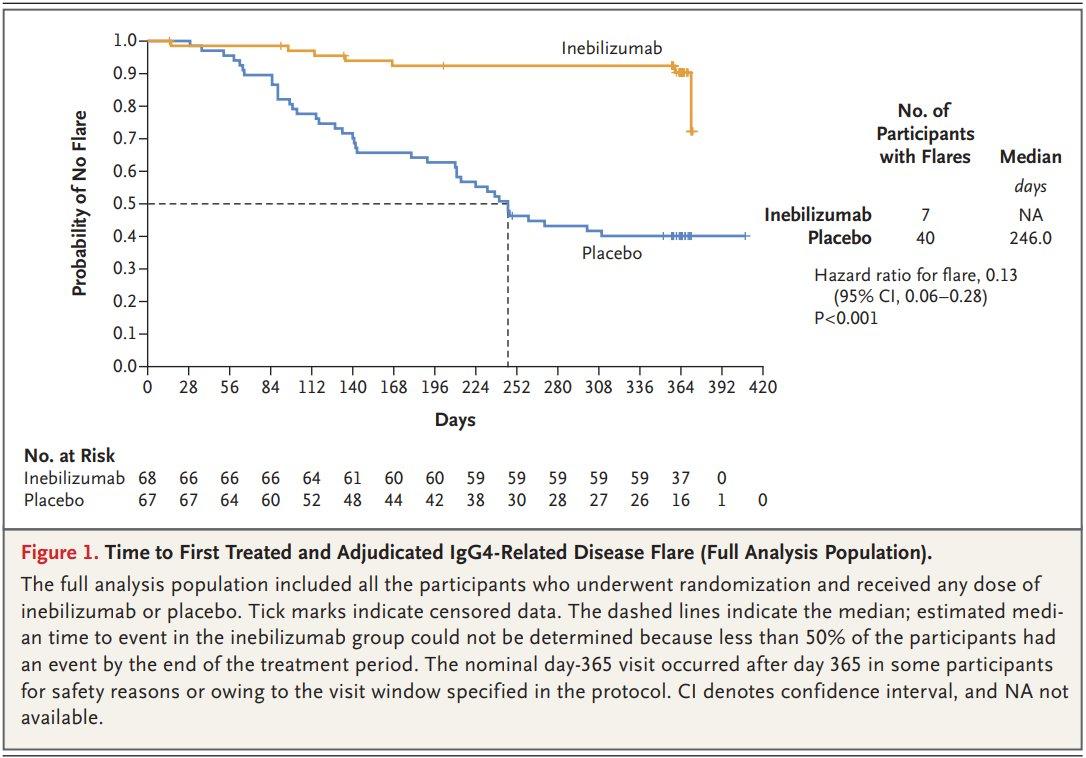
IgG4-related disease is an inflammatory condition that can affect multiple organs and has lacked approved targeted therapies. A phase 3 trial tested a CD19 monoclonal antibody designed to deplete B cells more deeply and durably than anti-CD20 agents; the treatment reduced IgG4 antibody production and lowered flare rates. For patients who previously relied on steroids and broad immunosuppression, a targeted CD19 strategy could mean better disease control and fewer long-term side effects. Key questions remain about safety, infection risk, and the optimal patient population, but this result brings hope for a new class of disease-modifying therapies in IgG4-RD.
Single-Dose CRISPR Lowers TTR in ATTR Cardiomyopathy

ATTR cardiomyopathy results from transthyretin (TTR) protein misfolding and amyloid deposition in the heart. A first-in-human phase 1 study tested a single-dose CRISPR therapy that knocks out TTR production in the liver, producing substantial reductions in circulating TTR and signs of symptomatic improvement for some patients. The idea of a one-shot gene-editing therapy to treat a systemic proteinopathy is transformative: unlike lifelong drugs, a single edit could provide durable benefit. But questions remain about off-target edits, long-term durability, immune responses to editing components, and how broadly the approach will apply beyond TTR disease.
RNA-Targeting CRISPR Screens Reveal Hundreds of Essential lncRNAs
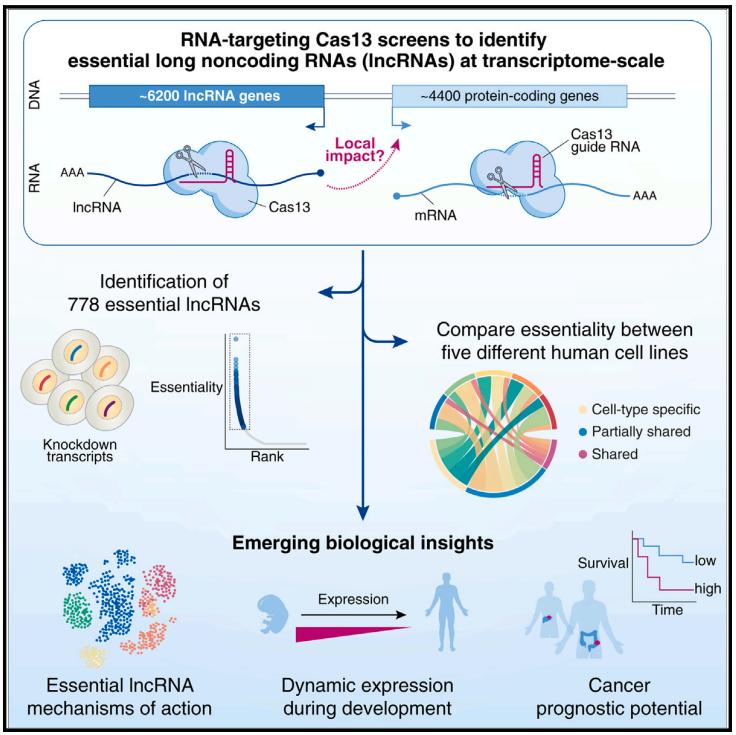
Large-scale RNA-targeting CRISPR screens uncovered 778 long non-coding RNAs (lncRNAs) that are essential in at least one cellular context. LncRNAs were long considered 'dark matter' of the genome, but these functional screens show many have context-specific roles in cell viability, proliferation, or stress responses. Some of these lncRNAs associate with poor survival in certain tumours, making them candidate biomarkers or therapeutic targets. Targeting noncoding RNAs is challenging but feasible: antisense oligonucleotides, small molecules, or RNA-targeted editors could modulate their function. The study expands our understanding of the noncoding genome and opens dozens of new research directions.
AI Detects Brain Tumour Margins in Under 10 Seconds
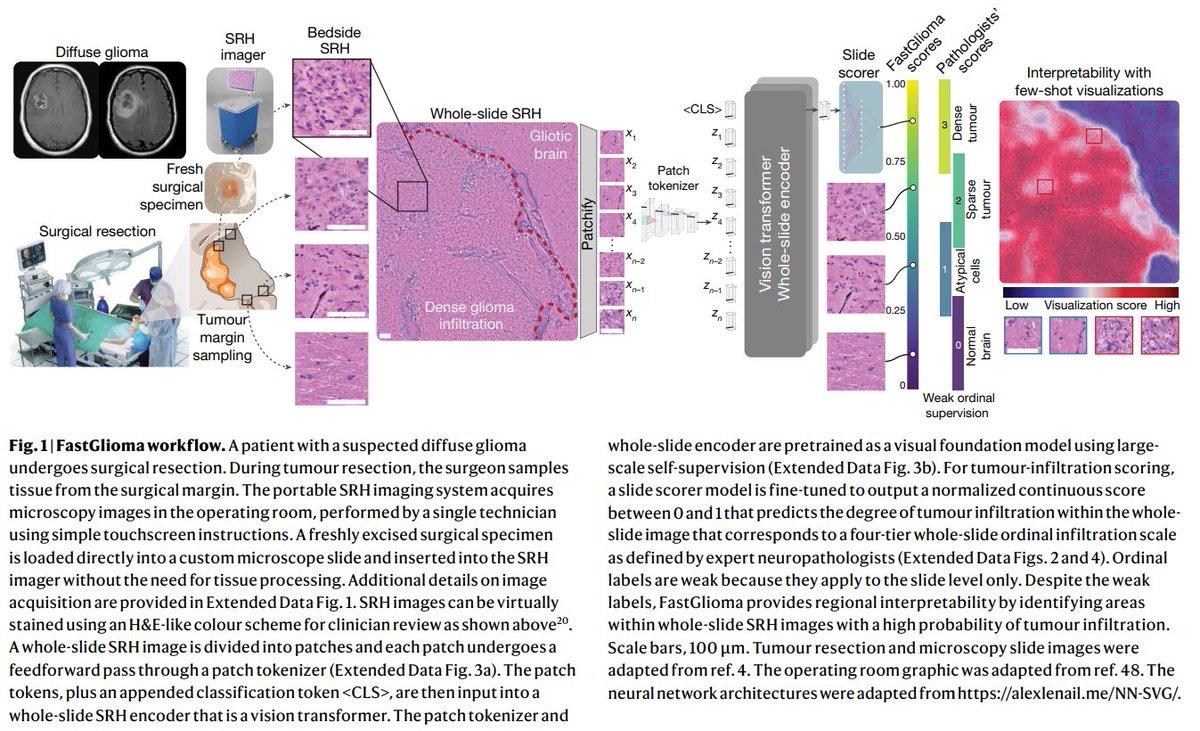
Complete surgical removal is a major determinant of survival for many brain tumour patients, yet identifying margins in operating rooms is hard. A new AI model analyzes unprocessed tissue and identifies tumour margins in under ten seconds, designed for intraoperative use so surgeons can remove more tumour safely. Rapid margin detection could reduce residual disease, lower recurrence, and improve outcomes. Practical hurdles include integrating the tool into surgical workflows, validating performance across tumour types and centers, and ensuring regulatory clearance. Still, an accurate, ultra-fast margin-detection system could be one of the most immediately impactful AI tools in neurosurgery.
Further Reading: Evo Study and Resources

If you want to dive deeper into Evo, the study authors have shared methods, data, and resources explaining model architecture, training datasets, and experimental validation. The supplementary materials discuss how Evo accelerates enzyme design, genome-scale function prediction, and sequence generation, and they note limitations around false positives, functional validation rates, and biosafety considerations. For scientists and bioengineers, the paper is a resource for methods and reproducibility; for ethicists and policymakers it's a starting point for framing governance and dual-use risk. Read the original preprint and supplementary files to evaluate claims and understand experimental follow-up needed to move models into practice.