Have you ever wondered if one program could change our climate challenges? Climate Corps trains 20,000 people to install solar panels, restore nature, and prepare for wild weather. Imagine neighborhoods switching to clean energy through work you can see and feel.
This effort not only creates eco-friendly jobs, but also teaches new skills to communities that once depended on fossil fuels. It's a fresh approach building a stronger, greener future.
Let's explore how this bold initiative is stirring real change for tomorrow.
Overview of Climate Corps Programs and Objectives
The American Climate Corps is a bold effort to train 20,000 people for jobs in climate and clean energy work. They learn practical skills like installing solar panels, restoring damaged nature (getting back to healthy ecosystems), and strengthening disaster readiness. Imagine an entire community transforming its energy future because 20,000 individuals now have hands-on skills to build a greener tomorrow.
The program makes sure that opportunities reach disadvantaged communities and areas that have long relied on fossil fuels. It follows Justice40 standards, focusing on fairness and environmental care. And with a hub-and-spoke system centered on AmeriCorps, applicants can sign up through a dedicated website that brings together resources from several federal agencies. This setup quickly links people with projects that truly make a difference.
One early piece of this initiative, known as Forest Corps, pays workers $15 per hour and provides benefits like housing, transportation, clothing, a living allowance, and health coverage. From clearing dangerous overgrowth to helping communities bounce back, these roles are funded by billions from the Inflation Reduction Act and other federal climate investments. It perfectly aligns with the Biden administration’s push for lasting economic and environmental change.
In short, the Climate Corps brings together strong funding, fair recruitment, and a practical plan to combat climate change. If you want to dive deeper into the topic, check out the "what is climate change" feature on buzzyandclever.com?p=180.
Navigating Climate Corps Application and Eligibility

The Climate Corps application process is made to be simple and easy to follow. You apply through a special online portal managed by AmeriCorps. Think of it like checking items off your grocery list: you log in, enter your personal details, show proof of U.S. citizenship or legal residency, and confirm you meet the minimum age requirement.
There are a few extra steps too. You need to pass background checks and, in some cases, share details about your academic or volunteer work. Deadlines can change with your state and the type of program, with most groups starting up in either the spring or fall. This blend of paid federal work and volunteer service gives you a chance to build skills while working on climate resilience and energy transition.
- Make sure you have all your documents ready.
- Keep an eye on the portal for any updates about deadlines.
- Check the fellowship guidelines if you’re thinking about a specialized role.
Following these steps will get you ready to join a program that combines sustainable work with a real impact in your community.
Benefits, Compensation, and Training for Climate Corps Members
If you’re curious about a career in climate action, programs like Forest Corps might be just the ticket. Entry-level members earn $15 per hour, and they also get living allowances, lodging, and health benefits. This solid support is made possible by federal funding from the Inflation Reduction Act, ensuring competitive wages in the clean energy field.
But it’s not just about the paycheck. The program offers real, on-the-job training that covers essential skills. You’ll learn about wildfire mitigation, dive into ecological restoration (helping nature bounce back), and engage in community outreach. Imagine working hands-on to prevent dangerous fires while connecting with local communities to promote sustainability. One member even mentioned how clearing overgrown brush opened up a whole new world of skills and confidence.
Summer environmental fellowships add an extra boost. These fellowships provide additional stipends and special seminars, so you can refine your skills in environmental fieldwork even further. It’s like getting a fast track to gaining more practical experience in clean energy and restoration work.
- Clear compensation: $15 per hour, plus lodging and living allowances.
- Extensive hands-on training in wildfire prevention, restoration, and outreach.
- Summer fellowships that offer extra stipends and skill-building seminars.
Climate Corps Impact: Case Studies and Community Projects
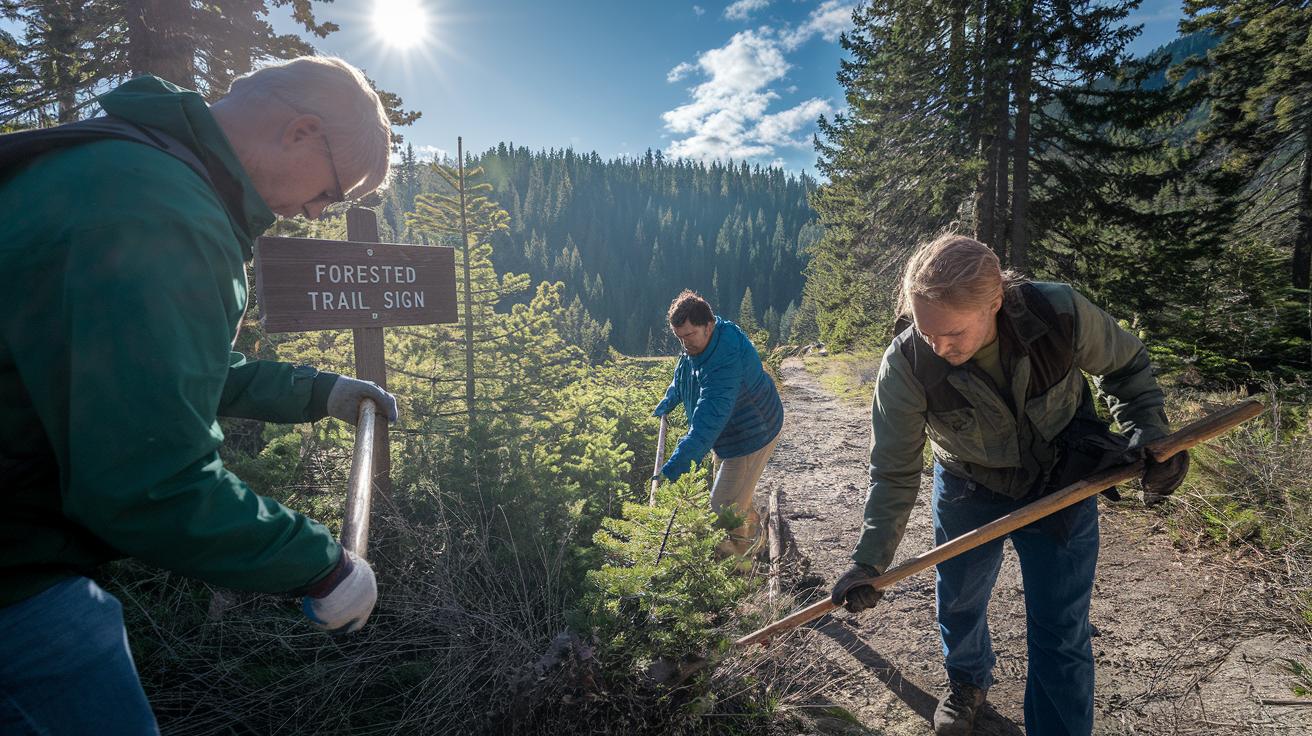
Forest Corps teams have shown us that when you focus on specific tasks, even small groups can create big changes. One crew, for example, got rid of manzanita shrubs (bushy plants that catch fire easily) that put wildfires at risk. Their hard work not only made the area safer but also saved the Forest Service months of extra labor. It’s amazing how a dedicated team can do in days what usually takes lots of professionals many months.
California Climate Action Corps fellows made a real difference too. They led workshops on wildfire safety and taught local communities easy ways to sort and reduce waste. By partnering with groups like California Volunteers and Bay Area Community Resources, they showed folks practical steps to keep homes and neighborhoods safe from fires and everyday waste problems. They reminded everyone that small actions, like proper recycling, can spark big changes in our environment.
In Washington, garden educators got creative with their surroundings. They turned buildings and empty concrete spaces into green, lively areas that feel almost like a breath of fresh air. Meanwhile, some teams worked on reducing the carbon footprint (the amount of harmful gases released) of large, old buildings. One storyteller put it simply: imagine transforming a drab office into a blooming garden oasis that breathes new life into its walls.
| Key Achievements |
|---|
| Forest Corps teams cleared dangerous vegetation to lower wildfire risk. |
| California fellows taught locals about wildfire safety and waste management. |
| Washington garden educators transformed urban spaces into vibrant green areas. |
| Teams worked hard to lower the carbon footprints of large buildings. |
Drawdown’s Neighborhood documentary series helped spread these inspiring efforts even further. The series featured a group from the San Francisco Bay Area led by Anna Oliva, highlighting neighborhood projects that together create a big impact in our fight against climate change. Stories like these remind us that community-driven work can build a brighter, greener future for all.
Career Pathways and Advancement through Climate Corps Service
Climate Corps service opens a world of green career opportunities whether you’re just beginning or looking to change fields. It’s like a launch pad into roles such as union apprenticeships, public sector sustainability jobs, and even mid-career transitions, from putting up solar panels to planning communities that are ready for unexpected challenges. Imagine stepping into a job where you learn new things every day, grow your skills, and get to chat with seasoned professionals who cheer you on.
You’ll also find fantastic mentorship opportunities. Picture a mentor who started out just like you and now leads projects, ready to share advice about solar energy, forestry (managing trees and lands), and resilience planning (getting communities ready for tough times). These mentor relationships often turn into entry-level jobs that help you get your foot in the door of the green job market.
There’s more, too. The program has a strong alumni network that helps with job placement and hosts networking events where you can connect with future teammates. And with regular professional development sessions and training, you stay competitive no matter your age or background.
- Pathways include union apprenticeships, public sector sustainability roles, and mid-career shifts.
- Mentorship links you with experts in solar energy, forestry, and resilience.
- Alumni networks offer job placement help and networking events.
- Diverse experiences and age groups open up chances for long-lasting careers.
By joining Climate Corps, you gain practical skills, valuable experience, and important connections that not only boost your career in sustainability but also help make the planet a healthier place.
State-Level Climate Corps and Collaborative Initiatives

Across the country, state-level Climate Corps programs are making real and measurable changes in our communities. Recently, five new states kicked off their own initiatives, bringing the total to ten. These projects are built with local needs in mind and rely on teamwork between community groups, city agencies, and private companies.
In California, the Climate Action Corps works hand in hand with groups like California Volunteers and Bay Area Community Resources to run fellowship programs. These fellowships focus on preventing wildfires and helping the community. Volunteers get hands-on experience protecting neighborhoods and natural areas. One volunteer shared, "I’ve seen firsthand how our work keeps communities safer and builds strong local ties."
In Maryland, the focus is on green volunteer projects that help the Chesapeake Bay. Local conservation groups lead cleanup activities that restore wetlands, clean waterways, and protect aquatic life. Volunteers have the chance to work directly on these projects, making long-lasting improvements for the environment.
Over in Chicago, the Green Workforce Project teams up with urban agencies to update older buildings and install solar panels. These projects not only boost building efficiency and lower energy use, but they also help create a cleaner urban area.
There is a strong spirit of teamwork in these efforts. Nonprofits, state agencies, and private companies are joining forces, pooling their skills and resources to set up local climate projects. Together, these partnerships build solutions that fit local needs and inspire bold eco-friendly actions.
- California fellowship programs focus on wildfire prevention and community outreach.
- Maryland projects support Chesapeake Bay conservation through local green volunteer work.
- Chicago initiatives retrofit buildings and integrate solar energy solutions.
Future Trends and Policy Updates in Climate Corps Service
Thanks to billions in federal funding from the Inflation Reduction Act, the Climate Corps is about to see some major changes. This new funding is sparking a boost in clean energy jobs and jump-starting projects that can get off the ground immediately. Six federal agencies are now joining forces to send Corps members to these ready projects, which means a smoother, team-based approach to public service.
The Justice40 guidelines are a big part of this effort. They help make sure that communities who haven’t always had the same chances are now being included in green job opportunities. Think of it as giving everyone a fair shot at a bright, sustainable future. There’s even talk of growing the Corps to over 20,000 members through careful planning and ongoing discussions about wages and benefits. That expansion could mean even more hands-on work to build a greener planet.
New ideas are also reshaping the program. Imagine integrating climate resilience data (information that shows how communities can cope with tough weather) into everyday work. Some positions might let members work remotely from various locations, and fresh ways to measure success are being introduced to clearly track the progress of each project.
| Key Points | Details |
|---|---|
| Federal Funding | Billions from the Inflation Reduction Act powering green jobs |
| Agency Coordination | Six federal agencies working together on projects |
| Justice40 Recruitment | Focused efforts to include historically underserved communities |
| Innovation and Growth | Expansion plans and new tech, like climate resilience data and remote work options |
Final Words
In the action, we reviewed how climate corps programs boost training in renewable energy and support local communities. The post covered the program’s structure, worker benefits, and inspiring community projects that have helped lower risks and create greener jobs.
Every climate corps role offers a real chance for personal growth and opens doors to practical career paths. It’s uplifting to see science and community efforts come together for a cleaner, safer tomorrow.
FAQ
What are Climate Corps?
The Climate Corps trains and employs people in clean energy and environmental jobs. The program offers hands-on work in areas like solar installation and wildfire prevention while building essential job skills.
What are Climate Corps jobs and internships?
Climate Corps jobs and internships provide opportunities to work on clean energy projects, community resilience, and ecological restoration. Participants gain practical experience, benefit from on-the-job training, and receive supportive compensation.
What is the American Climate Corps?
The American Climate Corps is a federal initiative that coordinates job training and placement in climate and clean energy roles. It connects applicants with local projects while promoting environmental justice.
What is the Climate Corps 2025 initiative?
The Climate Corps 2025 initiative aims to expand clean energy jobs and climate resilience training for up to 20,000 participants. The program focuses on equitable access and practical community projects.
What is the EDF Climate Corps fellowship 2025?
The EDF Climate Corps fellowship 2025 offers specialized experiences for those interested in environmental projects. Fellows work on advancing clean energy solutions while receiving expert mentorship and support.
Where can I find more information on the American Climate Corps?
More details about the American Climate Corps, including eligibility, application steps, and deadlines, are available on its official website, which serves as the main portal for prospective applicants.
What insights are shared on Climate Corps Reddit?
Climate Corps Reddit features community discussions where members talk about their program experiences, share tips on applications, and offer support on topics related to climate service and sustainable projects.
How are Climate Corps and EDF related?
Climate Corps and EDF collaborate on fellowship opportunities that engage participants in environmental projects. This partnership supports clean energy initiatives and practical climate solutions through combined expertise.
How much do you get paid in the Climate Corps?
Participants in programs like Forest Corps receive about $15 per hour along with living allowances, lodging, transportation, and health benefits. This pay structure is designed to support hands-on work in the field.
What happened to the Climate Corps?
The Climate Corps has evolved and expanded through new federal funding and program enhancements. It now offers additional training and job opportunities to meet the growing demand for climate resilience work.
What percentage of Republicans don’t believe in climate change?
Research shows that a significant number of Republicans express doubt about climate change, with surveys indicating that over half may be skeptical. The exact percentage can vary by study and region.