
Have you ever thought that surgery could work as perfectly as putting together a puzzle? Imagine a little guide made just for you, designed to match your bones exactly. New 3D printed guides for bone surgery are changing the way operations are done, giving surgeons a clear path for every cut and placement. This means doctors can work off a detailed plan that helps avoid surprises and helps you get better faster. Quickly made with advanced printing, these guides could lead to smoother, more accurate surgeries that may really change how patients are cared for.
Breakthrough patient-specific 3D printed surgical guides transforming orthopedic precision
These new guides are changing the game in orthopedic surgery. They are custom-made for each patient so that every cut and implant fits exactly as planned. Hospitals, clinics, and research labs are using them to lower surprises during surgery and create a more stable approach to complex operations.
Each guide is like a perfectly matched puzzle piece for your bones. Surgeons get a clear plan, imagine following a very detailed map that shows exactly where to cut. This careful match-up means fewer mistakes and helps patients recover faster.
Even better, these guides are made quickly with advanced 3D printing techniques that produce them in just a few hours instead of waiting for days. This speed keeps the surgery room running smoothly and lets doctors respond fast to patient needs. With pinpoint accuracy, each guide helps place implants exactly where they belong, reducing risks during surgery.
The process brings together the latest design software, detailed imaging, and safe, cleanable materials. Every part works together to produce a guide that fits a patient’s unique body perfectly, leading to higher success rates and better overall results.
Digital design and additive manufacturing processes for patient-specific surgical guides
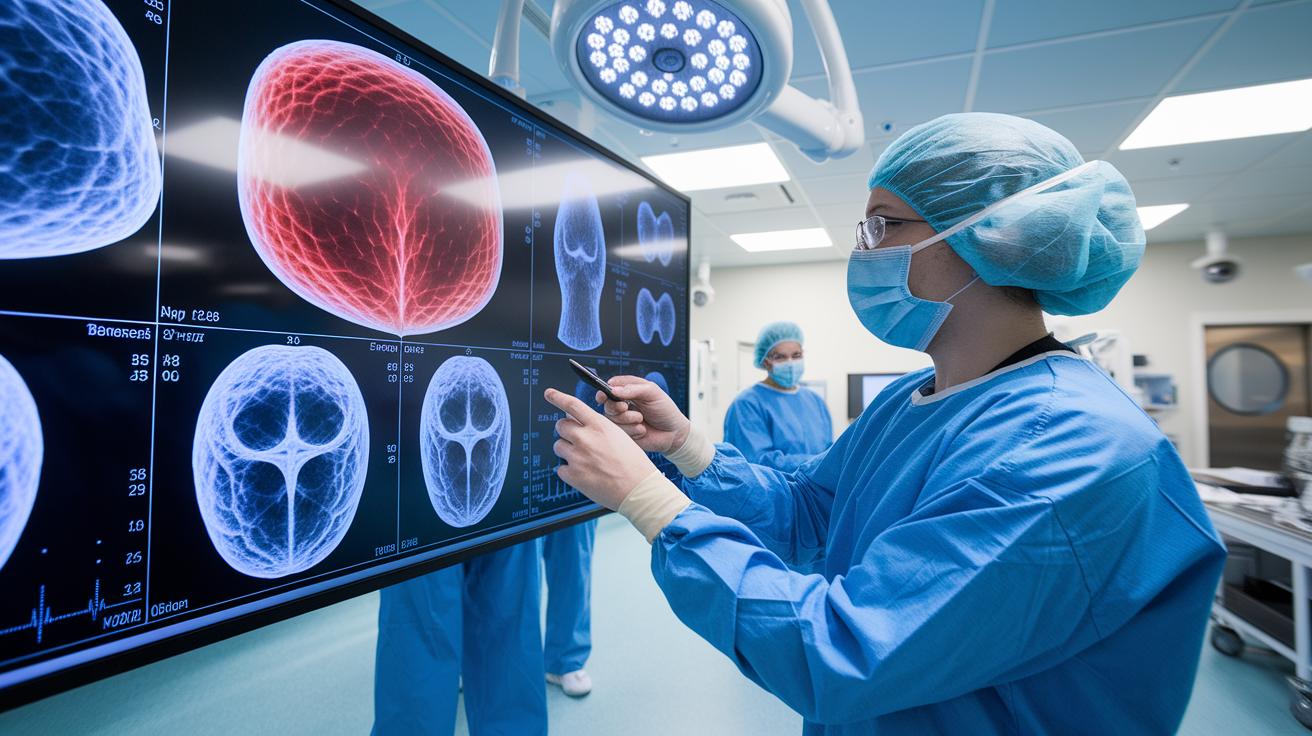
Doctors start with high-resolution CT and MRI scans that create detailed 3D images of a patient’s body. These scans capture every bit of the bone structure and joint alignment, turning them into a digital blueprint, a custom map that guides each surgical cut and screw placement.
Once the digital model is ready, tools like computer-aided design (CAD, fancy drawing software) and AI (smart computer tools) step in. They refine the guide’s shape and plan the best paths for screws, ensuring every angle and curve fits the patient perfectly. Did you know advanced AI can even adjust the design in real time to match tiny details in anatomy?
Next, the design becomes real through layer-by-layer printing. This method uses safe, sterilizable plastics that are built up one layer at a time. Even cooler, some printers use both hard and flexible materials so the guide stays sturdy yet adapts easily during surgery.
The process of point-of-care printing is a game changer. What used to take days now takes just a few hours, giving surgeons a reliable, patient-specific guide right when they need it. This fast turnaround boosts the surgical team’s confidence and reduces risks.
By merging digital design with quick 3D printing, surgeons can plan every step with amazing clarity. This streamlined process results in a custom guide that fits perfectly, even in the most complex procedures.
Material innovations and imaging integration in patient-specific orthopedic guides
High-resolution CT and MRI images are fed into planning software that uses AI to simulate the perfect bone-cutting angles (osteotomy trajectories) before printing even starts. This digital design process mixes biocompatible polymers (materials safe for the body) and sterilizable resins with advanced multi-material printing techniques.
For instance, by combining sturdy support structures with flexible alignment tabs, these guides offer a secure grip while fitting perfectly, almost like pairing the solid firmness of a steel beam with the gentle give of a spring.
The simulation of the cutting paths adds a level of precision to the workflow, and the innovative materials ensure each guide is both safe for use and easy to clean. Surgeons receive these tailor-made cutting templates designed to match the unique shape of each patient’s bones, providing the precision needed for the best surgical outcomes.
Clinical outcomes of patient-specific 3D printed surgical guides in orthopedic procedures
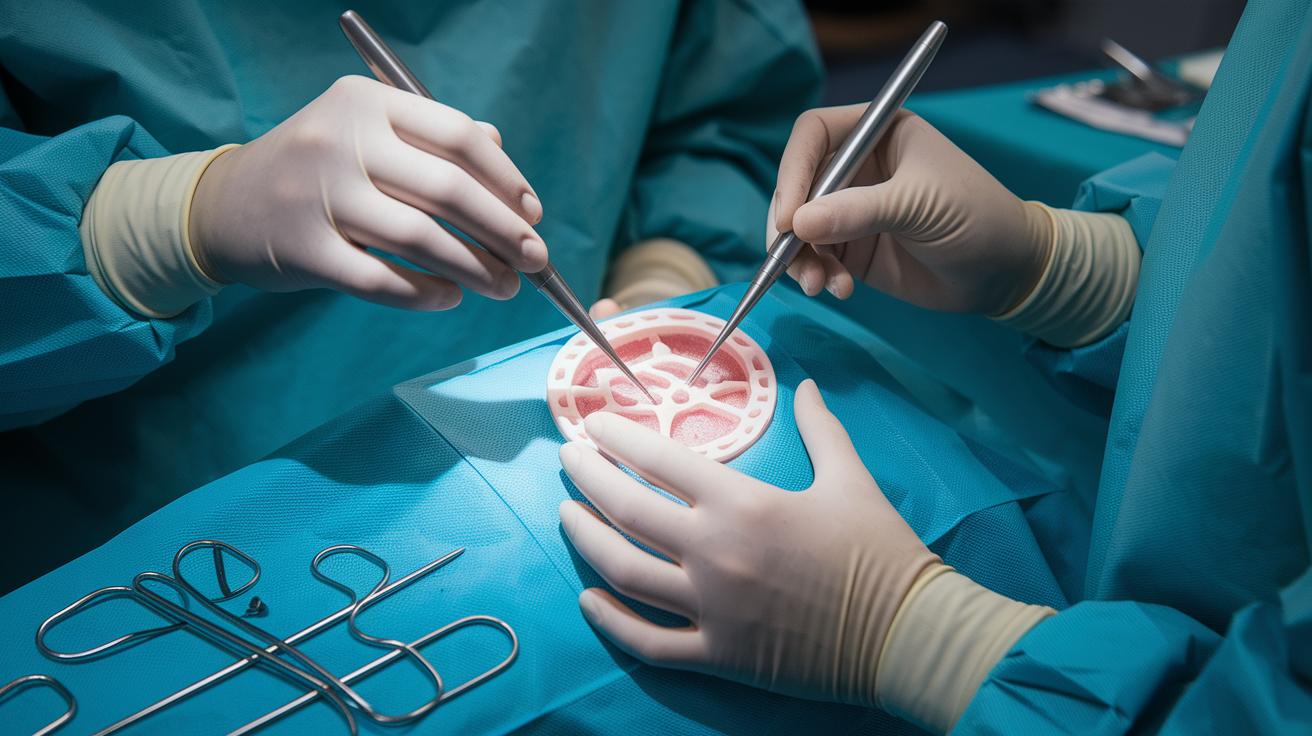
Custom-made surgical guides built with 3D printing are really making a difference in bone surgeries. For example, when doctors use these guides for a procedure called medial opening wedge high tibial osteotomy, they don’t need to rely on as many X-rays during surgery. This means less radiation and a safer, more precise plan, kind of like having a built-in GPS for aligning bones perfectly. One surgeon even said it feels exactly like that!
In a study with donated bodies used for research, doctors tried these guides during a shoulder replacement surgery. The guides helped them place the pin at exactly 0° version and 0° inclination, which means there was no extra tilting. They planned everything with smart simulation tools before starting the surgery, and that careful planning made it easier and more controlled during the operation.
Custom guides for cutting and realigning the collarbone have also shown strong results, especially in tricky cases like malunion and nonunion (when bones don’t heal right). In one detailed case, a patient recovered better after doctors used a personalized 3D printed guide for the surgery. This plan reduced further complications and created a solid structure for the bone to mend properly.
A study done on pigs with fractured thigh and shin bones backs up these successes. In those tests, the guides helped reduce the risk of bones healing in the wrong position by 40–50%. Surgeons appreciated how the guide provided a predictable way to line up the bones without the guesswork that sometimes comes with manual adjustments.
- Medial opening wedge high tibial osteotomy guides cut out the need for extra X-rays.
- The shoulder replacement guides help place pins exactly where they should be.
- Custom collarbone guides support better healing in cases where bones haven’t fused properly.
- Studies on pigs show a 40–50% reduction in the risk of misaligned bone healing.
Comparing patient-specific 3D printed guides versus traditional surgical methods
3D printed surgical guides made just for each patient are changing the way doctors plan and perform tricky surgeries. With older tools, surgeons often have to make extra adjustments during the operation, which can lead to delays and uncertainty. But when the guide is built specifically for a patient, using advanced digital printing that creates a tailor-made plan, the setup can be cut by nearly 30%. This means the entire process is smoother, and surprises in the operating room are kept to a minimum.
Doctors using these custom guides also need to take about half the number of X-rays during surgery compared to traditional methods. Lower radiation not only keeps patients safer but also gives surgeons more confidence when they place implants. Better alignment of bones means the body fits back together naturally, reducing the need for repeat operations. Surgeons have noticed several benefits:
- Setup time reduced by almost 30%
- Intraoperative X-rays decreased by about 50%
- Improved bone alignment leading to fewer follow-up surgeries
- More streamlined procedures with clear, advanced planning techniques
Market trends and future outlook for patient-specific 3D printed surgical guides in orthopedics
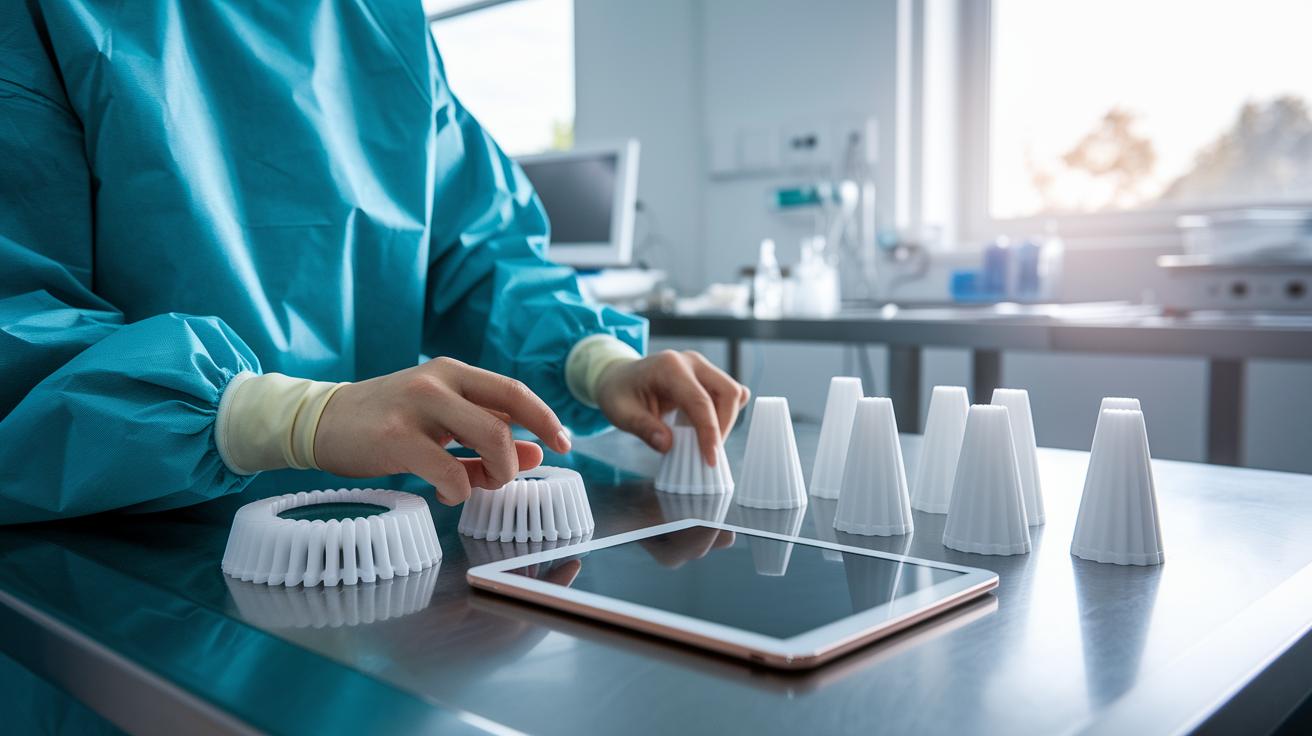
Looking ahead to 2025–2032, the use of custom-made 3D printed surgical guides (tools created layer by layer using specialized printers) is expected to grow a lot. More seniors dealing with arthritis, broken bones, and deformities are driving this trend. As surgeries become less invasive, these tailor-made guides prove increasingly useful. Surgeons enjoy the personalized navigation they offer, which helps cut surprises during operations and shortens the overall procedure time.
Modern technology is really pushing this market forward. New digital planning systems and smart AI software (software that learns and makes decisions) now let us efficiently craft custom guides. With rapid additive manufacturing (another term for 3D printing), these guides can be made in just a few hours. This speed boosts efficiency in busy hospitals and leaves both surgeons and patients feeling more confident and satisfied.
Today, North America and Europe lead the pack, but regions like Asia-Pacific and Latin America are quickly catching up. From well-known medical device companies to nimble local startups, many innovators are working to refine digital planning, choose better materials, and meet strict safety standards. Imagine a surgical guide made just for your unique bone structure, its creation as quick and simple as putting together your favorite sandwich!
Minimally invasive techniques, lower production costs, and even integration with robotics (machines that assist doctors) are all factors fueling rapid annual growth. Investing in these technologies means orthopedic surgeries can be more efficient, safe, and personalized, ensuring that precision medicine keeps advancing at an exciting pace.
Final Words
In the action of exploring this topic, we saw how patient-specific 3D printed guides offer clearer surgical plans, quicker recovery, and reduced risks. The blog walked through innovative digital design methods and advanced material choices that boost outcomes in tough cases. It also compared these guides with traditional methods and highlighted market trends driving growth. This breakthrough patient-specific 3D printed surgical guides in orthopedic surgery pave the way for better precision and care. The future is bright with smarter, safer, and more personalized approaches on the horizon.