
Have you ever thought that smart computers might save lives in far-away places? Recent breakthroughs in AI (artificial intelligence, which means machines that can learn and think a bit like us) are now spotting tropical diseases in under an hour. By checking blood samples closely, this clever system lets doctors quickly step in to treat infections. In parts of the world where older tests take days, this new method could really change the game. Today, we're looking at how technology is turning fast diagnosis into a key tool for better care in remote communities.
How breakthrough AI diagnostics transform rapid detection of tropical diseases
A new AI tool now detects tropical diseases in less than an hour. It carefully analyzes blood samples using smart computing to spot specific antigens linked to schistosomiasis (a parasitic illness affecting over 200 million people and causing about 280,000 deaths each year). Tests in very different regions have shown that these infection signs stay consistent, proving the method works well for various groups. This fresh approach is a big win over older lab tests that can take days for results.
Another cool example comes from a system developed by Hospital Israelita Albert Einstein and Fundação de Medicina Tropical. This AI tool finds cutaneous leishmaniasis (a disease that causes skin sores) using cellphones, even without an internet connection. That means in remote parts of the Amazon, doctors can quickly get results and make fast decisions that save lives. Did you know that in some Amazon clinics, a cellphone-based AI system cuts patient wait times dramatically?
This breakthrough not only speeds up diagnosis but might also help lower costs by pinpointing the key markers of infection stages. With results coming in under an hour, doctors can begin treatment sooner, which helps stop the disease from worsening and leads to better outcomes. In truth, this innovative AI approach is a huge leap forward in fighting tropical diseases and making healthcare more accessible worldwide.
AI-powered pathogen identification in tropical disease diagnostics
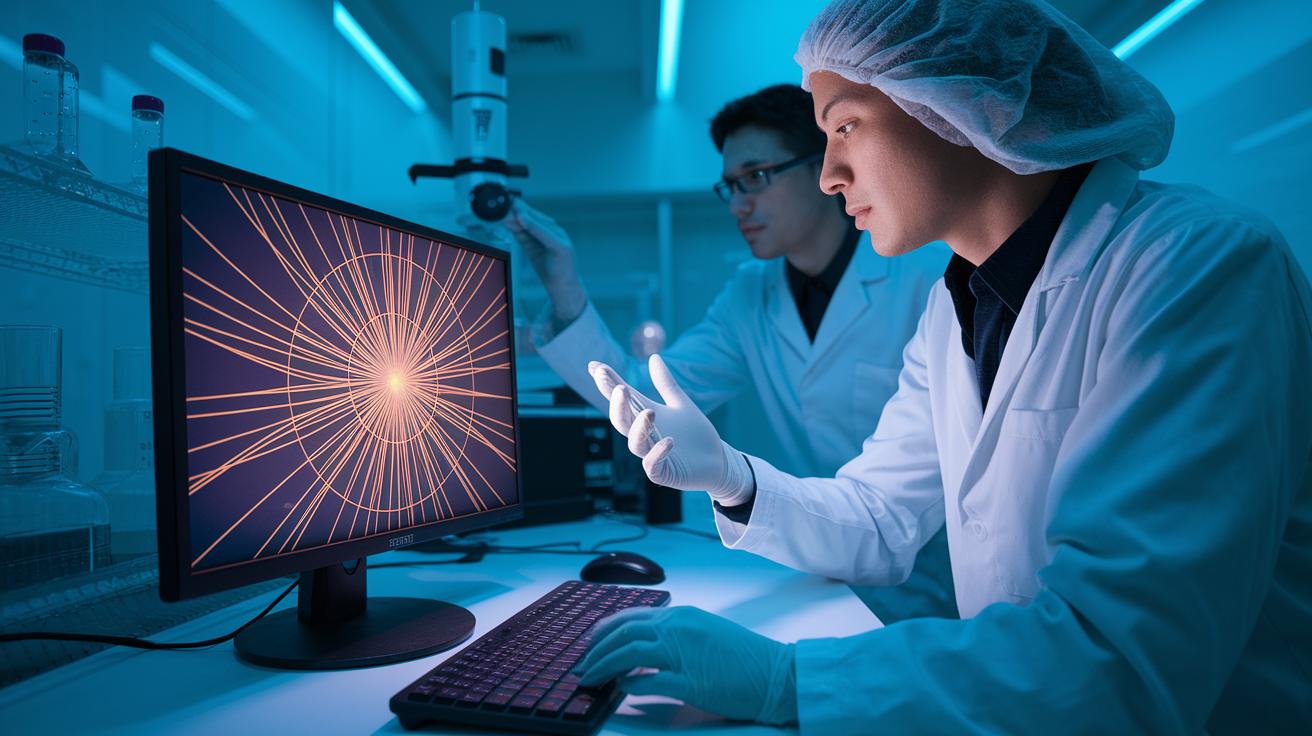
A new method for spotting tropical diseases uses deep learning and smart computer systems. Researchers train convolutional neural networks (computer programs that learn by example) on huge sets of antigen and antibody data. These innovative algorithms can recognize signs of parasitic worm infections with more than 90% accuracy. Imagine a tool that quickly picks out tiny protein patterns, acting like a mini detective scanning hundreds of samples to catch clues that might otherwise slip by.
Next, model compression and edge-computing techniques come into play. In simple terms, scientists shrink down the algorithms so they can run on portable devices without needing a constant internet connection. This means even in remote areas where traditional labs aren’t available, doctors can get vital information on the spot, like having a high-powered microscope in your pocket.
The process of computational biomarker discovery further boosts the tool’s accuracy. Instead of just relying on conventional lab tests, these smart algorithms find new biological markers (little signals in your body that show how far an infection has progressed) to pinpoint the stage of illness. This detail not only makes the diagnosis more precise but also speeds up treatment, which is critical when tropical diseases can quickly overwhelm fragile communities.
Unlike AI-driven drug discovery that focuses on creating new treatments, this approach zeroes in on rapid pathogen detection. By emphasizing immediate diagnosis and quick action, it ensures that the right care reaches those who need it most, right when every moment counts.
Clinical performance and efficacy of AI diagnostics for tropical infections
A recent multi-center trial used 1,200 patient samples from Brazil and Africa to test a new AI diagnostic tool for tropical infections. Researchers compared this tool with traditional methods like microscopy and PCR (a test to detect genetic material). For schistosomiasis, the AI test correctly spotted 95% of infections. In simple terms, out of 100 people with the infection, 95 were correctly identified, while traditional microscopy only caught 80.
The AI diagnostic also proved to be more precise. It accurately ruled out infections in 92% of healthy individuals, compared to 85% using standard tests. And here’s something cool: when detecting cutaneous leishmaniasis, the offline AI tool hit a 93% accuracy, matching PCR, but it delivered results in less than 30 minutes instead of waiting 48–72 hours.
| Metric | AI Diagnostic | Traditional Method |
|---|---|---|
| Sensitivity | 95% | 80% |
| Specificity | 92% | 85% |
| Turnaround Time | 30 min | 48–72 h |
The AI method also showed an impressive ROC AUC of 0.97 (a score showing how well a test can separate healthy and sick patients). This means doctors can make faster and more accurate treatment decisions, which helps improve patient care. With results available almost instantly, health workers can start treatment sooner, helping to limit the spread and impact of these tropical infections.
Deploying rapid AI detection tools in remote tropical settings
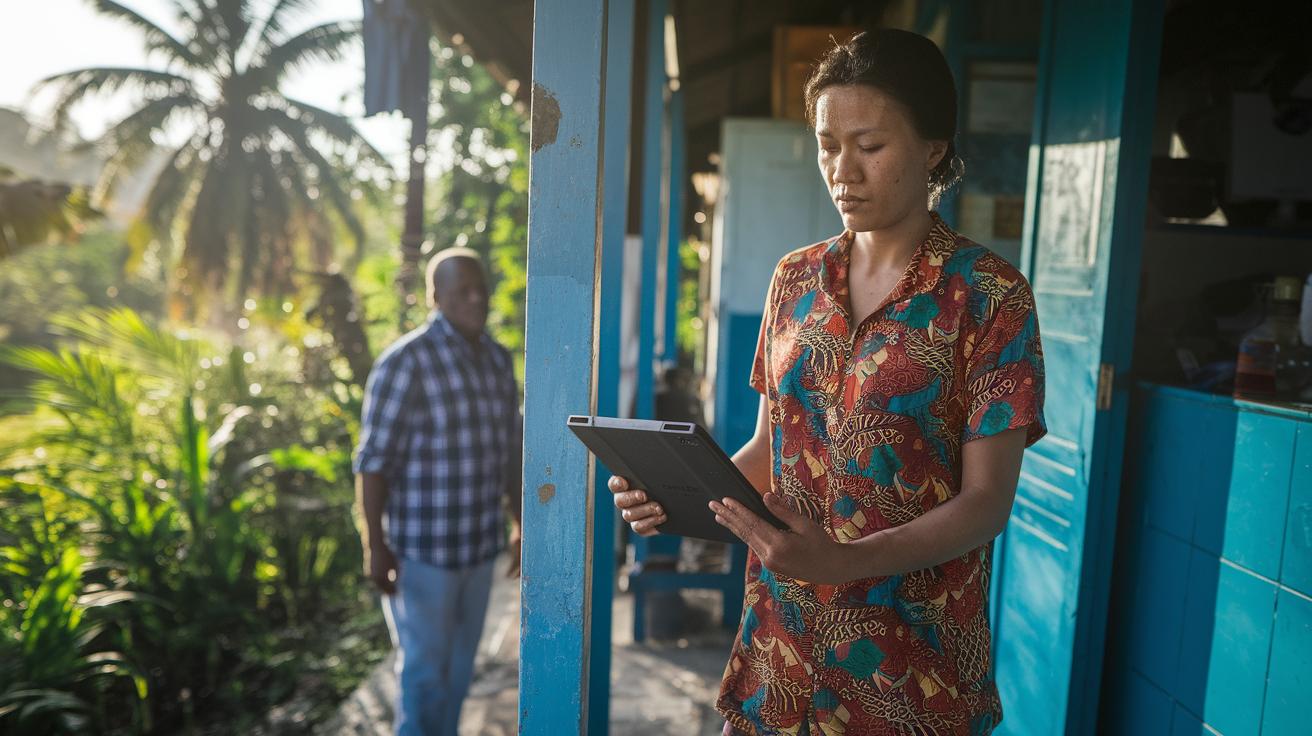
In far-off tropical areas, offline AI tools are changing patient care. In 50 small Amazon clinics, an Android app that works without the internet now checks for cutaneous leishmaniasis (a skin disease) in about 2 minutes per sample. Backed by IDB Invest and Spain’s government, this tool gives local health workers a handy way to detect diseases on the spot.
Over in Africa, pilot projects are trying out solar-powered kits in schools to screen for schistosomiasis (an illness caused by parasites). Local health workers, trained to use these systems, collect samples and later sync data to the cloud when a connection is available. This method allows doctors to keep an eye on infections in real time and offers a clever fix for areas with limited infrastructure.
Key parts for setting up these quick detection tools include:
- A smartphone or similar device loaded with an AI model
- Power sources like solar panels or batteries for off-grid work
- Training programs for local health workers
- Kits for collecting and preparing samples
- Safe ways to sync data once there is internet
People love these tools for how easy they are to use and how fast they work. Getting results quickly means patients can start treatment sooner, which is crucial where regular lab facilities are scarce. It's a clear example of how smart technology and innovative power solutions can bring high-tech diagnostics to even the most remote parts of the world.
Regulatory landscape and global partnerships for AI tropical disease diagnostics
The approval process for AI tropical diagnostics is moving fast. In 2024, the schistosomiasis AI test earned its CE mark, which tells everyone that it works well. It’s also being reviewed by the WHO (the World Health Organization) to check if it meets global standards for tropical health. This progress gives us clear hints about how to bring these automated tests into everyday healthcare while also pushing research on new germs.
International teamwork is a big part of this progress. Hospital Israelita Albert Einstein and Fundação de Medicina Tropical are partnering with IDB Invest and Spain’s government to boost the development and use of this tool. These groups are not only offering money but also sharing their expertise. They are working hard to get the regulatory approvals ready for countries like Nigeria, Kenya, and Brazil by the third quarter of 2026. At the same time, PAHO (the Pan American Health Organization) is focusing on ethical guidelines to make sure the tests keep patients safe and maintain high standards.
These strong global partnerships and clear policies make it possible for AI-driven tests to become a quick and reliable tool in the fight against tropical diseases around the world.
Future research and emerging innovations in AI-driven tropical disease detection
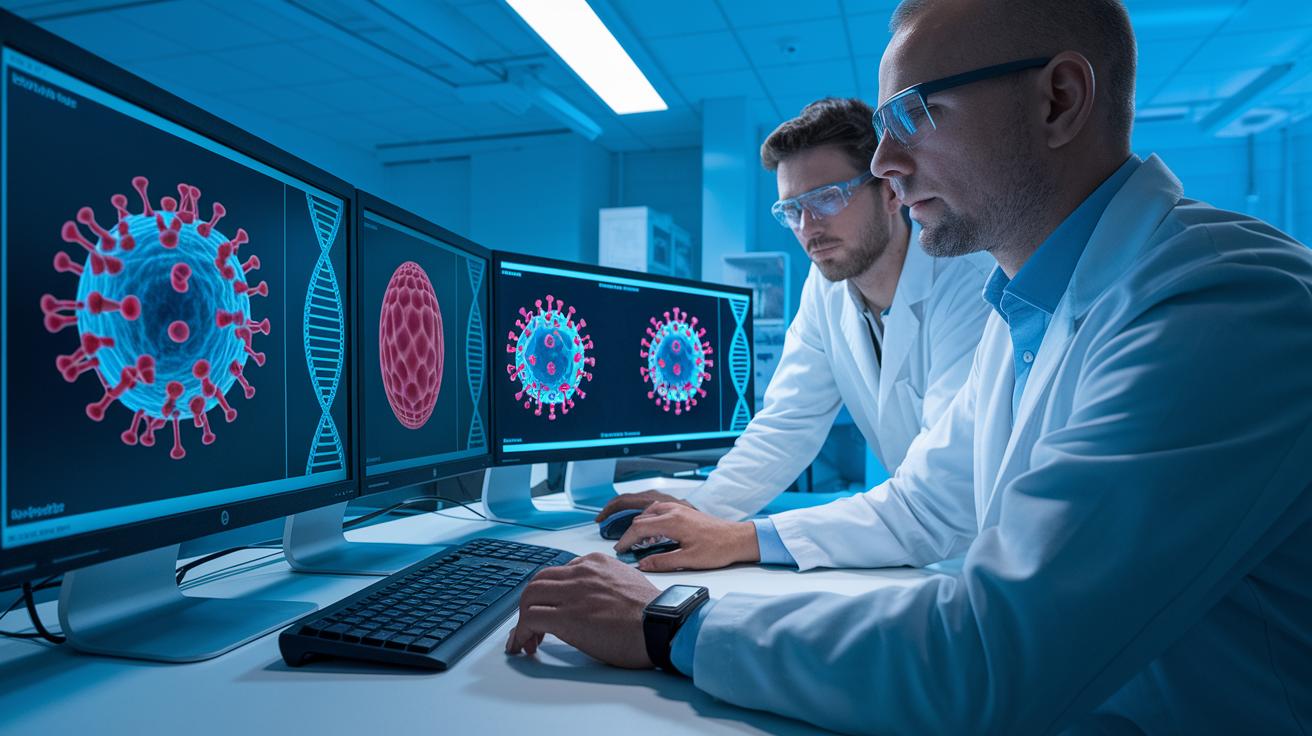
Scientists are working on smart AI tools to spot illnesses like Zika and dengue by looking at images and genetic data (the body’s unique code). These new methods involve deep learning (a type of computer learning that picks up tiny signals) to find even the smallest clues hidden in pictures and genes.
Next, imagine a little wearable sensor, a device you might wear like a watch, that acts almost like your personal health radar by tracking tiny changes in your body. Studies on these gadgets are showing promising results and may soon help catch infections early.
There’s also a growing push to use something called federated learning. This means different medical systems can share useful insights without ever exposing patient information, keeping everyone’s data safe. At the same time, researchers are testing multiplex assays, which could let doctors check for several tropical diseases with just one test. This would save time, money, and a lot of effort.
Finally, new tools for predicting disease outbreaks are in the works. By using environmental and health information, scientists hope to pinpoint areas where outbreaks might happen next. With better screening techniques and deep learning insights, these innovations promise to make disease detection faster and smarter, especially in tropical regions.
Final Words
In the action of breakthrough AI diagnostics for rapid detection of tropical diseases, the latest studies show how smart tests shorten waiting times dramatically. AI models now achieve high accuracy using blood profiles and offline mobile tools in remote settings. Real-world field trials highlight a simplified, cost-effective approach to screening that replaces time-consuming lab tests. This promising innovation marks a positive step toward safer and faster healthcare solutions, while future research may push these early successes even further.

