
Have you ever wondered if something so small might signal big health problems? Recent discoveries in epigenetics (the study of how tiny changes affect our genes without changing the actual DNA) are changing the way we understand our cells.
Scientists have found that simple chemical tags on our DNA can show whether a gene is on or off. These tags might point to risks for issues like heart disease and cancer. This fresh research challenges old ideas about predicting and treating diseases.
In this post, we dive into how these insights are deepening our understanding of health and opening up new paths for treatments.
Transformative Breakthrough Insights in Epigenetics Research
Recent studies reveal that tiny chemical tags on our DNA, which aren’t part of the gene code, can help predict the risk of diseases. These markers show which genes are turned on or off, giving us new ways to understand someone's likelihood of developing a condition. By mixing this new knowledge with our genetic data, scientists are rethinking how we prevent and treat illnesses. It’s amazing how small changes in our cells can influence problems like heart disease, metabolism issues, and various cancers.
Researchers have also made great progress in finding targets for future treatments. They discovered that changes in certain cell proteins, like those that help shape our DNA structure, show up in over 20 percent of cancers. With high-tech methods such as ChIP-seq (a tool that maps out which parts of the DNA are active), doctors can now examine prostate tumor cells in great detail. The excitement is real, especially since new drugs like azacitidine have been approved to help block enzymes and bring gene activity back to normal.
- Improved disease-risk prediction with these chemical markers
- Mapping hormone receptor spots for about 1,000 genes that respond to estrogen and androgen
- Finding changes in the BAF protein complex in more than 20 percent of cancers
- Using advanced ChIP-seq to study histone marks in prostate cancer
- FDA approval of azacitidine along with three more epigenetic drugs
These breakthroughs open the door to more detailed studies on how we can map and adjust these changes in our cells. Next, we’ll take a closer look at the methods behind these discoveries, setting the stage for creative treatment ideas and better ways to diagnose diseases.
Advanced Gene Regulation: DNA Methylation Dynamics & Histone Modification Profiling

DNA Methylation Dynamics
Methyl groups and the enzymes that attach them (DNA methyltransferases) help control how cells behave by marking genes as either on or off. Recent studies have found that even small changes in these markings can reflect how cells react to stress and aging. For example, one study discovered that when cells were exposed to a slight increase in temperature, their methylation patterns shifted in a way that hints at a natural protective response.
When these markings go awry, they can disrupt the genes that normally keep cell growth in check. Lab experiments now suggest that when the enzymes don't work correctly, they might turn on genes that speed up cell division while turning off those that slow it down. Scientists are testing new inhibitor compounds, building on treatments like azacitidine, to help correct these errors in gene regulation.
Histone Modification Profiling
The BAF chromatin-remodeling complex helps organize DNA so that it can be more easily read by cells. However, mutations in this complex, found in more than 20 percent of cancers, can throw this organization out of order. New research shows that such changes in DNA packaging can affect how immune cells spot and target abnormal cells. For example, one study found that cancer cells with mutated BAF complexes had unusual loops in their DNA, which might interfere with the body's natural defenses.
Newer methods like ChIP-seq (a technique that maps protein-DNA interactions) now allow us to see histone modifications in fine detail, revealing subtle shifts that were hidden before. These insights show that even small changes in histone marks can switch genes on or off, offering a clearer view into the chain reaction that triggers aggressive cell behavior and pointing toward new, targeted treatment strategies.
Chromatin Remodeling Methods and Innovative Molecular Mechanisms in Epigenetics
Earlier sections explained how changes in the BAF complex can throw off the way DNA is organized. Now, new findings reveal that when the MLL gene shifts in pediatric leukemia, it scrambles the cell’s usual instructions. Imagine a library where every book is on the wrong shelf, genes that are normally quiet start acting up, and things get out of balance.
We already know that mapping hormone receptor binding shows almost 1,000 genes lighting up in response to signals like estrogen and androgen. In this update, recent data hint that these hormone networks might be intertwined with fresh epigenetic changes. These new links give us a clearer picture of how gene control goes off track and point to promising targets for more precise treatments.
Uncovering Noncoding RNA Functions in Epigenetic Regulation
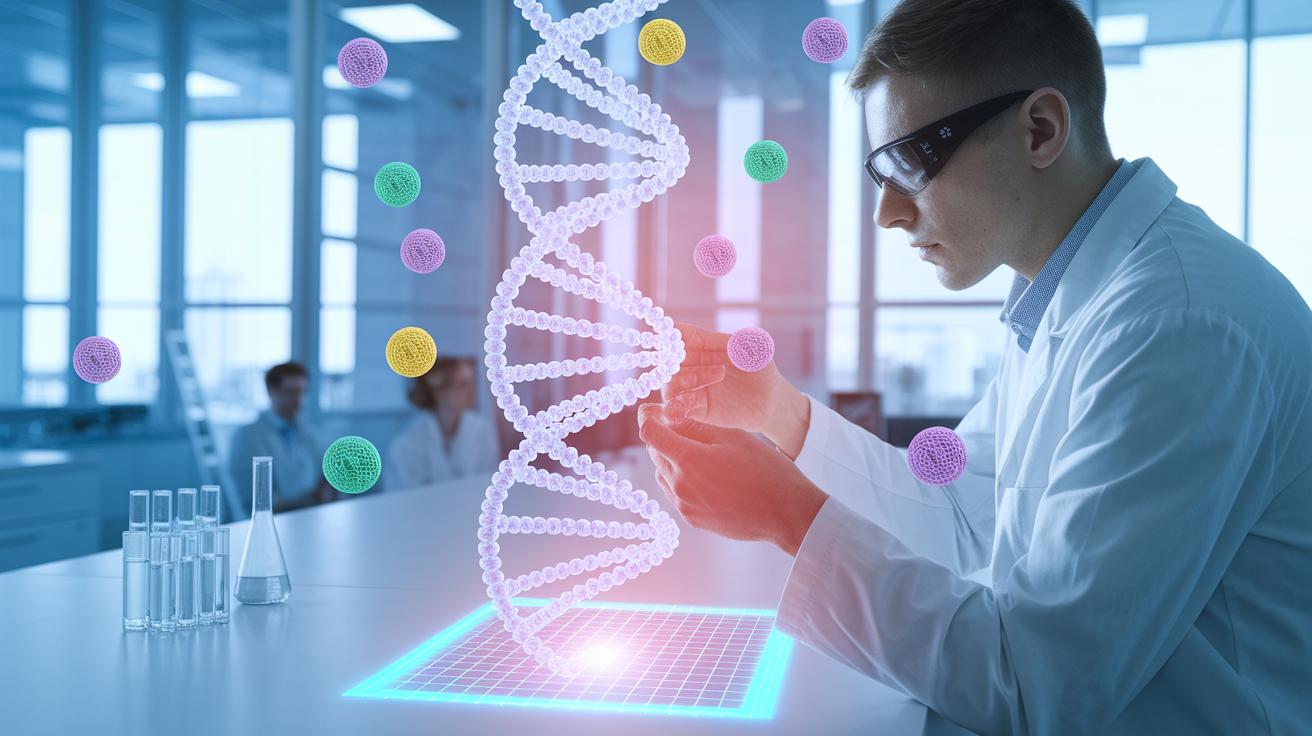
Our DNA wears little chemical tags that tell cells which genes should be active and which ones should take a back seat, kind of like how your smartphone only runs a couple of apps at once. These tags set up the rules inside each cell, switching genes on or off without messing with the original DNA blueprint. It’s a neat system based on tiny signals that keep every cell working just right.
Long noncoding RNAs (lncRNAs, which are long RNA molecules that do more than make proteins) and PIWI-interacting RNAs (piRNAs, small RNAs that help control gene activity) have unique jobs here. They act like guides, directing special proteins that change how DNA is packaged to the exact spots they need to be. Think of it like choosing which app to open so everything runs smoothly on your phone. lncRNAs help keep our genetic material organized, while piRNAs make sure that only the right genes are turned on or off at the right moments.
Epigenome Mapping Techniques & Next-Generation Sequencing Applications
Recent improvements in sequencing have given scientists a way to create detailed maps of tiny chemical markers on DNA that control gene activity. These markers, like histone changes (little switches on proteins around which DNA is wrapped) and DNA methylation (a chemical tag on DNA), help us understand how our genes work in both healthy and sick cells. This kind of mapping is especially important for studying diseases like cancer, where small tweaks in gene control can lead to new ideas for diagnosing and treating the illness.
| Technique | Purpose | Key Application |
|---|---|---|
| ChIP-seq | Maps histone marks and transcription factor binding (helps show where proteins attach to DNA) | Studying the regulatory profiles in prostate cancer |
| Bisulfite sequencing | Measures DNA methylation (detects chemical tags on DNA) | Profiling methylation across the genome |
New single-cell techniques are now pushing the limits of what we can see. Instead of looking at groups of cells all at once, these methods let us focus on one cell at a time. It’s a bit like using a high-powered microscope to see details you normally would miss. And with current digital sequencing tools wrapping things up quickly and accurately, the process becomes much smoother. Combining these single-cell methods with fast digital tools builds on the older techniques like ChIP-seq and bisulfite sequencing, giving us an even clearer view of how genes are controlled. In truth, these advances help researchers explore dynamic gene networks and open the door to more detailed studies in disease treatment and personalized medicine.
Environmental Modulation Effects & Transgenerational Inheritance Patterns

Have you ever thought about how our daily habits reach deep into our cells? What we eat, how much we move, and even how we handle stress can change little chemical markers on our DNA (the blueprint of our bodies). These markers, often called epigenetic tags (tiny signals that help switch genes on or off), play a big role in deciding which genes are active in our cells.
Research shows that a mother's diet and stress levels during pregnancy can shape the epigenome of her child. For example, a six-year study by Nestlé found that the nutrition a baby gets early in life leaves permanent marks on how their genes work. In simple terms, the everyday choices we make help set the stage for our health over our entire lives.
Even more interesting is that some of these markers stick around beyond one generation. They can be passed on during the process that makes reproductive cells (called meiosis, which is how eggs and sperm are formed). This means that the effects of our lifestyle choices, like our diet and stress, can ripple down to our children and even grandchildren. It’s a gentle reminder that the decisions we make today might echo through future generations.
Translational Epigenetics: Novel Therapeutic Targets, Personalized Medicine, and CRISPR Innovations
New ways of looking at health now mix chemical tags on our DNA with our genes to build personal risk profiles for diseases. This helps doctors figure out who might get certain illnesses so they can offer the right care from the start. Scientists look at tiny markers on DNA (little signs that control genes) along with DNA sequences to find clues that can predict heart problems, diabetes, and more. In truth, this blend of information is changing how we diagnose diseases – no more one-size-fits-all, but care that fits each person perfectly.
Drugs like azacitidine, approved by the FDA back in 2004, show how targeting these DNA markers can help treat cancer. These medicines work by waking up genes that stop tumors in conditions like myelodysplastic syndromes (a group of blood disorders). Now, researchers are looking at similar ideas for heart issues, diabetes, brain disorders, and even aging. There’s also exciting work linking these treatments to advances in gene therapy, as discussed in emerging studies on breakthrough gene therapy approaches for cancer treatment and breakthrough anti-aging therapies in regenerative medicine.
Early tests are now trying CRISPR-based tools that work like tiny editors for our epigenome (the markers that tell our genes what to do). These tools aim to fix wrong signals on our DNA while leaving the actual code unchanged. Researchers are carefully checking these new methods in clinical trials to make sure they are safe and work as planned. It’s an exciting time because scientists hope these CRISPR innovations will soon open up new ways to treat illnesses that did not respond well to older treatments.
Final Words
In the action, we reviewed how epigenetic markers boost disease-risk prediction, detailed advanced gene regulation, and explored noncoding RNA roles alongside modern sequencing techniques.
We touched on improved risk prediction, mapping hormone receptor sites, gene regulatory shifts, and smart drug therapies. This blend of ideas sheds light on practical applications and fresh paths for scientific inquiry.
Bringing these breakthrough insights in epigenetics research together offers a clear and uplifting view of where science meets everyday impact. Let's carry this spark of curiosity forward.
FAQ
Q: What do breakthrough insights in epigenetics research pdf and 2021 show?
A: These insights show how chemical tags and gene expression data refine disease predictions and treatment plans by merging genomic and epigenetic information for richer understanding.
Q: What are epigenetic drugs, and how are they used in cancer treatment and clinical trials?
A: Epigenetic drugs are compounds that change chemical tags on DNA and histones to modify gene activity. Notable examples include azacitidine, and several are undergoing clinical trials for cancer treatment.
Q: What are two potential implications of epigenetic research?
A: Epigenetic research can improve disease-risk prediction through chemical tag analysis and reshape treatments by integrating genomic data with gene regulation insights.
Q: Who won the Nobel Prize for epigenetics?
A: No single Nobel Prize has been awarded specifically for epigenetics; recognitions have gone to work in related fields that deepen our understanding of gene regulation.
Q: What is the most important thing learned about epigenetics?
A: The key takeaway is that chemical modifications control gene activity, revealing extra layers of regulation that influence cell functions, health risks, and responses to treatment.
Q: Can epigenetics explain the homosexuality puzzle?
A: Epigenetics provides helpful clues about gene regulation, yet it does not clearly explain sexual orientation, which is shaped by a mix of genes, hormones, and environmental factors.