Have you ever wondered what it would be like if scientists could map a whole genome in just a few days instead of years? Next-generation sequencing is that game-changing tool. It reads DNA almost like scanning a barcode at the store. This new way not only makes research faster but also cuts down on costs and paves the way for treatments that fit each person better. And because it can check out millions of genetic pieces all at once, it’s changing how we study the basic ingredients of life and helping us understand why some people get sick.
Next-generation sequencing: driving breakthroughs in genetic research
Next-generation sequencing is changing the game in genetic research. It reads millions of DNA pieces all at once, which means scientists can get results much faster and cheaper than older methods. This method makes it possible for more researchers, doctors, and biotech experts to study entire genomes without breaking the bank. Imagine a lab that used to take years to map one genome now doing it in just a few days, uncovering complex genetic patterns that were once hidden.
Big projects like the 1000 Genomes Project and the UK Biobank have used these advances to explore genetic differences in people from all over. These studies are helping us understand human diversity and why some people are more likely to get certain diseases. With faster and more affordable genome analysis, next-generation sequencing is opening up new paths in medicine and research that we never thought possible. It’s like switching from a slow, one-lane road to a busy multi-lane highway that speeds up discoveries and helps make personalized treatments a reality.
Evolution of Sequencing Technologies Leading to NGS
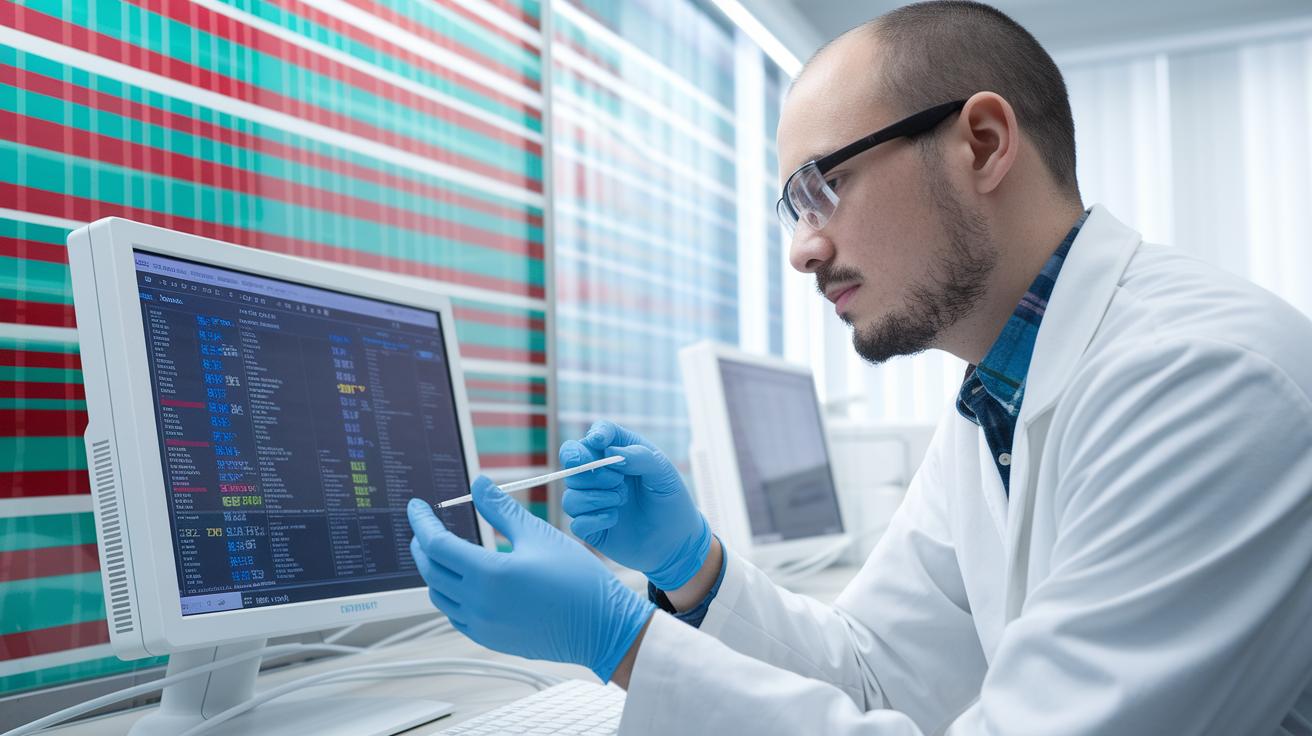
Back in the 1970s, scientists began using Sanger sequencing to read DNA. This method looked at each of the four bases, A, T, C, and G, one at a time. It was slow and pricey, which made it tough for researchers to analyze large amounts of genetic material quickly and without breaking the bank. That challenge pushed the need for faster techniques.
From Sanger to Massively Parallel Sequencing
Sanger sequencing was reliable but came with long wait times and higher costs per reading. Then came massively parallel sequencing, a real game-changer. Instead of processing one fragment at a time, this method reads millions of fragments all at once. Imagine switching from counting one coin at a time to sorting a whole jar instantly. This leap not only sped up research but also made it much more cost-efficient.
Sequencing by Synthesis and Emerging Methods
A breakthrough in the field was Illumina’s Sequencing by Synthesis. This approach uses light and controlled chemical reactions (a bit like adding ingredients one step at a time in a recipe) to accurately and quickly build DNA sequences. Meanwhile, new methods keep emerging, each offering its own way to handle tricky parts of the genome, like complex or repetitive regions. These innovations steadily expand our ability to understand DNA in exciting and efficient ways.
Core NGS Platforms and Methodologies
Next-generation sequencing, or NGS, starts with a crucial step called library preparation. Basically, scientists break the DNA into smaller bits, add special tags known as adapters, and make copies of these pieces so they're ready to be sequenced. This process helps ensure that the information we get is clean and accurate. Systems that give short reads, like Illumina, are super handy for finding tiny changes in DNA. In contrast, systems that provide longer reads help map bigger structures and sort out tricky regions of the genome.
Every sequencing machine has its own perks. Illumina machines, for example, churn out millions of short snippets of DNA with excellent precision at a low cost, which is great if you need to track small changes. Meanwhile, PacBio systems produce longer reads with high consensus accuracy (meaning they check their work by reading the same piece multiple times) and are perfect for studying more complex DNA parts. And then there's Oxford Nanopore, which can deliver ultra-long reads in real time , you can actually watch the data roll in as the experiment happens. This variety lets scientists pick the best tool to balance speed, cost, and the level of detail they need.
| Platform | Read Type | Read Length | Throughput | Key Advantage |
|---|---|---|---|---|
| Illumina | Short-read | 150–300 bp | >1 B reads/run | High accuracy; cost-effective |
| PacBio | Long-read | 10–25 kb | 20–50 G bp/run | Resolves complex variants |
| Oxford Nanopore | Ultra-long | >100 kb | 10–100 G bp/run | Real-time analysis |
Key Applications of NGS in Genetic Research
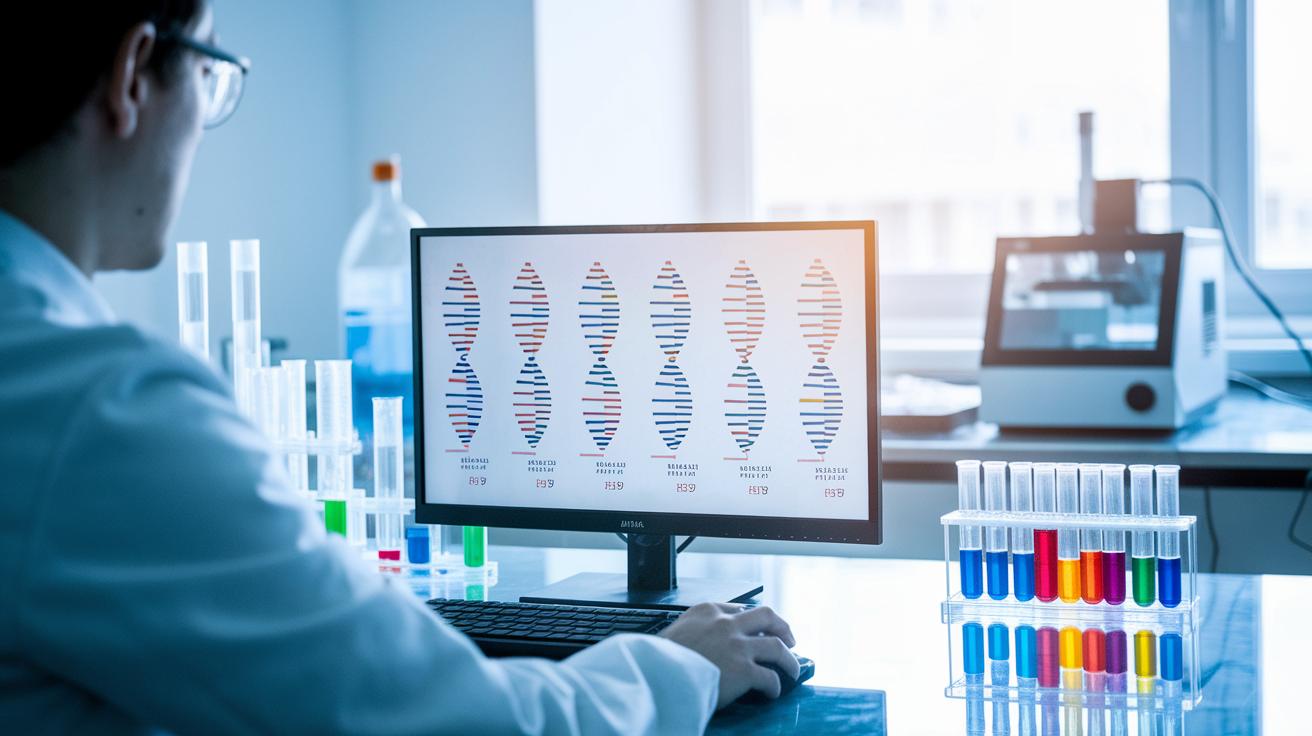
Next-generation sequencing goes far beyond the traditional lab bench. Its quick and affordable method lets scientists study countless snippets of DNA from patients, bacteria, plants, and even whole ecosystems. This broad use has paved the way for groundbreaking genome research in almost every scientific field.
- Clinical genetics and oncology use NGS to get detailed tumor profiles and study pharmacogenomics (how our genes affect our response to medicine). This helps doctors fine-tune treatments and even explore new gene therapy options for fighting cancer.
- Microbiology and disease tracking rely on NGS to sequence germs. By doing so, researchers can closely watch disease outbreaks and follow how harmful strains change over time.
- In population genomics, projects like the 1000 Genomes Project use NGS to explore genetic differences among diverse groups. This work deepens our understanding of what makes us unique.
- Agricultural genomics takes advantage of sequencing to map important traits in crops. This helps farmers develop plants that are stronger and more productive.
- Environmental science uses NGS to spot genetic markers in nature, showing us how different species adjust as their surroundings change.
- Multi-omics is a rising star in science. By combining genomic, transcriptomic (gene activity), proteomic (protein profiles), and metabolomic (small molecule) data, scientists get a fuller picture of how cells work together.
Mixing these various data types lets researchers uncover how genes interact within the busy cell environment. In truth, this broad view not only sharpens our ability to diagnose diseases but also sparks personalized treatment strategies that fit an individual’s unique health profile.
Bioinformatics and Data Analysis in NGS Workflows
AI and machine learning tools like DeepVariant make it easier to understand DNA data. They use smart math to sort through huge piles of information and pick out tiny changes in our genes. Tools like BWA (which lines up DNA sequences), SPAdes (which puts the sequences together), and ANNOVAR (which adds helpful notes about the genetic info) turn raw data into clear, useful results. Imagine a system that tweaks itself to show even the smallest differences in DNA. That's the power of AI-driven genetic analysis.
Cloud services such as AWS, Google Cloud Genomics, and Microsoft Azure let labs store and handle massive amounts of DNA data. These platforms make it simpler to run tough tests on powerful computers. Even with these benefits, scientists still work hard to line up all the different steps in bioinformatics. Each dataset can be a bit different, so they must keep updating and fine-tuning their methods to keep up with modern genetic research.
Ethical, Regulatory, and Data Security Considerations in NGS

Next-generation sequencing deals with personal genetic details, so keeping your information private and getting clear permission is very important. Laws like HIPAA (a US law that protects your health data) and GDPR (a European law for privacy protection) help guard your data from misuse such as identity theft or unfair treatment based on your genes. Researchers have to get clear approval from everyone involved, and the rules about this can vary depending on where you live. These laws help ensure that our genetic information is treated with care, even though following different local guidelines can make things more complicated and add extra steps.
Another challenge comes from trying to understand gene changes that we do not fully know about yet. When scientists see these unclear genetic signals, it can make choosing treatments harder and slow down the progress of finding reliable ways to detect mutations. Also, different countries have their own rules on sharing information, which makes it tougher for scientists to work together across borders. This means researchers need to carefully follow a mix of requirements while still keeping data safe and private.
Emerging Trends and Future Innovations in Next-Generation Sequencing
Single-cell genomics (studying one cell at a time) and spatial transcriptomics (mapping where genes are active) are giving us a brand new window into our cells. They show us how cells in the same tissue can be surprisingly different, almost like each one tells its own story.
Then there are CRISPR-based functional screens. Imagine using a high-tech pencil to tweak a few words in a manuscript and instantly watching the story change. This approach mixes precise gene editing with sequencing to reveal exactly how each gene affects our health.
Lower costs and faster processing are turning dreams of real-time diagnostics into reality. Soon, doctors could track diseases as they happen, much like watching a live update on your phone. By linking next-generation sequencing (advanced gene reading tools) with huge data networks, we’re moving closer to a medical system where every treatment is as personal as a hand-crafted remedy.
Final Words
In the action, our article highlighted how next-generation sequencing speeds up DNA reading, cuts costs, and reshapes our approach to genetic mysteries. We traced its evolution from older methods, explored smart bioinformatics, and tackled ethical considerations that keep science grounded.
Next-generation sequencing: driving breakthroughs in genetic research showcases a future where daily progress meets cutting-edge science. The advances spark a natural excitement about a clearer, more connected tomorrow for everyone.
FAQ
How does next generation sequencing drive breakthroughs in genetic research?
Next generation sequencing drives breakthroughs in genetic research by performing rapid, cost-efficient analysis of millions of DNA fragments at once, enabling large-scale population studies and personalized medicine advances with easier variant detection.
How does next generation sequencing work?
Next generation sequencing works by breaking DNA into small fragments, attaching adapters, and sequencing these pieces in parallel. This process creates millions of short reads that computers reassemble to form complete, accurate DNA sequences.
What are the common next generation sequencing methods and steps?
Next generation sequencing methods include short-read, long-read, and ultra-long read techniques where samples are prepared by fragmentation, adapter ligation, and amplification. These steps lead to detailed mappings of genetic variants and structural features.
What are some examples of next generation sequencing applications?
Examples of next generation sequencing applications include tumor profiling in oncology, pathogen surveillance in microbiology, population genomics projects, and trait mapping in agriculture. These applications highlight its broad use in science and medicine.
What are the latest advancements in DNA sequencing and their impact on genetics?
Latest advancements in DNA sequencing have improved accuracy and reduced costs, allowing for deeper analysis of genetic variation. By enabling large-scale projects, these improvements significantly impact fields like personalized medicine and genetic research.
How is next generation sequencing useful in medical genetic research?
Next generation sequencing is useful in medical genetic research by detecting mutations, guiding targeted therapies, and improving diagnostics. This efficiency supports better understanding and treatment planning for conditions including cancer and rare genetic diseases.
What are the main problems associated with next generation sequencing?
Main problems with next generation sequencing include technical challenges, data interpretation limits, and issues with aligning results across platforms. These challenges require ongoing improvements in bioinformatics and standardization of analysis pipelines.
Where can I access next generation sequencing resources like PPT, PDF, and Wikipedia?
Resources such as next generation sequencing PPTs, PDFs, and Wikipedia pages provide visual aids, detailed reports, and curated summaries on the technology. These materials are helpful for both educational and professional reference.