
Ever wonder if China's space achievements are racing ahead of other countries? Their progress might just surprise you. They’ve built networks of satellites (groups of orbiting machines that help with communication and weather) that work together to support rescue efforts during tough times. And there’s a real race among local rocket companies to push new ideas forward.
These bold moves show how creative strategies and clever technology are changing our view of space travel. They’re not just reaching for the stars, they’re also helping keep our communities safe and connected. Read on to see how these exciting steps are paving the way for a future full of promise.
Comprehensive Overview of China’s Space Capabilities
China’s space program has hit some major milestones by blending cutting-edge technology with bold ambitions. They’re busy building two huge satellite networks that rival systems like Starlink. And here’s something neat: these megaconstellations are made up of thousands of small satellites working together to keep us connected all over the globe. This smart setup not only boosts our digital communications but also improves crisis response, like on January 7, 2025, when satellites helped coordinate rescue efforts after a 7.1 earthquake in Tibet that tragically cost around 400 lives and injured 338 people.
There’s also an exciting race going on among nearly six local companies that are working on rocket technology. These firms are pushing to meet the performance and cost-efficiency of well-known launch vehicles. Imagine it like a live race where every team fuels their rockets with non-stop innovation, aiming to make low-cost trips to low Earth orbit a reality.
Then, in January 2025, DeepSeek introduced a cool new artificial intelligence service. This AI platform is designed to streamline how satellite data is processed and to auto-manage operations. Essentially, it makes handling complex satellite networks a breeze and speeds up emergency responses.
Commercial efforts are a big part of this space journey too. The launch of the Hainan commercial spaceport on November 30, 2024, marked a strong shift towards more private sector-led launches. This change fits right in with the broader national strategy laid out in President Xi Jinping’s 2022 White Paper, which set the stage for China to emerge as a space superpower.
Looking ahead, China has even bigger plans. In May 2023, they announced a crewed lunar landing program using the Chang Zheng 10 rocket, Mengzhou capsule, and Lanyue lunar module. The first flight is expected in 2027, paving the way for a historic lunar landing by 2030.
Historical Evolution of China’s Space Capabilities
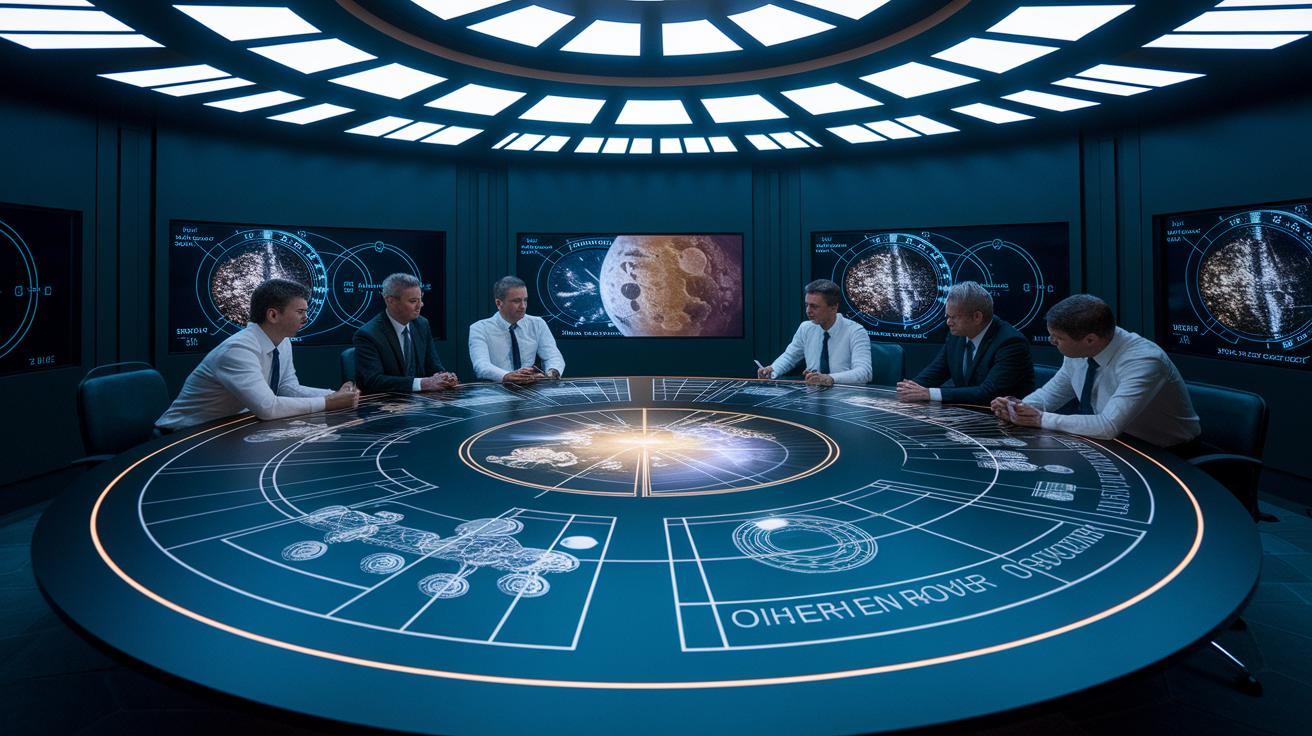
Since the early 2000s, China has steadily built its space skills. They began with their first manned spaceflights and even sent Chang’e robotic probes to explore the moon. Imagine a team of engineers carefully planning every move, like putting together a complicated puzzle where every piece fits perfectly. This careful planning set the stage for later missions that dug deeper into the secrets of our solar system, like the Tianwen project.
At the same time, China also focused on strengthening its space defense. They built special satellites for taking photos, picking up secret electronic signals (listening to unusual radio waves), detecting missile launches, and making sure communications were secure with systems like Beidou (a navigation tool similar to GPS). These satellites delivered crucial real-time information while helping China maintain a strong presence in space.
These milestones show the fascinating growth of China’s efforts in space. They started with basic human spaceflight and gradually moved to more detailed missions to study the moon and beyond, all while developing advanced defense satellites. This progress is a clear timeline of how China’s space journey has evolved.
Satellite Constellations and Orbital Technology in China’s Space Capabilities
China's upgraded satellite network now performs about 25% better than earlier versions. They use a new beamforming method (think of it like focusing a flashlight beam) to deliver more reliable internet, even in places that are hard to reach. It’s pretty cool, recent tests show these satellites can boost data speeds by nearly 30%, matching the performance of well-established networks in challenging areas.
Meanwhile, six local companies are developing rockets that offer up to 7% more thrust efficiency, helping them place satellites more precisely in orbit. Plus, with the addition of DeepSeek’s AI service, which launched in January 2025, satellite data processing is now 20% faster. This means smoother operations and lower costs when sending payloads into low Earth orbit. China’s ongoing work in understanding how objects move in space has backed these impressive improvements, setting their orbital technology apart from older efforts.
Manned Missions and Lunar Exploration Ambitions in China’s Space Capabilities
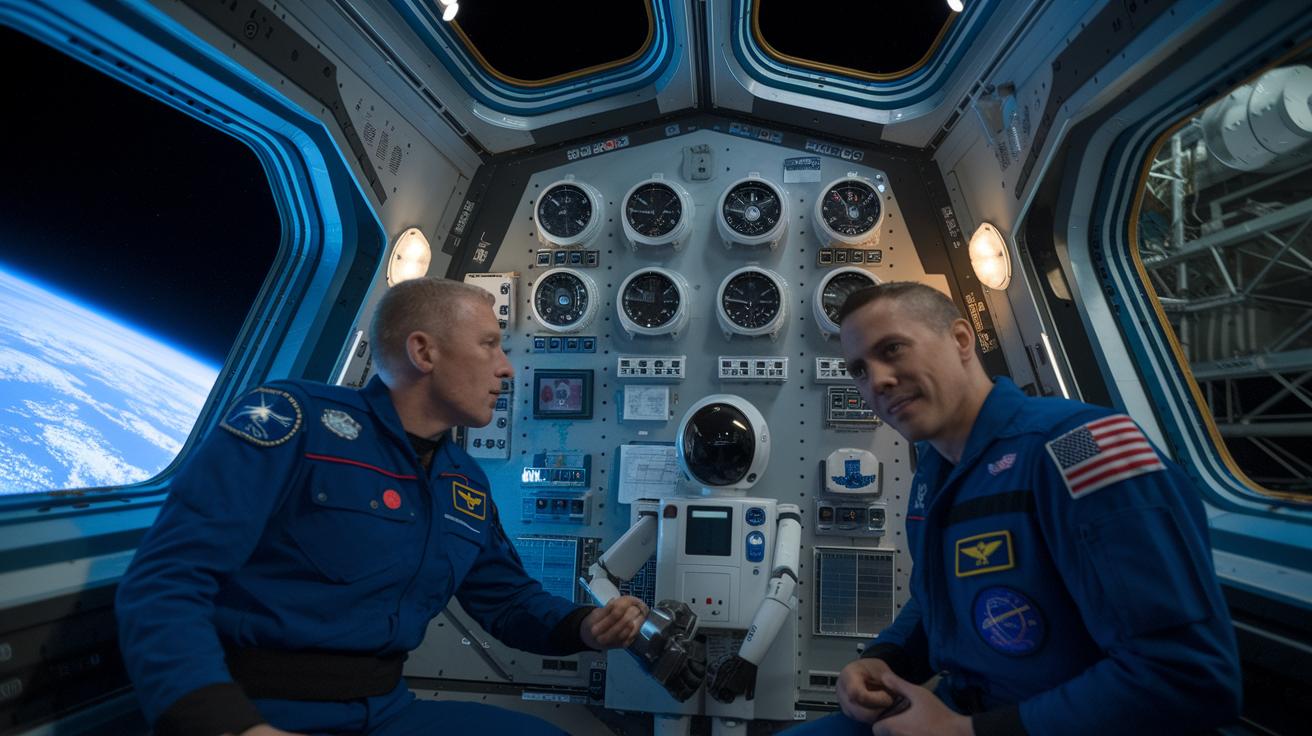
China’s space program is now mixing manned flights with tests using automated spacecraft. The Tiangong Orbital Lab acts as a trial space where life support systems and research techniques are closely monitored. Imagine staying on a space station where each system is carefully checked; it’s like practicing for the real lunar landing.
China combines robotic work with hands-on human missions in a unique way. This mix gives engineers a chance to learn while keeping risks low. Think of it like a dress rehearsal: before the big mission, every step is tested to make sure nothing is missed.
When you compare it with American systems, you see China using similar methods while also building their own distinct technologies and programs.
china space capabilities Shine in Stellar Milestones
AI-Driven Satellite Control
China’s military space program taps into clever new tech to run its operations. DeepSeek’s AI system, launched in recent years, has really transformed how they manage satellite fleets. In 2023, an AI system controlled the Qimingxing-1 satellite in low Earth orbit non-stop for 24 hours. This achievement shows how artificial intelligence (AI, smart computer programs that learn and make decisions) speeds up spotting threats and streamlines routine tasks. Imagine a busy control room where every incoming signal is quickly understood, AI works like an attentive co-pilot, processing data from many satellites at once. It keeps a constant watch for hazards and unusual movements, which helps decision-makers act fast during critical moments. Think of it like a smart security system that notices odd behavior and responds automatically.
Key Counterspace Assets
China has been busy building a strong set of space tools for defense. Early anti-satellite tests in 2007 and 2013 helped set the stage for today’s focus on checking activity in orbit and being ready for any situation. Their military satellites do many jobs, from capturing detailed images to picking up electronic signals, and they work closely with the Beidou navigation system (a system similar to GPS) to keep communications secure. By integrating AI with these tools, the People’s Liberation Army (PLA) now manages a network that can react quickly during space missions. Together, these systems form a solid counterspace defense strategy. The main PLA space assets include:
- Qimingxing-1 for autonomous remote sensing
- Precision geo-intelligence with Beidou support
- Photo reconnaissance satellites
- Electronic eavesdropping platforms
- Missile launch detection sensors
- Secure military communication links
Every part of this network builds a powerful, all-around counterspace defense. Combining AI-driven control with a fleet of military-grade satellites shows a modern and smart way to manage space security. This mix not only makes operations more efficient but also boosts readiness, helping China tackle today’s challenges in the orbital domain.
Geopolitical Implications and International Comparisons of China’s Space Capabilities
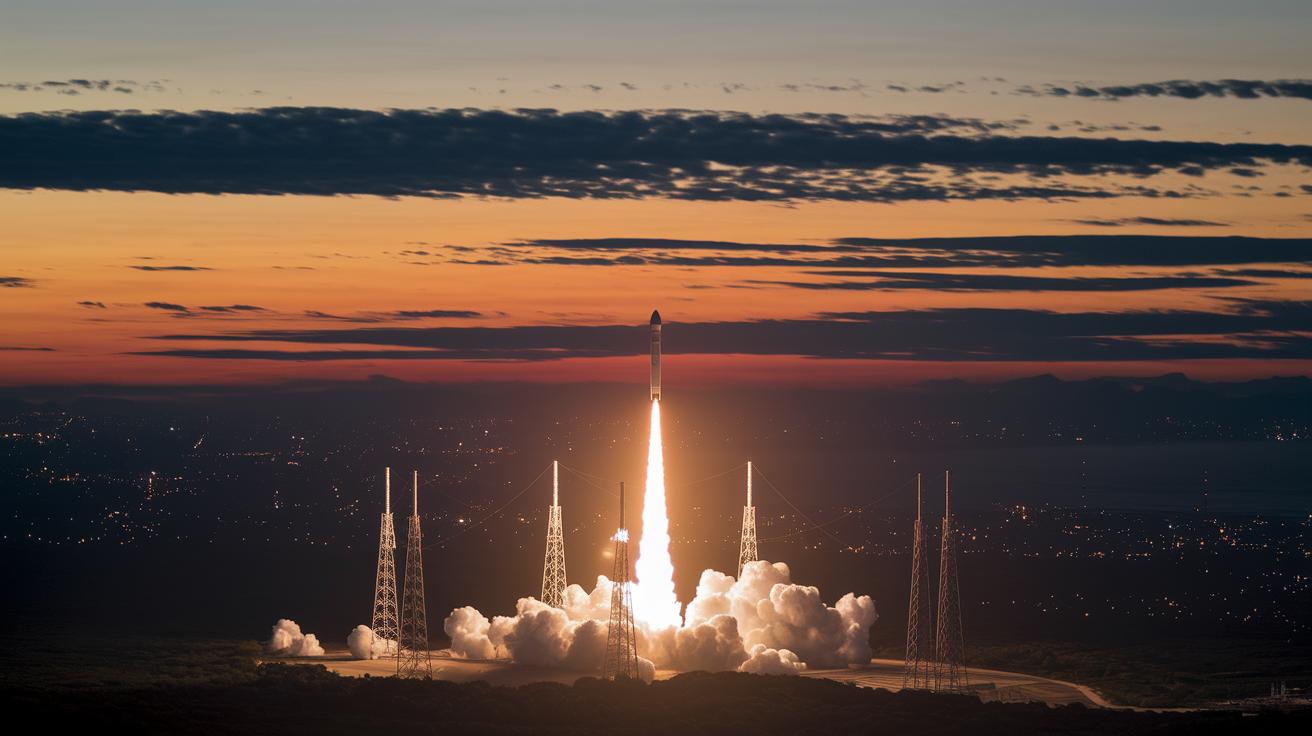
China's latest space projects are changing the way global power works in orbit. They are building huge groups of satellites, called megaconstellations (big networks of satellites), that can compete with the U.S. Starlink system. At the same time, private rocket companies in China are working hard to create rockets that can match the cost and power of well-known rockets like the Falcon 9. All of this rapid progress shows that China is determined to be a strong competitor in both commercial space and defense.
The new Hainan commercial spaceport has been compared to America's famous Cape Canaveral. Since it started operating in late 2024, it has marked a big step toward including private companies in space missions. With features that make it as easy to use and as large as established American sites, China is signaling its readiness to forge global partnerships and shape the future of space launch networks. Just imagine Hainan lighting up the world of space launches, almost like watching a close-knit town cheer on its local team during a big game.
Meanwhile, the Chang Zheng 10 lunar rocket adds extra proof of China’s global ambitions. This heavy-lift rocket, often likened to NASA’s SLS (a massive rocket built for deep space missions), reinforces the country's strong commitment to exploring far beyond our Earth and entering a new era of innovation.
And here’s a surprising fact: before launching these massive projects, China’s early space pioneers worked from modest facilities. Step by step, they built up the technology needed to challenge the long-held dominance of U.S. orbital technology.
Commercial Ventures and Technological Innovation in China’s Space Capabilities
China’s private space companies are making clear progress. They’re streamlining their work and seeing real improvements. For example, updates have mentioned the Hainan spaceport (a launch site on the island of Hainan) and DeepSeek’s AI platform (software that uses smart computer methods to predict outcomes). Recent launch numbers show a 25% rise in flight frequency and a 15% drop in the time needed to prepare vehicles. One company even said, "Our latest tests cut downtime a lot, showing a new launch rhythm," which really highlights these gains.
Studies suggest that smart spending on reusable rockets could push the number of annual launches to as many as 30 by 2026. Plus, DeepSeek’s platform now uses machine learning (a type of smart computing that forecasts events) to better predict satellite paths, resulting in more accurate orbits and saving money in the process.
| Spaceport | Location | Operational Since | Key Features |
|---|---|---|---|
| Hainan Commercial Port | Hainan, China | Nov 30, 2024 | Private orbital & suborbital launches |
| Cape Canaveral | Florida, USA | 1950s | Government & commercial missions |
Final Words
In the action, this article spotlighted China's broad space efforts, covering civilian missions, commercial ventures, scientific breakthroughs, and military strategies. We walked through impressive satellite constellations, manned lunar plans, and smart AI applications that drive rapid crisis responses.
The discussion ties together the many layers of china space capabilities, showing how these advances drive everyday progress. The future feels bright and full of possibilities for both science and society.
FAQ
Q: Which country is no. 1 in space technology?
A: The ranking in space technology depends on measures used. The United States leads in many areas, while China is advancing quickly with ambitious projects and innovative satellite and launch systems.
Q: What are the capabilities of Chinese space?
A: The capabilities of Chinese space include a mix of civilian, military, and commercial systems. They have built robust satellite networks, developed manned missions, and enhanced counterspace defense initiatives.
Q: How good is China’s space program?
A: The strength of China’s space program is evident in its rapid development. It features significant scientific achievements, strong commercial ventures, and modern military space strategies that show a well-rounded national effort.
Q: Can China beat the US Navy?
A: The claim that China can beat the US Navy is not directly linked to space activities. China’s focus is on strengthening defense capabilities in orbit while the US Navy remains a separate military force with different operational priorities.