
Have you ever wondered if a doctor can save a life from thousands of miles away? Today, remote robotic tele-surgery is making that a reality for many rural areas. Skilled doctors use advanced machines (sophisticated equipment that helps perform surgery) to operate on patients who might not have easy access to care. This breakthrough means patients get expert treatment sooner, without the long trip to a big city hospital. In this post, we’ll explore how these cutting-edge techniques are changing healthcare for rural communities.
Breakthrough remote robotic tele-surgery transforming rural healthcare access
Landmark cases like these are reshaping specialist care for people in remote areas. Dr. Vipul Patel pulled off something remarkable by performing a remote telesurgery from over 17,000 km away. He used advanced imaging (techniques that give clear inside views of the body) and precise robotic control (robots that help guide the surgery) to make it work. This shows that even when distances are huge, modern technology can connect expert hands to patients quickly through high-speed fiber-optic links. Have you ever wondered how one surgery can span continents?
On September 22, 2025, Dr. Sadashiv Bhole made history with India’s Mantra 3 system. He carried out the world’s first remote pediatric pyeloplasty (a surgery to fix a blockage in a child’s kidney pathway) from 4,000 miles away. The system’s multi-arm dexterity, high-definition 3D imaging (which creates lifelike, three-dimensional pictures), and latency-optimized remote control let surgeons act as precisely as if they were side by side with their patients, no matter how far apart they are.
More than 50 remote telesurgeries have already been performed in fields like urology, heart surgery, pediatric oncology, and digestive surgery. These operations are changing the way specialist care is delivered, offering patients in underserved areas more timely treatment without the need for long, exhausting journeys.
Innovations in robotic tele-surgery are really closing the gap between high-tech advances and rural healthcare. By linking expert clinicians with powerful telemedicine systems, these groundbreaking techniques are making it easier than ever for patients in rural settings to receive quick, expert, and compassionate care.
Surgical robotics technology powering remote robotic tele-surgery
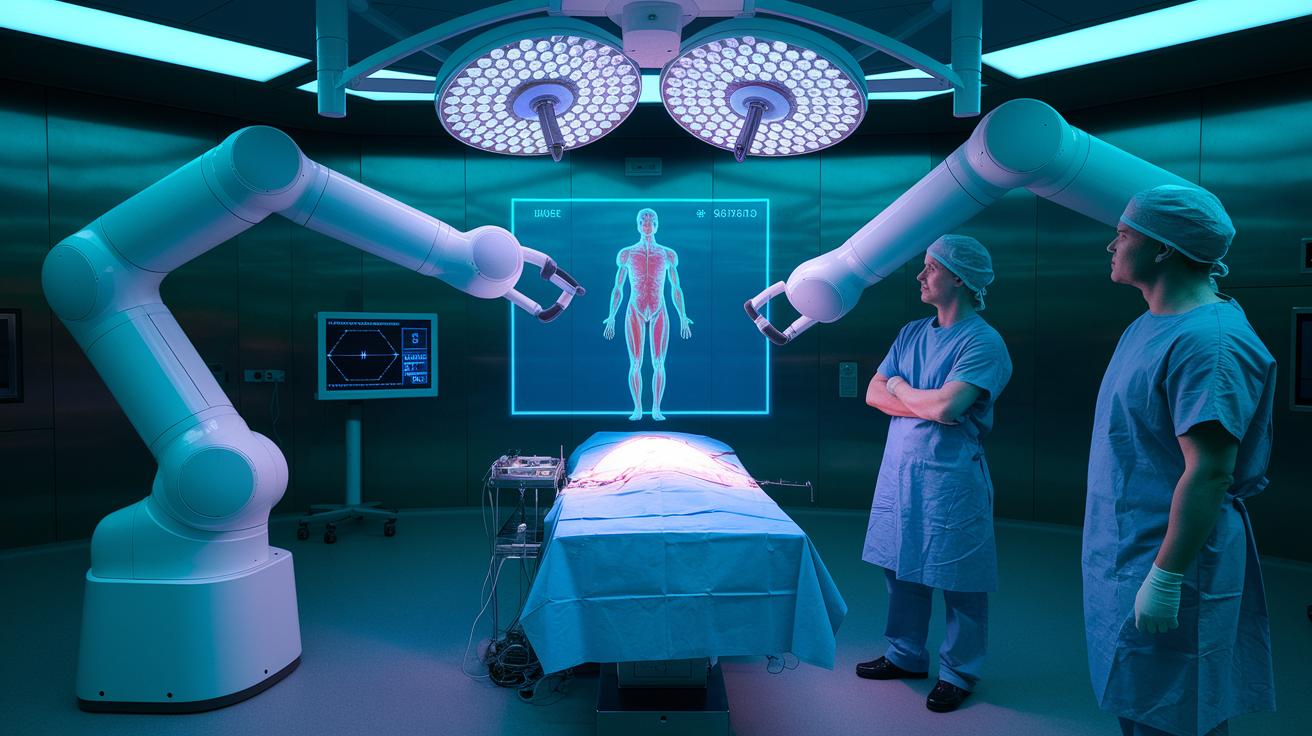
Mantra 3 is designed to simplify remote surgeries. Its system brings together a multi-arm design, lifelike high-definition 3D imaging, fast controls that cut down delay, and fiber-optic links for smooth data flow. These features work in harmony so doctors can handle several instruments at once, making even complex procedures highly precise from afar.
The clear, real-time 3D views make it feel like the surgeon is right there in the room. And with built-in haptic controls that mimic the sense of touch (letting you feel how tissues respond), surgeons get a natural feel for the operation. It’s almost as surprising as learning that Marie Curie once carried radioactive test tubes in her pockets before she became famous. This blend of technology and realism is pushing robotic surgery into a new era.
The remote control system is built to minimize delay, with command responses coming in under 200 milliseconds thanks to fast fiber-optic connections. This steady, rapid communication is essential, especially in remote settings. Together, these cutting-edge features boost safety and effectiveness across a wide range of surgical specialties.
| Component | Function | Rural Impact |
|---|---|---|
| Modular multi-arm dexterity | Manages several instruments at once | Makes complex procedures possible even from afar |
| HD 3D imaging | Offers clear, real-time views | Enhances a surgeon’s situational awareness |
| Latency-optimized control | Ensures command responses in under 200ms | Keeps remote surgeries safe and steady |
| Fiber-optic communication | Transfers large amounts of data quickly | Maintains stable connections in remote areas |
Integrating tele-surgery infrastructure in rural healthcare settings
To make tele-surgery work well in rural hospitals, the first step is to set up a strong network. High-speed internet is key so that data and video come through instantly. Just imagine a super-reliable fiber-optic system that lets remote surgeons control tools with almost no lag.
Once the network is ready, the next move is to get the right equipment. Clinics should choose tele-surgery suites that use top-notch imaging tools and can be operated from far away. Depending on the size and needs of the local center, they might pick just the basic parts needed for specific procedures.
It is also important to upgrade lab tools. For example, new machines that read genetic codes quickly (tools that decode DNA) can help spot infections fast. This means even a remote lab can make an accurate diagnosis when needed.
Training the team is just as important. Local doctors and technicians can learn how to use these new systems through remote training programs and hands-on workshops. For instance, before using the robotic arm in a real surgery, it is a good idea to try a simulation exercise. This helps build confidence and makes it easier to fix any issues should they come up.
Next, hospitals must follow the proper safety rules and service standards. This involves updating certifications and forming a team that brings together IT and medical experts so that everything runs safely.
Lastly, always staying open to new ideas and feedback can make the process even better. Continuous improvement not only helps educate physicians but also expands access to quality health care in rural areas.
- Upgrade connectivity networks
- Invest in advanced diagnostic equipment
- Implement thorough training programs
- Adhere to updated regulatory standards
Clinical case studies of remote robotic tele-surgery in rural contexts

Unified Case Study Analysis
We’ve seen two groundbreaking surgeries using remote robotic systems in rural areas. One procedure treated prostate cancer from 17,000 km away with a high-speed fiber-optic network. In another case, doctors corrected a blockage where the kidney meets the tube (ureteropelvic junction obstruction) in a small child using the Mantra 3 system from 4,000 miles away. Both operations went smoothly without any problems during surgery, and recovery matched what we’d expect from normal procedures.
New insights include:
First, new methods like real-time imaging and haptic feedback (a system that gives surgeons a feel for the tissue as if they’re touching it) let surgeons adjust their techniques with great precision. It’s amazing to think that during the surgery, the haptic feedback made the surgeon feel almost like they were right there.
Next, the benefits for patients were clear. These approaches removed the need for long-distance travel, cutting down on the stress and risks that often come with moving patients from remote areas.
Patient follow-up showed that hospital stays were shorter and recovery was quicker compared to traditional surgeries. This points to the possibility of making routine procedures even more efficient.
Surgeons also shared positive feedback, many felt less physical strain and could concentrate better. One surgeon even mentioned that the setup felt like a natural extension of their usual operating room, despite being so far away.
Some logistical challenges did arise, such as variable network bandwidth and the limited technical support available on-site in rural areas. These hurdles led teams to create stronger backup systems and streamlined communication methods.
Finally, health centers reported cost savings by reducing the need to transport patients. With improved outcomes, many are now more eager to adopt such advanced technologies.
| Aspect | Insight |
|---|---|
| Innovation | Real-time imaging, haptic feedback |
| Patient Benefits | Less travel, shorter hospital stays |
| Surgical Feedback | Better focus, less fatigue |
| Logistics | Unpredictable bandwidth, robust backup systems |
| Economic Impact | Lower transfer costs, increased tech adoption |
Ensuring reliability and performance in remote robotic tele-surgery
Building on earlier parts of our work, the system now adds extra safety steps that boost its performance. New checks measure tiny changes in delay, the brief moment between a command and its action. For instance, think of a sensor that spots a 10 ms delay (ms stands for milliseconds or one-thousandth of a second) and quickly tweaks the controls, kind of like a pianist adjusting a note in the middle of a performance.
It still relies on fast fiber-optic cables, clear 3D imaging, and controls that copy a surgeon’s hand movements. Now, if a slight delay happens, the system can automatically switch to another network path, which helps keep everything precise and smooth.
These technical improvements work alongside the proven surgical robotics and past real-life case studies, adding extra layers of control and safety for remote procedures, especially in rural areas.
Emerging trends in breakthrough remote robotic tele-surgery for rural healthcare

Advances in new surgical robots are changing healthcare. Scientists and engineers are creating very small tools for kids to help doctors perform delicate surgeries, even in far-off places. Plus, new virtual clinics are starting up to treat issues like certain heart and gut diseases, so patients don’t have to travel long distances.
Big improvements are on the way, too. Soon, on-site gene testing (that is, a quick way to learn about a patient’s condition) and smart computer imaging tools will give doctors live help during tricky operations. These upgrades will make remote surgery even better across many fields. New online training is also coming, which will help surgeons feel confident using these cool tools and bring better care to places that need it most.
By focusing on using robots to improve care and modernizing technology, these trends are paving the way for changes all over the world. Future tools, like those mentioned in nextgen technologies, are expected to make surgeries even more accurate, safe, and efficient. This progress means that even people living in remote communities can get top-notch treatment without having to travel far.
In short, these fresh ideas promise to transform patient care by cutting down the need for long trips and offering quick, precise treatment to underserved rural areas.
Final Words
In the action of transforming healthcare, our post covered breakthrough remote robotic tele-surgery for rural healthcare. We examined how state-of-art machines and high-speed networks let surgeons perform precise procedures from afar. Case studies showed real-life successes, and fresh trends hint at even smoother care solutions ahead.
Each breakthrough brings hope and real gains for communities that need timely, expert treatment. The future looks bright as these advances continue to make quality care more accessible.
FAQ
What was the first remote robotic surgery?
The first remote robotic surgery was performed by Dr. Vipul Patel using a 17,000 km fiber-optic link. It proved that long-distance, precise robotic control is possible and set the stage for future remote procedures.
What does robotic telesurgery involve?
Robotic telesurgery involves transmitting a surgeon’s precise movements through high-speed networks using robotic arms and high-definition 3D imaging. This allows doctors to safely perform delicate procedures from a distance.
What remote surgery milestones were reached in 2025?
In 2025, Dr. Sadashiv Bhole completed the first pediatric pyeloplasty over 4,000 miles away using the Mantra 3 system. This milestone confirmed that remote surgery can achieve in-person levels of care and recovery.
What are some examples of remote surgeries?
Examples include Dr. Vipul Patel’s prostatectomy performed over 17,000 km and Dr. Sadashiv Bhole’s pediatric pyeloplasty. These cases demonstrate successful applications of remote robotic surgery across various specialties like urology and pediatric care.
What is transcontinental robotic telesurgery?
Transcontinental robotic telesurgery means performing procedures across continents. For instance, a surgeon can operate on a patient located far away using advanced imaging and robotic control, proving effective remote interventions.
What is the latest news in remote surgery?
The latest news highlights breakthroughs in remote robotic surgery that expand access to specialist care in rural areas. These advancements integrate high-speed networks and precise robotic systems to improve patient outcomes.
What does MedBot remote surgery refer to?
MedBot remote surgery refers to emerging systems that use robotic technology and precise imaging to perform complex procedures from a distance. This new approach aims to bring expert care to remote areas.
How has AdventHealth contributed to robotic surgery?
AdventHealth has contributed to robotic surgery by adopting cutting-edge technology to support remote procedures. Their focus on integrating advanced tele-surgery systems helps improve care access in rural and underserved communities.