Have you ever been curious about how scientists study tiny, hidden life? They use a field called environmental genomics to explore microscopic creatures found in soil, water, and air. Instead of a regular microscope, they use next-generation sequencing (a modern tool that reads tiny pieces of DNA) to get a close-up look at nature.
This method is like giving us a window into secret worlds that were once invisible. Scientists can study entire groups of microbes and even single cells to better understand these small ecosystems. Their discoveries are paving the way for new ways to watch over and care for our environment.
Breakthrough Techniques in Environmental Genomics for Tracking Microbial Ecosystems
Imagine being able to glimpse into a secret world of tiny life forms. Next-generation sequencing (NGS) is one way scientists do just that. This method quickly reads millions of DNA fragments from samples like soil, water, or even air. With tools like the Illumina DNA Prep workflows, researchers can use different techniques to really break down the details of these microbial communities.
Metagenomics, which examines all the DNA from a group of organisms at once, has given science a big boost. Combined with environmental DNA sequencing that collects genetic clues from bacteria and other tiny organisms found in sediments or animal droppings, we can now explore nature like never before. Techniques such as single-cell genomics (studying one cell at a time) and epigenomics (tracking gene changes passed between cells) help uncover subtle differences that used to go unnoticed.
- Amplicon sequencing (16S rRNA) helps identify different bacteria.
- Shotgun metagenomics examines all the DNA in a sample.
- Environmental DNA (eDNA) sequencing picks up genetic material from various organisms.
- Single-cell genomics focuses on the details of individual cells.
- Metatranscriptomics checks which genes are actively being used.
- Epigenomic profiling looks at how gene expression is managed over time.
These breakthrough techniques are changing the way we monitor our environment. They let scientists track how microbial populations grow or shrink, note changes when the environment shifts, and understand the role each microbe plays. By studying both whole communities and individual cells, researchers can see a much clearer picture of life’s complexity. This exciting blend of methods is paving the way for new discoveries in biodiversity research and helping us keep a better watch over our natural world.
Next-Generation Sequencing and Workflow Innovations in Environmental Genomics Tracking

The new Illumina DNA Prep workflow takes a lot of the stress out of sequencing. It smoothly handles tasks like amplicon, whole-genome, plasmid, and microbial sequencing, turning tricky environmental samples into clean, high-quality DNA data at lightning speed.
Careful sampling is key here. Researchers follow strict steps to keep samples like soil, water, or sediment free from contamination, which means every sample stays true to its original state. This attention to detail makes sure that metagenome analysis is spot on and that environmental DNA is interpreted accurately.
For example, paired-end 16S amplicon sequencing has really opened up new avenues in studies like those examining tree sloth symbiosis. It picks up even the tiniest details of microbial communities, showing us how these tiny organisms live together and function as part of a bigger system.
Then there's the NextSeq 500 System, a tool that’s been super useful for tracking changes in microbial communities in stressed water reservoirs. This system helps scientists follow shifts in the tiny ecosystems, offering insights into how these communities adjust when their environment changes.
Comparing eDNA and Single-Cell Genomics Approaches in Microbial Ecosystem Tracking
Environmental DNA (eDNA) sequencing picks up tiny fragments of genetic material left behind by living things in water, soil, air, sediment, or even animal scat. This method lets scientists get a snapshot of an entire community without having to separate each species. On the other hand, single-cell genomics focuses on one cell at a time, revealing its full genetic code and what guides its behavior (cellular instructions). Using both approaches together lets researchers spot rare organisms and notice small changes in how ecosystems work.
| Method | Sample Type | Resolution | Key Application |
|---|---|---|---|
| eDNA Sequencing | Water/Soil/Scat | Community-level | Biodiversity surveys |
| Amplicon (16S rRNA) | Soil/Water | Taxonomic profiling | Microbial diversity mapping |
| Single-Cell Genomics | Isolated cells | Cellular-level | Heterogeneity and rare taxa |
| Epigenomic Profiling | Cell nuclei | Regulatory states | Heritable expression analysis |
When these methods are combined, scientists get a powerful set of tools to study ecosystems. The wide reach of eDNA sequencing captures a broad view of biological diversity, while single-cell genomics dives deep into the details of individual organisms and their roles. This mix makes it easier for researchers to track changes in microbial communities and check on the health of ecosystems over time, ultimately offering clearer insights into how environments shift.
Case Studies Highlighting Environmental Genomics Breakthroughs in Microbial Tracking
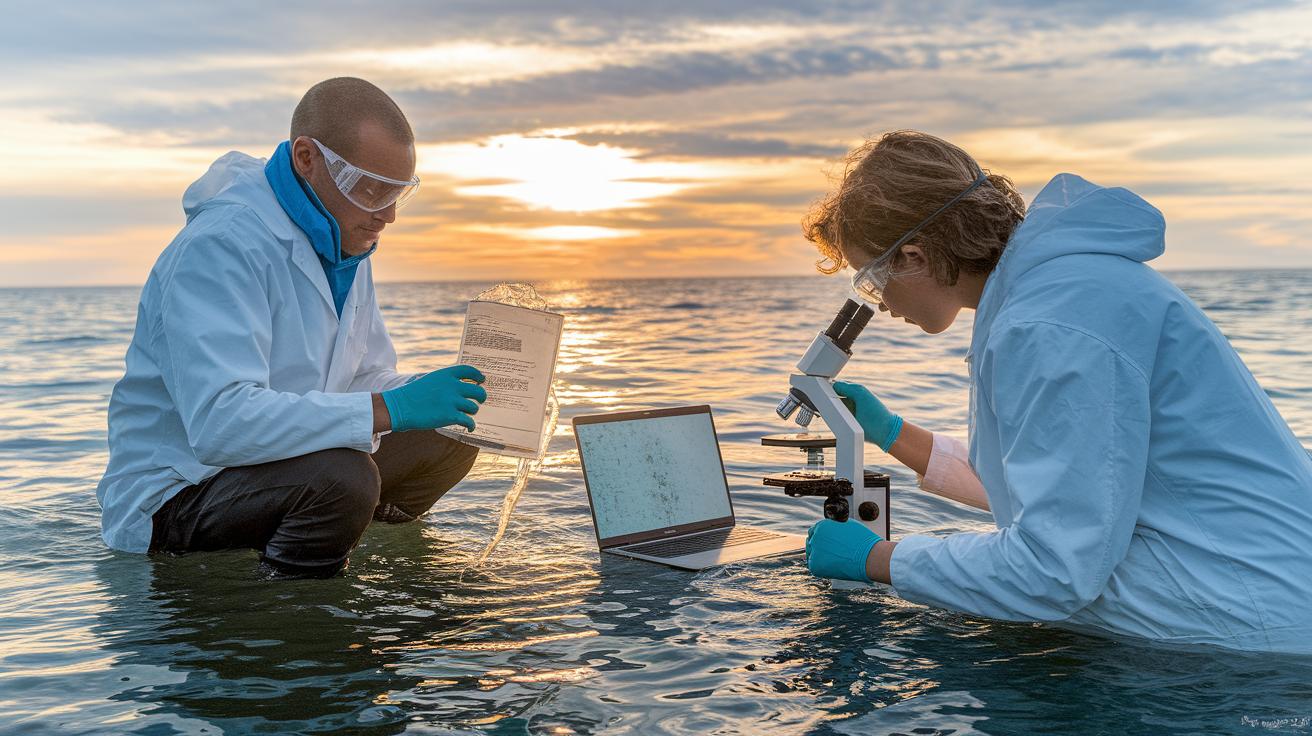
On a global ocean trip, scientists collected salt water samples from different parts of the ocean to explore the rich variety of plankton. They used next-generation sequencing (a modern tool that reads small genetic clues) to study these samples. The results showed that changes in plankton communities are important for how the ocean cycles nutrients and produces oxygen.
In another project, researchers dove into the hidden world beneath our cities. They took samples from subway stations in 67 different cities and used metagenomic techniques (methods that help read the genetic material of many tiny living things) to map the microbes that live there. This study shows how everyday human activities and local surroundings can shape the tiny ecosystems in urban areas.
One study even focused on tree sloths. By using paired-end 16S amplicon sequencing (a technique that helps identify different microbes), scientists looked at the microbes living in the sloths’ fur. They discovered special partnerships between the sloths and their microbes that help keep the animals healthy. It’s a great example of how close relationships between animals and microbes help them survive in nature.
Researchers also studied a water reservoir that faces seasonal changes. With the NextSeq 500 System (a high-tech DNA sequencing machine), they tracked how the microbial community shifted over time as temperatures changed. This work gives us a clearer picture of how different seasons can affect the tiny living things in our water.
In the cold polar permafrost, scientists examined the microbiome to spot genes that might release methane (a strong greenhouse gas). Their findings suggest that warming soils can switch on genetic pathways that lead to more methane emissions. This research is key to understanding how changes in the earth’s frozen regions can impact our climate in a big way.
Bioinformatics and Data Analytics Advances Fueling Precision Tracking in Environmental Genomics
We start with our trusty bioinformatics pipelines that take care of the initial heavy lifting. Every sample is carefully checked for contamination and quality, making sure only the best DNA sequences are used later. A technician might say, "We flag any outlier reads before assembly," which is a key step to keeping our data spot on.
Next, we move on to the assembly stage where fragmented sequences are pieced together like a puzzle. Raw reads are stitched into longer, continuous sequences. Along the way, we correct any errors and filter out the noise, so we get a clean and clear picture of the microbial world.
Then comes annotation, where the raw sequence data finds its purpose. This step links DNA fragments to real biological functions, like breaking down substances without oxygen (anaerobic digestion) or turning sugars into energy (fermentation). Imagine someone saying, "This gene cluster triggers a vital energy process" – it’s a simple way to show how annotation turns data into insights about nature.
Finally, we wrap everything up with modeling. Here, all our steps merge into a full view of how the ecosystem works. Using smart platforms and trusted reference libraries, we quickly sort out different organisms and understand their roles. New data tools and vibrant visualizations help researchers see detailed interactions between microbes, giving us a deeper understanding of environmental genomics.
Future Trends in Environmental Genomics Breakthroughs for Microbial Ecosystem Surveillance

Big projects like the Earth BioGenome Project are set to map and explain the DNA of 1.5 million species within the next ten years. This massive effort helps us learn more about the variety of life around us. Scientists are checking huge DNA libraries to see how tiny living creatures in the environment change over time. For example, researchers might notice shifts in the way organisms use their genes, which could mean big changes are happening in nature.
AI tools are making our study of environmental genomics even better. With smart computer programs, scientists can go through mountains of DNA data quickly and look closer at how pollutants affect nature. Imagine a system that catches tiny shifts in microbial patterns and then warns us about possible health problems in habitats. These methods build better maps of how nature might change in the future.
As our tools and knowledge grow, so do the chances to protect nature and fight climate change. By mixing DNA data with weather and climate models, researchers can see how small organisms help move carbon around the planet. This exciting field could guide us to take steps that keep our natural world safer and help us create smart rules to care for our Earth.
Final Words
In the action, we walked through next-generation sequencing, metagenomic techniques, and single-cell approaches that refine our understanding of microbial ecosystems. We saw real-world examples from ocean expeditions to urban microbiome mappings.
These advances make environmental genomics breakthroughs: tracking microbial ecosystems clearer and more accessible. Each method brings us closer to understanding nature’s hidden details, sparking curiosity and a positive outlook on future scientific discoveries.
FAQ
Frequently Asked Questions
Q: What do environmental genomics breakthroughs tracking microbial ecosystems 2021 show?
The environmental genomics breakthroughs tracking microbial ecosystems in 2021 show that novel methods like next-generation sequencing and metagenomic analysis greatly improved the profiling of diverse microbial communities from complex samples.
Q: What are emerging applications of machine learning in genomic medicine and healthcare?
The emerging applications of machine learning in genomic medicine and healthcare include enhancing gene sequencing analysis, diagnosing genetic conditions, and predicting treatment outcomes by improving the interpretation of large-scale genomic datasets.
Q: How is AI used in genomics?
The AI in genomics helps process large genetic datasets, identify unknown genetic markers, and accelerate biomarker discovery, leading to more rapid and accurate clinical and research outcomes.