
Have you ever thought about whether machines might figure out the tough challenges of space? Robots designed for exploring far-off worlds are taking technology to places we never imagined, tackling environments that are too extreme for people. These clever machines roll over bumpy surfaces, study strange new lands, and even help fix busy space stations. Today, we’re looking at how these space robots aren’t just tools, they’re trailblazers on our exciting journey to learn more about the universe.
Space Exploration Robots Explained: Roles, Types, and Impact

Space exploration robots are amazing machines built to brave places where people can't easily go. They explore harsh environments and far-off planets. These robots come in different forms like rovers, landers, orbiters, and robotic arms (manipulators) that perform specific jobs. For example, rovers such as Curiosity and Perseverance drive over the rugged Martian surface to check out rocks and soil while sending back detailed images and data. Imagine a robot rolling across a dusty, red landscape, searching for clues of ancient water.
Landers like InSight gently touch down on other planets to study the heat from inside and detect little shakes (seismic activity) using simple sensors. Meanwhile, orbiters, such as the Mars Reconnaissance Orbiter and Lunar Reconnaissance Orbiter, circle planets to create detailed maps and track changes over time.
On space stations, robotic arms like Canadarm2 and the one on Perseverance handle tasks such as replacing parts and making repairs. They work carefully in an environment where even a small mistake can cause a big problem. Picture a robotic arm, quietly working in the soft hum of a space station, delicately handling equipment like it’s putting together a complex puzzle.
Voyager 1 stands out as the farthest human-made robot, now more than 69 astronomical units away from the Sun (an astronomical unit is the distance from the Earth to the Sun). Together, these space explorers collect vital scientific data, extend the missions they’re part of, and offer us new ways to understand the vast universe around us.
Historical and Evolutionary Milestones of Space Exploration Robots

Since Sputnik's launch in 1957, space robots have come a long way. In the early days, simple devices laid the groundwork for future interplanetary explorers. Over time, these machines grew smarter and more capable, handling jobs like collecting samples and fixing equipment on far-off planets. For instance, Robonaut 2, debuting in 2011, was the first humanoid robot in space. It had clever climbing arms and vision tools that let it perform careful repairs, imagine a robot cleaning a solar panel while floating in zero gravity.
As time went on, engineers pushed the limits of design. The CADRE project at JPL created three shoebox-sized rovers designed for a lunar mission, combining compact size with efficiency. Then there are projects like GLIMPSE, with its four-legged design, and LASSIE, built on a similar concept, which show how robots are adapting to tough terrain. There's even a 13-foot snake-like robot known as EELS designed to glide through narrow passages on moons and planets. And NASA’s R5 Valkyrie, with its 44 degrees of freedom from advanced joints, really shows how agile these machines have become. Picture a nimble explorer with parts that move like puzzle pieces, carrying out repairs in places too risky for humans. These milestones are key steps along the path that keeps today's space robots on the cutting edge.
Major Types of Space Exploration Robots and Their Missions
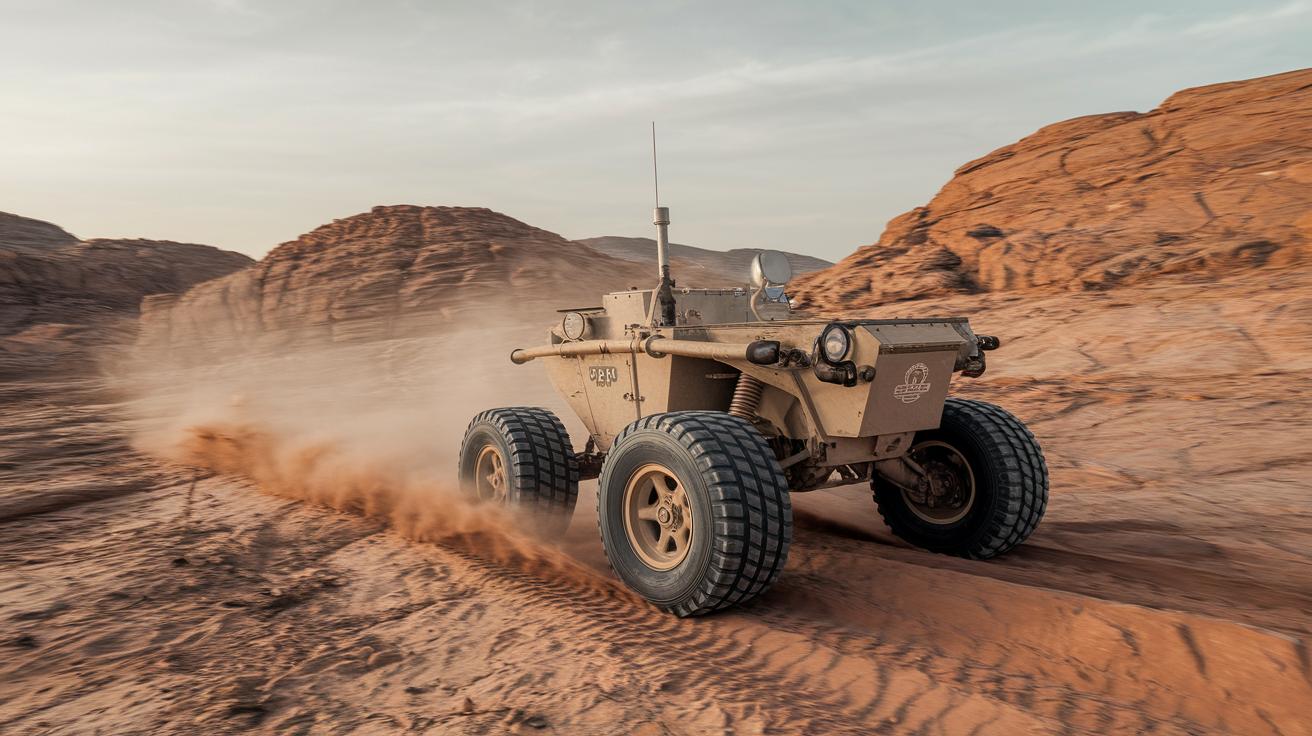
Space exploration robots have different jobs that change as mission goals evolve. Rovers like Curiosity, Perseverance, and the Artemis electric rover roll over rocky terrain to collect soil samples and snap detailed pictures. Imagine one rover moving across a barren landscape, its wheels kicking up a little dust as it searches for clues of water from the past.
Landers such as InSight softly land on other worlds to measure heat flow and pick up tiny tremors (small shakes). Did you know that InSight even detected subtle tremors, revealing the hidden warmth inside a distant planet?
Then there are orbiters like the Lunar Reconnaissance Orbiter and the Mars Reconnaissance Orbiter. These robots use smart sensors to capture clear, high-resolution images of a planet’s surface over time. Their steady observations help map out weather changes and surface details with great accuracy.
There are also manipulators, such as Dextre working with Canadarm2, that perform maintenance and repairs while in space. Their careful, robotic arms handle tasks that keep space stations running smoothly and safely.
ESA’s ClearSpace-1, planned for 2025, uses claw-like arms to pick up space junk (old bits of satellites and debris), showing how important it is to keep space clean. Plus, specialized systems like MIRA, a lightweight, 2-lb surgical robot, and EELS, which can explore really tight spaces, highlight recent advances in robot design and mission goals.
- Rovers: Curiosity, Perseverance, Artemis electric rover
- Landers: InSight
- Orbiters: Lunar Reconnaissance Orbiter, Mars Reconnaissance Orbiter
- Manipulators: Dextre with Canadarm2
- Debris-clearance: ClearSpace-1
- Specialized platforms: MIRA and EELS
Innovations in Space Robotics Technology
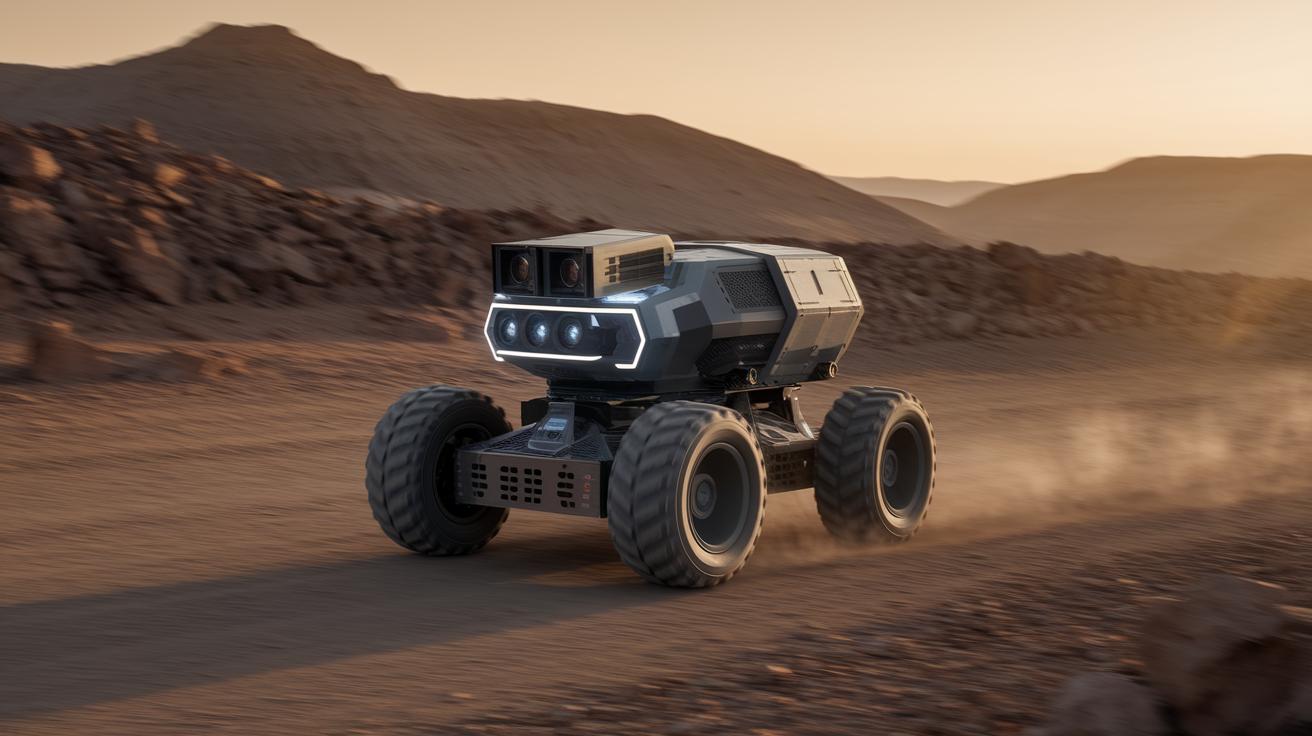
Space robots are getting a serious upgrade with smart AI that helps them work even when conditions are really tough. With AI onboard, these robots can make split-second decisions without waiting on slow, long-distance signals. Imagine a robot that can change its path on the fly to dodge an obstacle – it’s almost like it has its own little brain!
Robots like R5 Valkyrie now use stereo cameras and LiDAR sensors (tools that use laser light to measure distance) to see their surroundings clearly. Added to that, force-torque sensors (devices that detect how much force is being applied) from companies like Bota Systems let them handle delicate tasks in space where gravity is very weak. These machines can even steer themselves over bumpy, unexpected terrain with their own smarts.
Engineers are also making progress in how humans and robots work together. New designs let astronauts and their robotic helpers team up to fix equipment or run experiments. With these advances, space robots are becoming better at adapting on the fly and taking on tricky jobs all on their own. Thanks to smart designs and brain-inspired algorithms, these robots are ready to explore distant worlds more safely and efficiently.
Challenges and Limitations in Deploying Robots for Space Exploration
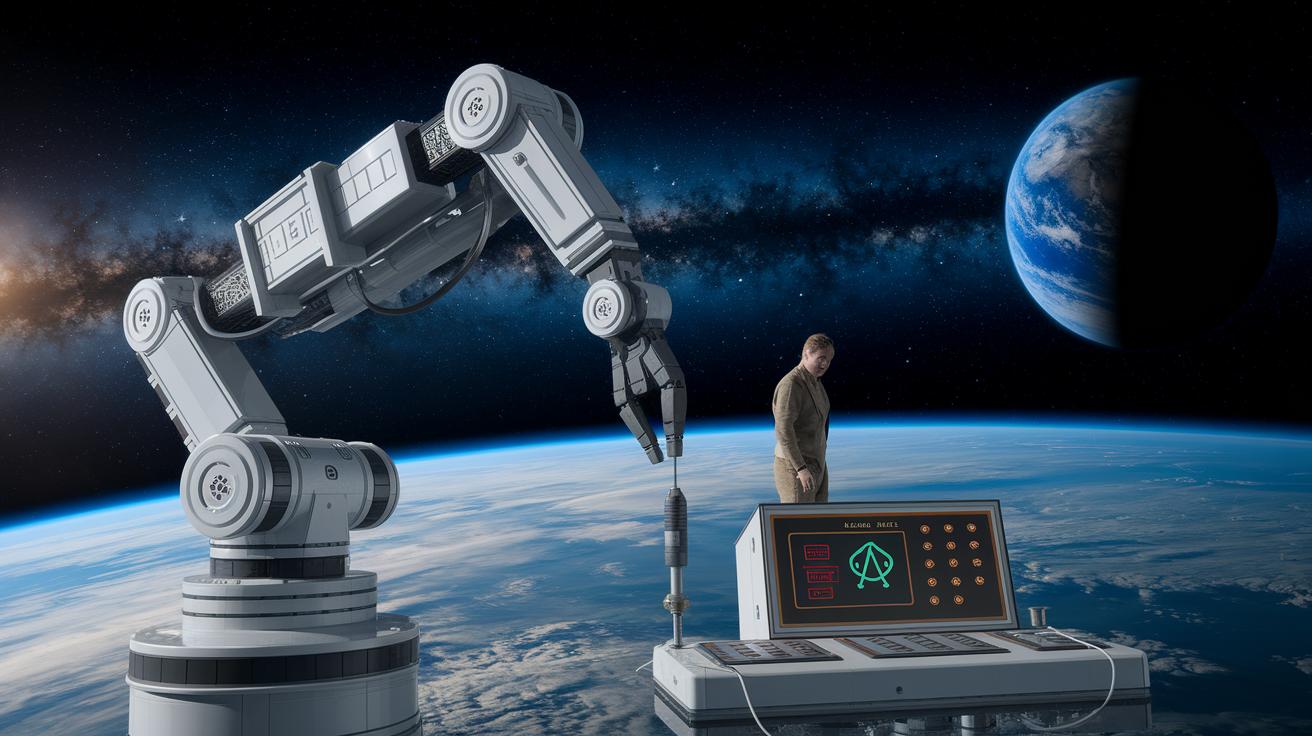
Space robots run into lots of tough challenges that really stretch what our engineers can do. One of the biggest hurdles is the long wait for communication. When a robot out in space gets a command minutes or even hours after it’s sent, it has to decide things on its own. Imagine a robot trying to fix a broken tool but having to wait several minutes for a “yes” or “no” from Earth.
Another major factor is power and resource limits. Space robots must work for long times on the energy they carry, all while facing harsh conditions like strong radiation, extreme temperatures, and almost no gravity. It’s a lot like having to work on a picnic in a freezing storm! Engineers have to design these robots to be tough yet light and small. They test them over and over to make sure they can work on their own and adjust to everything space throws at them.
Then there are the high costs of building and launching these robots. Every piece must be super strong to survive space’s rough treatment, which means engineers have to create very sturdy robots that can solve problems all by themselves. They work hard to build systems that can handle fixes and complex jobs in an environment where even a tiny glitch can turn into a big deal.
Future Trends in Space Exploration Robotics

Engineers and scientists are pushing the limits of what robots can do in space. One cool idea is a robot that works like an earthworm. Think of a small, flexible machine that wiggles underground (like a worm in damp soil) to look for water and hidden minerals on other planets. It’s a neat way to use ideas from nature.
Researchers are also working on robots that can join together like building blocks. Imagine a tiny robot snapping into place with others to form a mobile system that changes its job on the fly. One unit might collect samples, another could map the terrain, and a third might even tighten a loose bolt – all without someone’s help.
ESA’s ClearSpace-1 mission set for 2025 is a game changer too. It uses a smart robot that can grab space debris and clear hazardous bits out of our orbit. This project is changing how we think about keeping space clean and safe.
There are even ideas for robots that can build habitats on Mars and for small, clever probes that travel far beyond our solar system. With robotic habitat assembly, teams of robots might one day build safe shelters for explorers on Mars. And interstellar probe designs could send mini explorers deep into space to gather new information.
- Robotic earthworms for subsurface drilling
- Modular explorers that connect like building blocks
- ESA’s ClearSpace-1 mission for cleaning space debris
- Robots building habitats on Mars
- Smart, mini robots designed for interstellar travel
Educational programs in unmanned systems are also sparking the interest of new engineers. They’re excited by the challenge of making robots that can work on their own in unfamiliar, alien environments. With these trends, our adventure into deep space is about to take a big leap forward.
Case Studies: Iconic Missions Showcasing Space Exploration Robotics
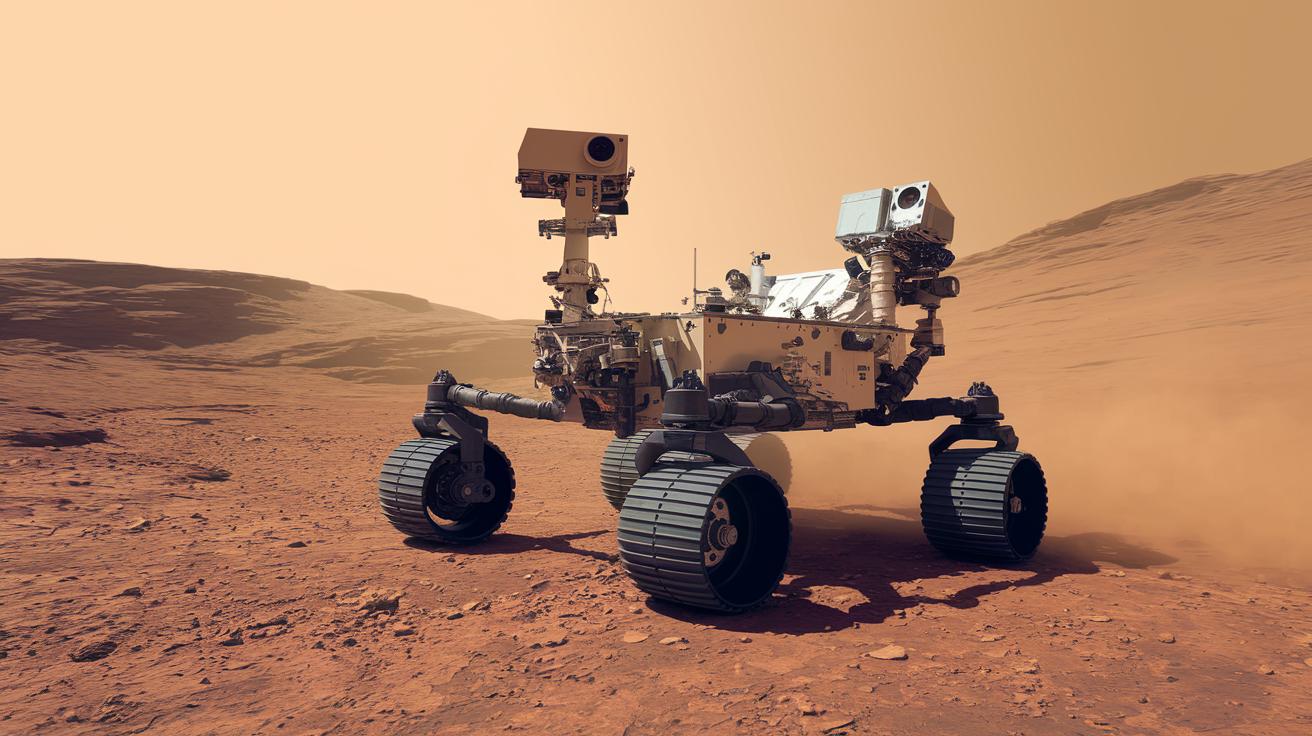
At NASA, the Mars rovers did more than collect clues about the planet’s past, they paved the way for future missions. Early designs taught engineers to tweak instructions on the fly. In one example, a rover nearly lost its circuit because of harsh dust, which led to a design fix that kept later missions safe. These updates have made the rovers better at solving problems on their own and using energy efficiently.
On the International Space Station, Dextre and Canadarm2 showed how to mix remote control with automated precision. Working in a nearly weightless environment was no small feat; engineers had to balance tiny, delicate movements with heavier tasks. This challenge pushed teams to create robots that can switch smoothly between gentle handling and more forceful actions.
Robonaut 2 wasn’t just an extra set of hands for the crew, it sparked a new way of thinking about human-like touch in space. Its flexible programming and adaptive hardware opened up ideas for future robots that could work side by side with astronauts, performing tasks with a surprisingly human finesse.
ClearSpace-1 and the snake-like EELS brought fresh lessons in managing unexpected space conditions. While ClearSpace-1 handled the tricky job of moving debris safely, boosting our strategies for risk management and quick decision-making, EELS proved it could navigate narrow, icy vents. These missions taught teams how to design robots that work well even in cramped, extreme spots where older models might fail.
Final Words
In the action, this post walked through the incredible roles of various robotic systems in space exploration, shining a light on how rovers, landers, orbiters, and manipulators work to collect samples and conduct vital experiments.
It also touched on the challenges these machines face and the innovations that promise to make space missions even more effective. Space exploration robots continue to push us further into the cosmos, inspiring hope and curiosity for what lies ahead.
FAQ
What types and examples of space robots exist?
The types and examples of space robots include rovers like Curiosity and Perseverance, landers such as InSight, orbiters like Mars Reconnaissance, and manipulators such as Canadarm2.
Which projects focus on space robotics?
Space robotics projects include missions by ESA like ClearSpace-1 and initiatives exploring next-generation autonomous explorers, all designed to test and improve robotic abilities in space’s harsh conditions.
What are NASA’s famous space robots?
NASA’s famous space robots include rovers like Curiosity and Perseverance, the InSight lander, and robotic arms like Canadarm2 on the ISS, each vital for gathering scientific data and performing station tasks.
How do space robots benefit kids?
Space robots benefit kids by inspiring educational programs where simplified robotic models show how machines explore space, sparking early interest in science and technology in a fun, approachable way.
What advantages and disadvantages come with robotic space exploration?
The advantages of robotic space exploration include cost-effectiveness and enhanced safety, while disadvantages involve communication delays and high testing costs for autonomous systems.
Which robot is used in space exploration missions?
The robot used in space exploration depends on the mission; rovers like Perseverance analyze Martian geology, while robotic arms such as Canadarm2 assist with maintenance duties on spacecraft.
What did Elon Musk share about robots?
Elon Musk shared concerns about advanced robots, pointing out that as AI and robotics grow, there may be challenges in balancing technology with human oversight in various industries.
What are the big 4 robotics fields?
The big 4 robotics fields typically cover industrial, service, medical, and space robotics, each addressing tasks from manufacturing automation to exploring distant planets.
Are there robots currently operating in space?
Yes, robots are actively operating in space; for example, the Perseverance rover on Mars and Canadarm2 on the International Space Station continue gathering and processing scientific data.