
Ever wondered if what you do today could change Earth's future? Climate science digs deeper than just weather predictions. It shows us how air, water, ice, and living things all work together to shape global changes.
The ideas might sound technical. For instance, radiation balance explains how energy from the sun is managed, convection (that’s when warm air rises and cool air sinks) moves heat around, and thermodynamics (basically the rules of energy) helps explain how our planet warms or cools over time.
Curious to learn more? Let’s explore how these connections can guide us in protecting our world.
Climate science: Inspiring Global Environmental Insights
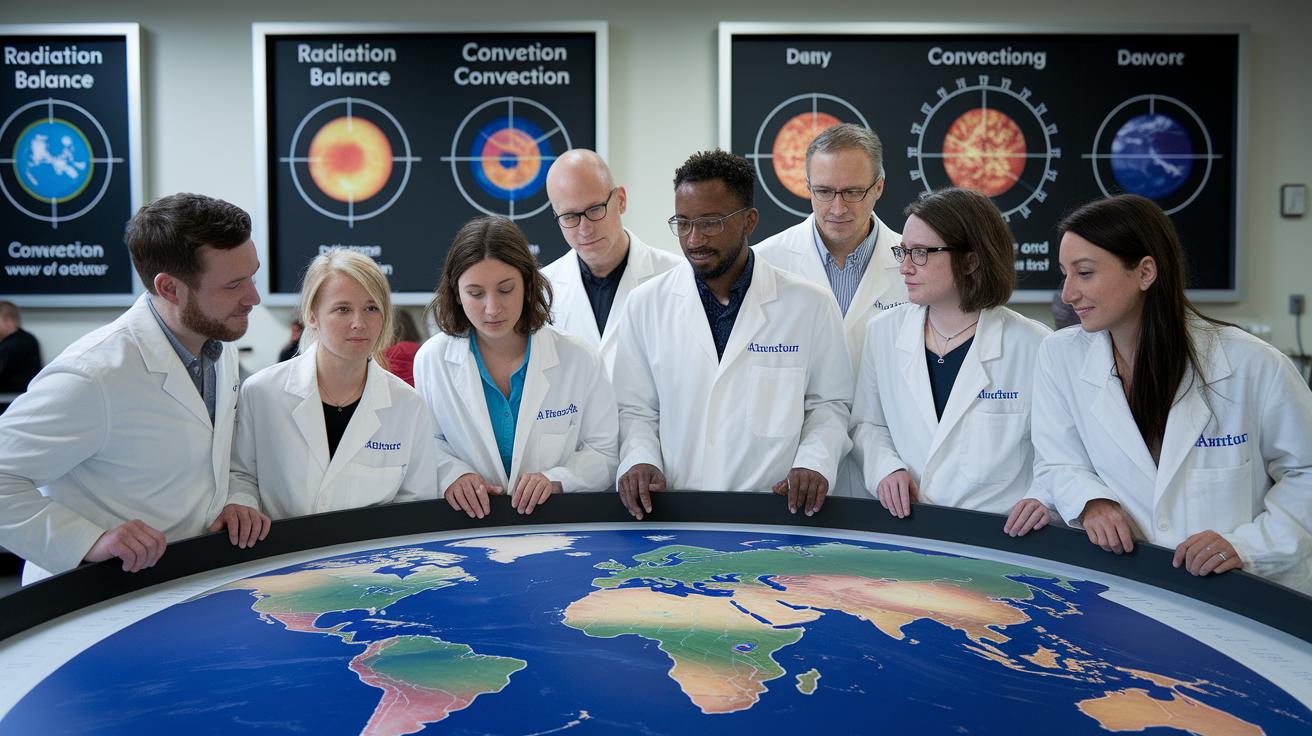
Climate science is all about understanding how Earth's climate behaves over long periods, not just our everyday weather. It digs into big ideas like radiation balance, convection (that's how warm air moves up and cool air moves down), and thermodynamics (the set of rules for energy transfer). These ideas help explain why our planet gets warmer or cooler over time.
Scientists study how different parts of our planet work together. They look at how the atmosphere, water bodies, ice, and living things all affect one another. When they explore what climate change really means, they focus on all these combined effects instead of just one weather event here or there.
- Atmosphere
- Hydrosphere
- Cryosphere
- Biosphere
By studying these four parts, researchers can see how energy moves and matter cycles through air, water, ice, and life. This clear view helps them understand the delicate balance of our climate. Thanks to this approach, science can guide policies that protect our environment and promote sustainable living as our planet steadily changes.
Key Mechanisms in Climate Science Driving Global Warming

Our planet's getting warmer mainly because of extra gases like CO₂, CH₄, and N₂O that we release when we burn fossil fuels or change our land use. These gases work a bit like a cozy blanket, trapping heat in our atmosphere. Sure, natural factors like shifts in the sun’s energy or volcanic eruptions can change climate patterns a little, but they really can't match the strong warming push from our own activities. Think of it like adding a few drops of food coloring to a glass of water, no matter what else you mix in, that color always stands out.
The carbon cycle, essentially how plants take in CO₂ during photosynthesis, how living things release it when they breathe, and how the ocean absorbs it, is getting overloaded with extra CO₂ that nature just can’t keep up with. This means the natural ways that help take in CO₂ are overburdened, which makes climate change even worse. Imagine a busy checkout line where more and more people join the queue without enough cashiers to help; that’s what our atmosphere is experiencing right now.
Below are some more key factors adding warmth to our planet:
- Ice-albedo: When ice melts, the darker surfaces left behind soak up more heat instead of bouncing it back.
- Water vapor: Warmer air holds more water vapor, and that vapor then traps even more heat.
- Lapse-rate: Changes in temperature as you go higher in the sky can affect how well heat escapes into space.
- Cloud cover: Shifts in cloud patterns sometimes block sunlight, and other times add to the greenhouse effect.
- Permafrost thaw: When frozen ground (permafrost) melts, it releases stored gases that further warm our Earth.
Tools and Techniques in Modern Climate Science Research

Climate science has taken huge leaps forward thanks to new, inventive tools that connect complex data with our everyday environment. Researchers now use smart simulation models and basic number-crunching methods (statistics) to reveal how the air, water, and land work together. This helps them sort through tons of data and spot clear patterns in both real-world observations and computer models.
Global Simulation Techniques
Scientists rely on tools like General Circulation Models and Earth System Models to mimic how the atmosphere, oceans, and land interact. These models, along with smaller-scale, regional ones, recreate things like air movements and heat exchanges, which are key for predicting weather and climate changes. For example, one model might show how temperatures change with the seasons on a global scale, while a regional model zooms in on local rain patterns. Together, they give us a detailed look at how our climate behaves and help us test ideas about energy balance and weather conditions under different future scenarios.
Data and Observation Techniques
Modern climate research depends on clever data analysis. Scientists use machine learning (computers that learn from data) and simple statistical techniques to handle huge amounts of information from satellites and ground-based sensors. These instruments track things like temperature, rainfall, and greenhouse gases, making sure the data is consistent no matter where or when it’s collected. By combining satellite views with on-the-ground checks, researchers gain a global picture that is both continuous and precise.
The final step is to test and refine these models. Researchers compare what their simulations predict with actual observations to see where the models can improve. They check for any uncertainty in their forecasts, which helps boost confidence in using these models to predict future climate changes. This detailed process ensures that policymakers and climate experts have the most reliable information to guide their decisions.
Insights from Paleoclimate Records in Climate Science
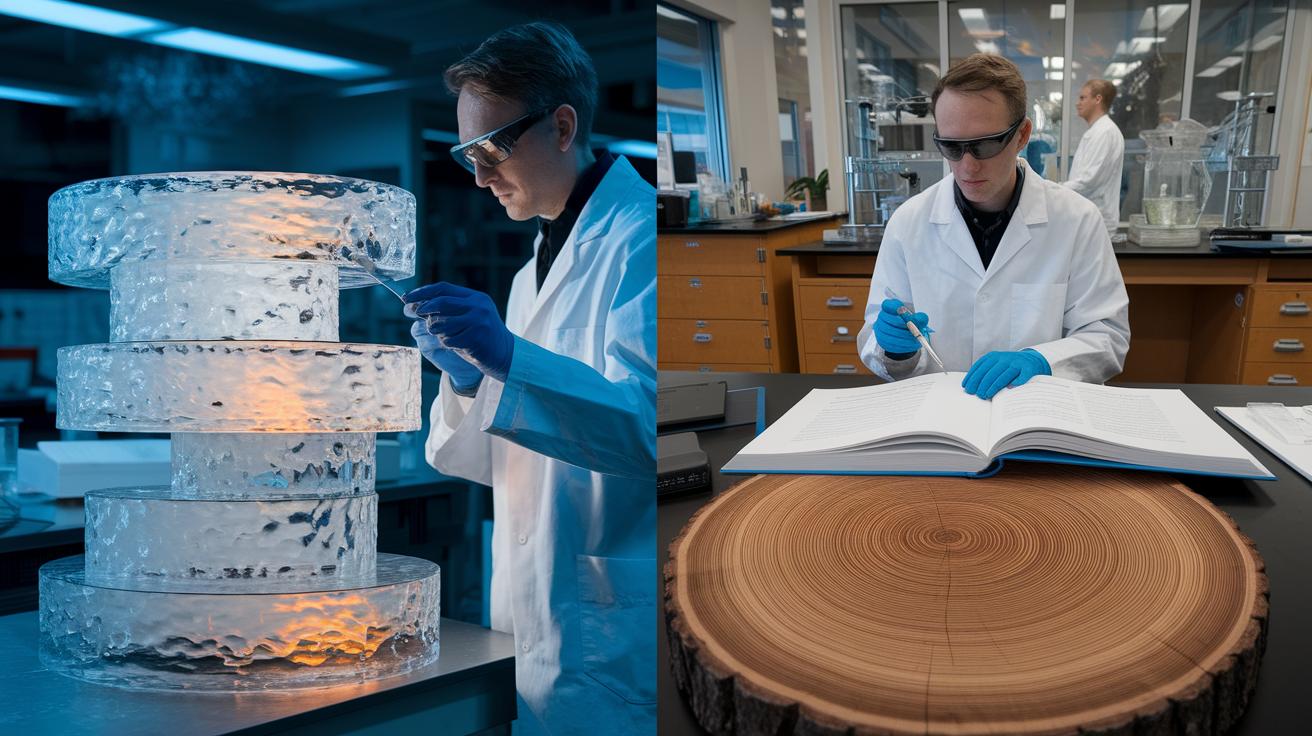
Ice cores from Greenland and Antarctica are like time capsules of our planet's past climate. These layers of ice show clear ties between carbon dioxide levels and temperature changes over almost 800,000 years. It’s pretty fascinating, scientists have found that when CO₂ went up, temperatures did too, time and again. This steady pattern helps us see how changes in gases high up in the atmosphere have moved with shifts in climate.
Tree rings and sediment layers work like nature’s own diary. They mark moments like the sudden chill of the Younger Dryas and the warm days of the Medieval Warm Period. Imagine flipping through a calendar made by nature, where each ring or layer reveals a little secret from long ago. These natural records are essential clues about when and how strongly the climate changed, and they help scientists piece together Earth’s complicated climate story.
By comparing ancient clues with today’s observations, scientists can check if their models are working well and improve future predictions. Bringing together old records and modern trends shows us that the natural cycles found in ice and organic remains are key to understanding today’s warming. This research reminds us that our current climate change sits on a long, rich history of Earth’s many moods.
Current Trends and Climate Science Variability

Over the past ten years, our world has become the hottest it's ever been, with average temperatures rising almost 1.1 °C (a way to measure heat) above what they were before the industrial era. Scientists explain that this steady warming isn’t just a number, it shows that Earth's energy is shifting. For example, you might notice that winters seem much softer now compared to what older generations remember.
Extreme weather is also getting more intense. Heatwaves happen twice as often as they used to, and severe storms have jumped by about 25% since the 1950s. Picture a blazing summer day that drags on relentlessly, pushing communities to scramble for ways to keep cool. These wild weather events tell us that our climate is quickly changing in ways that touch every part of our daily lives.
Weather patterns in different parts of the world are shifting too. In the polar regions, temperatures are rising at least twice as fast as the global average, a trend scientists call Arctic amplification. This rapid warming can disturb rain patterns and even the typical flow of wind high up in the sky. In some regions, rains may come in short, heavy bursts, while other areas suffer from long dry spells, each stressing local plants and wildlife in its own way.
These changes in weather have real impacts on both society and nature. Shifts in temperature and extreme weather can stress water supplies, lower crop yields, and upset natural habitats. People rely on predictable weather for farming, fresh water, and a healthy environment. As our climate becomes more variable, communities face tougher challenges in keeping their lives and ecosystems stable.
Mitigation Strategies and Policy Frameworks in Climate Science

Climate science research tells us that combining different policies works better than relying on one alone. For example, using carbon pricing, rules for reducing emissions, and boosting research funding all work together to encourage businesses and communities to cut down on pollution and invest in cleaner technology. International agreements and targeted funding help make sure everyone is on the same page, dealing with today's challenges while setting us up for a better tomorrow.
Technology also plays a big part in our fight against climate change. Renewable energy sources like wind, solar, and hydroelectric power can reduce CO₂ emissions from power plants by 70 to 90%. Scaling up methods that remove CO₂ (which is the gas that warms our planet) must be done carefully with thorough testing so we avoid any unexpected issues and ensure these solutions work in the long run. Scientists continuously use their findings to improve these tools, linking them with smart policies that together tackle climate change.
It’s important to keep reviewing our policies and adjust them as the environment and technology change. Leaders look at the latest climate science to figure out which policy mix works best, tweaking their approach as needed. This flexible planning not only makes our efforts more effective now but also keeps our communities ready for what the future brings. Regular checks and updates ensure that as the world changes, our strategies for a cleaner and stronger environment evolve too.
Future Directions and Research Priorities in Climate Science

Climate researchers are diving into new methods that make predicting our planet’s future a little clearer. Imagine a tool that learns from huge data sets to help forecast weather and climate changes. That’s what AI-driven analytics (computer programs that help make sense of large amounts of data) can do. New sensors and satellite missions will soon give us more detailed readings of Earth’s heat balance, kind of like upgrading from a paper map to a high-definition GPS. These advances let us spot extreme weather earlier and build smarter ways to protect our communities.
Scientists from different fields, climate, ecology, and social sciences, are now joining forces to understand how our world can adapt better. Think of it like musicians in an orchestra, each playing their part to create a beautiful harmony. At the same time, steady funding for studies in areas such as carbon removal and adaptation science is crucial. With continued support, groundbreaking research can turn into real-life solutions that benefit both people and our planet.
Final Words
In the action of exploring key elements that shape our climate, we examined foundational aspects like energy flows, greenhouse gas effects, and the interaction of natural systems. Modern research tools, historical records, and policy strategies brought clarity to climate science in ways that feel both accessible and impactful.
Every part of our discussion highlights how understanding scientific processes can turn complex ideas into everyday insights. Such knowledge inspires optimism as we continue to learn more about the world around us.
FAQ
What is climate science?
The field of climate science studies Earth’s long-term weather patterns by analyzing the interactions among the atmosphere, oceans, ice, and living things to explain past, present, and future climate trends.
What is a climate science degree and is it worth earning?
A climate science degree focuses on studying Earth’s climate systems and prepares you for careers in research, policy, and sustainable development, offering promising jobs and competitive salaries in various sectors.
What do climate scientists do?
Climate scientists analyze long-term weather patterns, track greenhouse gas trends, use models to predict climate behavior, and advise decision-makers on reducing environmental impacts.
What can you expect to learn in climate science courses?
Climate science courses cover topics such as atmospheric processes, ocean dynamics, and climate modeling, using hands-on labs and data analytics to build a clear understanding of Earth’s climate systems.
What research is typically published in the Climate Science Journal?
The Climate Science Journal publishes peer-reviewed studies on climate trends, greenhouse gas impacts, and innovative climate models, offering insights for both researchers and students interested in environmental issues.
What is Climate Science LTD?
Climate Science LTD usually refers to an organization focused on climate research; it provides expert reports, data analysis, and solutions for policymakers and research institutions in the climate field.
What are the highlights of the Climate Science Olympiad 2025?
The Climate Science Olympiad 2025 highlights young talent tackling climate challenges through hands-on projects and research competitions, developing innovative problem-solving skills and inspiring future environmental leaders.
What types of climate science jobs are available?
Climate science careers range from academic research and lab work to roles in policy planning, environmental consulting, and positions in renewable energy and sustainable development, offering diverse opportunities.
What is the typical salary for climate science professionals?
Climate science salaries vary by role and experience, with professionals in research, academia, and industry earning competitive wages that reflect their technical expertise and contributions to environmental solutions.
What is atmospheric science?
Atmospheric science examines Earth’s air and weather processes—studying temperature, pressure, and humidity—to help predict weather patterns and better understand climate dynamics.
What does meteorology study?
Meteorology focuses on weather conditions and atmospheric changes, using forecasting techniques to predict storms and other weather events that affect daily life.
What is Environmental Science?
Environmental Science investigates how natural systems function and interact with human activity, blending biology, chemistry, and earth science to promote sustainable practices and protect ecosystems.
What is Earth Science?
Earth Science is the study of the Earth’s physical components, including rocks, soils, and tectonic processes, helping us understand the planet’s formation, structure, and natural phenomena.
What is Geology?
Geology examines the Earth’s physical structure and substances, focusing on rocks, minerals, and earth processes to reveal the planet’s history and changes over time.
What is Ecology?
Ecology explores the relationships between living organisms and their environments, assessing how these interactions shape communities and the health of ecosystems.